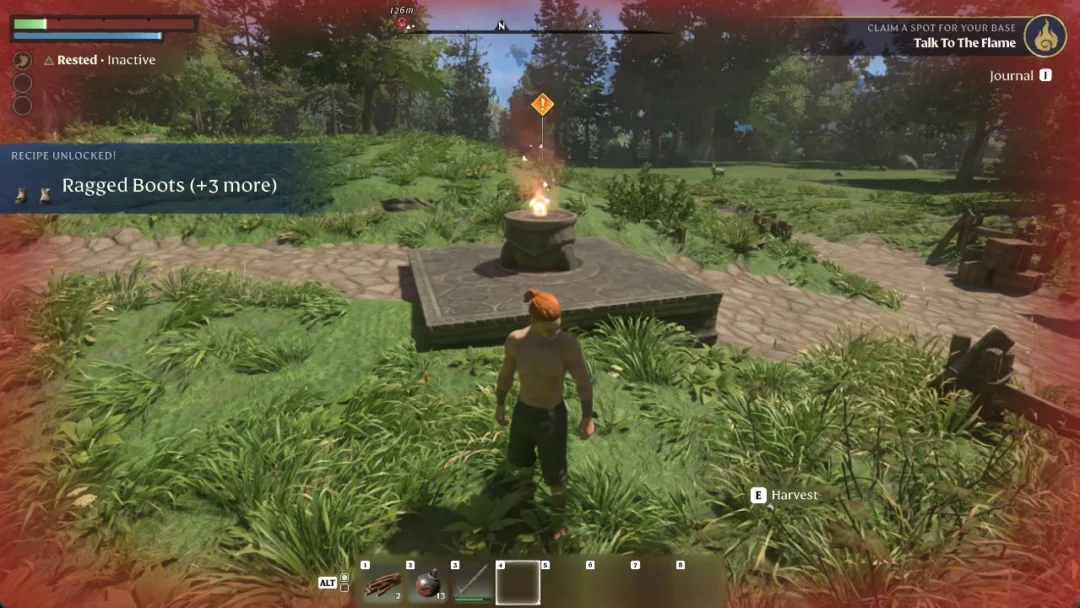
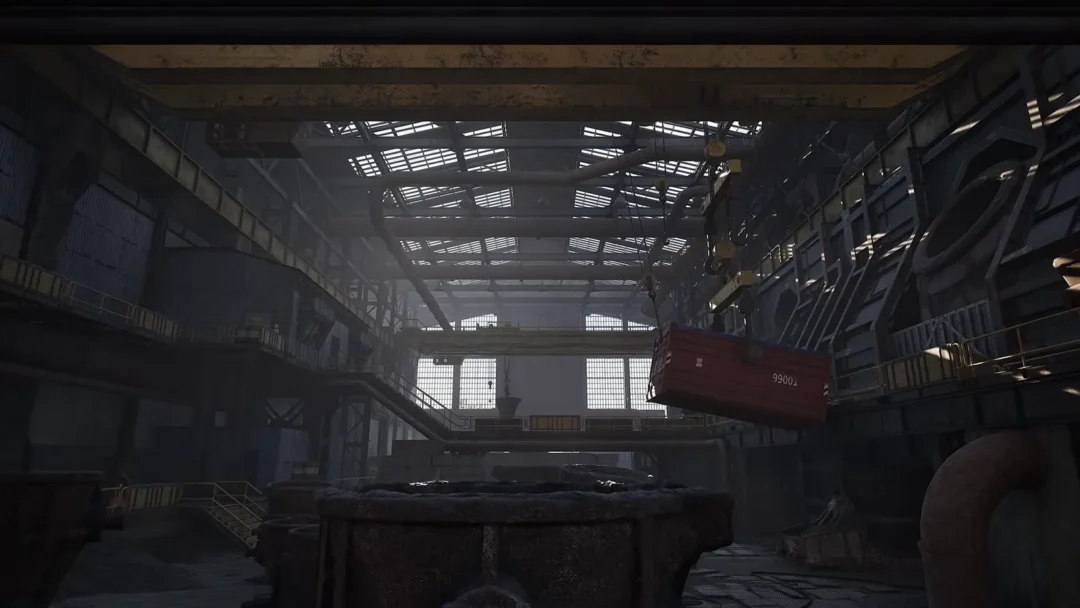
Added in Enshrouded’s 1.0 update, the volcanic region of Cinder’s Cradle is where Basalt can be found. This dark, heavy stone is tougher than ordinary Cinder Rock, stacks in very large quantities, and is used in many recipes once ground or brought to a crafting station. To gather it, reach the biome and mine the correct rock with a pickaxe.
Quick answer: Travel to Cinder’s Cradle, northeast past the Ancient Gate, and mine the solid dark-stone formations with a pickaxe. Each strike drops raw Basalt straight into your backpack.
What you need before mining Basalt
Basalt only appears in Cinder’s Cradle, so your progress through the map is the real gate here. Reaching the region puts you at roughly Flame level 10, and you want a pickaxe capable of breaking hard stone, such as the Gilded Pickaxe. A standard pickaxe works too, but higher-tier tools clear nodes faster.
- Access to Cinder’s Cradle, reached through the Ancient Gate.
- A pickaxe; a Gilded Pickaxe speeds up mining.
- Inventory space, though Basalt stacks to 1,000 per slot.
Where Basalt spawns in Cinder’s Cradle
Find the volcanic biome in the map’s northeast. Start from the water area and pass the Ancient Gate, heading toward Cinder’s Cradle; the Crops of Cinder’s Cradle and floating islands are nearby. Starfish Shores, Cromville Hot Spring, Little Lagoon, and Lake Heartblood are other map labels to use for orientation.
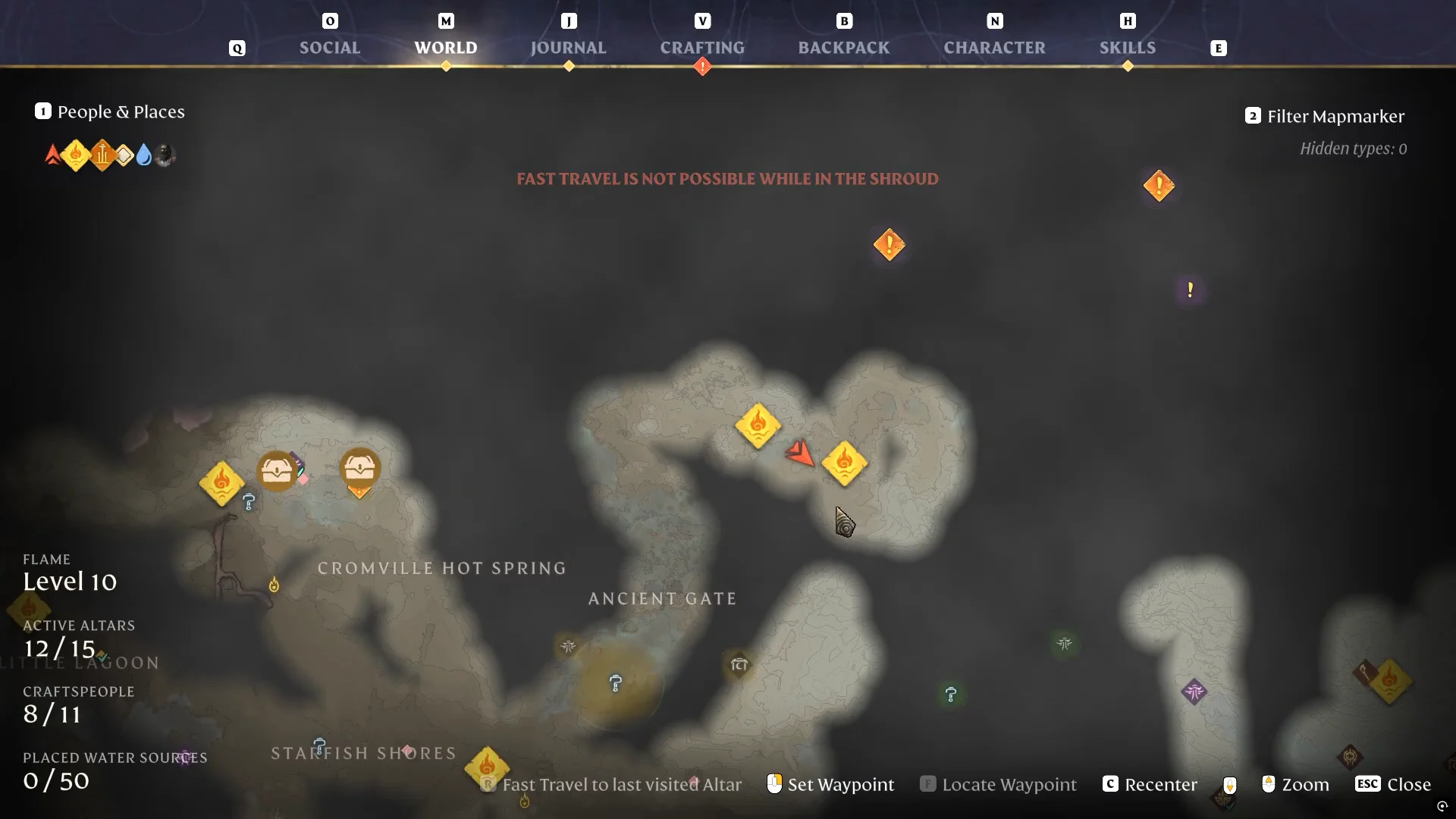
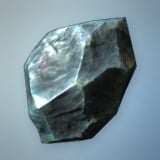
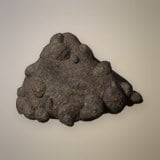
Once you are in the biome, Basalt reads as solid, dark-colored stone that looks clearly different from ordinary terrain. It appears both out in the open and inside the Shroud, so you can gather it on either side of the fog.
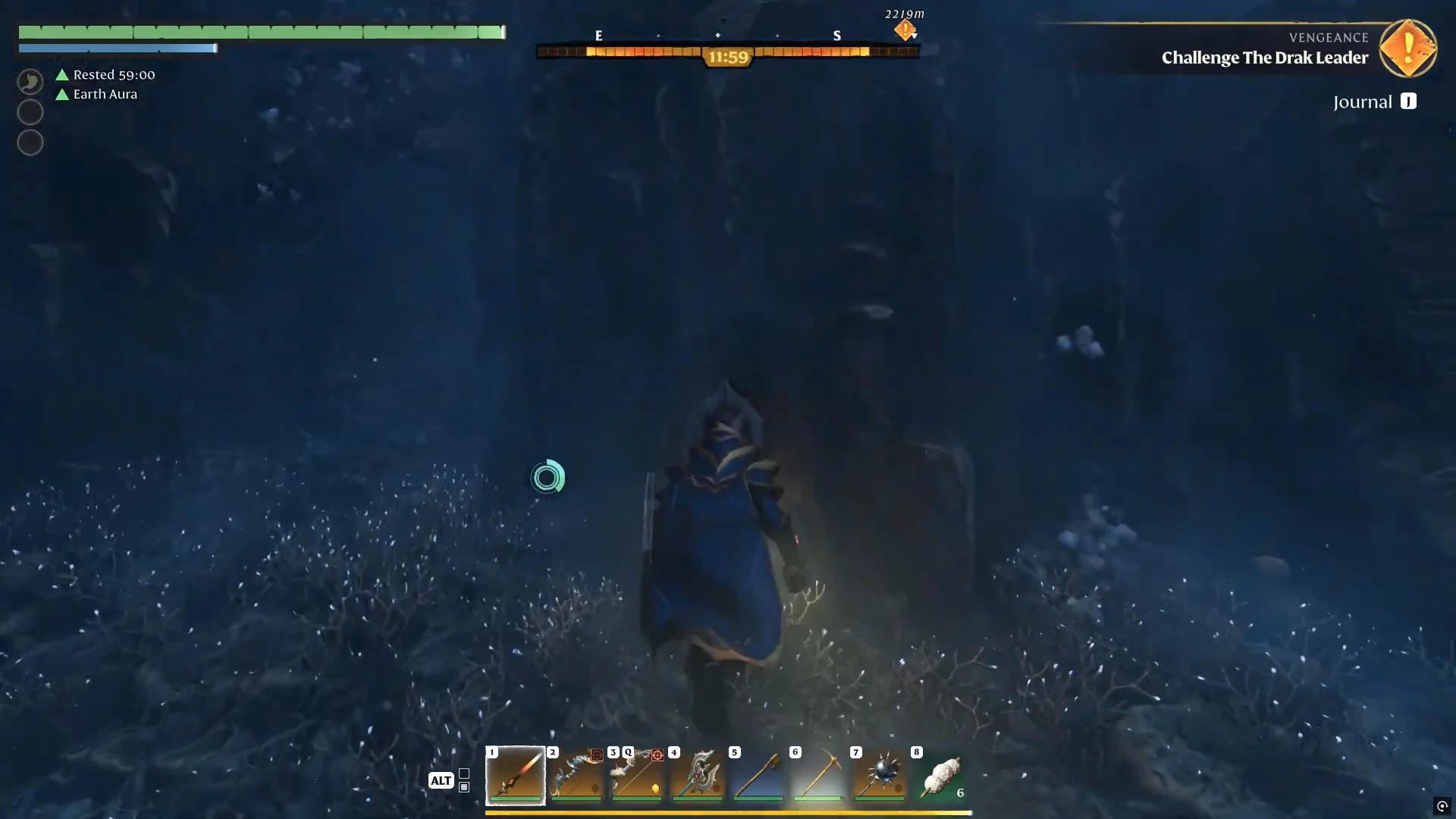
Fast travel is disabled while you are inside the Shroud, so clear your route and plan your exit before diving into fogged deposits.
How to mine Basalt
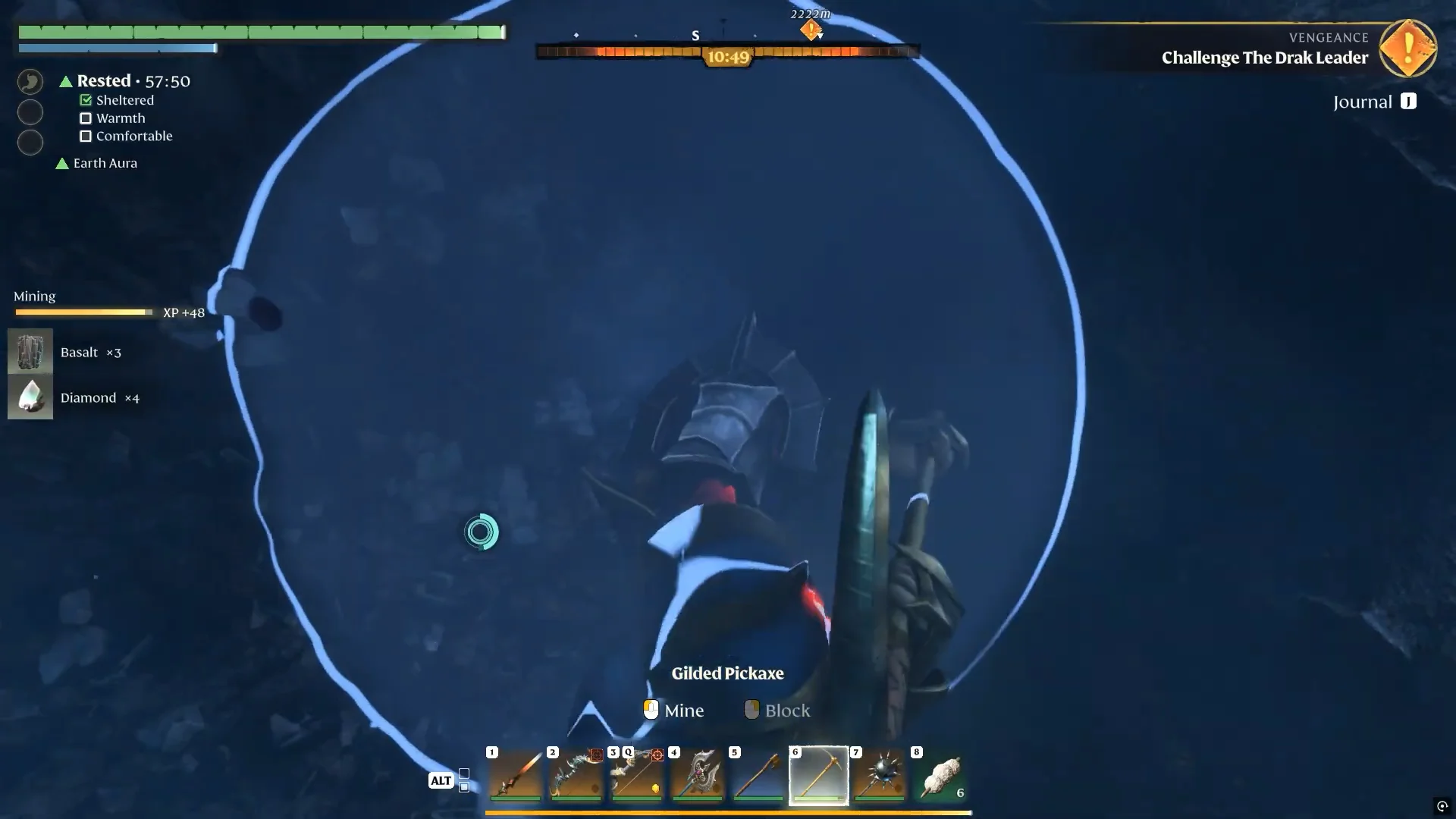
Mining inside the Shroud in this volcanic area has a second payoff. The same dark rock can sit next to Diamond deposits, letting you pull both resources from one pass.
Turning Basalt into Basalt Dust at the Mill
Raw Basalt opens up more recipes once it is ground down. Carry it back to base and use the Mill, which converts Basalt into Basalt Dust, a mineral-rich powder used in spells and farm soil.
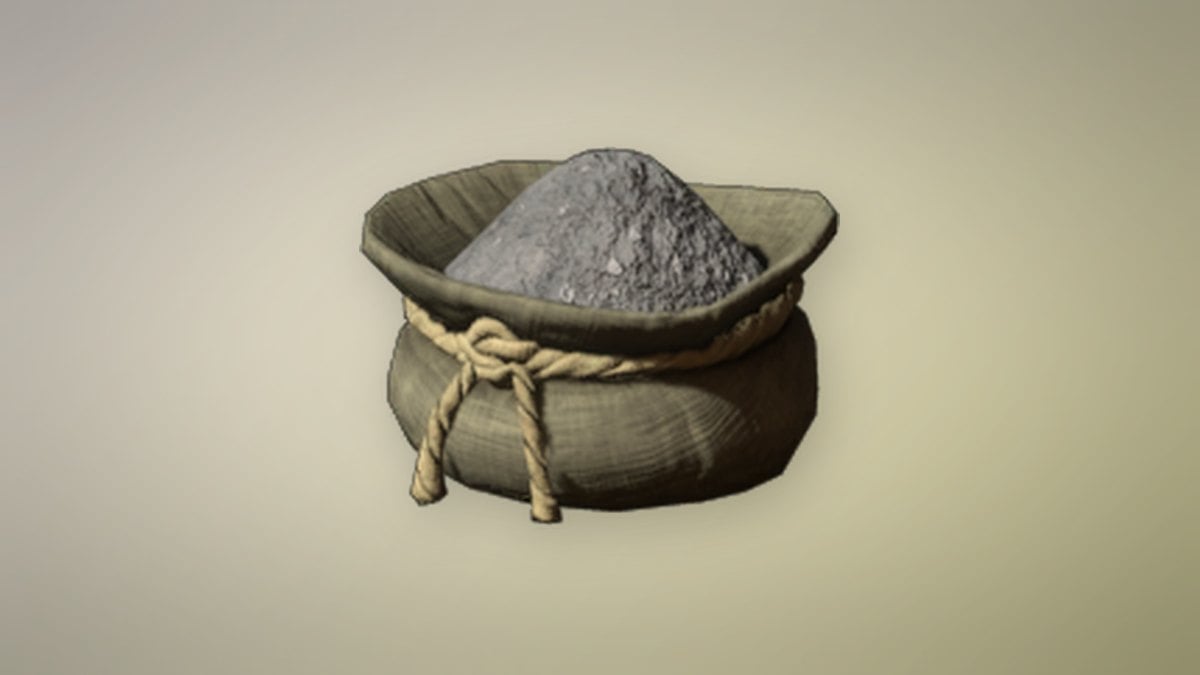
Basalt and its crafted materials: reference values
Basalt itself is a Common terrain material. Here is how it and the materials it produces line up, so you know what each one is for before you start hauling stone.
| Material | Rarity | Stack | Where it comes from |
|---|---|---|---|
 Basalt Basalt | Common | 1,000 | Mined in Cinder’s Cradle |
 Basalt Dust Basalt Dust | Common | 250 | Mill (1 Basalt) |
 Basalt Farm Soil Basalt Farm Soil | Common | 250 | Farmer (makes 10) |
Basalt Dust is item level 45 and crafts at the Mill from a single Basalt. Obtaining it unlocks spells such as Eternal Chain Heal II and Eternal Entangle, and it is also an ingredient in Heal Cascade II and Eternal Heal Beam II, plus building materials like Crimson Ground and Royal Temper.
Basalt Farm Soil is the only soil that Cinder’s Cradle crops will grow in. The Farmer produces ten at a time from 5 Fertilised Farm Soil and 10 Basalt Dust, and it is also the reward for the Farmer quest Crops of Cinder’s Cradle. Seedlings including Thyme, Prickle Pearl, Bloomheart Fruit, Aurora Bean, and Grandleaf Cabbage all depend on it.
Raw Basalt also goes directly into building and gear recipes, including ancient-style furniture, dungeon blocks, celestium tools, the Crestflame Shield, and fertile dirt variants. The Infusion Altar is one of the larger sinks, calling for 30 Basalt alongside gold dust, celestium bars, moonstone dust, and diamond dust.
How to confirm you collected it
Mining is confirmed when the “Basalt +” loot alert shows on screen. The stone is added to your backpack under Terrain Materials, marked Common, and described as tougher than ordinary Cinder Rock. The Mill can turn it into Basalt Dust, and both the Farmer and building menus show it as an available ingredient.