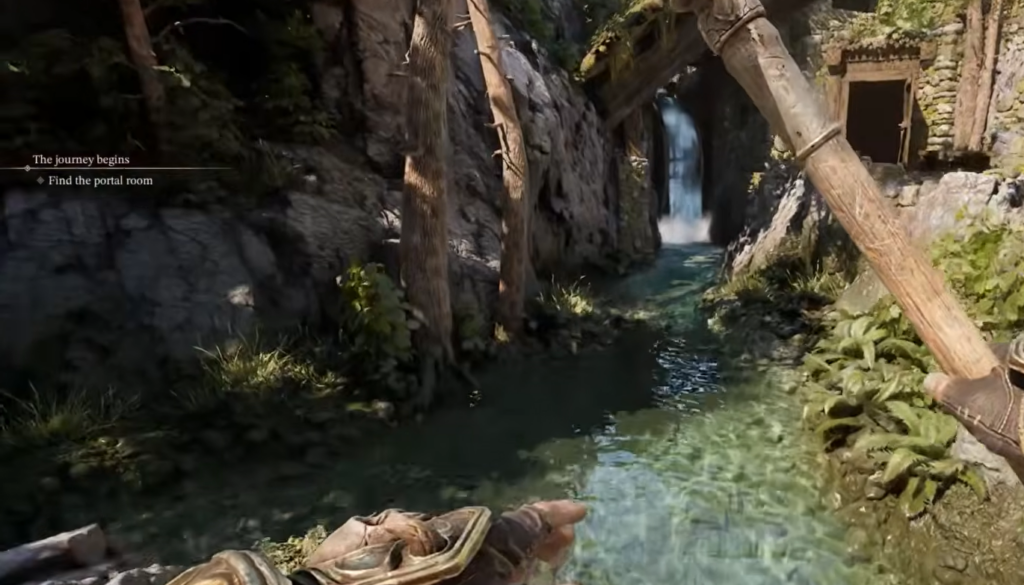
Fatekeeper is a first-person sword-and-sorcery RPG from developer Paraglacial and publisher THQ Nordic, and the way you define your character leans on progression choices rather than fixed classes. As you move through its handcrafted world, you commit points and gear toward the playstyle you want, and the game is built to support several distinct builds rather than one correct path.
Quick answer: You build a Fatekeeper character through three connected systems, combat styles, attributes, and spell schools, then reinforce that direction with weapons, armor, and artifacts. You can lean into raw strength, nimble precision, or sorcery, or mix them into a hybrid.
How character building works in Fatekeeper
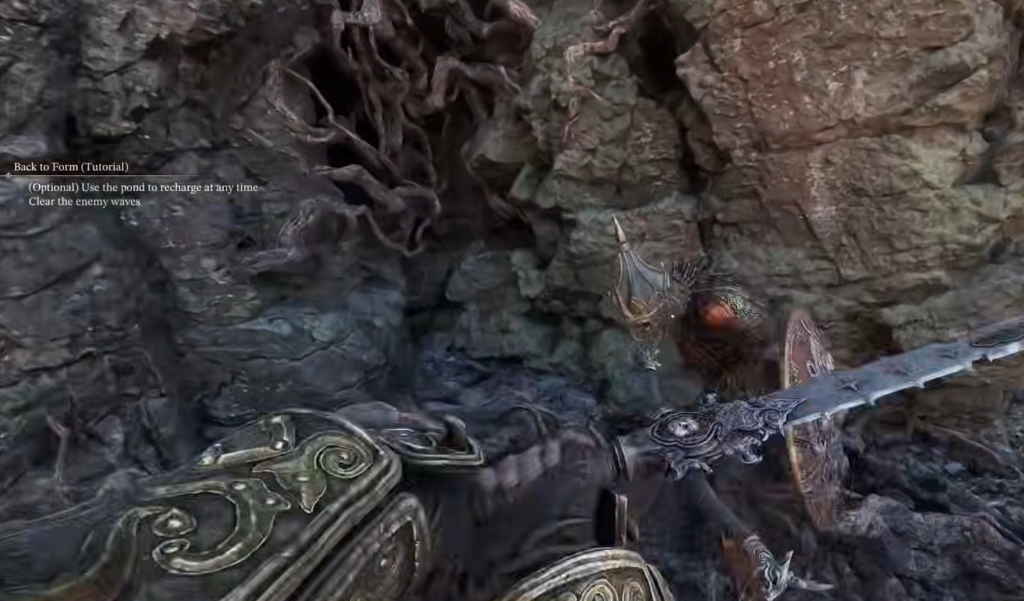
Progression goes beyond raising surface-level stats. Your choices land across combat styles, attributes, and spell schools, and those decisions together decide how your character fights and survives. The system is designed so that more than one combination stays viable, which means you can specialize hard or spread your investment.
Combat itself is reactive. Enemies have their own patterns, strengths, and weaknesses, so a build only takes you so far without good play. You engage in melee, time your spells, and adapt mid-fight. The phrase that sums up the design is simple. Your build matters, but so does how you wield it.
| System | What it shapes |
|---|---|
| Combat styles | How you approach melee and active fighting |
| Attributes | Core character values that back your chosen focus |
| Spell schools | The magic you can cast and specialize in |
Build directions you can pursue
There is no single intended class, so your character takes shape around the focus you invest in most. The three main directions cover power, agility, and magic, and you can blend them as you find gear and unlock more of the progression systems.
| Build focus | Emphasis |
|---|---|
| Strength | Raw power and heavy melee pressure |
| Precision | Nimble, accurate, fast-reacting combat |
| Sorcery | Devastating spells across multiple schools |
| Hybrid | A mix of melee and magic tuned to your loadout |
Weapons, armor, and artifacts
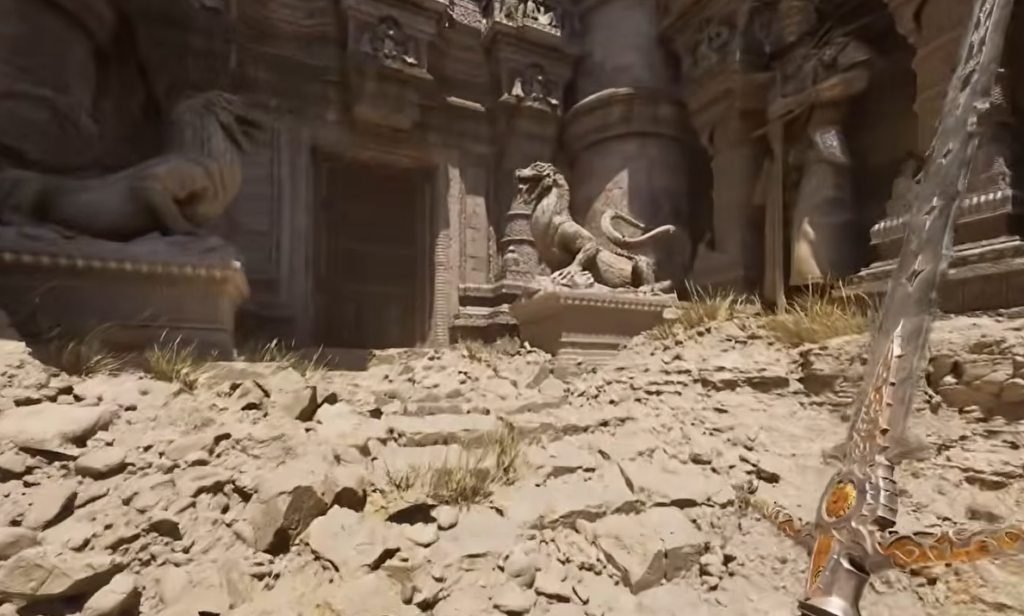
Gear is the second half of character building. You discover, loot, and master a range of weapons, armor, and artifacts, then customize your loadout to match your focus. Items are meant to be combined, and the right setup can swing a hard fight. Exploration feeds this loop, since ancient battlegrounds, underground caverns, forests, and ruined sanctuaries hide relics and encounters that reward poking around.
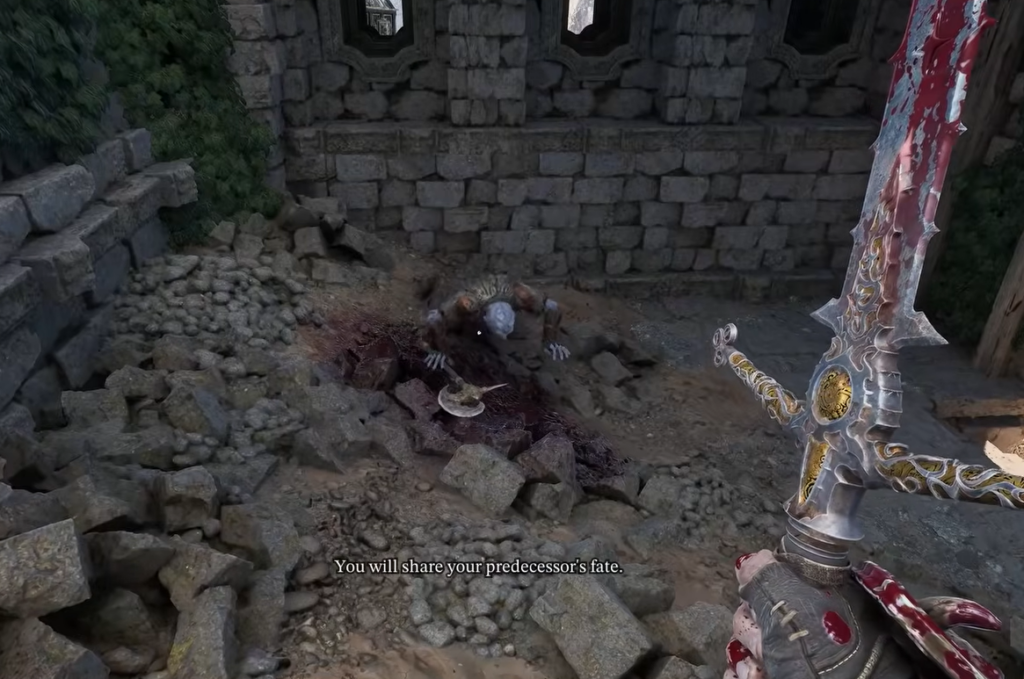
Combat includes a realistic depiction of violence and blood, with chance-based dismemberment against the game’s fantasy enemies.
What is playable in Early Access right now
Fatekeeper entered Steam Early Access on June 2, 2026. The current build shows the core gameplay and graphical fidelity for the opening hours, and every feature listed in the game description is present. The catch for character building is that the Early Access version does not yet include all progression mechanics, story content, or supporting systems. Those arrive in updates across the Early Access period.
| Aspect | Early Access | Full version |
|---|---|---|
| Playtime | About 2 hours | About 15 hours |
| Progression mechanics | Partial | Complete |
| Story content | Partial | Complete |
The studio plans to stay in Early Access for around 18 months before the full release, with the price rising as content is added. Development is being steered by player feedback gathered through surveys and community channels, so the depth of character building is expected to grow over that window.
How to get Fatekeeper
Fatekeeper is a single-player title on PC with Steam Cloud and Family Sharing support. An introductory 20 percent discount runs through June 16, bringing the price to $7.99 from $9.99. You can grab it and start building a character from the Steam store page.
For now, treat your first character as a starting point rather than a locked decision. Pick a focus that fits how you like to fight, build out your loadout from what you loot, and expect the full set of progression options to fill in as the game leaves Early Access.