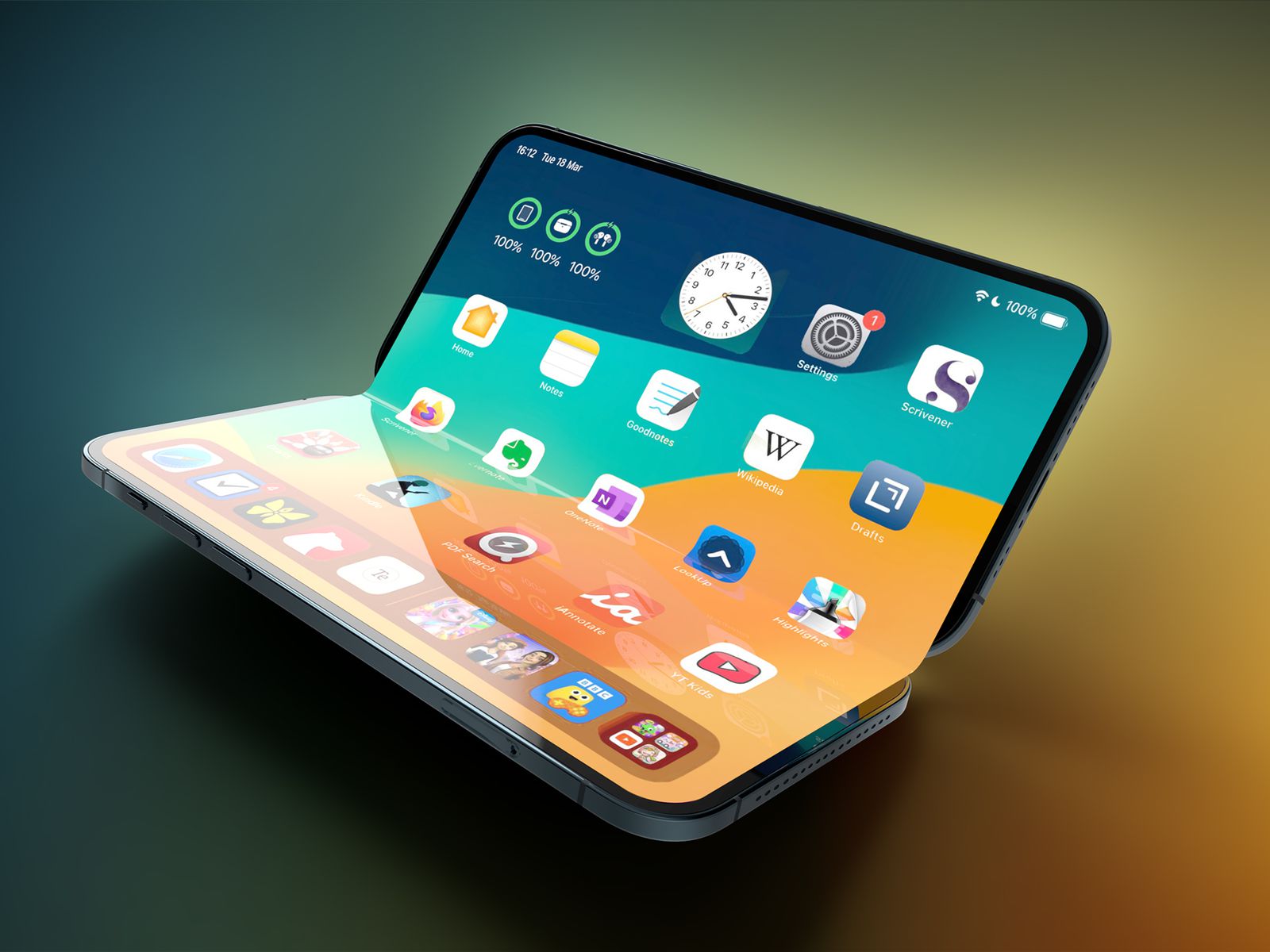
The first iOS 27 developer beta carries something Apple did not mention on stage. Buried inside the operating system’s frameworks are strings that only make sense for a phone that folds open into a second, larger screen. These references did not exist in iOS 26, and they line up with the long-rumored foldable iPhone expected this fall.
Quick answer: iOS 27’s frameworks now include foldState, angleDegrees, and a new key that returns the total number of built-in displays on a device. All three only apply to a single phone that has more than one screen and a hinge, which means iOS 27 is being prepared to run on a foldable iPhone.
The foldable references found in iOS 27
Three pieces of code stand out, and each one describes hardware behavior that a normal single-screen iPhone never needs to track.
| Reference | What it describes |
|---|---|
| foldState | Whether the device is currently open or closed. |
| angleDegrees | The angle of the hinge as the device is folded or unfolded. |
| Built-in display count key | Returns how many integrated screens the device has, so software can adapt to more than one. |
A traditional iPhone has a fixed shape and one screen, so it has no reason to report a fold state or a hinge angle. Tracking those values only matters when the body of the phone physically changes position and the interface needs to react to it.
The strings were first spotted by developer Sam Henri Gold, who shared the foldState and angleDegrees entries along with the new display-count key.
These references appear both in the developer frameworks and in the iOS 27 beta code itself, and they are confirmed to be absent from iOS 26.
The app resizing push points the same direction
The code is not the only signal. During the Platforms State of the Union, Apple told developers to stop building apps for fixed screen sizes and orientations, and to instead design for what it called a dynamic range of sizes and aspect ratios.
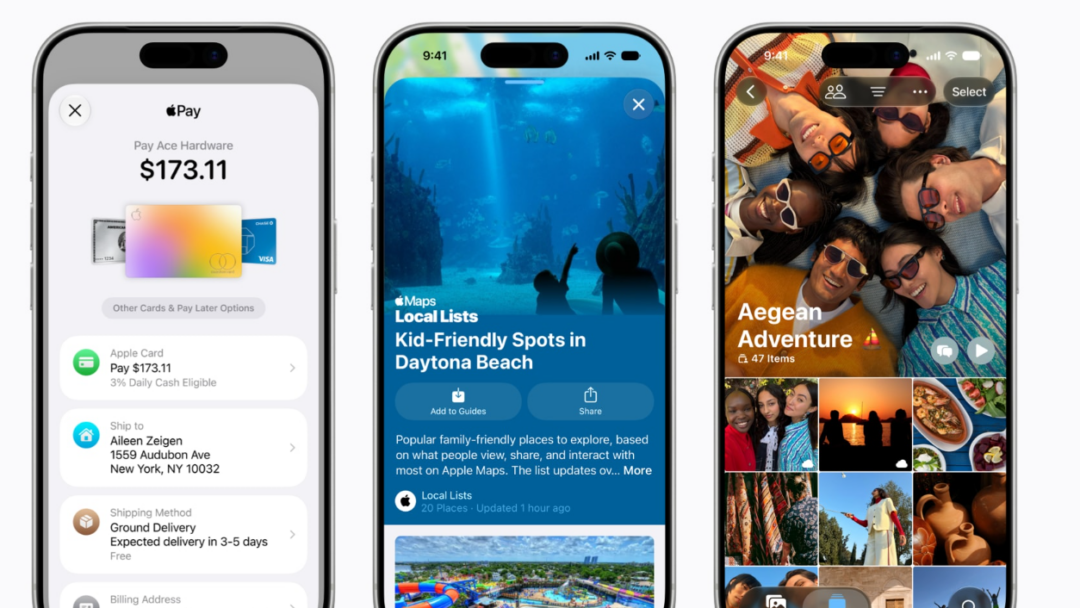
Apple framed this around iPhone Mirroring on macOS and apps running on iPad, where resizable iOS apps are now supported. Apps rebuilt against the latest SDK are automatically opted into resizability, and SwiftUI apps that already use the scene lifecycle are described as well on their way to full support. Apple also added a resizable iOS simulator and Previews in Xcode so developers can test layouts across many screen shapes.
The reasoning goes further than mirroring and iPad, though. Asking every iOS app to reflow across a wide spread of sizes and aspect ratios makes the most sense if a phone can open up to a much larger inner display. That is exactly how a book-style foldable behaves.
What the foldable iPhone is expected to be
The device these references are pointing at is widely expected to be called the iPhone Ultra, and to arrive in September 2026 alongside the iPhone 18 Pro and iPhone 18 Pro Max. Because it would ship in that window, it would run iOS 27 out of the box.
| Detail | Rumored spec |
|---|---|
| Design | Book-style fold with a 4:3 aspect ratio |
| Inner display | Around 7.8 inches |
| Cover display | Around 5.5 inches |
| Biometrics | Touch ID instead of Face ID |
| Frame and hinge | Titanium frame with a Liquid Metal hinge |
| Cameras | Dual rear cameras, no telephoto |
| Chip and modem | A20 chip, C2 modem |
| Starting price | Over $2,000, the most expensive iPhone to date |
On the software side, the foldable is expected to support side-by-side app multitasking and iPad-style layouts when opened. That matches a rumored blend of iOS and iPadOS, where apps not built for a foldable can scale automatically to fill the larger inner screen.
Leaked design models point to a white-only launch color and a round punch-hole selfie camera on the inner display, though the cover screen cutout could still change.
Apple has not confirmed the foldable iPhone, and no official name or launch date has been announced. But once you know the shape of the hardware, code that reports a fold state, a hinge angle, and a second built-in display is hard to read as anything else. The iOS 27 beta has effectively shown its hand months before the phone is meant to appear.