
Resource shortages in Palworld disappear once you stop mining by hand and start letting your Pals do the work around the clock. The reliable method is to split production across several dedicated bases, each one tuned to a single material and staffed with Pals whose work suitabilities match the job. Leave them running and the storage boxes fill on their own.
Quick answer: Build a separate base for each resource (ore, coal, sulfur, wood, stone), assign work-suited Pals such as Tombat to mining bases, add ranches for animal drops, then leave the bases active so they stockpile materials automatically.

How the multi-base farming loop works
Each base can hold up to 20 Pals, and those Pals keep working while the base is loaded. Instead of forcing one camp to mine, chop, craft, and cook all at once, you give every base a single focus. A base placed on an ore-rich spot with mining Pals will keep breaking nodes and hauling the ore into storage, so returning after a long session leaves you with thousands of a material you never touched.
The setup cost is small. Wood, stone, fiber, and a little palladium in low quantities cover most of the structures you need. The only demanding part is the raid farm covered further down, which benefits from stronger, higher-level Pals.
Set up dedicated resource bases
Start with three mining bases built directly on ore deposits and staff them with Tombat, which handles mining well. Let them run through a long session and you will not need to gather ore again. Repeat the same pattern for the other raw materials so each has its own base steadily refining into storage.
| Base type | What it produces | Notes |
|---|---|---|
| Mining bases (x3) | Ore, coal, sulfur, stone | Place on deposits; staff with Tombat |
| Wood base | Timber | Basic Pals are enough |
| Ranch bases | Animal drops (ingredients, materials) | One base per ranchable animal |
| Cooking/refining base | Ingots, cooked food | Keep separate from gathering |
Give each ranchable animal its own base rather than crowding them. You can add as many ranches as you want inside a single base, but the 20-Pal cap still applies, so spreading them out keeps every ranch productive. Ordinary, easy-to-catch Pals are fine for most of these farm bases since the goal is volume, not power.
Line up refined metal and material storage boxes in a tight row so hauling Pals do not get stuck pathing between scattered containers.

Build a self-sustaining AFK base
One base should be able to run unattended. Stock it with 2,000 to 5,000 units of food so the Pals never go hungry. Salad works well because it is easy to automate, though any food you can produce reliably is fine.
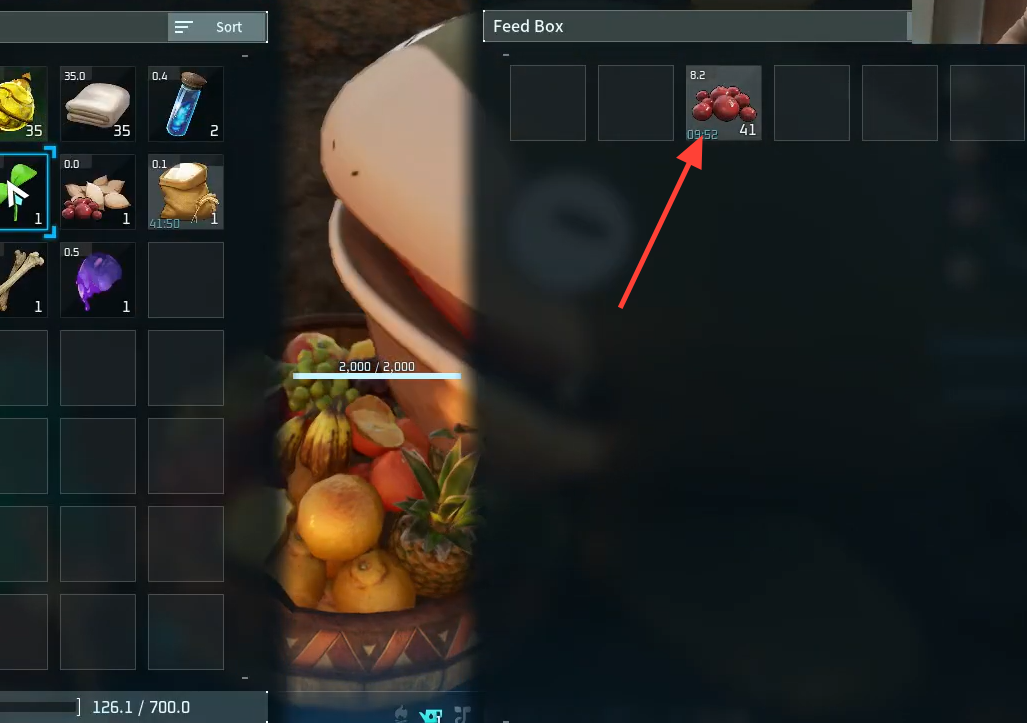
The legendary recommendation is only for peak end-game throughput. The farms themselves do not require legendaries. The raid farm is the exception, and even that can run with Pals close to your own level if your character level is low enough.

Raid farming for souls, schematics, and keys
Leaving a well-defended base active draws raids, and defeating them pays out the items you cannot mine. Cleared raids drop Pal souls across every level, precious parts, technology points, keys, treasures, cake, and large amounts of gold. Manuals and level 4 schematics come from this loop too, which makes it the most valuable of the farms.
Raids also cycle rare Pals into view. Spotting them during defenses tells you which habitats to visit later to round out your Paldeck. To farm bosses on top of this, place bases near boss lairs and rotate through them, capturing rather than killing so you keep the Pal.
Getting past the base cap
Vanilla Palworld limits you to three bases, which caps how many parallel farms you can run. There are two ways around it.
- Use a mod that raises the limit to 128 bases. It works in multiplayer, though you should ask the admin first if you are not the one running the server. The mod is hosted at Nexus Mods.
- Stay vanilla and lean on additional players or alt accounts. Each account grants three bases, so several accounts together reach the base count you want. Only one account needs to stay active at a time, though this takes more setup.
If neither route appeals, two farm bases plus one main base still works. The scale is smaller, and output is slower, but the same loop holds.
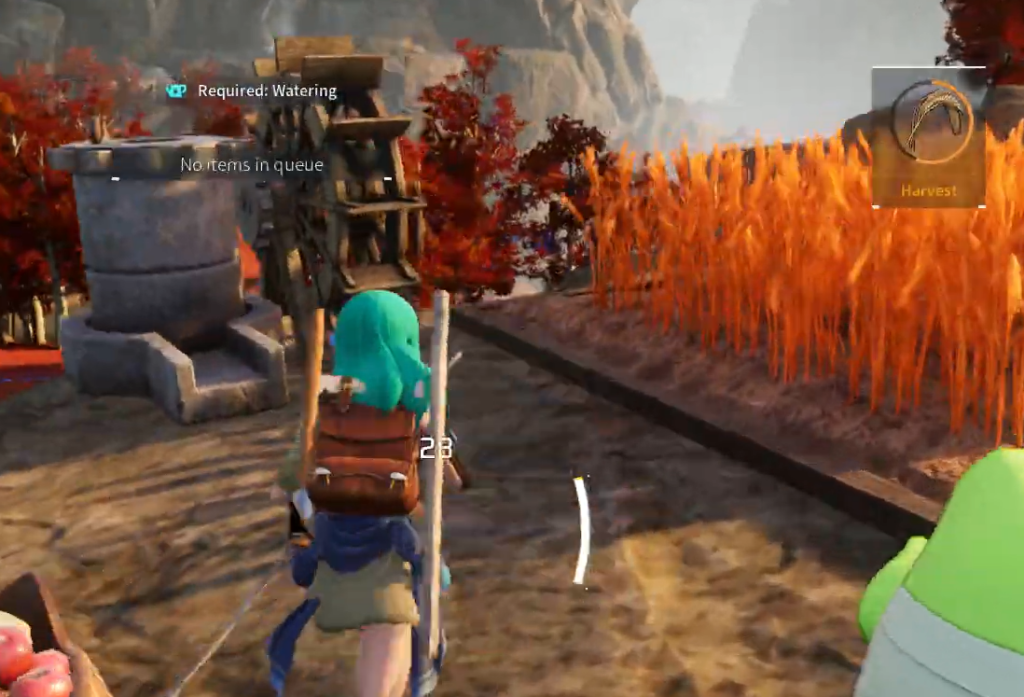
Speed up production with World Settings
The World Settings menu exposes sliders that multiply how fast your bases work. Raising these values shortens the time needed to stockpile everything, which is especially useful if you cannot keep a base loaded for long stretches.
| Setting | Effect |
|---|---|
| Work Speed Multiplier | Faster crafting, mining, and hauling |
| Grazing Item Production Rate Multiplier | More output from ranch animals |
| Pal Capture Rate | Easier catches for stocking bases |
| EXP Rate | Quicker leveling of your Pals |
| Structure Deterioration Rate | Slower decay when lowered, less repair upkeep |
How to know the setup is working
Check your storage boxes after a long session. Full or near-full containers of ore, ingots, and cooked food confirm the loop is running. Cleared raid rewards showing up in the raid base is the sign that defense farm is paying out.
If a base stalls, the usual causes are simple. Pals stop when food runs out, so an empty feed box halts everything. Scattered storage makes hauling Pals get stuck, which is why a single tight row of boxes matters. And oversized Pals crammed into a small base block movement, so keep those out of high-traffic farms.
Run these bases together, and the game stops being about scarcity. Between the resource farms and the raid loop, you can end up with thousands of every ammo type, stacks of spheres, millions of gold, and enough leftover materials to keep building without ever gathering by hand again.