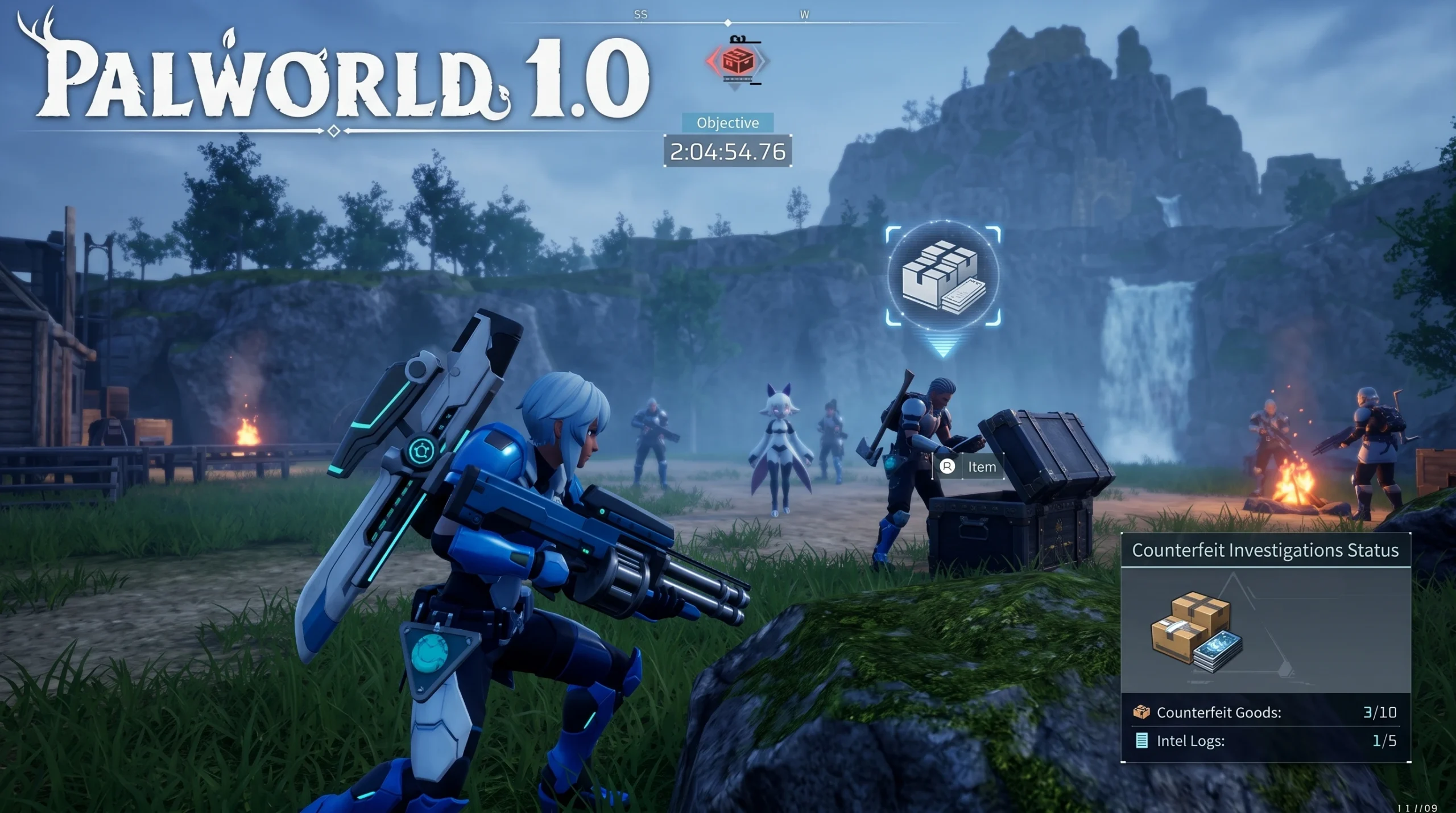
Base raids in Palworld throw waves of hostile humans or wild Pals at whatever base you happen to be standing in. They normally fire off at random, and they lean toward triggering while you are actually present at a base rather than out exploring. But there is a dependable way to start one the moment you want it, instead of waiting for the game to roll the dice.
Quick answer: When the raid warning appears, and the negotiator walks up to your base offering to call the attack off for money, kill or capture the negotiator instead of paying. The raid starts immediately, before the countdown runs out.
What has to be true before a raid can happen
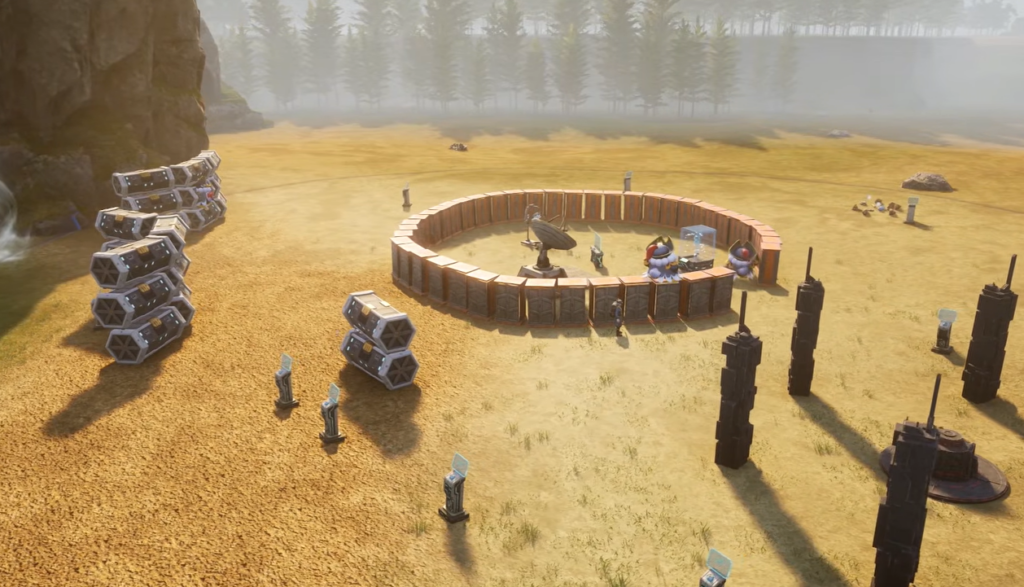
Raids only exist once you have built a base, and they only ever hit one base at a time. If you own several bases, the others stay untouched while one is under attack. A couple of conditions decide whether the game can spawn attackers at all.
- Raid events must be enabled in your World Settings. You set this by customizing your difficulty before entering a save, and it can be toggled on or off later through the same menu.
- The raiders need a valid path and a place to spawn. Bases perched on steep or hard-to-reach terrain can block spawns entirely, which is why some cliff and tower locations are effectively raid-proof.
- Your base level sets the difficulty. Higher base levels bring more waves and stronger enemies.
Force a raid to start on demand
If you would rather wait it out, ignoring the negotiator lets the timer expire, and the raid begins on its own. Killing them simply removes the wait.
How you know the raid actually started
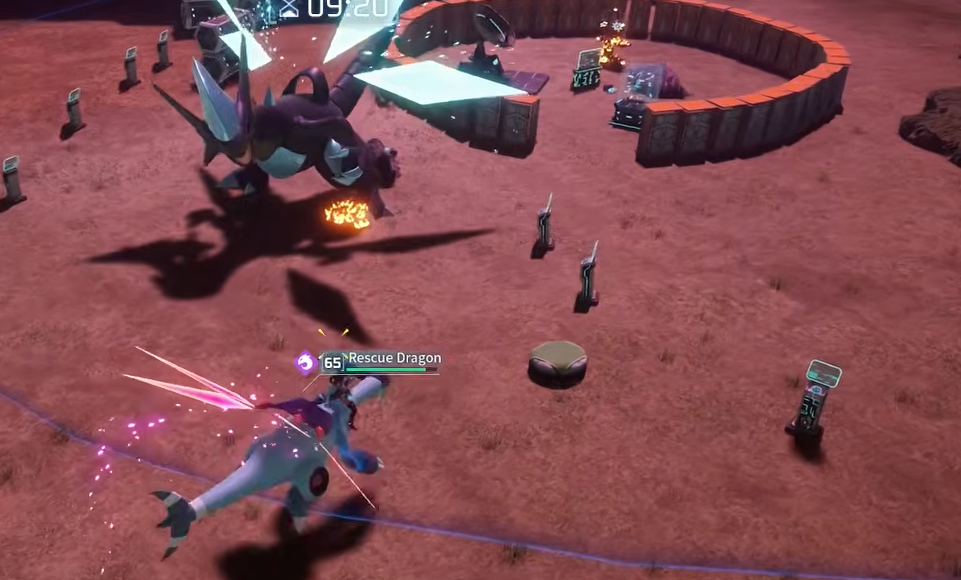
You will see attackers spawn at a distance with red exclamation marks over their heads, then close in on your base. They can target you, your Pals, and your structures all at once. The raid ends only when every attacker is defeated, or when enough time passes that the survivors withdraw.
Early base levels usually send one or two waves per raid. Higher base levels can stack three to five waves, so the fight lasts noticeably longer as your base grows.
Which factions show up in a base raid
The pool of possible attackers is built from several groups, and the levels you see depend on the raid grade, which tracks your base level. Human factions bring mixed squads of ranged and melee units, while wild Pal herds send packs of a single or paired species.
| Raid group | Typical enemies | Level range |
|---|---|---|
| Syndicate | Thugs, Gunners, Grenadiers, Swordsmen, Laser Riflemen, Elites | 10–50 |
| Free Pal Alliance | Believers, Judicators | 15–50 |
| Brothers of the Eternal Pyre | Martyrs | 20–32+ |
| Wild Pal herds | Leezpunk, Direhowl, Incineram, Lovander, Relaxaurus, Nitewing, Mammorest and more | 5–39 |
Watch for Fire-type raiders in these packs. Their attacks can set wooden structures alight, and once a fire spreads far enough, those buildings are usually a lost cause. Building in Stone instead of wood removes that risk.
Why a raid might not trigger
If the negotiator never appears or attackers refuse to spawn, one of a few things is usually in the way.
- Raid events are turned off in World Settings. Re-enable them before expecting any raid at all.
- Your base sits somewhere raiders cannot reach. Tall, sloped, or isolated spots can stop spawns, and known safe locations like elevated cliff and tower bases rarely see a raid even trigger.
- You are far from the base. Raids can still hit while you are away, but they are much more common when you are on-site.
- You exited to the main menu. Returning to the title screen unloads the world and despawns raiders, clearing the raid entirely once you log back in.
One last thing worth planning for. When you deliberately start a raid, swap weak worker Pals out for combat Pals from your Palbox and equip real weapons and armor first. Low-level base Pals fold fast against higher-grade raiders, and once the negotiator is down there is no backing out of the fight.