Coins are the only currency that matters in Alliance Tower Defense. They pay for summons, they pay for in-match upgrades, and they gate every unit stronger than the basics you start with. The fastest way to accumulate them is not chasing higher difficulties before your roster can handle them — it is running a short, repeatable map you can clear on autopilot.
Quick answer: Queue City on Easy Mode in a 1-player lobby, place your full 10 units in a tight cluster near the enemy spawn, upgrade them to max one at a time, then flip on Auto Skip. A clear pays 100 coins in 20 waves, and even a wipe on the final wave still pays out roughly 76.
Coin payouts by map and difficulty
Higher difficulties pay more, but they also run longer and fail harder. The math that matters is coins per minute, not coins per clear — and a 20-wave Easy run you finish every time beats a 40-wave Hard run you lose halfway through.
| Map and mode | Waves | Coin reward |
|---|---|---|
| City — Easy Mode | 20 | 100 |
| City — Medium Mode | 30 | 275 |
| City — Hard Mode | 40 | 500 |
| Camera Lab — Insane Mode | — | 850 |
Servers hold up to 35 players, but the reliable farm is a solo queue. Public lobbies introduce skip votes and teammates who drop out of the match circle at the last second, which forces you back to the lobby with nothing to show for it.
The Easy City farm loop
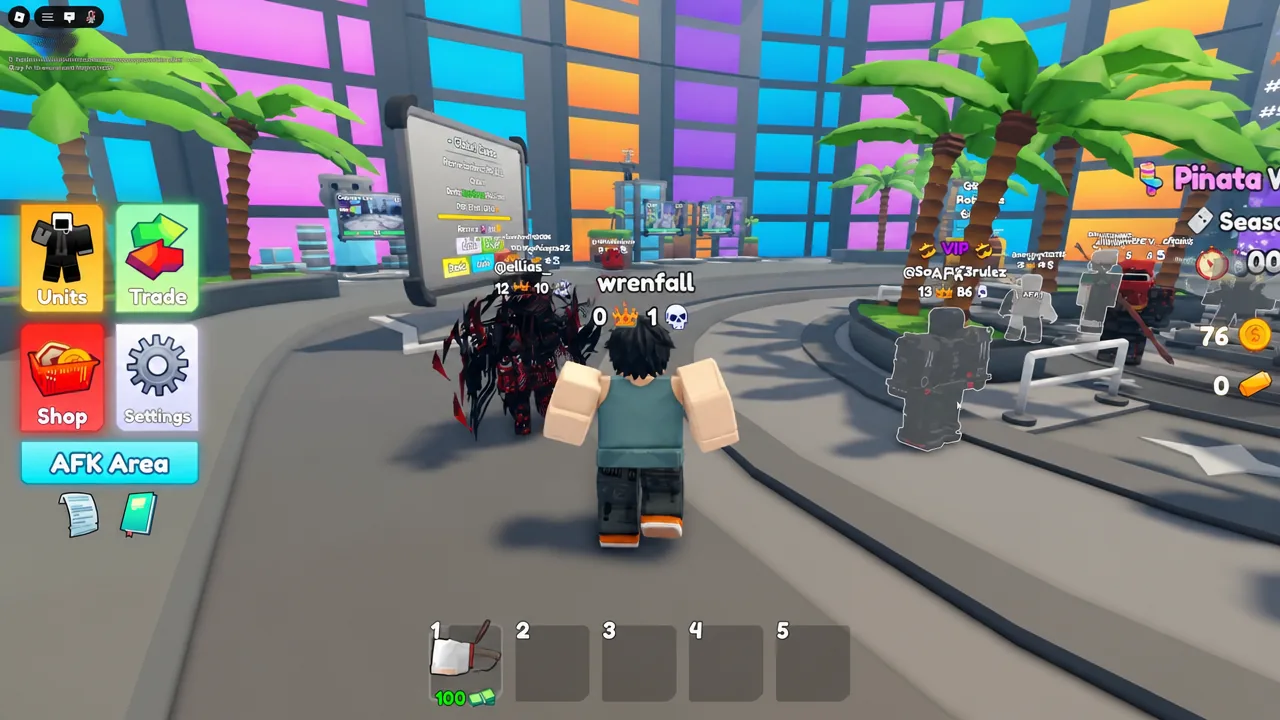
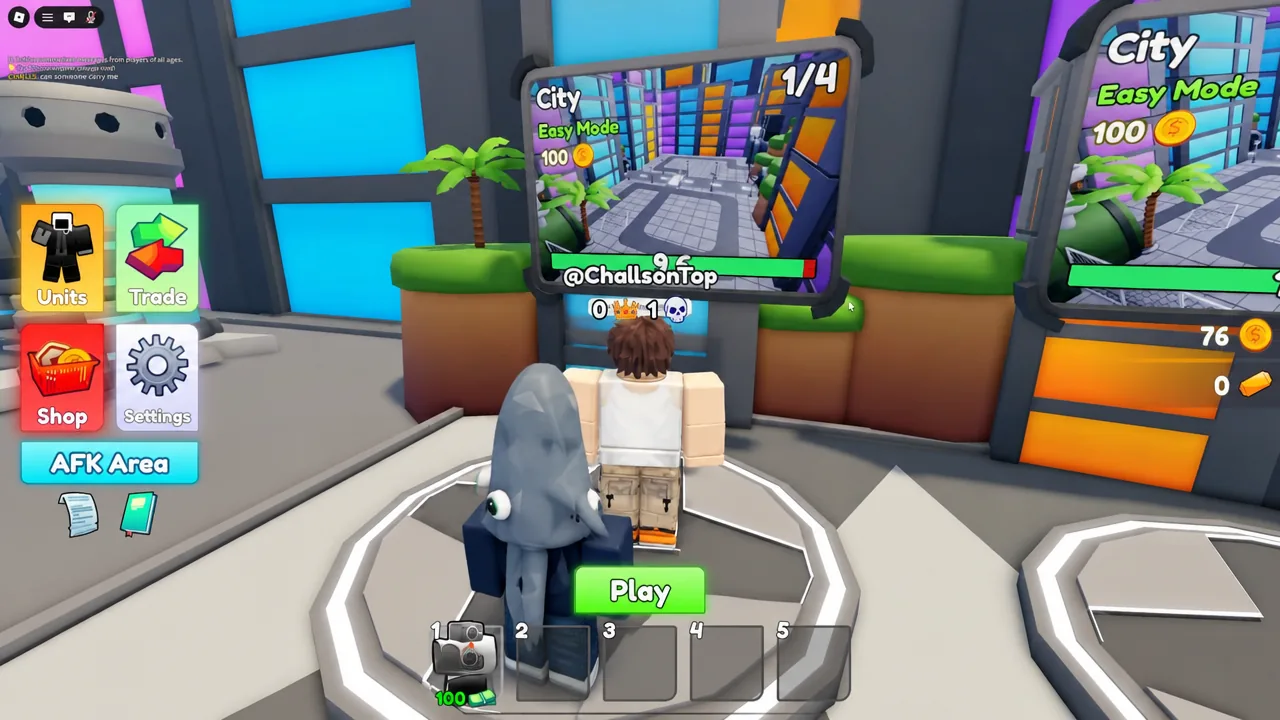
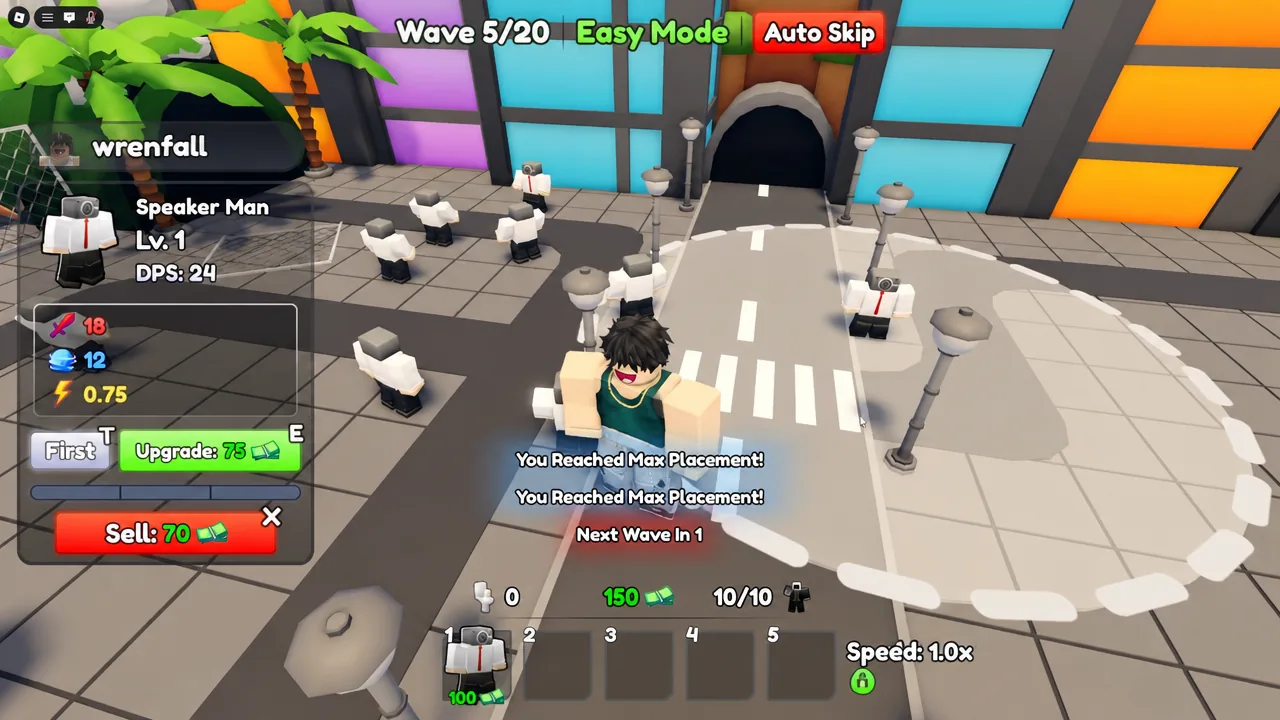
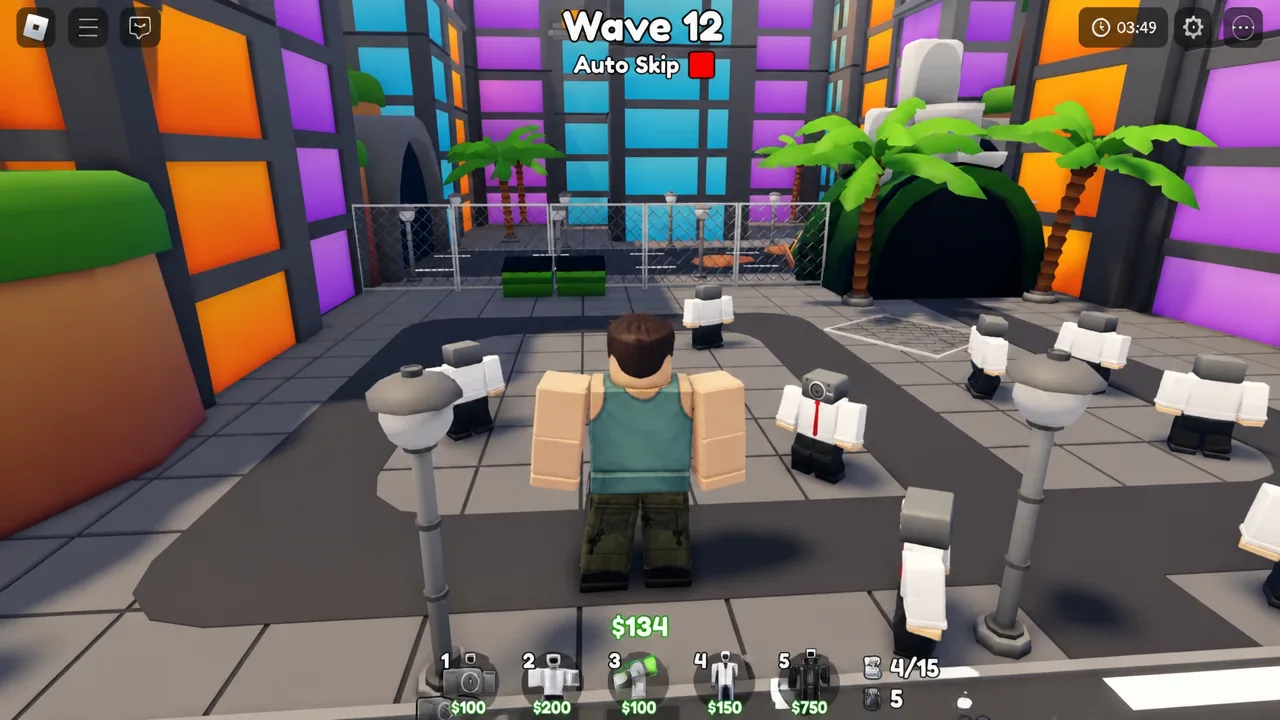
Note: leave Auto Skip off until your units are actually maxed. Skipping into a wave your damage cannot handle removes the buffer you would otherwise use to bank coins between waves.
Upgrade costs and DPS scaling
Upgrades are where in-match coins go, and the return is steep. A basic Speaker Man nearly quadruples its damage between level 1 and its cap, for a total of 300 coins spent across three upgrades.
| Speaker Man level | DPS | Upgrade cost | Sell value |
|---|---|---|---|
| 1 | 24 | 75 | 70 |
| 2 | 41.7 | 100 | 123 |
| 3 | 66.2 | 125 | 193 |
| 4 (max) | 92.3 | — | 280 |
Rarer units scale further. Camera Man, an Uncommon, runs from 48 DPS up to 150, while the Rare Camera Woman goes from 55 to 260. Cameraman is the standard early carry for a solo Easy City clear precisely because one maxed body can hold the lane on its own, freeing you from juggling ten separate upgrade paths.
Wave 20 and the G-Toilet boss
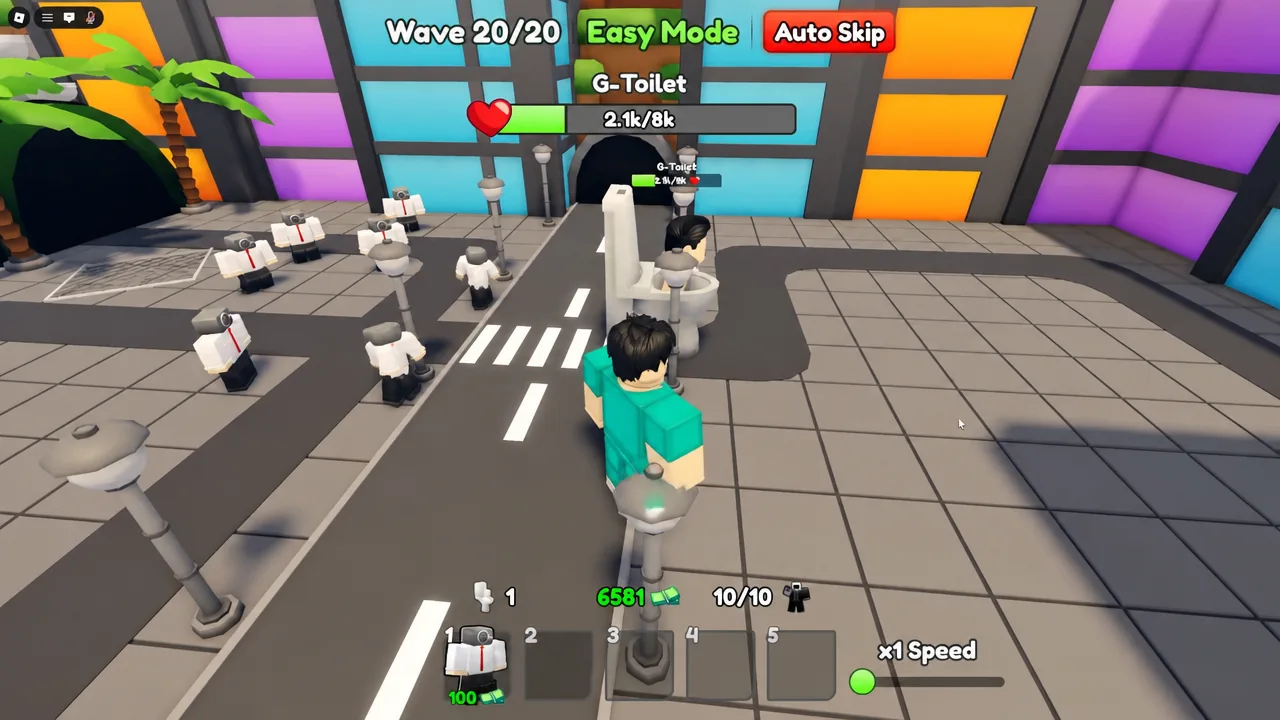
Easy City ends with a G-Toilet boss carrying 8,000 HP. It is the single point where an undercooked cluster falls apart — the boss walks through insufficient damage and reaches the Camera Base, ending the run.
Losing there is not a total write-off. A wipe on wave 20 still paid out 76 coins, against the 100 you would have banked for a clear. That partial payout is why the loop stays worth running even while you are still learning the map, but it is also why maxing your units before the boss arrives is the difference between a 76-coin run and a 100-coin one.
Coins outside of matches: quests, the Spin Wheel, and codes
Global Quests track cumulative progress and pay out on the lobby board. Defeating 1,500 toilets, for example, returns 150 coins and 150 XP — enough for a full single summon on its own. Check the board every few runs, because the rewards sit there until you claim them.
The Spin Wheel needs tickets to use, and its prize pool is worth more than a single match. Coin payouts range from 250 up to 5,000, with the rest of the slots holding 10% and 15% XP and coin boosts. Save a spin for a session where you plan to grind, so a coin boost lands on top of your runs rather than going to waste.
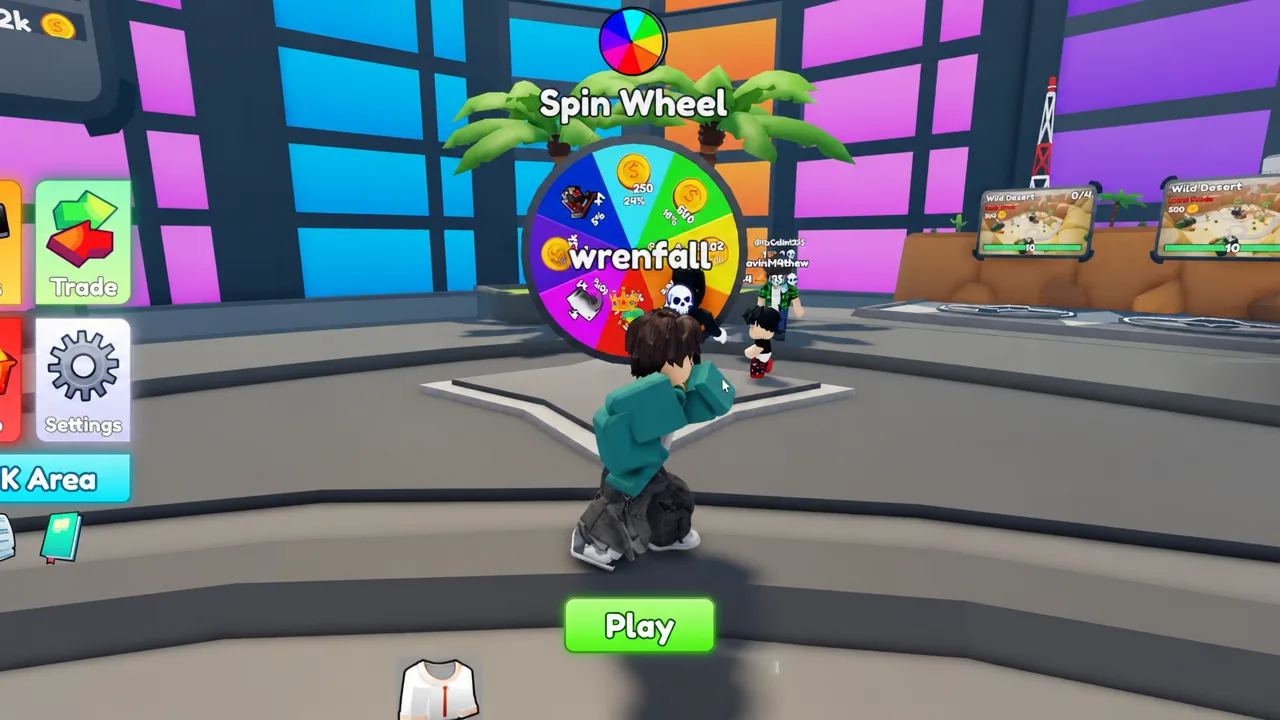
Codes are the fastest free coins available. BIG pays 555 coins. Redeem it by opening the Shop from the lobby, scrolling to the text box at the bottom of the menu, typing the code exactly as written, and hitting redeem. Capitalization matters and trailing spaces will fail. You will know it worked because your coin balance updates immediately; if nothing changes, retype it rather than assuming the code is dead. Codes in this game are time-limited, and several older strings have already been marked expired.
Summon costs and drop rates
Summons are the coin sink. A single pull costs 100 coins and a 10x pull costs 850, so bulk pulling saves 150 coins over ten singles. There is no reason to summon one at a time unless you are 100 coins short of a batch.
| Rarity | Drop rate |
|---|---|
| Basic | 49.9% |
| Uncommon | 35% |
| Rare | 10% |
| Epic | 4% |
| Legendary | 1% |
| Mythic | 0.1% |
At those odds, roughly 85% of what you pull is Basic or Uncommon. Keep a reserve — around a third of your pile — rather than dumping everything into the altar the moment it hits 850, because the coins you keep are what pay for in-match upgrades on your next few runs.
When to move up from Easy City
Move to Medium Mode only after Easy City is a guaranteed clear with Auto Skip on. Medium runs 30 waves for 275 coins, and it throws denser waves at the same funnel, so probe it in a 1-player queue with skip turned off until you know your cluster holds. Crazy and Insane sit above it on the picker, with Camera Lab’s Insane queue paying 850.
Timed 2x coin windows appear in the game’s title on Roblox from time to time. If one is live, that is the moment to run your farm loop back to back, since it doubles the return on runs you already know how to finish. Multipliers like the x2 COINS! pass are worth considering only after Easy City is free, not as a substitute for learning the funnel — and be aware that unit stats and mode payouts get adjusted on the game’s weekly update cadence, so re-test your core after a patch lands.