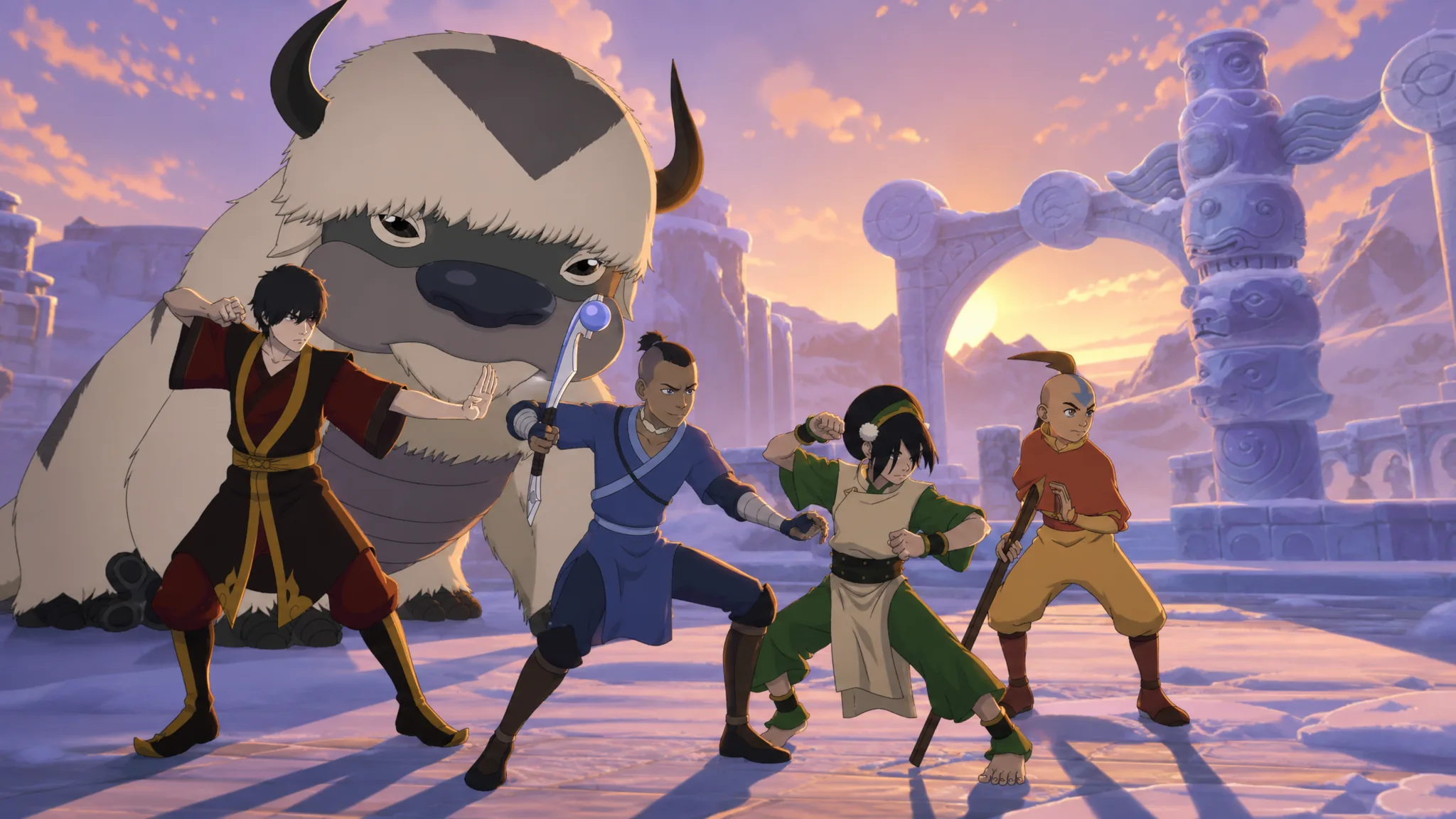
The launch roster for Avatar Legends: The Fighting Game packs twelve fighters, and they are not created equal. Some hit hard the moment you pick them up, while others reward long practice before they pay off. The ranking below sorts the whole cast by how strong each fighter feels in launch-week play, from the standout at the top to the pair that still needs work.
Quick answer: Azula is the strongest launch fighter and sits alone at the top. Toph, Korra, and Katara form the next group down, and Zuko and Sokka are the two that currently need the most effort to win with.
Full launch tier list for every fighter
| Tier | Fighters |
|---|---|
| God | Azula |
| S | Toph, Korra, Katara |
| A | Aang, Avatar State Aang, Nightmare Korra, Zaheer, Ozai |
| B | Kyoshi |
| C | Zuko, Sokka |
Why Azula sits above everyone
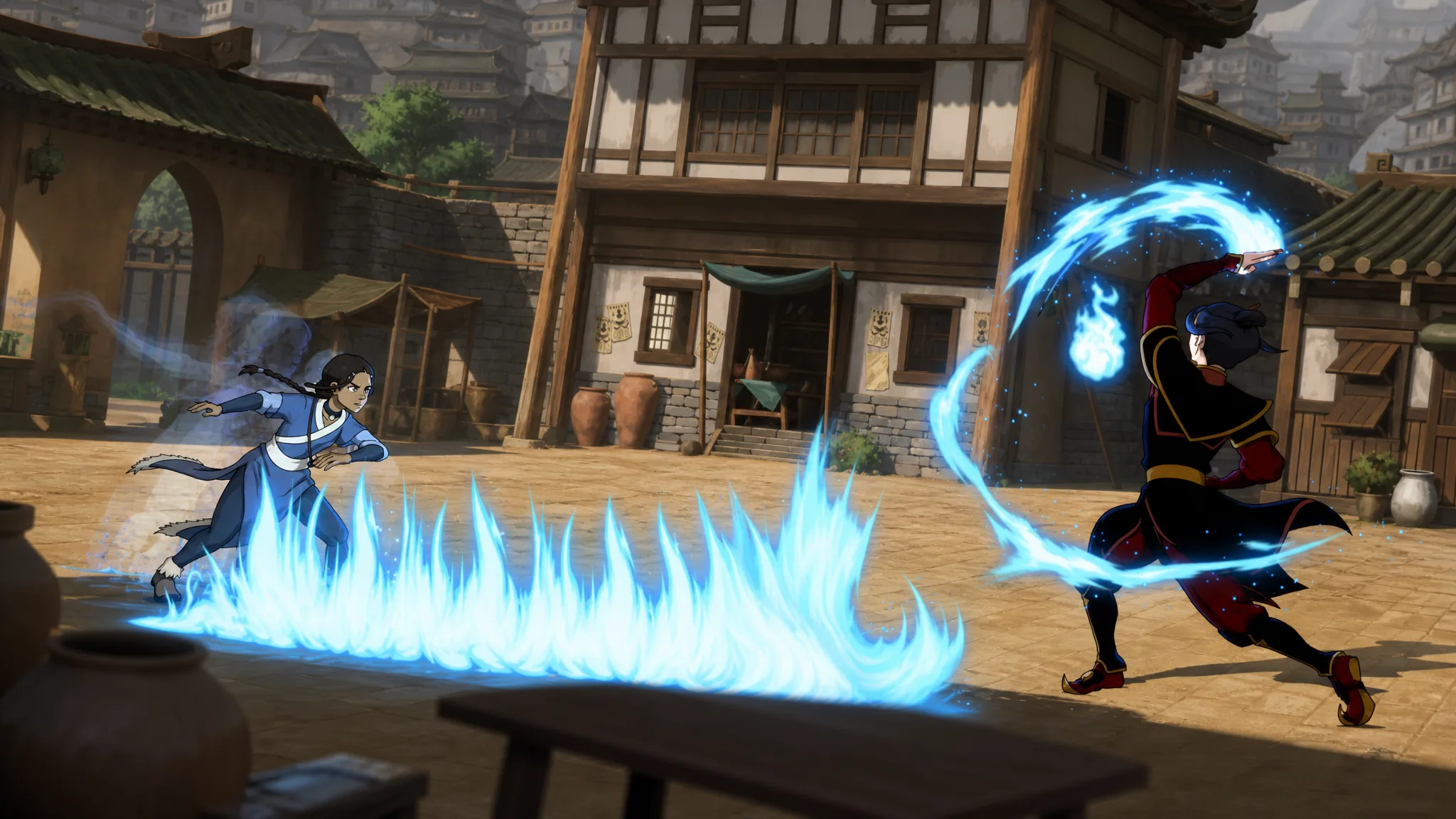
Fire Lord Azula covers every job at once. She zones, she sets traps with her fire carpet and fire kisses, and she moves fast thanks to strong Flow options. Once she pins you in the corner, her damage output ends rounds quickly. Because no other fighter matches that mix of speed, range, and pressure, she earns a tier of her own.
The S-tier core: Toph, Korra, and Katara
These three share complete kits with almost no gaps. They deal heavy damage without demanding perfect execution, though the highest-level combos are there for players who want them.
Korra is a rushdown threat who chains long combos, carries opponents across the screen, and bullies them into the corner. Toph builds armor, dashes in, and sets rock traps, which lets her play aggressively despite her weight class. Katara leans on tricky mixups through Water Whip Stance combined with Flow, letting her jump over an opponent and land an overhead. Toph in particular is flagged as an early balance concern, so expect her tools to draw attention in the first patches.
A-tier fighters that reward practice
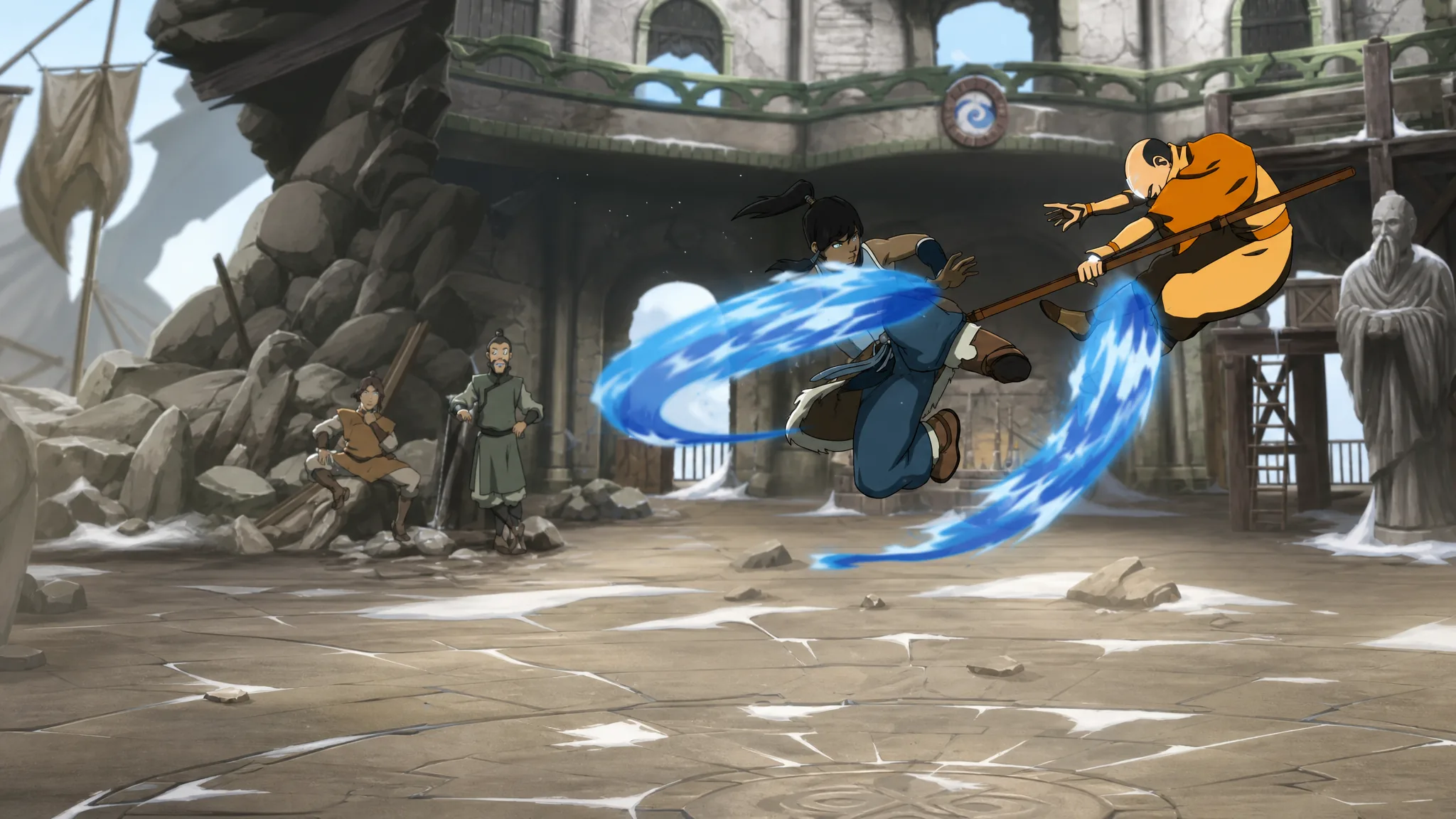
The A-tier picks are solid but ask for more setup time than the fighters above them. Aang and Avatar State Aang play alike, both built around movement-heavy setups that suit players who enjoy slippery, evasive characters. Nightmare Korra trades some versatility for higher damage, and her movement keeps her a step below her standard version.
Zaheer stands out for the setups he creates by summoning his Red Lotus allies, and he has clear room to climb with more time. Ozai is a grappler who lands a lot of damage off throws while still having reach and speed, which makes him a viable heavy-hitter rather than a liability.
B and C tier: Kyoshi, Zuko, and Sokka
Kyoshi lands in B-tier because her strengths and weaknesses pull hard in opposite directions. Her specials reach farther than anyone else’s, but her walk speed and jump are slow unless she spends Flow, which you would rather save. Her grab super also demands precise timing to land, a familiar trade-off for grappler players.
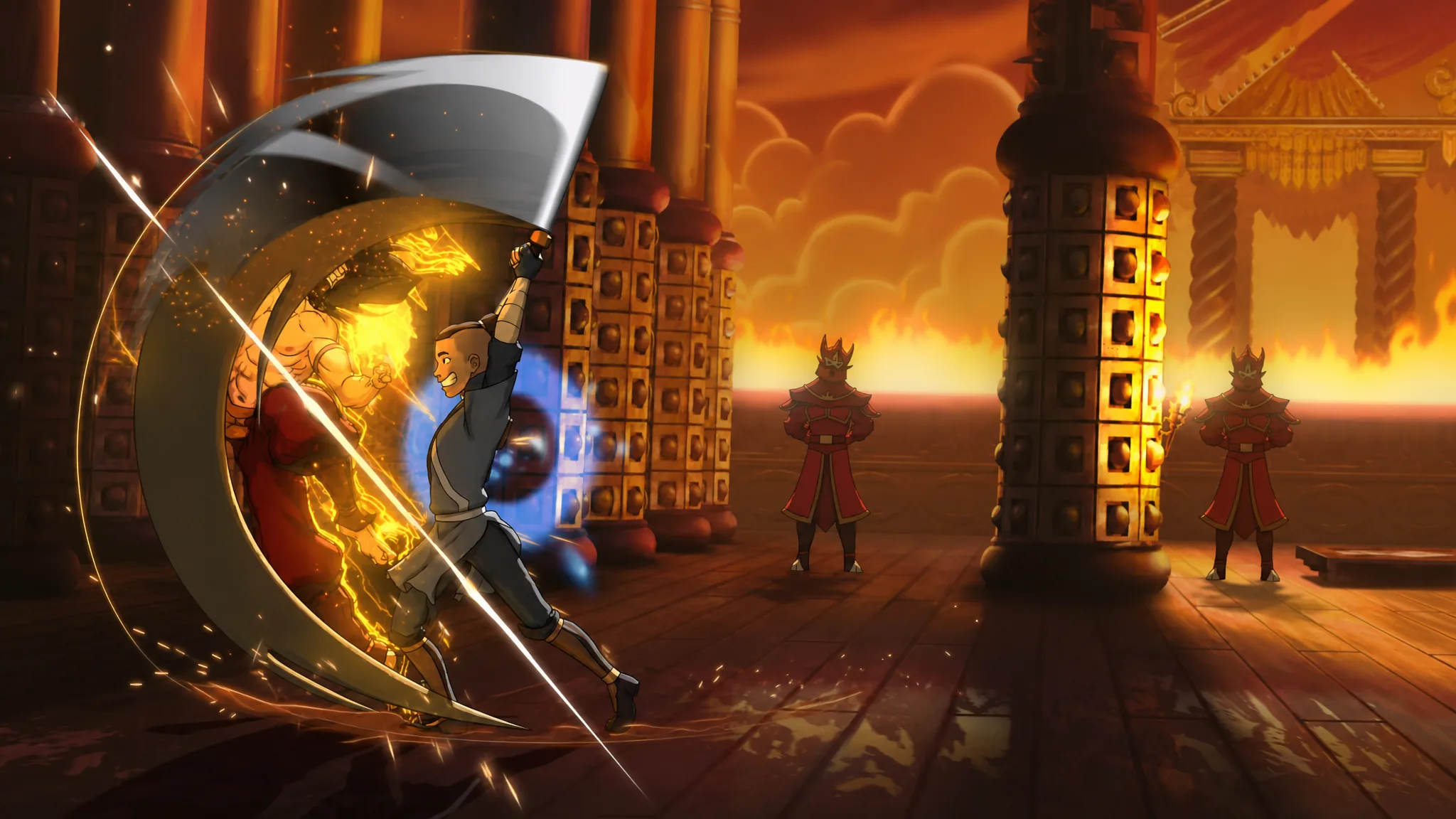
Zuko and Sokka round out the bottom. Zuko’s kit is fun to run, with divekicks and stylish tools, but his damage output falls short and the game offers little sustained ranged play to lean on. Sokka has promising pieces, including three boomerang angles, yet his run feels awkward and he has to wait for the boomerang to return or pick it up. Some players expected Sokka to rank high, but he is not showing that in current matches.
Note: A low placement here is not a lockout. With enough practice, any fighter in this roster can win, so the bottom tiers mark difficulty and effort, not dead ends.
How this ranking was decided
Placements weigh mobility, damage output, defensive tools, ease of execution, and how well each fighter’s Flow options and support pairings hold up. Support choice can shift a fighter’s viability, so treat these ranks as a starting read on the point character rather than a fixed verdict.
This ranking reflects launch week following the July 23, 2026 release on PS5, Switch, and Steam. A fighting game meta moves fast, and balance patches plus tournament results will reshape these tiers over the coming weeks, so revisit after you have logged your own ranked matches.