
Path of Idle: Old Gods Rising drops the whole fight onto your team composition. Combat runs on its own once it starts, so the classes you bewitch into Godsworn decide whether a stage clears or stalls. Six classes exist in total, and they are far from equal once you push into higher difficulty.
Quick answer: Build around a Cleric and a Warrior. The Cleric buffs your squad’s damage and heals continuously, while the Warrior tanks, deals reliable damage, and can summon extra units past the three-Godsworn limit. Add a Mage for ranged area damage to round out the core team.
Class rankings for Path of Idle: Old Gods Rising
No class is truly useless once you learn its talents and gear. Some, though, are stronger by default or far easier to build. Here is how the six classes sort out.
| Tier | Class | Main role |
|---|---|---|
| S | Cleric | Support, healing, party-wide DPS buff |
| S | Warrior | Melee damage/tank hybrid, summons extra units |
| A | Mage | Ranged elemental and AoE damage |
| A | Priest | Melee class with magical abilities, flexible builds |
| B | Hunter | Standard ranged archer damage |
| — | Mercenary | Not yet fully evaluated |
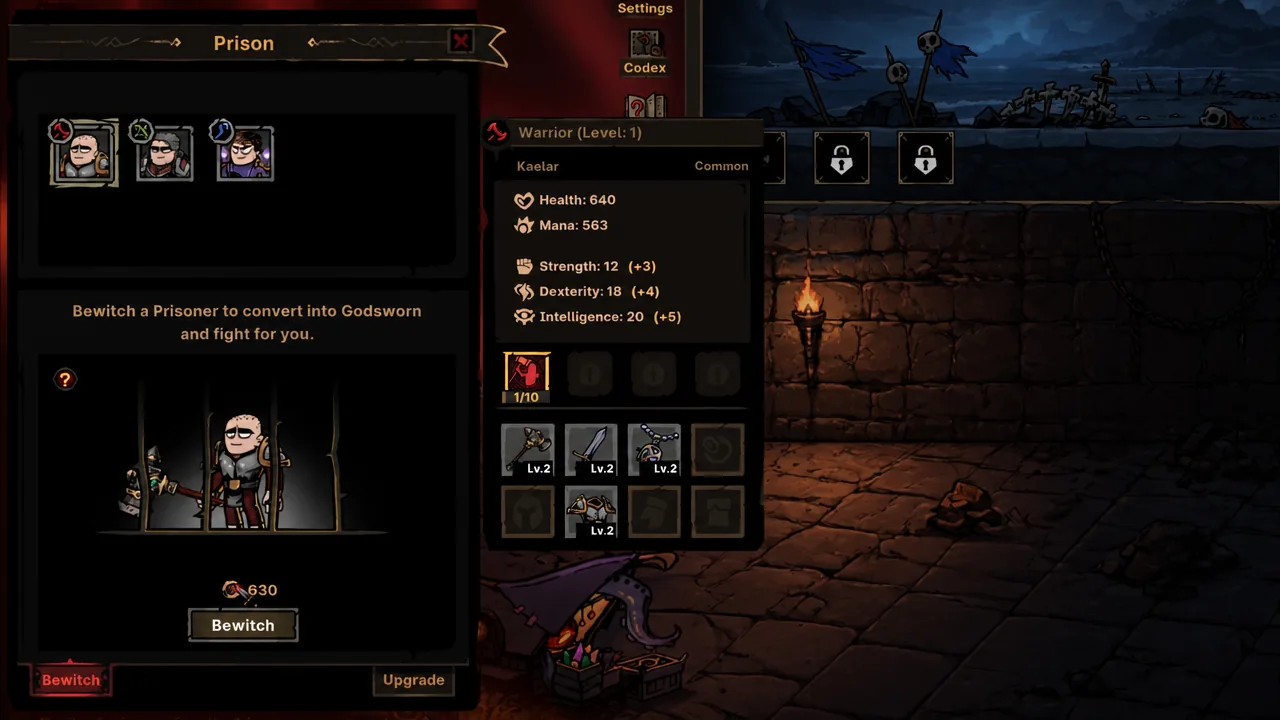
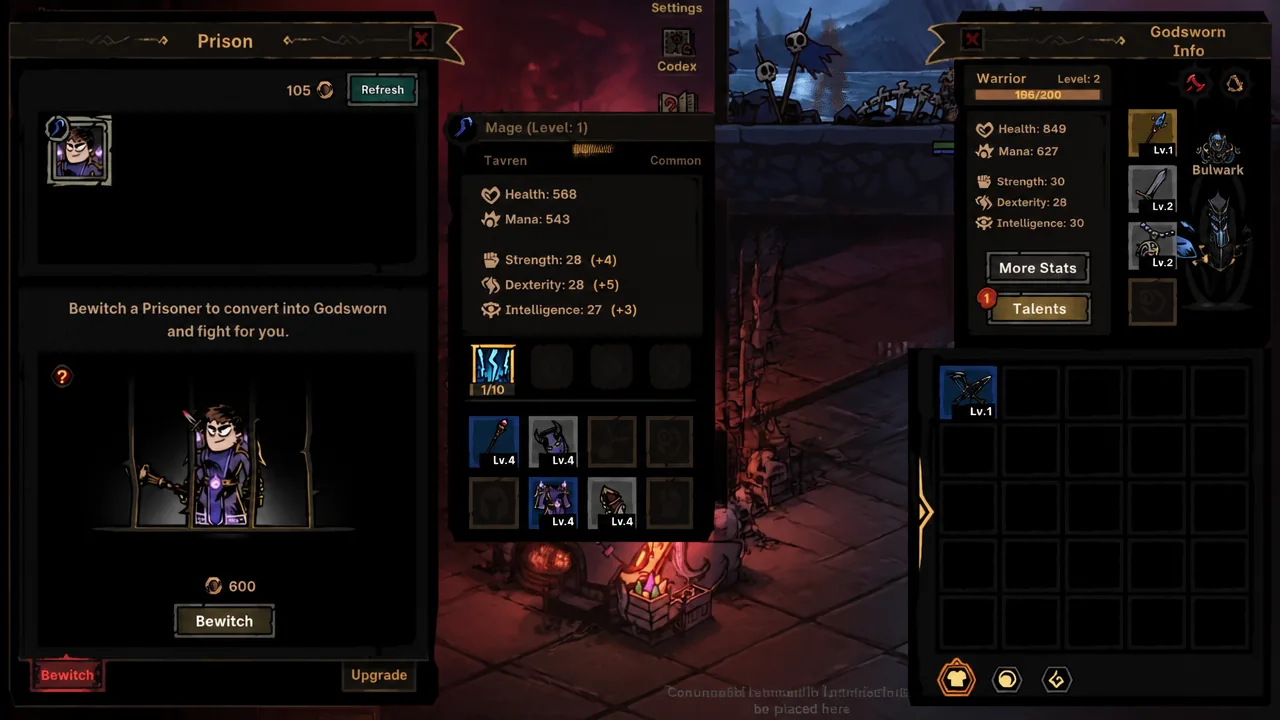
At the very start you only get to choose between Hunter, Warrior, and Mage. The other classes come into play as you recruit and bewitch more exiled prisoners into Godsworn over the course of the game.
Cleric: the strongest support
The Cleric does little on its own. Its solo damage is low, so a lone Cleric will struggle to make a dent. Placed in a team, it becomes the single most valuable pick you can make.
Its job is twofold. It raises the overall DPS of every ally, and it keeps the party alive with sustained healing throughout a fight. That constant healing is what lets you push into the harder stages, where damage output alone stops being enough. Its healing and attack stats both improve as you upgrade it, so the class scales with your progress rather than falling off.
Warrior: the flexible melee anchor
The Warrior is the most basic melee option and also the most versatile. It brings strong damage and dependable durability, and that survivability climbs even higher when a Cleric is healing it from the back line.
What sets the Warrior apart is its summoning ability. Instead of being capped at three Godsworn on the field, a Warrior can call in extra support units to fight alongside the party. Builds are open too, letting it lean toward pure damage, pure tanking, or a hybrid of both. Pairing it with a Cleric produces a survival squad that absorbs heavy damage while the Cleric tops it off.
Mage: the easiest ranged pick
The Mage is the most beginner-friendly ranged class thanks to its elemental attacks and area-of-effect damage. You can commit to specific elements and lean into moves that hit multiple targets at once.
Enemies in this game tend to bunch up, especially around a front-line Warrior, which sets them up perfectly for splash damage. The trade-off is fragility. Mages have low health compared with other classes, so they rely on a tank to hold aggro. Their ability to wipe out whole waves makes that weakness worth managing, and having at least one ranged damage dealer feels close to essential.
Priest, Hunter, and Mercenary
The remaining classes fill more situational roles. The Priest is a melee class that fights with magical abilities, and it is one of the most complex to build. That complexity is also its appeal, since it opens up unusual setups. A Bone Chill build, for example, turns the Priest into a serious damage dealer that can still support the rest of the party. The learning curve is the only reason it sits a step below the top picks.
The Hunter is the game’s standard archer. It puts out decent ranged damage, but its builds are fairly one-dimensional compared with the Mage, which offers more playstyle variety for a similar role. The Mercenary rounds out the six classes and has not been fully tested yet, so its place in the ranking is still open.
How to build your core team
The classes are designed to lean on each other, so the pairings matter as much as the individual picks. A few combinations do most of the heavy lifting.
- Warrior + Cleric: a survival core, where the Warrior soaks damage and the Cleric heals and buffs it from behind.
- Warrior + Mage: the Warrior gathers enemies into a cluster and the Mage clears them with AoE splash damage.
- All three together: a Cleric buffing a Warrior and a Mage covers healing, front-line durability, and wave clearing at once.
If you want a team that holds up as difficulty climbs, prioritize the Cleric and Warrior first, then slot in a Mage for ranged coverage. From there, the Priest is worth experimenting with once you are comfortable managing a more involved build, while the Hunter works as a backup ranged option. Path of Idle: Old Gods Rising is available on Steam for Windows and macOS, so you can start testing these pairings on either platform.