The purple puzzles are Big Walk’s endgame. Once the first ending plays, seven new challenges appear across the island you have already walked, and they are harder versions of puzzles your group has beaten before rather than brand-new mechanics. Each one removes a form of communication, separates the team, forces you to move an awkward object, or makes you wait. Finishing all seven, plus anything you skipped earlier, is what full completion means.
Quick answer: Start the Wait 30 Minutes House timer first and walk away, clear the other six purple puzzles while it counts down, then return to collect. When all seven are done, carry the rewards back to the spawn area to open the secret room and reach the true ending.
Where the purple puzzles come from
There is nothing to trigger. The purple puzzles arrive with the post-game. Finish the colored towers, unlock the Black Tower, take the key past the wall, and reach the Black Sphere for the first ending. Then keep playing on the same save. The world stays open after the credits, and the seven challenges are simply out there waiting.
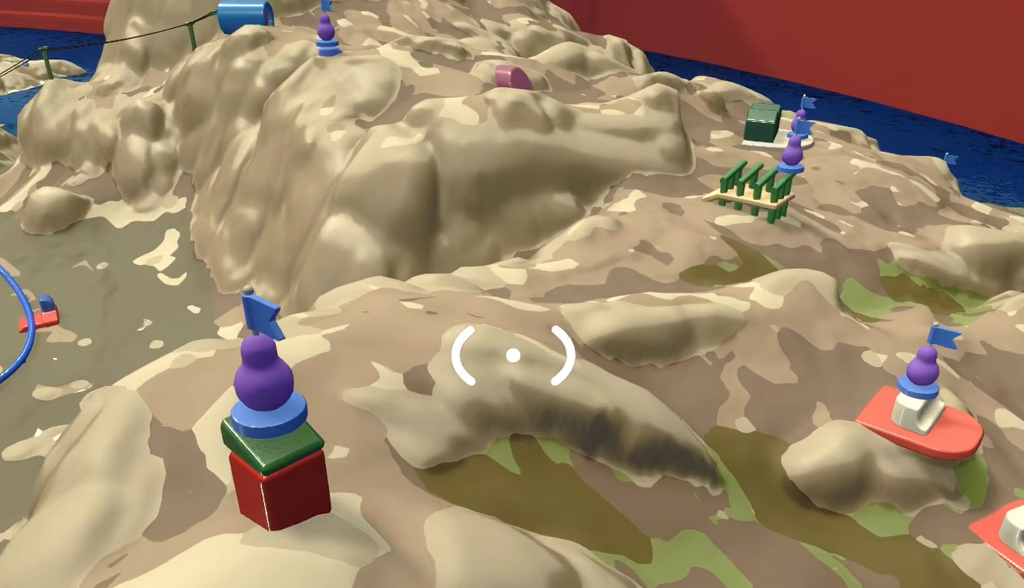
A purple tunnel on the easternmost ridge opens once the first ending is done. This is the door that stays shut for the entire main walk, and most of the endgame challenges sit behind it. Seven purple markers also appear on the big map, one per challenge. The southern part of the island holds most of them, and getting around is far easier once the chairlift and tunnels are active.
Clear the 30-minute wait first
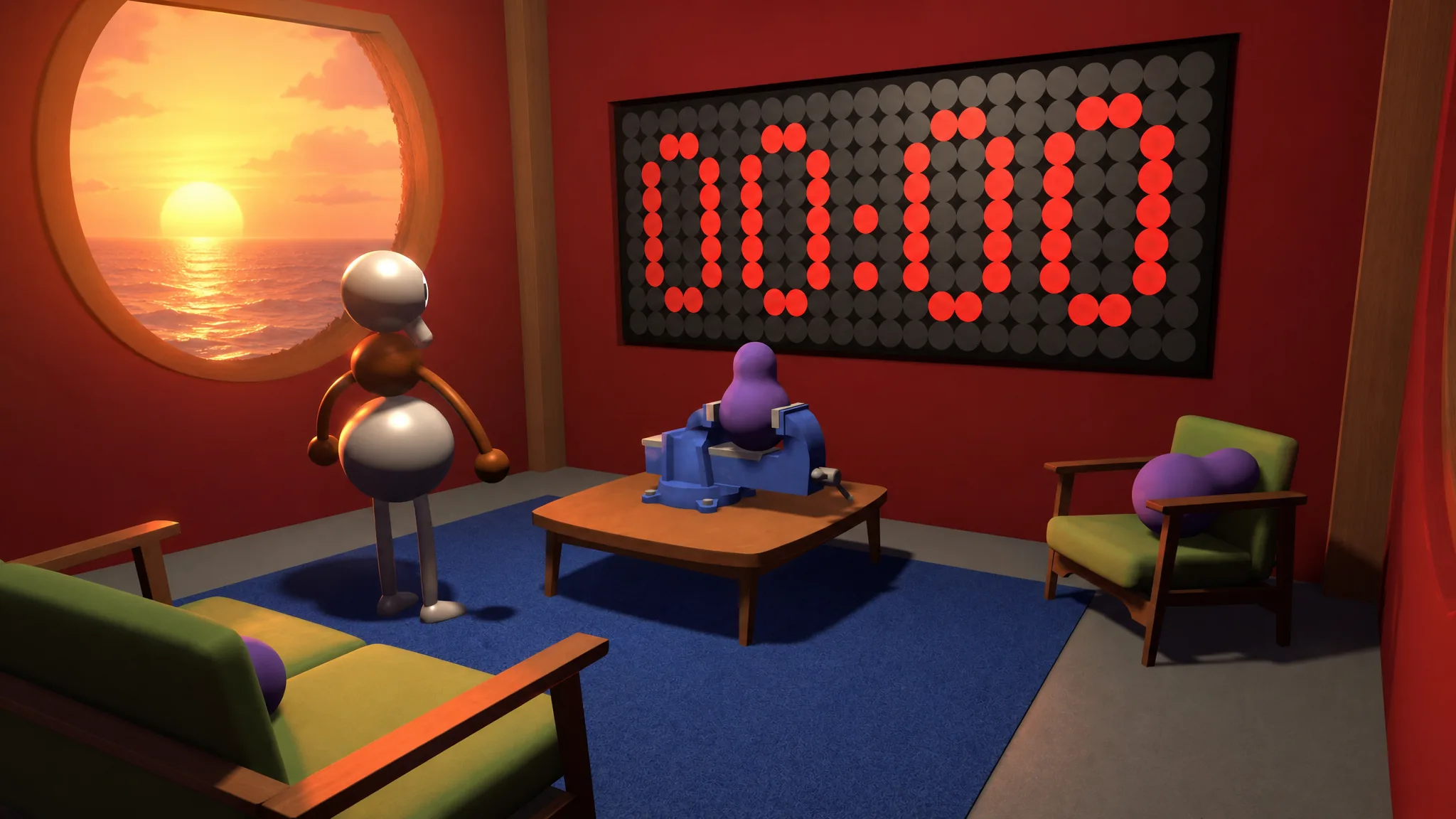
The Wait 30 Minutes House is the easiest puzzle mechanically and the worst one to save for last. Inside is a timer that uses the same mechanism as the shorter wait rooms, only stretched to a full 30 real minutes. Step in, press the button, and the room stays locked while the countdown runs.
Do not stand there. Start it, leave, and spend that half hour clearing the other six. If the timer is already running, do not reset or babysit it. Finish everything else, then come back to grab the reward. Treating this as background progress instead of dead time is the single biggest improvement to a cleanup run.
The seven purple puzzles at a reference
| Puzzle | What changes | Core tactic |
|---|---|---|
| Wait 30 Minutes House | Wait extended to 30 real minutes | Start first, walk away, return later |
| Golf | Ball is far from the hole | Relay the heavy ball back through the island |
| Many Lights Everywhere | Communication windows removed | Number the light positions, signal with flashes |
| 9 Speakers, but you can’t talk | Intercom removed | Tap rhythm and pitch on the glass, or use a signal code |
| 9 Symbols, but you can’t talk | Speech blocked, abstract symbols | Draw the shape on the glass with a finger |
| 36 Drawings | 36 near-identical signs | Spread every board out and verify small details |
| Platforming, but do it fast | Tomato timer added | Move quickly, remove backpacks, carry the hourglass |
Solutions for all seven purple puzzles
Golf: carry the heavy ball to the purple flagpole
The purple marker points to a hole with a flagpole but no ball. An arrow directs you back toward the middle of the island, because the ball is still on the original golf course in the red area. The whole puzzle is the journey. Players hand the ball to each other rather than throwing or kicking it, so one person should manage the ball while another moves ahead to work controls. With two players, this carry can take around an hour.
Avoid dropping the ball. If it falls onto the cable car, expect to wait a full loop for it to come back around, and recovering a dropped ball anywhere adds a lot of travel. With more players, assign roles instead of crowding it. Use carriers, a scout checking the next stretch, and a catcher on the dangerous side of drops. Slow down before cliffs, narrow gaps, and every transport transition.
Many Lights Everywhere
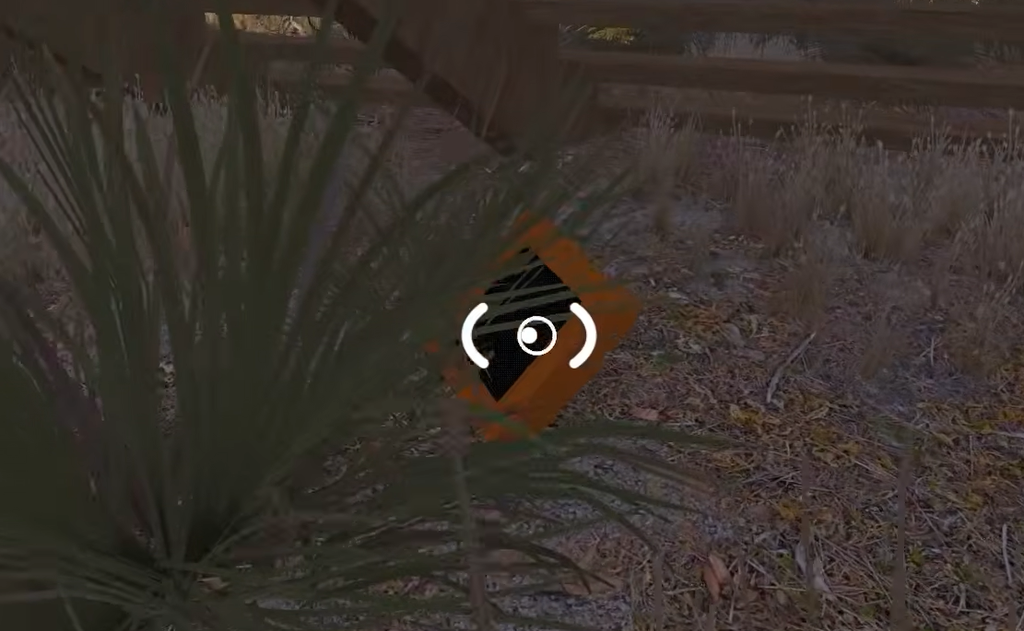
This is the double house tile challenge with the communication windows removed. One player enters the room with the lights while the other stays with the buttons and a signal light. Before separating, agree on a numbering system for the light positions so both players read the wall in the same direction.
The player who can see a lit light calls its number. The button player narrows it down with simple yes or no questions, answered through the signal light. One flash can mean yes and two flashes can mean no. Confirm each number before pressing, then repeat for every remaining light. Consistency matters more than the exact numbering pattern, so stand together and agree what “1” means before you split up.
9 Speakers, but you can’t talk
Widely considered the hardest of the seven, this sound booth removes the intercom and asks you to match nine sounds to nine speakers with speech off the table. One player listens while the other handles the speakers. The straightforward approach is to tap the rhythm of the sound against the glass and use upward or downward hand movements to show changes in pitch, repeating until the other player recognizes it.
For a cleaner run, agree on a code before anyone is separated. Lay the nine positions out in a fixed arrangement, such as four on top, four in the middle, and one at the bottom, and assign a hand signal to each slot. The listener memorizes each sound, then signals its position while the partner places the matching speaker. There is no shortcut around memorizing the sounds, but the signal system keeps that memory usable.
9 Symbols, but you can’t talk
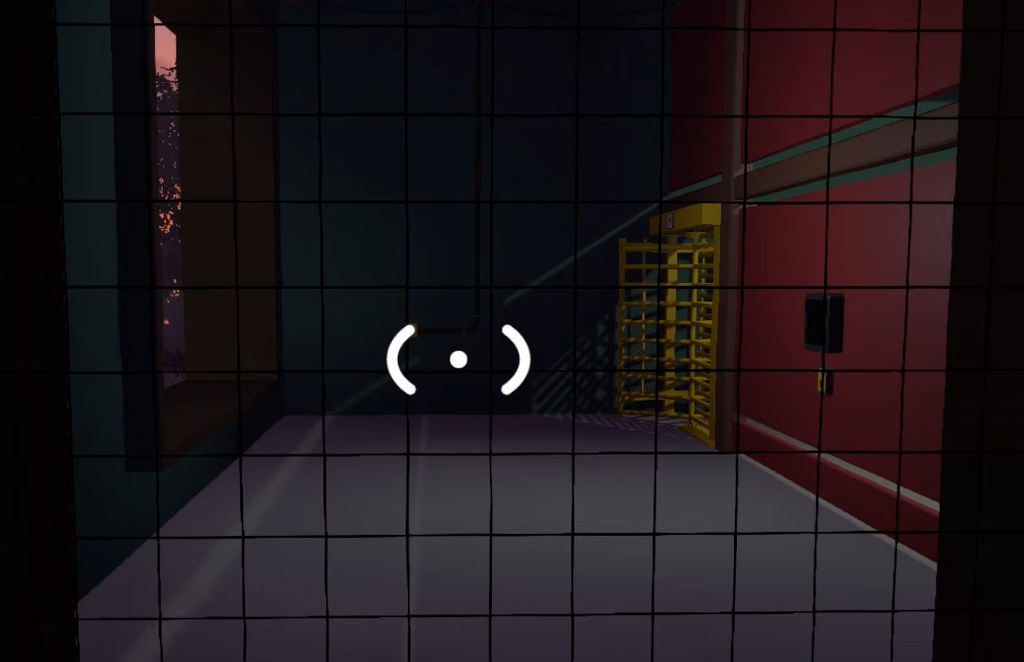
The posing puzzle swaps recognizable poses for abstract shapes like spirals, snowman outlines, and lowercase letters, then blocks normal speech. When gestures are not enough, use the glass as a drawing surface. Trace the symbol slowly and large with a hand or finger so the other player can read its outline.
One detail makes it easier than it looks. The symbol set does not shuffle. Inspect the panel together beforehand, work out which pieces matter, and push the distractors out of the picture before communication gets restricted. Reducing the options first is more reliable than describing shapes harder later.
36 Drawings
The final sign-matching challenge blows up the choices to 36 boards on shelves. The winning setup is to take every board down and spread them all where both players can inspect them at once. From there it is pure communication discipline, because many sketches look nearly identical.
Describe each symbol by its distinctive features, such as curves, corners, loops, and how the lines bend, and check whether a shape is filled in or just an outline. Give unusual symbols simple nicknames based on how they look, and use nearby signs as reference points for location. Track which answers you are sure about and which are guesses. If a round does not end in the green success circle, recheck the uncertain ones first instead of redoing everything.
Platforming, but do it fast
This is the familiar obstacle course with a tomato timer waiting at the start. The route is the same head-boost jumps and teammate lifts as the regular version, but now you have to finish before the clock runs out while carrying and placing an hourglass along the way.
Take off any backpack before you begin. The extra bulk catches on the course geometry and turns a simple push through a tight section into repeated resets. Activate the timer, then move quickly without rushing the hard jumps. Follow the same path you used before, treat each obstacle as a checkpoint, and avoid falling, since recovering from a failed jump wastes the most time.
How to know you reached 100%
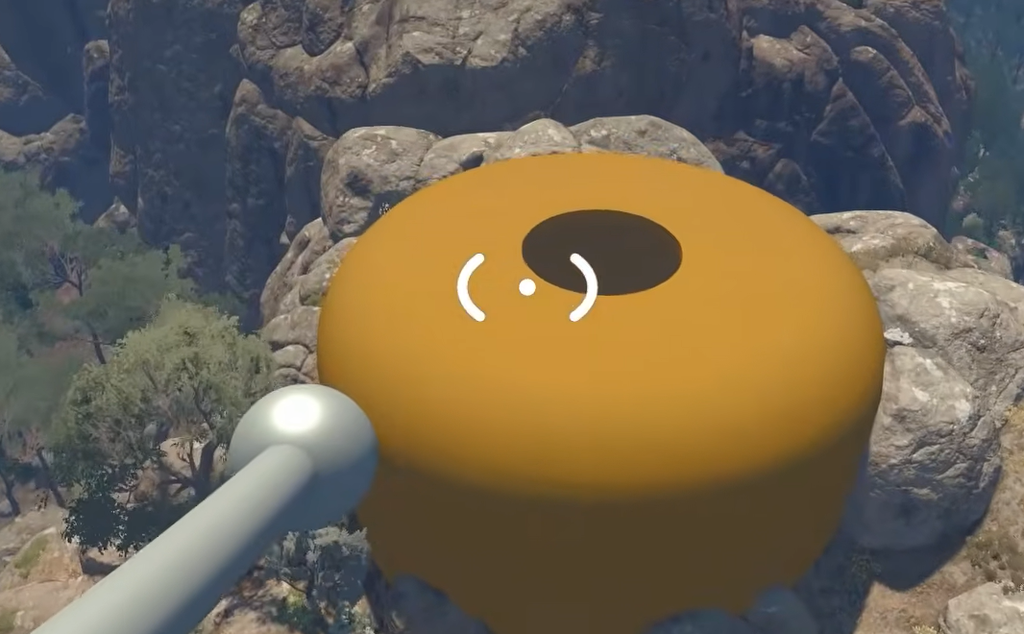
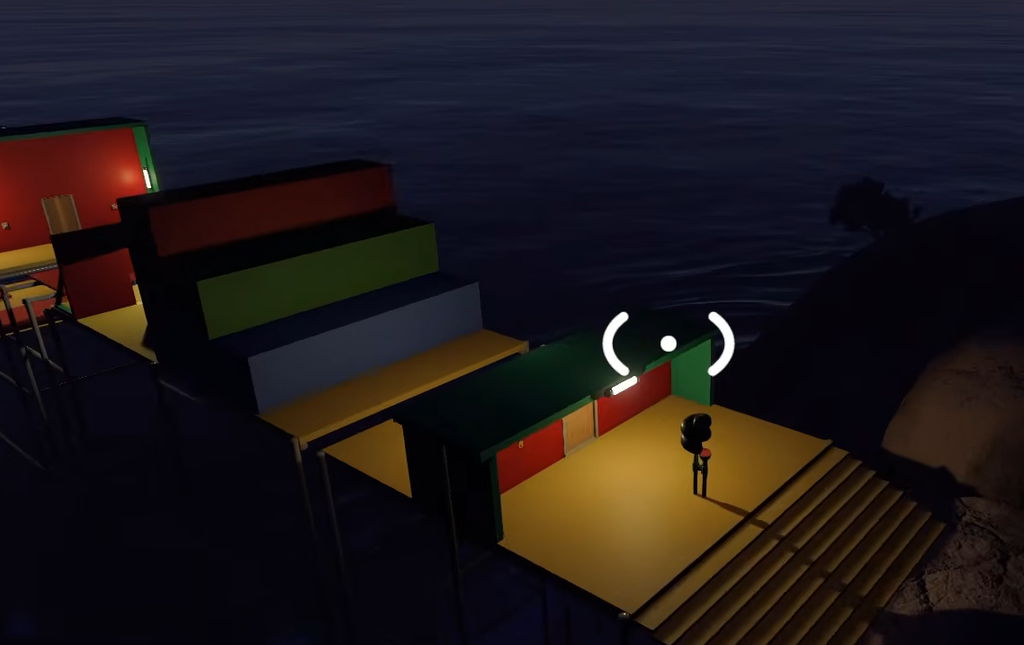
Each solved puzzle banks its gourd-shaped purple reward on a pedestal in the green endgame room, alongside the red rewards from the main walk. A puzzle only counts when it produces its completion result, so reaching a room is not the same as solving it. Skipping still exists in the accessibility menu, but skipped puzzles do not count toward full completion.
The true ending also demands everything you skipped on the way to the first ending, not just the seven purple challenges. To track what is left, use the map room. Its scale model flags every completed area, and a flagpole with no flag means unfinished business.
When the last puzzle falls, carry all the rewards back to the beginning. The walk ends at the spawn area, the red plaza where the journey started. Tucked between the two halves of the broken black sphere set into the red wall is a narrow doorway, the one door you never opened during the whole game. The final key opens the way down, and inside wait the true ending and the hidden Big Game achievement for completely finishing the game.