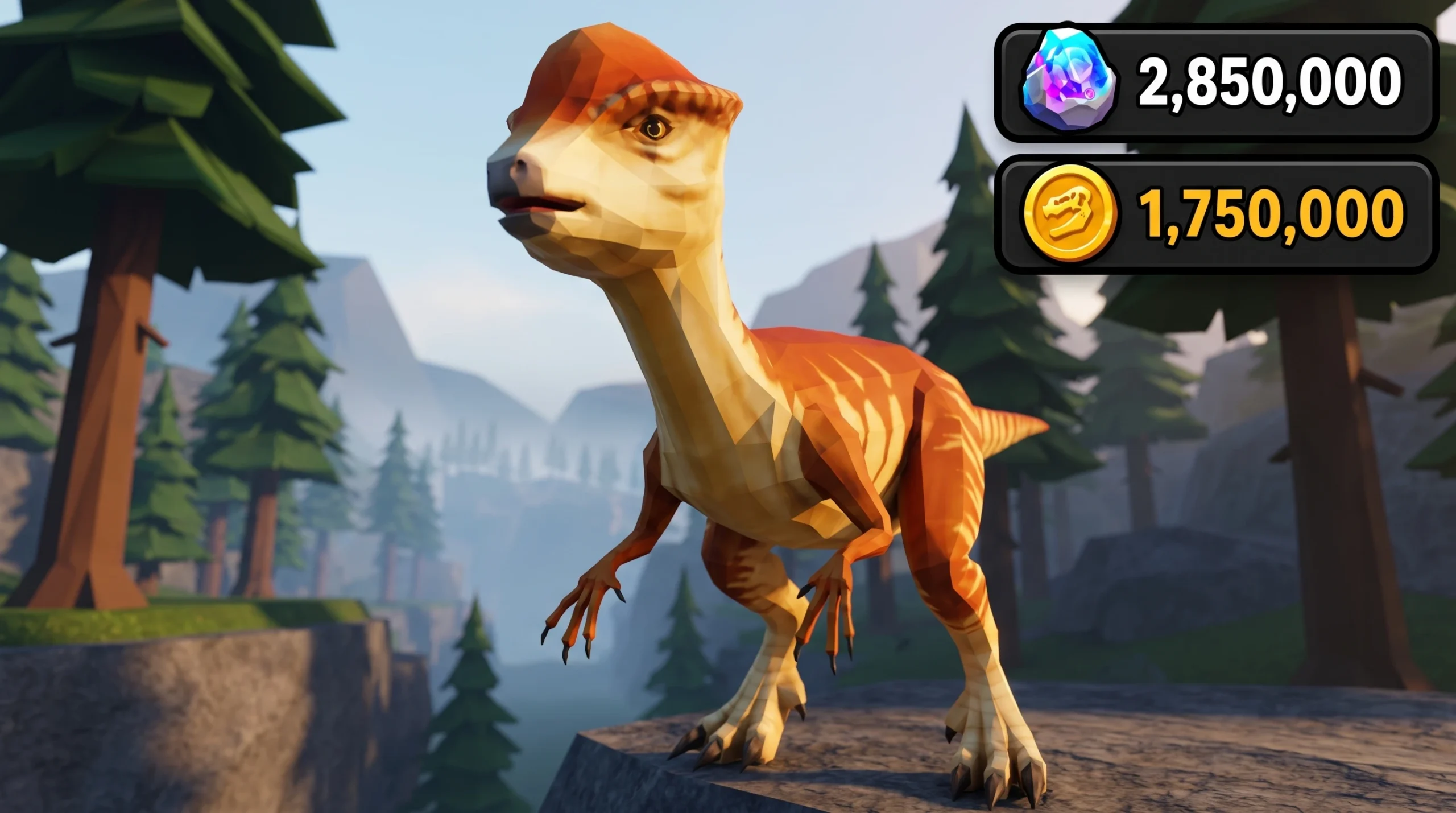
Dino Hunters puts you in a prehistoric world where you shoot wild dinosaurs, capture them, and turn them into a fighting team that battles alongside you. The core loop rewards steady progress. You explore zones, weaken creatures, add them to your collection, then level and evolve your best ones to survive tougher areas. You can jump in through the official Dino Hunters experience page on Roblox.
Quick answer: Attack a wild dinosaur until its health drops, then use the capture prompt to add it to your collection. Companions gain levels by fighting in your active team, and specific dinosaurs can evolve into stronger forms once they reach the required level.
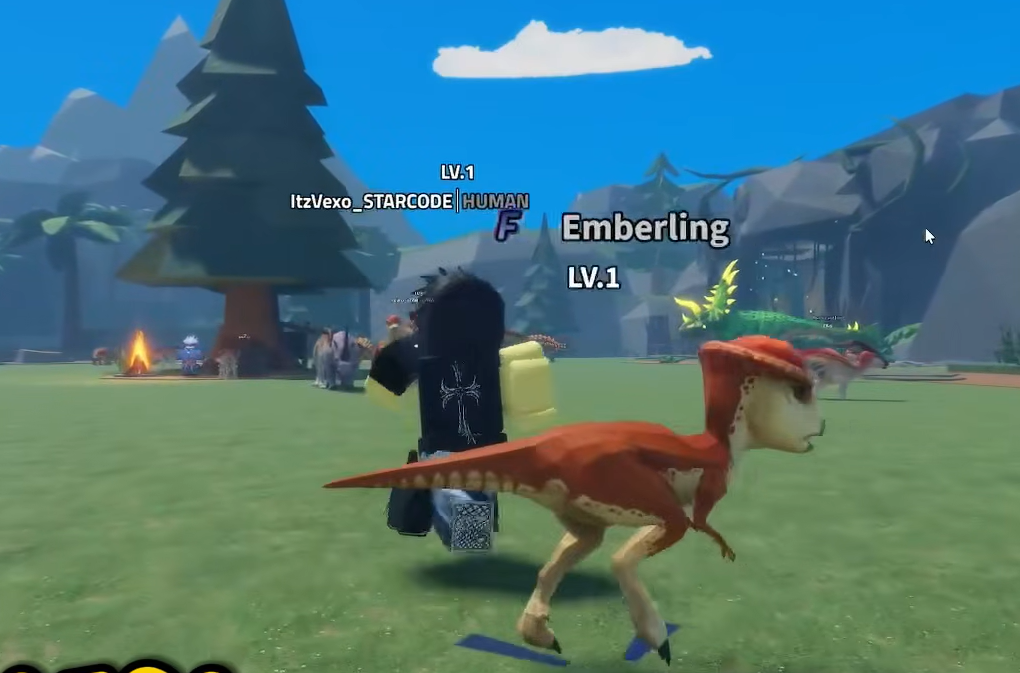
How to capture dinosaurs in Dino Hunters
Capturing is the main way you grow your roster. When you find a wild creature, you shoot it with your weapon until its health is depleted. After it is beaten, you get the option to capture it instead of walking away. A successful attempt adds that dinosaur to your collection.
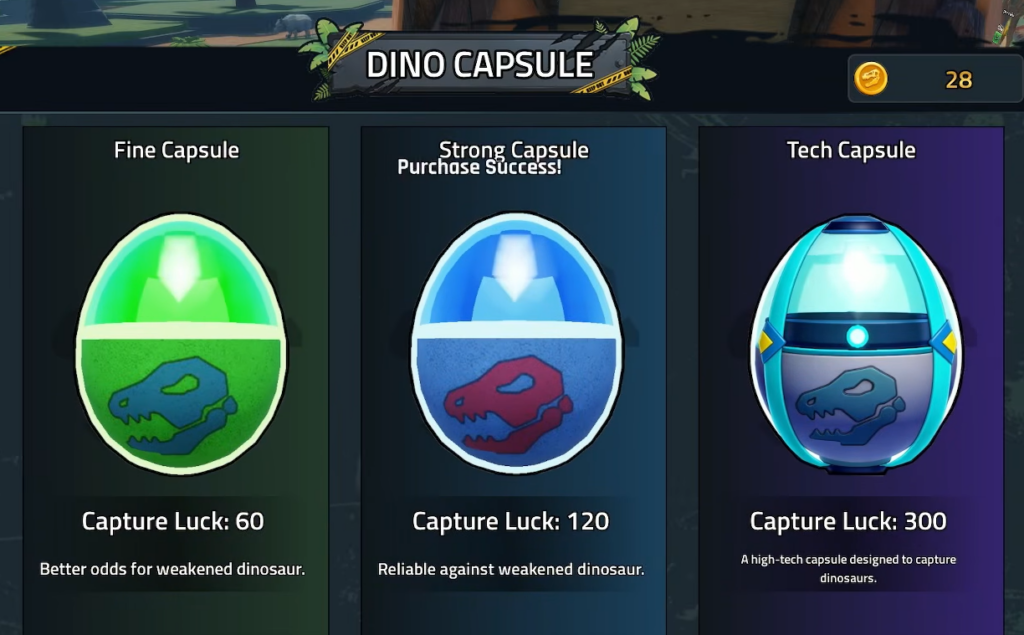
Not every attempt lands. Stronger creatures can resist capture, which means you may have to defeat them again before you can retry. Two stats matter most for smoother captures: your weapon’s damage and its capture rate. Raising damage shortens each fight, and a higher capture rate improves your odds of adding rarer species.
Check a dinosaur’s level before engaging. If it sits well above your current weapon power, retreat and farm weaker creatures first rather than wasting time and resources on a fight you cannot finish.
Equip and manage your captured team
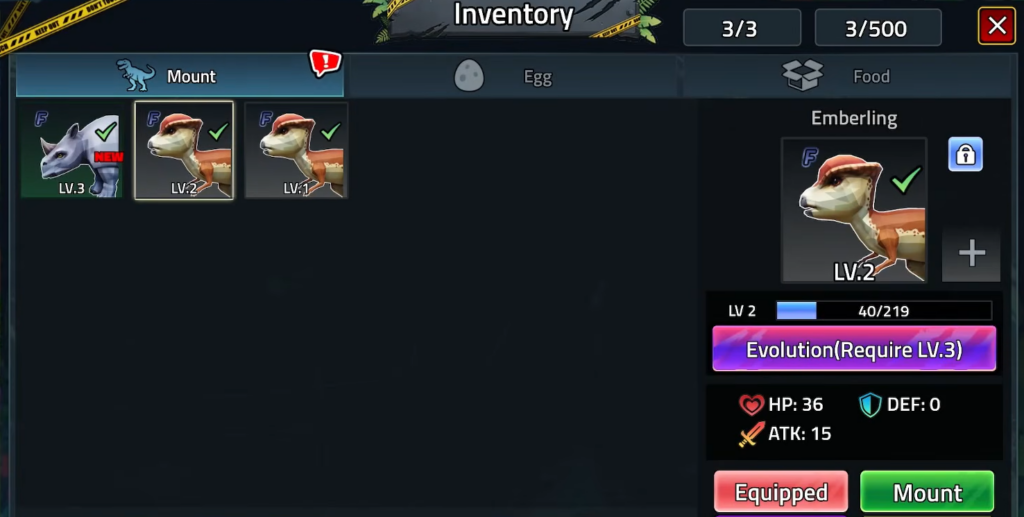
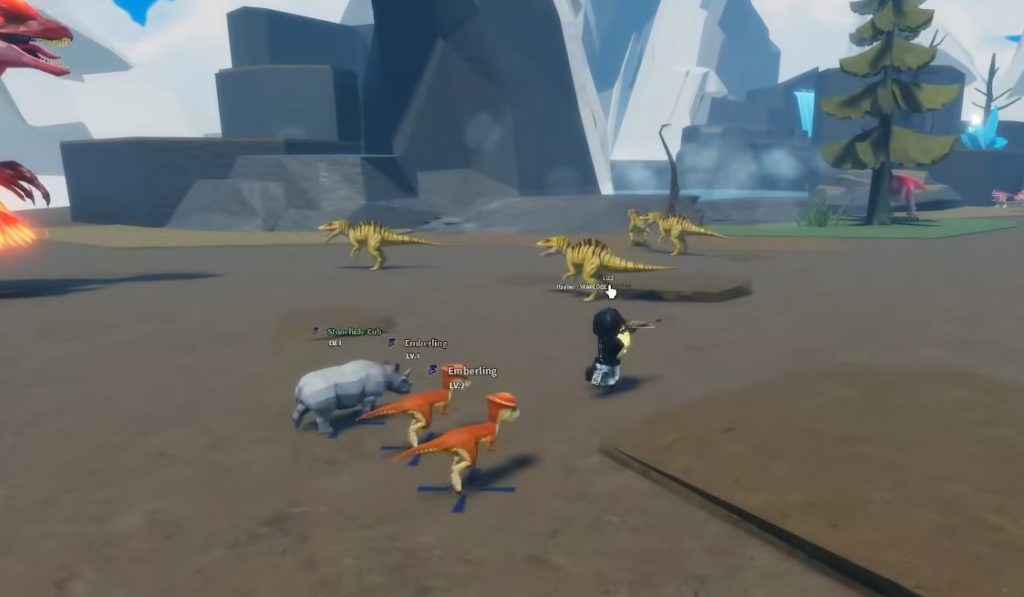
Captured dinosaurs go into your inventory, where you decide who joins your active squad. Equipped companions attack nearby enemies automatically and make larger targets far easier to bring down. There is a cap on how many you can field at once, so the combination you pick matters more as areas get harder.
A balanced squad mixes roles instead of stacking a single type. Durable creatures soak up hits, high-damage creatures clear enemies quickly, and support creatures keep the group going. The role split below reflects the species that fit each job.
| Role | Function | Example species |
|---|---|---|
| Tank | Absorbs damage | Triceratops, Ankylosaurus |
| DPS | Deals high damage | Velociraptor, Dilophosaurus |
| Support | Buffs and healing | Parasaurolophus, Pachycephalosaurus |
Open your inventory regularly and swap weaker companions for stronger captures. Keeping at least one tank for protection and one leveled damage dealer gives you a reliable core before you take on boss encounters.
Level up your dinosaur companions
Companions grow stronger by fighting. The more battles a dinosaur takes part in while equipped, the more experience it earns and the more levels it gains. Reaching certain level milestones opens further progression options and, for some creatures, unlocks the path to evolution.
Spreading effort across every creature you own slows you down. Pick a few favorites and invest in them consistently. A leveled team clears fights faster, which in turn makes future captures and farming quicker. If you need easy experience, return to earlier zones where weaker creatures are safe to grind.
Evolve your strongest dinosaurs
Evolution turns a leveled dinosaur into a stronger version with improved stats and combat abilities. It is gated by progression rather than instant upgrades, so a creature must reach its required level before it can evolve. Dino Essence, earned from capturing dinosaurs, is the material tied to leveling and evolving creatures.
Because evolution rewards long-term investment, focus your leveling on companions you plan to keep. Evolving a favorite early pays off across the rest of your run, since an evolved dinosaur makes later encounters noticeably more manageable than a fresh capture of the same species.
Rarity, resources, and where to spend
Dinosaurs are grouped by rarity, and rarer species are harder to catch but far more valuable to your team. Save your best capture tools for Rare and Epic creatures instead of wasting them on Common spawns that offer little long-term value.
| Rarity | Capture difficulty | Spawn frequency |
|---|---|---|
| Common | Very low | Extremely high |
| Uncommon | Low | High |
| Rare | Medium | Moderate |
| Epic | High | Low |
| Legendary | Very high | Extremely low |
Progression also runs on a handful of key resources. Knowing what each one does keeps you from wasting materials on the wrong upgrades.
| Resource | Main source | Used for |
|---|---|---|
| Dino Essence | Capturing dinosaurs | Leveling and evolving creatures |
| Iron Ore | Mountain biome nodes | Weapon and armor crafting |
| Ancient Coins | Quest rewards | General shop purchases |
| Primal Crystals | Rare boss drops | High-tier legendary upgrades |
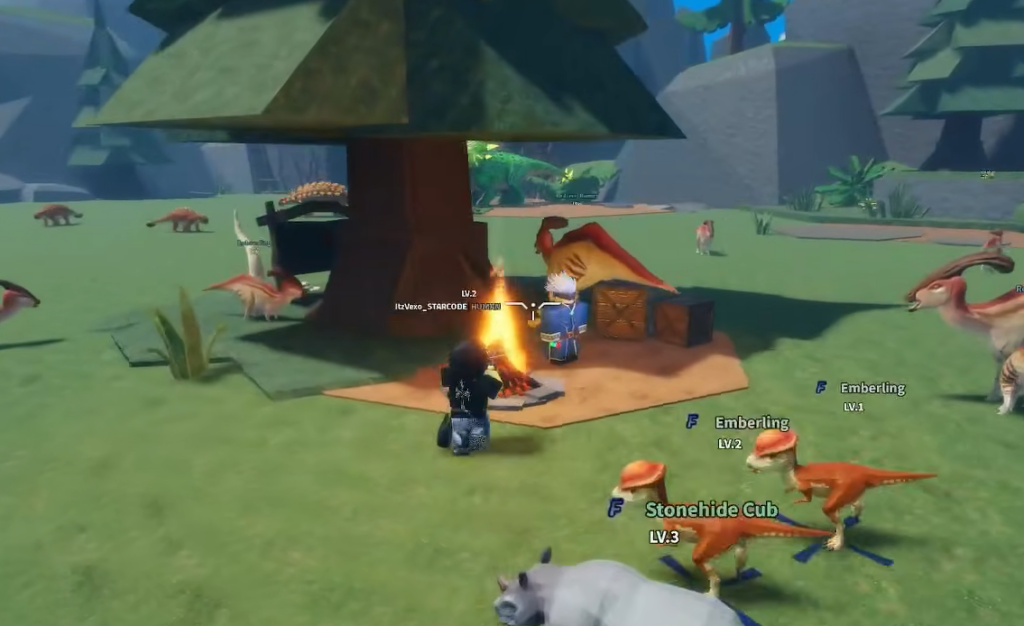
The Temperate Forest is the first area you explore and a reliable source of solid starters, including the Velociraptor for damage and the Triceratops for defense. Clearing side quests in each zone before moving on tends to hand you the exact materials needed for the next difficulty spike.
When to push into new zones
Later regions introduce much stronger dinosaurs that can defeat an under-leveled hunter quickly. If a fight feels overwhelming, that is the signal to step back. Level your companions, evolve a favorite, or expand your collection before returning to the same encounter.
Rushing high-level zones usually costs you more than it earns, since dying carries a penalty on your resources and time. Steady, gradual progress is the faster route overall. You will know your team is ready when a previously tough creature drops in the same time it takes to clear an early-zone spawn.
The game continues to receive updates, with a Raptor-focused content drop lined up for July 24 at 11:00 AM. Building a leveled, evolved core team now leaves you well placed to take on whatever new dinosaurs and hunting grounds arrive next.