Gil is the thing you always seem short on when you first start playing Final Fantasy XIV. Quests, side quests, and leves cover your needs for a while, but the moment you want glamour, materia, or a big-ticket relic step, that trickle stops being enough. The good news is that a new player has several dependable ways to build a balance without touching the deep end of crafting.
Quick answer: Subscribe first, because the Free Trial caps you at 300,000 gil and blocks the Market Board and retainers. Then run your daily Duty Roulettes, unlock Retainer Ventures at level 17, and join a Grand Company so you can convert dungeon loot into seals that buy Duck Bones. Sell gathered materials and desynthesis drops on the Market Board to round it out.
Why gil feels scarce early (and the Free Trial cap)
Combat content mostly pays you in experience, tomestones, and gear, not stacks of currency. The real economy lives in gathering, crafting, and the Market Board, which a brand-new adventurer hasn’t unlocked yet. That is normal, and the worst thing you can do is panic-spend early gil on Market Board gear that the story hands you for free a few quests later.
One hard limit matters before anything else. Free Trial accounts cannot use the Market Board, cannot hire retainers, and cannot hold more than 300,000 gil. Serious gil-making only begins once you have a subscription, so everything below assumes a subscribed account.
| Method | Unlocks around | Effort |
|---|---|---|
| Daily Duty Roulettes | Level 16+ | Low |
| Retainer Ventures | Level 17 quest | Very low |
| Grand Company seals to Duck Bones | ~Level 20 | Low, slow |
| Gathering timed nodes and shards | Any gatherer | Medium |
| Treasure Maps | Level 36 | Medium |
| Coils desynthesis for Demimateria | Level 50 | Low, luck-based |
Everyday income: Roulettes and Retainer Ventures
Start with the gil you can earn while doing content you were already going to run. Daily Duty Roulettes pay raw gil plus bonus experience, and queuing as a tank or healer speeds up your matches. Do them every day and the totals add up without any extra effort.
Retainer Ventures are the closest thing to passive income for a new player. Retainers hold your items, sell on the Market Board for you, and once you unlock Ventures they go on timed trips that return gil, materials, and sellable gear.
Turn Grand Company seals into Duck Bones
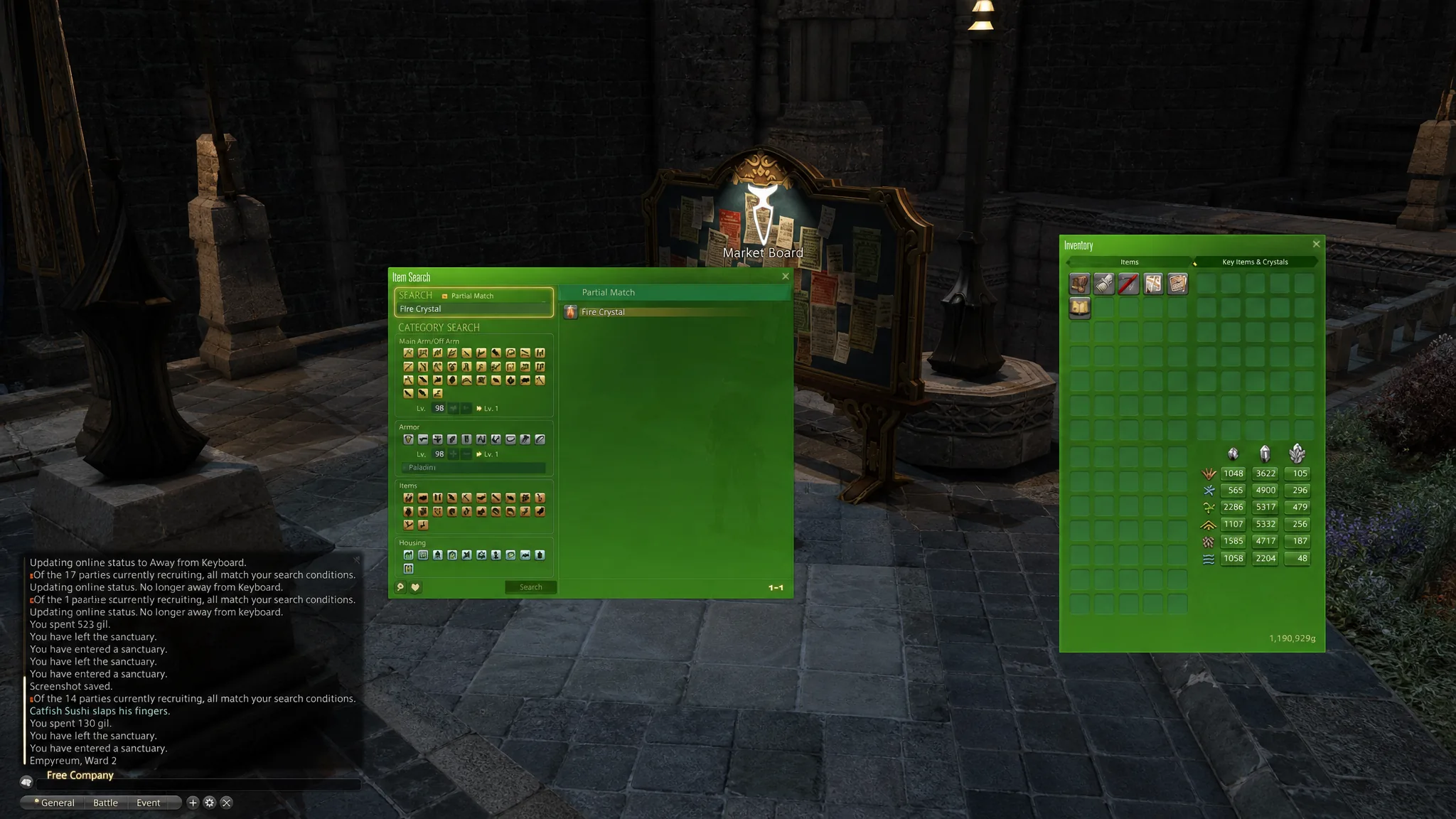
Once you have joined a Grand Company, seals become a slow but steady gil source. You join fairly early, at level 20 during the main scenario quest “A Hero in the Making.” From there, the payoff comes from buying Duck Bones and selling them in bulk.
Gathering for gil: Timed nodes and Elemental Shards
Once you unlock a gathering job (Miner, Botanist, or Fishing), Eorzea’s resources become currency. Timed Nodes appear on maps for a limited window and often hold sought-after materials that sell well on the Market Board. The catch is knowing exactly where to be and when.
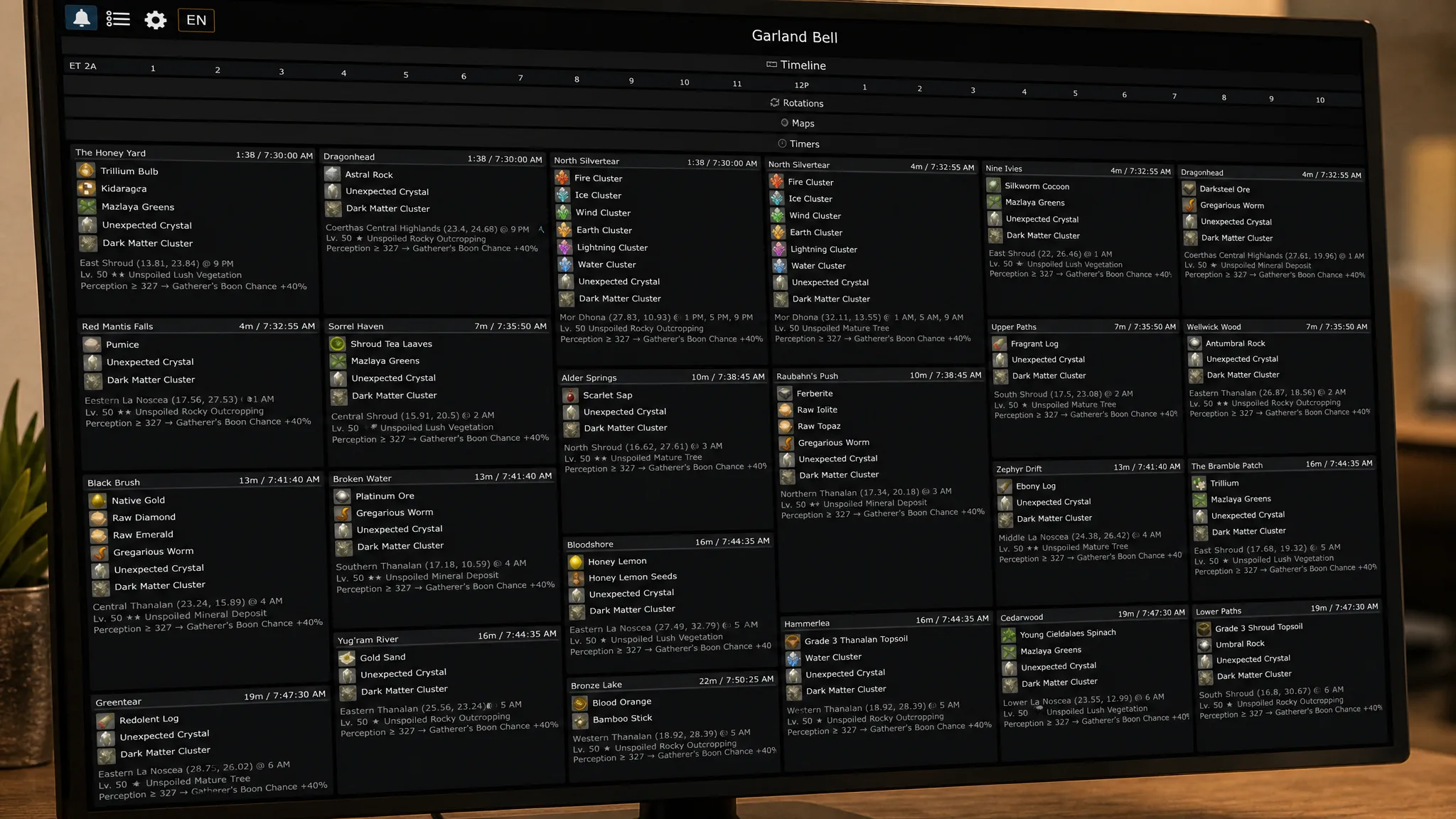
Tools like Garland Tools include a bell tracker that shows when each timed node opens, so you can plan around the in-game clock. Higher-level nodes closer to current content generally pay the most, since those materials are in demand.
Elemental Shards are the low-effort backup. Any node drops them, they are easy to farm, and shards of any element almost always sell. Prices are modest and move with your server. On Diabolos, Fire Shards have gone for around 40 gil each, which means a stack of 2,500 clears about 100,000 gil. Just run around your current zone farming them and list the stacks.
Run Treasure Maps for drops
Gathering also produces Maps as an occasional reward, and these can turn into serious money. Completed maps drop cosmetic gear, mounts, and minions, with higher-level maps generally holding better loot. It is luck-based, but the upside is real.
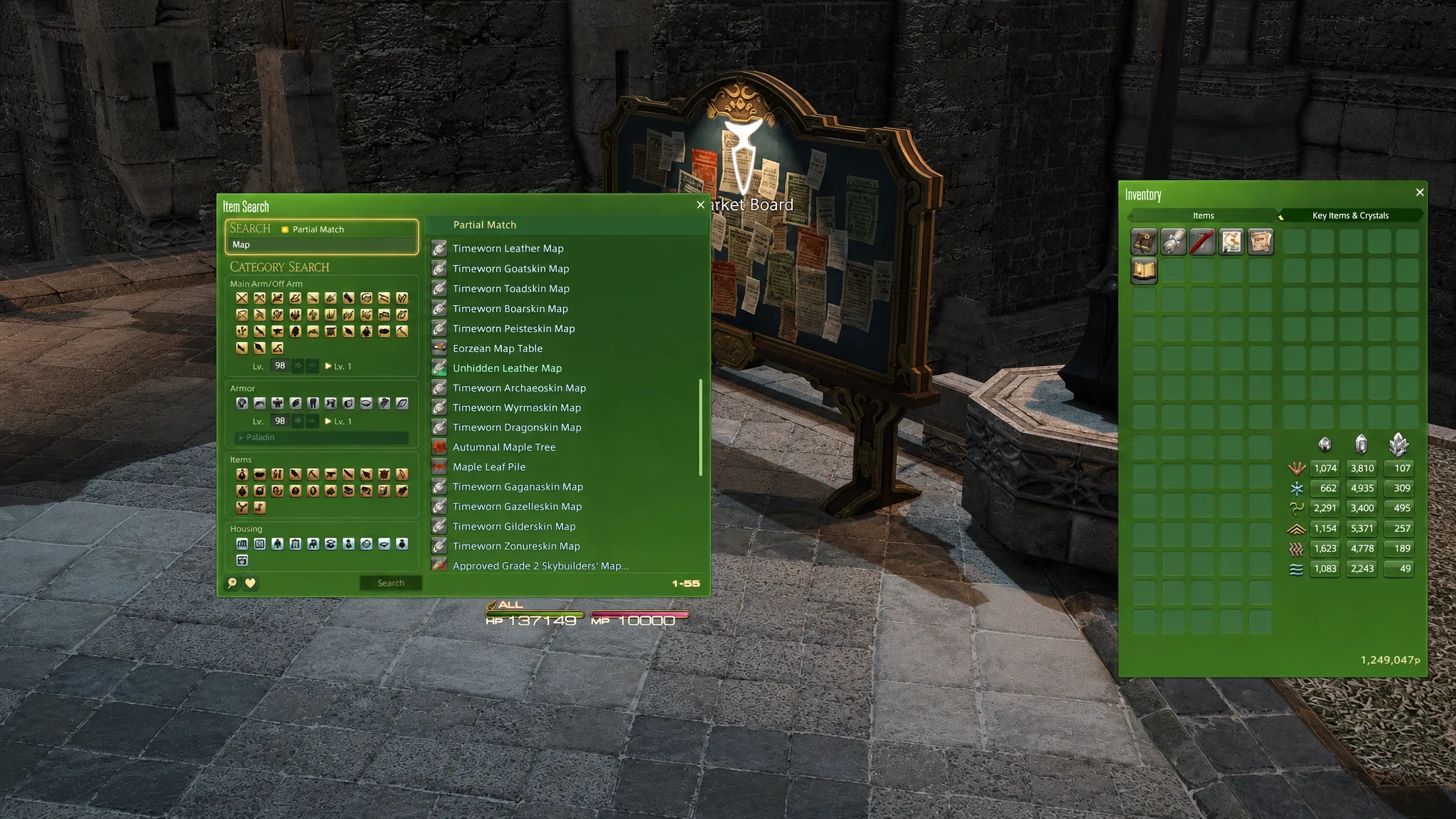
To unlock Treasure Hunting, reach level 36 and complete “Treasures and Tribulations” in Eastern La Noscea at coordinates (21.1, 21.1). You can also buy maps on the Market Board, but weigh their cost against likely rewards before you commit.
Solo Coils of Bahamut for Battlecraft Demimateria
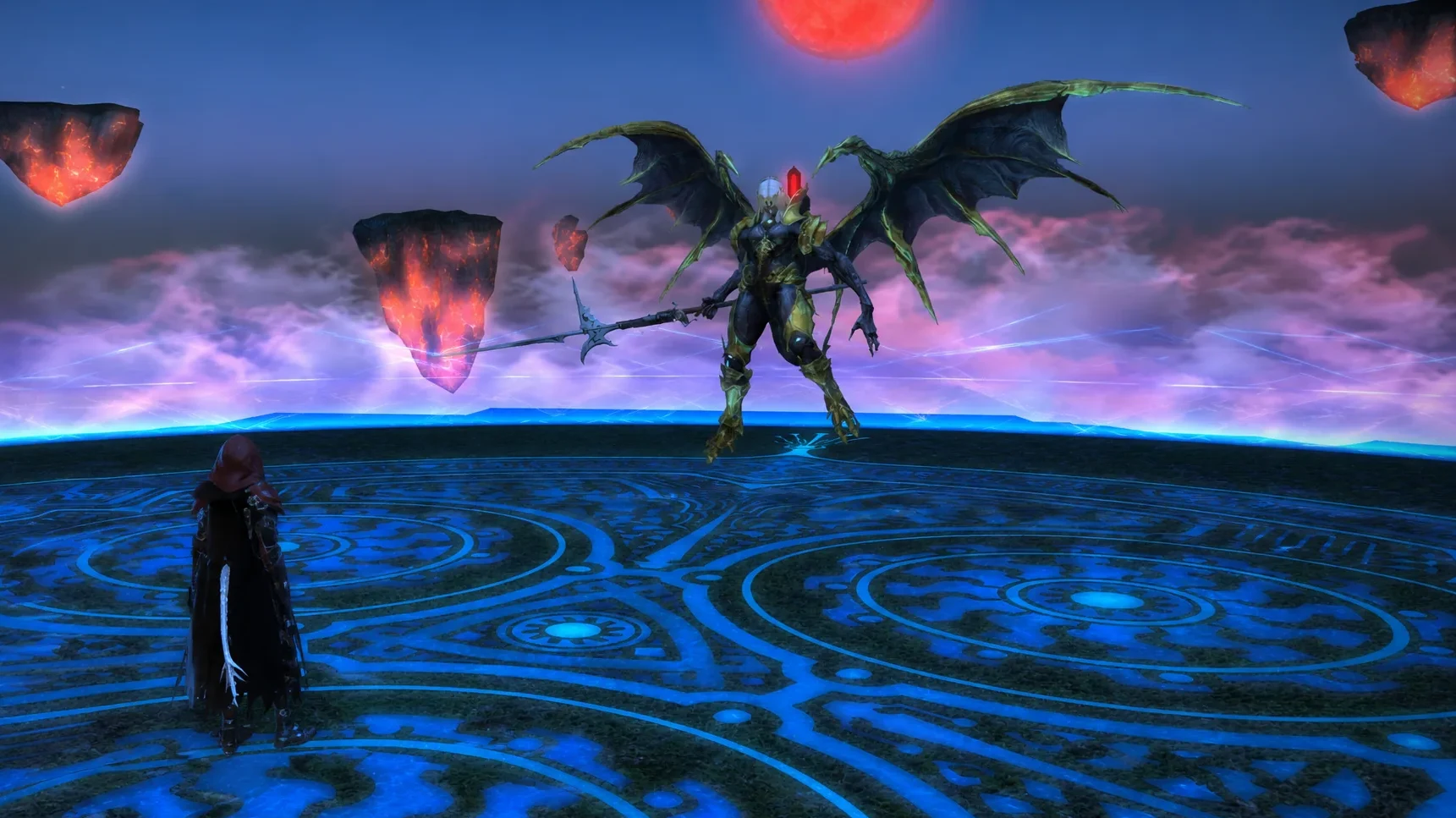
Not long after level 50, you can solo the Savage version of Coils of Bahamut, the game’s first major raid series. It is a quiet, low-pressure gil source that leans on desynthesis.
Selling smart and staying safe on the Market Board
Almost all player-driven gil changes hands on the Market Board, and you don’t need to be a crafter to use it. A few habits keep beginners out of trouble.
- Check recent sales, not just the lowest listing, before you price something. Universalis tracks live prices and history across worlds.
- Undercut by a single gil at most. Slashing prices just races the whole board to the bottom.
- Sell what moves in volume, like current-patch materials and cheap consumables, over rare items nobody is buying this week.
One warning that overrides every shortcut. Square Enix runs a zero-tolerance policy on real-money trading, so buying gil for cash is bannable and can get your balance clawed back. Every method here keeps your account safe while it builds toward your first million.
None of this makes you a Gillionaire overnight, and crafting remains the true endgame engine once you have melded gear and a feel for the market. But stacking roulettes, ventures, seals, gathering, and the occasional treasure run gives a new player steady income for whatever comes next, whether that is glamour, a mount, or that final relic step.