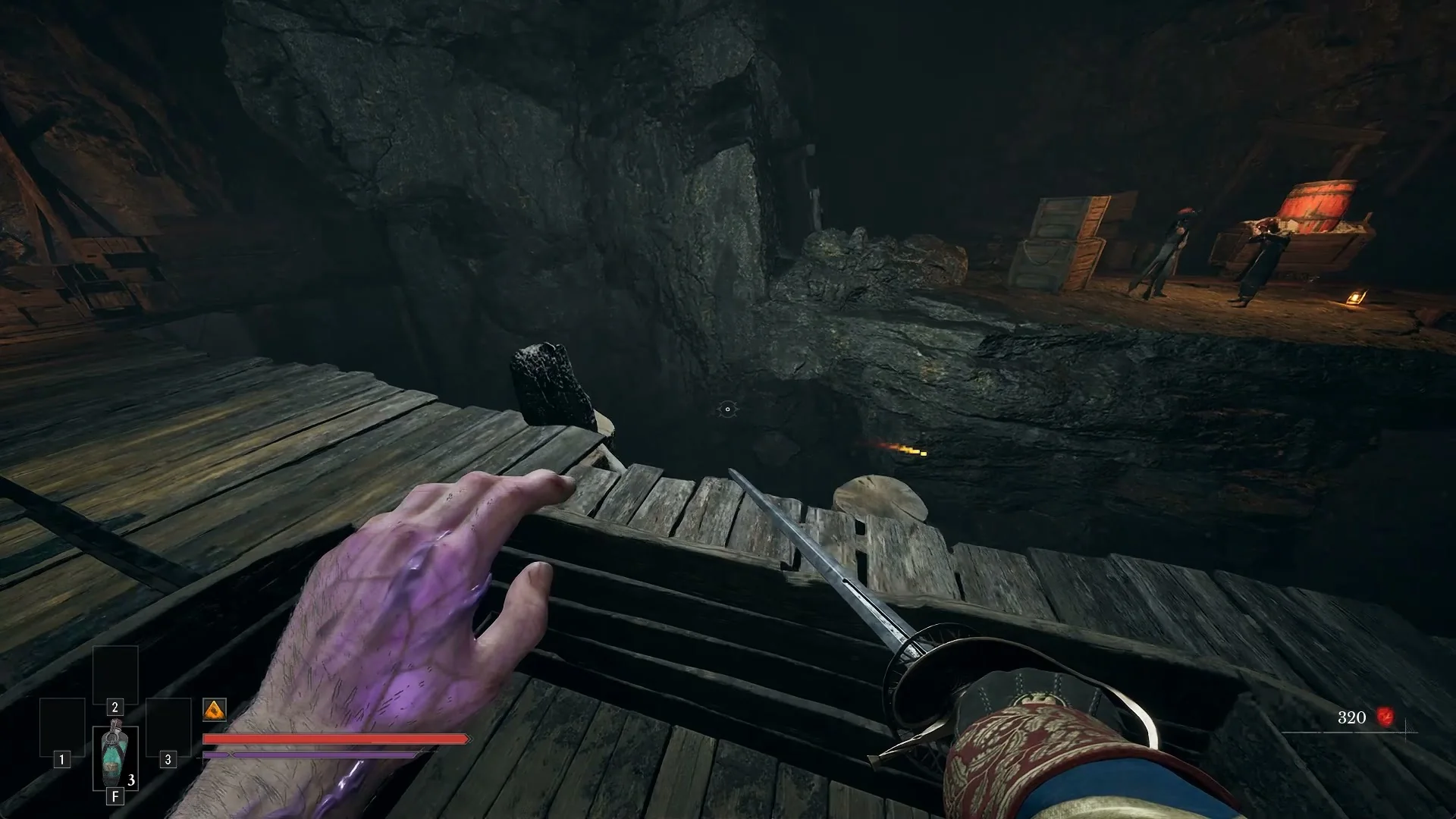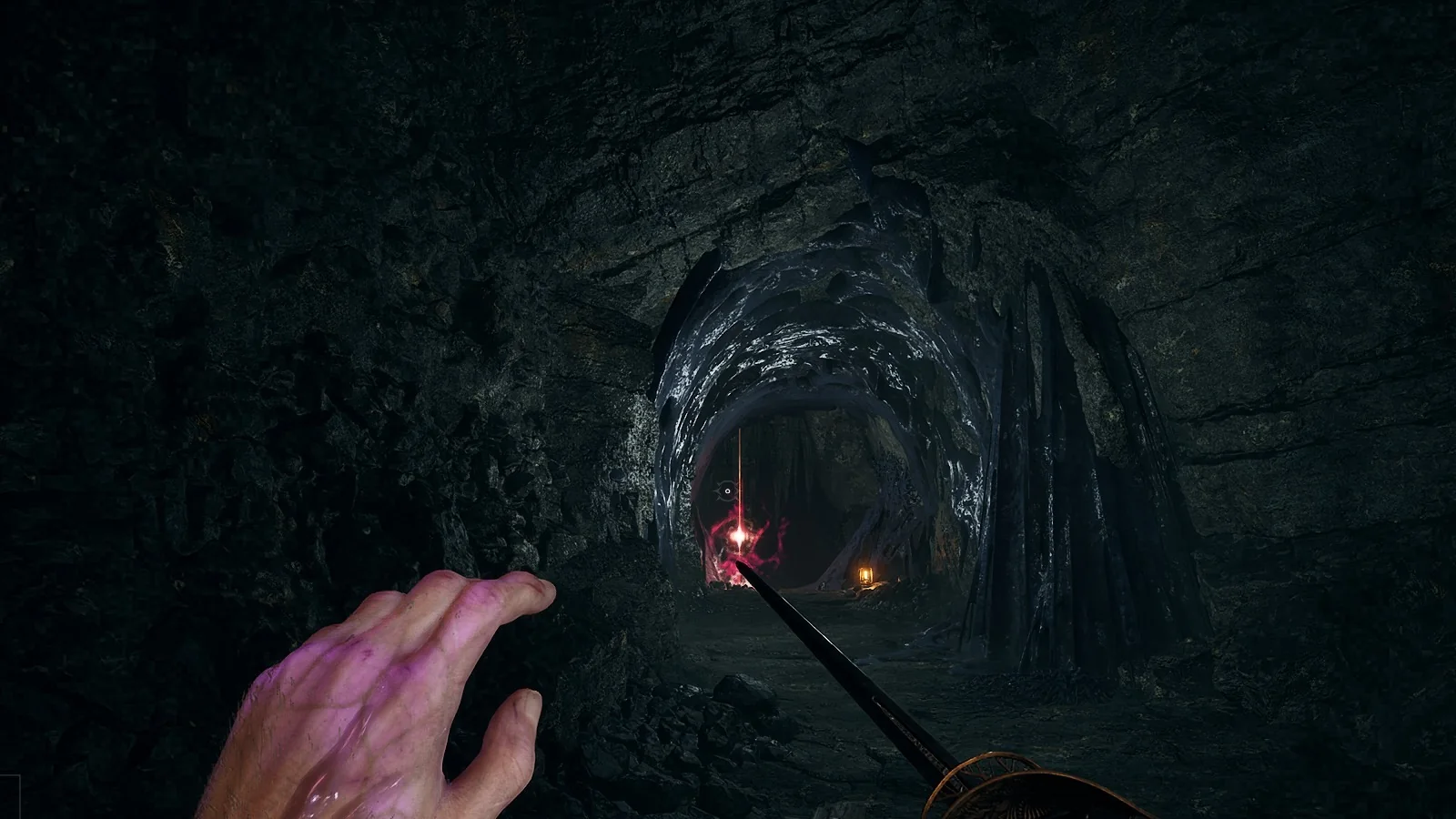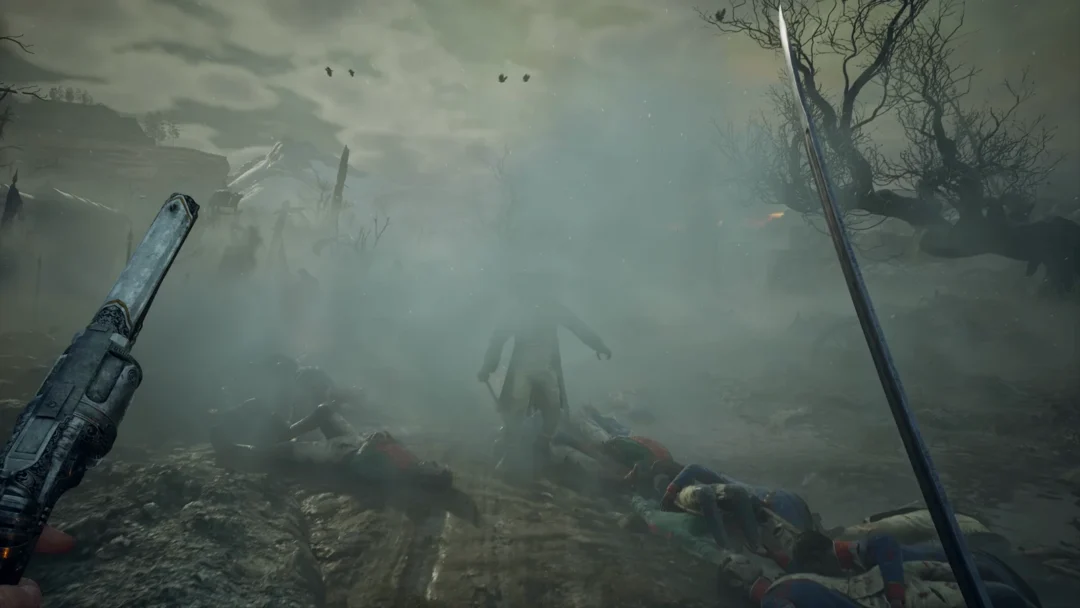
Grain Rot is a co-op horror extraction roguelike where you dive into shifting underground dungeons, tear out furniture and loot, and haul your spoils back to rebuild an Outpost that makes future runs easier. It shares a physics-driven core with games like REPO and Lethal Company, but the base-building layer is what sets it apart. It launched on Steam on August 7 as the first commercial release from two-person studio Beck & Branch Games, published by Neem Interactive.
Quick answer: Complete a run by scavenging loot from procedurally shifting dungeons and extracting alive, then spend what you bring back on Outpost upgrades and interactive furniture to boost your stats before the next descent.
The core loop: scavenge, extract, rebuild
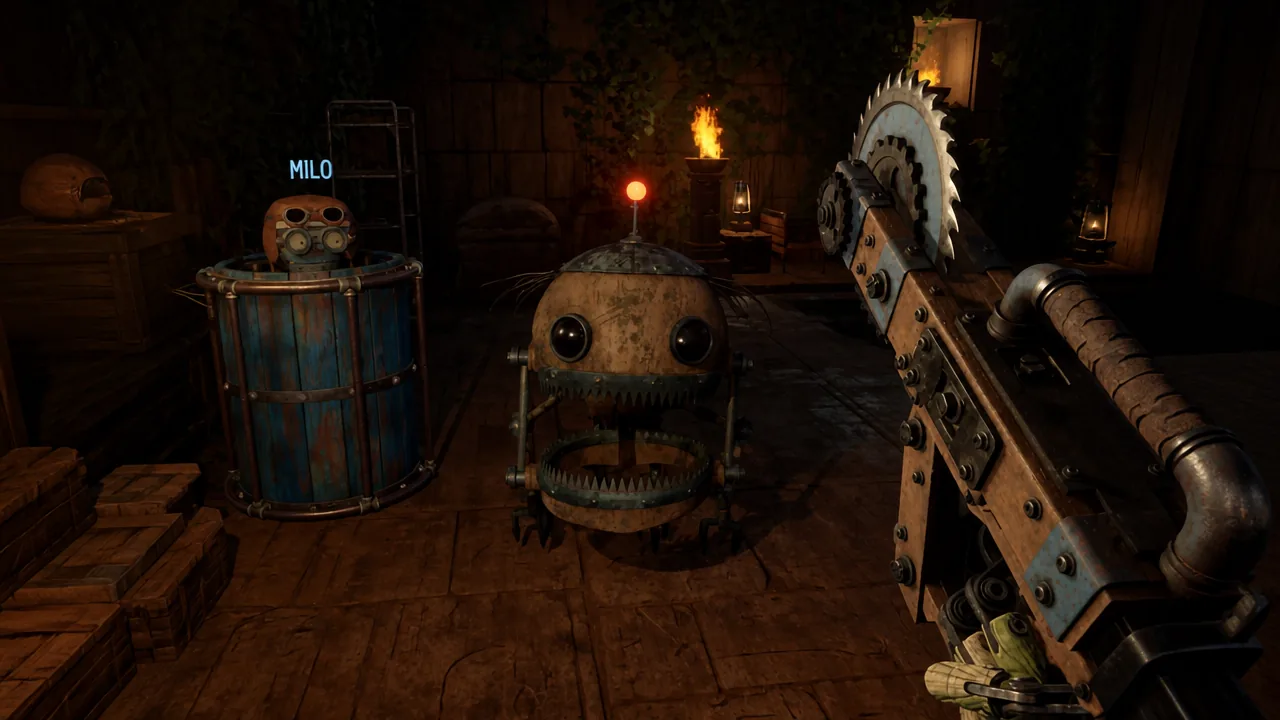
Each run sends you into procedurally shifting underground dungeons to explore ruins, rip out furniture, and grab whatever loot you can carry. The goal is to survive long enough to extract with your haul rather than lose it. Because the layouts change and the gameplay is physics-based, no two runs play out the same way.
What you extract feeds directly back into your Outpost. Instead of resetting to zero, you carry progress forward and improve your odds for the next attempt. That persistent build-up is the main thing separating Grain Rot from other titles in the same physics-horror mold.
Outpost base-building and upgrades
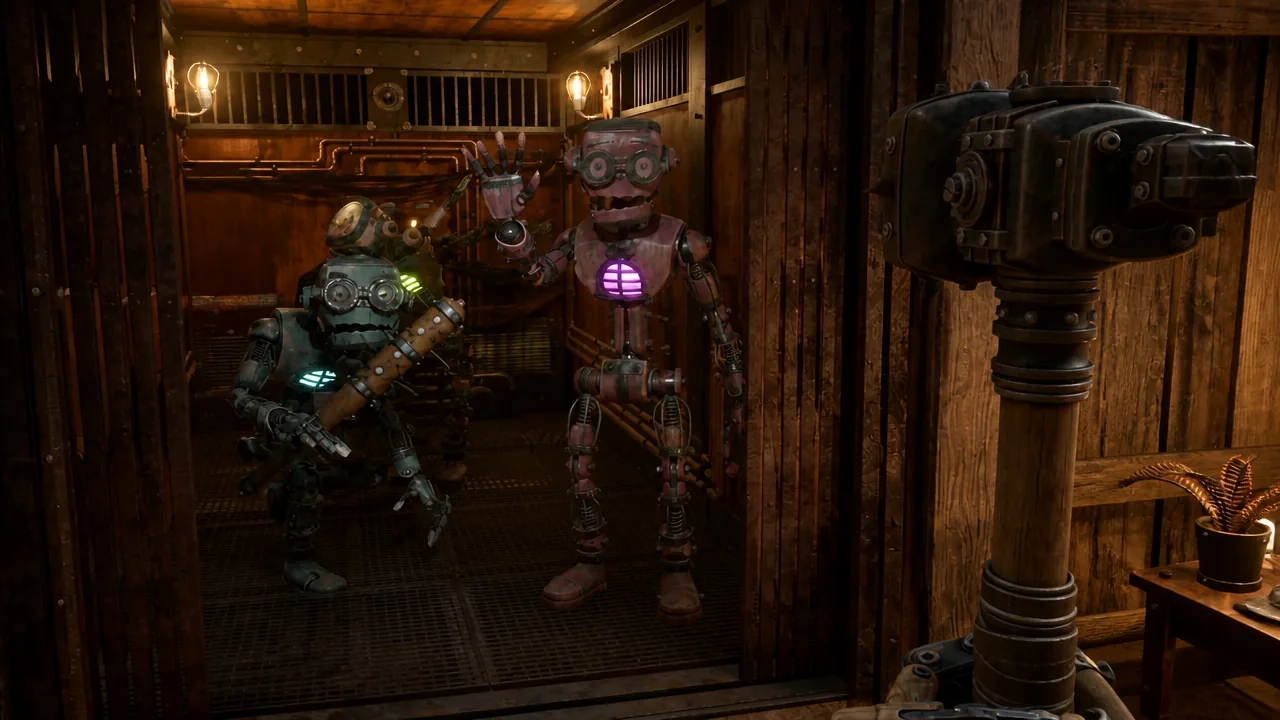
The Outpost is your home base between runs. There you spend collected furniture and resources to unlock interactive furniture and stat upgrades. These improvements are how you strengthen your character and increase your survival chances before heading back underground.
This rebuild-and-improve step is the loop’s payoff. Runs supply the materials, the Outpost turns them into permanent gains, and those gains let you push deeper on the next attempt.
Enemies, corruption, and dying as a Spark
Underground, you face the Corrupted vessels. You can choose to fight them or run, and the physics-based chaos makes both options unpredictable. The deeper you go, the harder it gets, as body corruption and mutilation modifiers take hold and change how you play.
Death does not fully sideline you. When you die, you can keep playing as a Spark, so a downed teammate still has a role in the run.
Key features at launch
| Feature | What it does |
|---|---|
| Procedural dungeons | Explore shifting ruins, rip out furniture, and scavenge for loot |
| Outpost rebuild | Survive and rebuild to improve chances in future runs |
| Co-op play | Work together with others, or don’t |
| Depth modifiers | Corruption and mutilation effects grow the deeper you go |
| The Corrupted | Survive or defeat the enemy vessels |
| Spark mode | Keep playing as a Spark after death |
| Physics-driven chaos | Fully physics-based handling of objects and enemies |
| Cosmetics | Customize characters with “questionable cosmetics” |
Reception and player numbers so far
Early Steam reviews sit at “Very Positive,” with players calling out the level of polish and noting more depth than a typical quick co-op title. The rewarding progression and the way it borrows from Lethal Company and REPO without feeling like a clone are the recurring points of praise.
Player counts started modest. The game peaked at 4,388 concurrent players on its first day, which is common for co-op releases that tend to grow through word of mouth over the weeks after launch rather than at the moment they go live.
You can grab it from its official Steam page. It sits alongside other physics-heavy co-op hits like PEAK, RV There Yet, REPO, and Meccha Chameleon, and it carries the roguelike tag on Steam thanks to how its runs are structured.