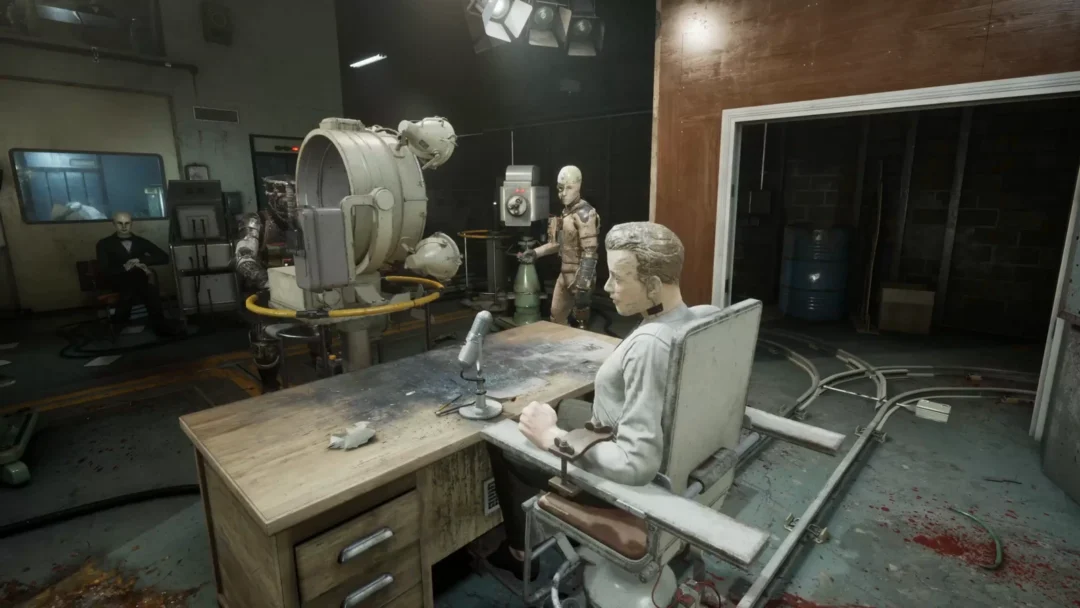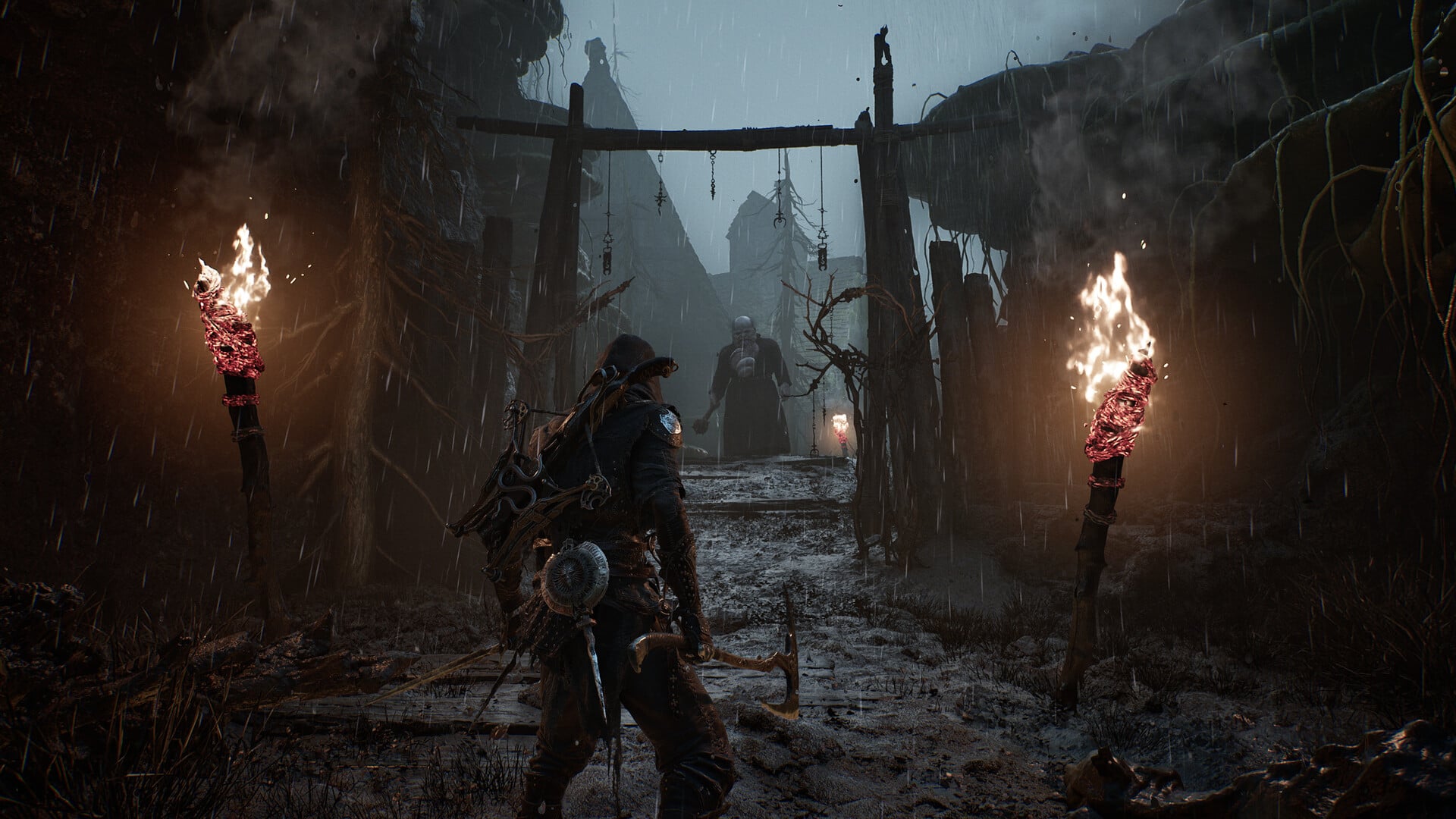
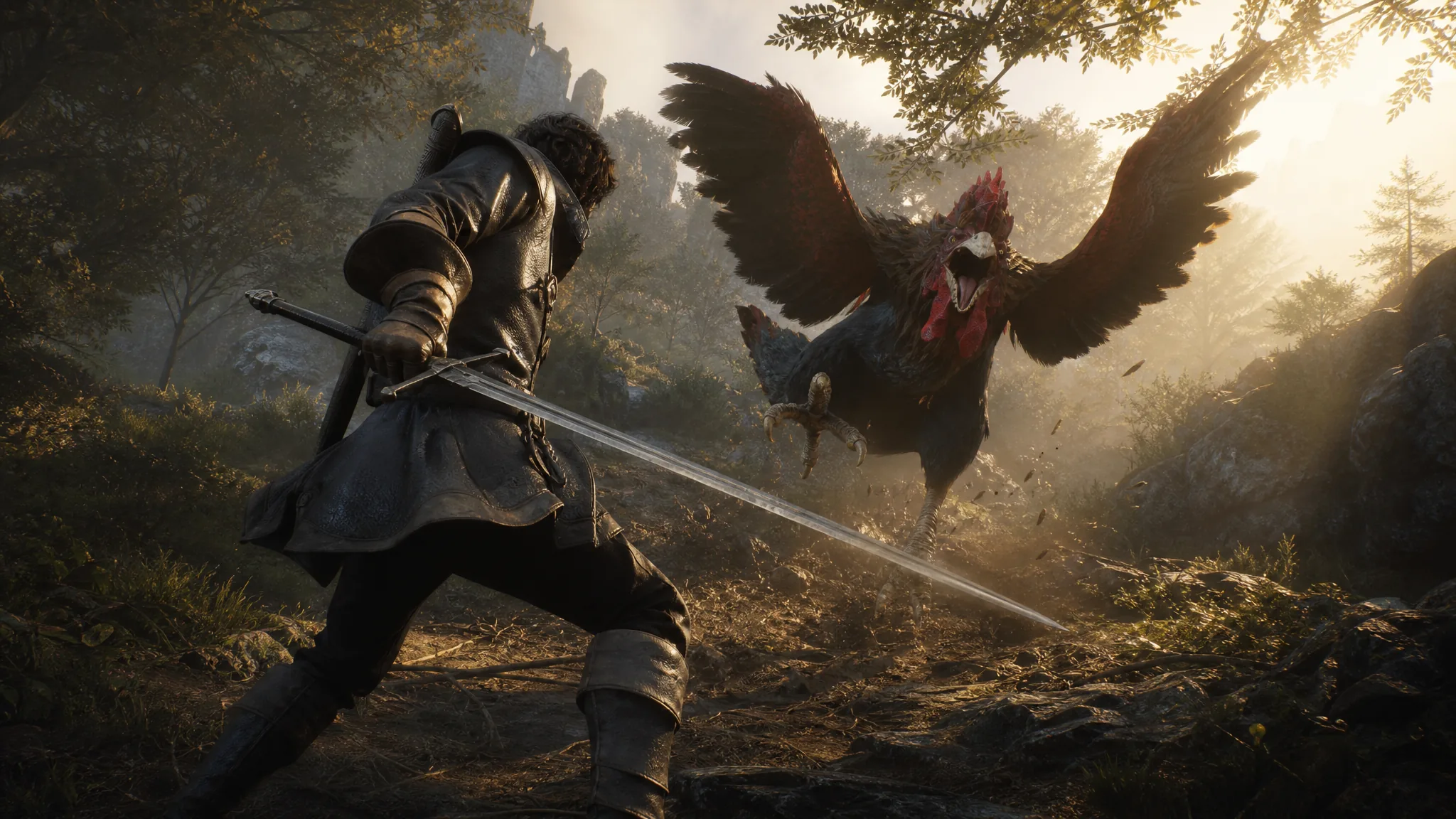
Fable’s combat is built around three styles you can flow between in the middle of a fight, rather than committing to a single class. A hands-on demo run through a quest called ‘Mud and Death’ shows how melee, ranged, and magic stack together, letting you open with one approach and finish with another without stopping to fiddle with menus.
Quick answer: Swap freely between melee, ranged, and magic during any fight. Weaken or crowd-control a group with a spell, stagger tough enemies with ranged shots at their weak points, then close in and finish them with a heavy melee weapon.
Strength, Skill, and Will: the three pillars
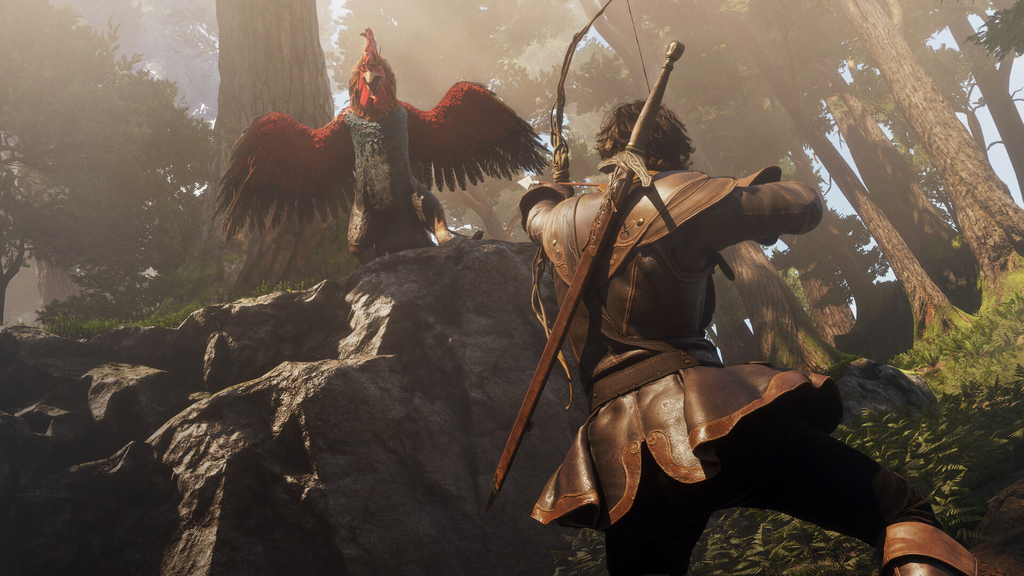
The combat keeps the original trilogy’s “Strength, Skill, and Will” framework but rebuilds how those pillars interact. Strength covers melee, Skill covers ranged weapons, and Will covers spells. Instead of locking you into one lane, all three sit on the controller at once so you can chain them together in real time.
Your equipment and skill choices change how a fight plays out before it even begins. Two runs through the same demo with different loadouts produced very different playstyles, which is the point. What you bring into the mine decides whether you fight from range, up close, evasively, or by controlling crowds. The breakdown from Playground Games lays out how the pillars slot together in the ‘Mud and Death’ quest, where The Hero joins Heroes’ Guild leader Humphry inside a flooded, haunted mine full of ghosts and skeletons.
Melee weapons and how they hit
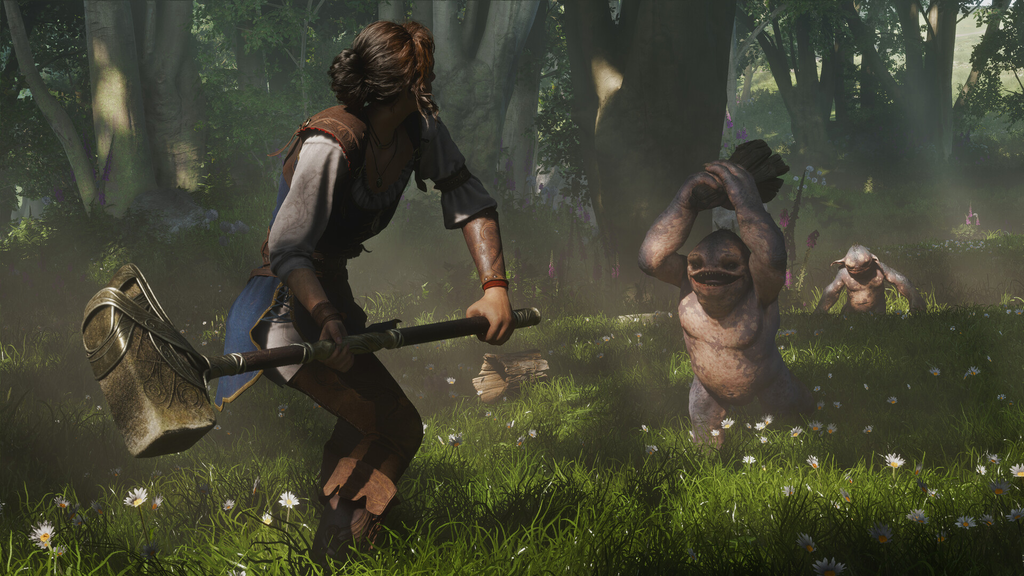
The demo Hero carried a two-handed Bower Hammer. It swings slowly but hits hard, dropping weaker enemies in a single blow and holding up well once armored foes start appearing. In a small touch, Humphry calls out your weapon choice as you head into the mine.
The hammer’s wide arc lets one button press strike several enemies at once. A charge attack builds on that, sending The Hero spinning across the room with multiple strikes. You are not defenseless without a shield either, since you can dodge and parry incoming attacks. A well-timed parry can knock a skeleton’s head clean off, leaving it staggered, open to counters, and far less accurate even if you do not follow up. Weapon-specific finishers round out the set for a fast, showy melee flow.
Every spell and what it does
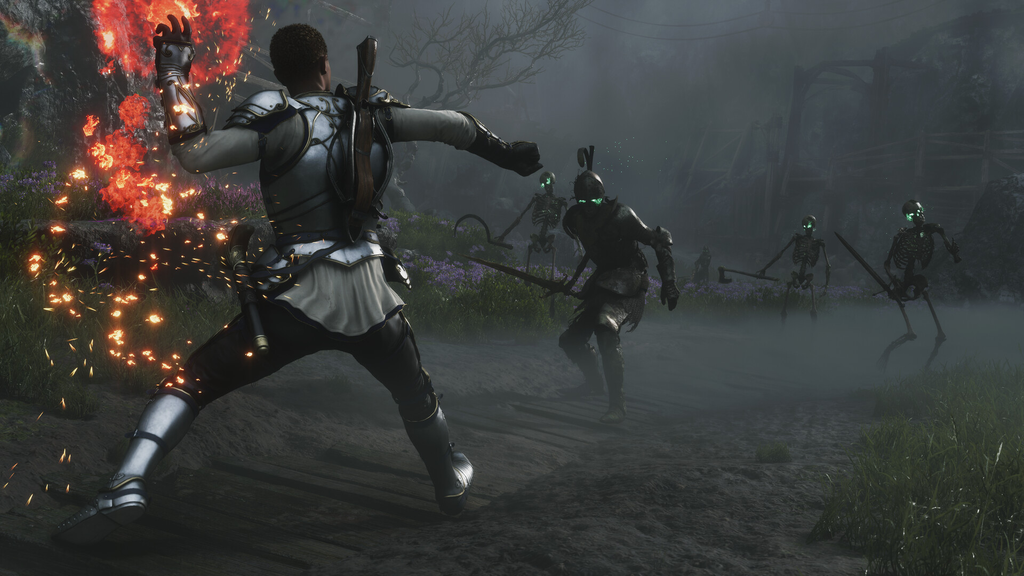
Spells live in a four-slot menu. You cast by holding RT and pressing one of the ABXY buttons, and each spell then goes on a cooldown. The mix you pick shapes your whole approach, whether you want raw damage, crowd control, mobility, or a way to cover gaps left by your weapons.
| Spell | Effect |
|---|---|
| Fireball | Quick interrupt, or charge it up for a room-clearing explosion. |
| Lightning | Calls down bolts that can chain to nearby enemies. |
| Blades | Spawns phantom daggers to take out several distant threats. |
| Lift | Pulls a group of enemies into the air; cast again to slam them back to the ground. |
| Rush | Teleports you behind a target for a surprise melee hit, and lets you travel vertically to reach archers. |
| Push | Forces surrounding enemies back; pairs with Rush to knock foes off ledges. |
| Befowl | Turns enemies into harmless chickens; used on undead, it makes an undead chicken. |
Lift is a strong setup tool because a lifted group can be followed up with ranged attacks or Lightning. Befowl leans into a long-running Fable joke, and you can boot a befowled enemy away once it is harmless.
Ranged weapons: bow vs crossbow
Ranged combat is about picking targets off from a safe distance and hitting weak points. The two demo weapons play very differently, so your choice affects which enemies you can deal with cleanly.
| Weapon | How it plays |
|---|---|
| Deepwood Bow | Slower draw speed but high accuracy, ideal for popping skeleton heads before a fight starts. |
| Repeater Crossbow | Fires a fast hail of weaker bolts, strong against Wraiths that fall in a couple of hits. |
Ranged shots are also the best way to hit weak points. Shooting an unarmored enemy in the leg makes it stumble, and against the flying Lantern Keeper, hitting its lantern weak point with a ranged weapon works better than spells do.
Enemies you face in the mine
Fights lean on numbers, and many enemies can summon more, so a group keeps growing if you ignore the right targets. Three enemy types define the demo encounter.
| Enemy | Behavior |
|---|---|
| Hollow Folk | Fable’s skeletons, in melee, ranged, and armored variants. Armored ones ignore ranged attacks. Any can be dismembered where they lack armor, but keep fighting anyway. |
| Wraiths | Fast, weak flying ghosts that spawn and possess more Hollow Folk. Defeat those Hollows and the Wraith pops back out for a second stage. |
| Lantern Keeper | A large, slow, flying mini-boss with a big health bar, an unblockable fire breath, explosive projectiles, and the ability to spawn Wraiths. |
Because Wraiths keep feeding fresh enemies into a fight, clearing them first is usually the safe call. Armored Hollow Folk force you to change tactics mid-fight, since ranged damage bounces off and melee has to target unarmored spots.
Release details and platforms
Fable launches on February 23, 2027, on Xbox Series X|S, PC, and cloud, and it is included with Game Pass. It supports Xbox Play Anywhere, so a single purchase covers both console and PC. Players who buy the Premium Edition get early access beginning February 18, up to five days ahead of the standard launch.