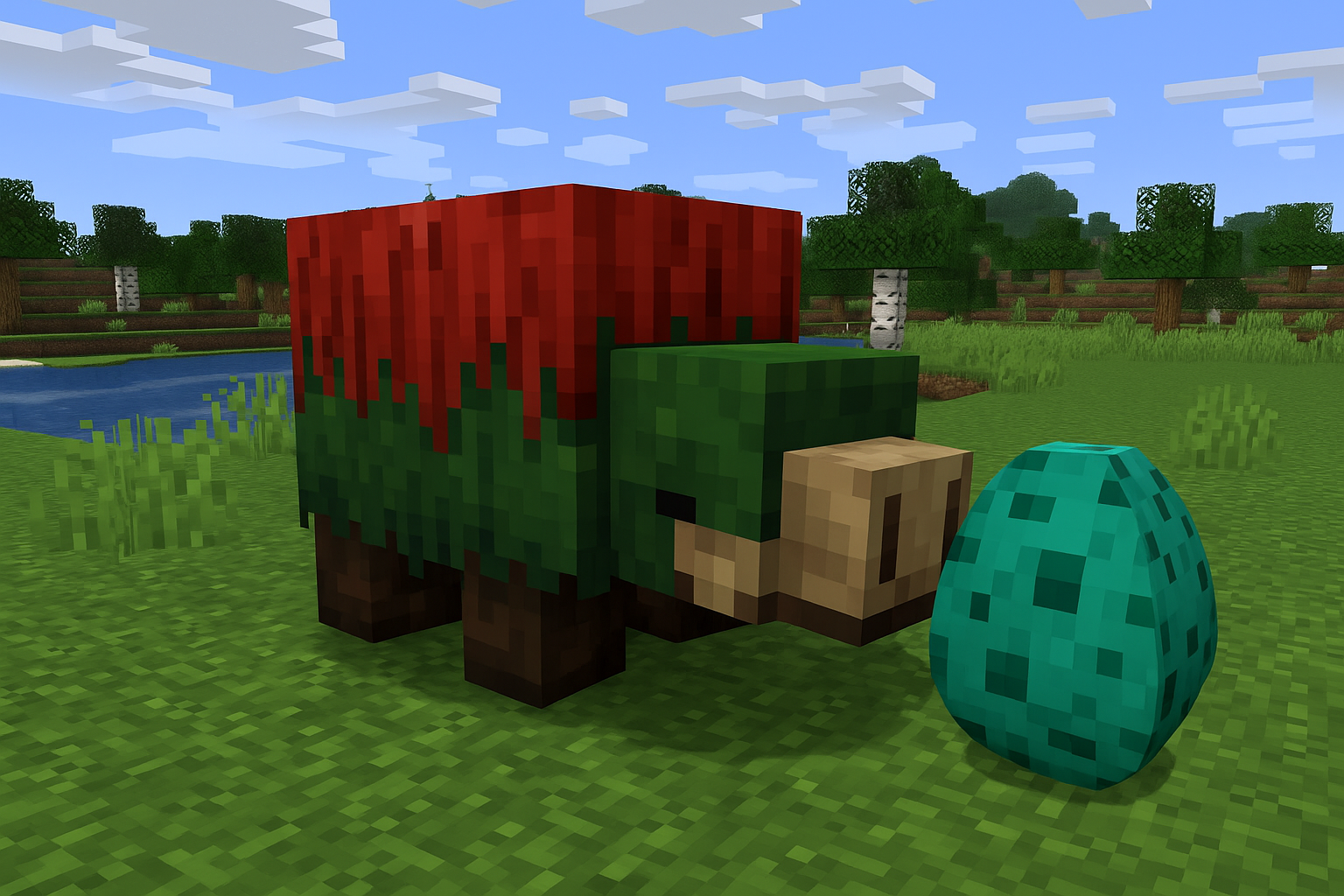
Craft a brush and target warm ocean ruins to unearth suspicious sand; that’s where sniffer eggs come from. After you hatch two sniffers, breeding produces more eggs on demand, letting you scale up quickly while you explore the plants this mob uncovers on land. If you’re new to the sniffer, see the official overview on Minecraft.net for context on the mob and its role in Trails & Tales: Sniffer.
What you’ll need
- Brush (recipe below) to extract items from suspicious sand without destroying them.
- Warm Ocean biome access (coral reefs and aquamarine water are reliable indicators).
- Water Breathing and Night Vision potions for safer, faster underwater work.
- Doors or ladders to create quick air pockets during early dives.
- Raw cod or salmon to feed dolphins, which can lead you to nearby ruins.
- Moss blocks to cut sniffer egg hatching time in half.
Method 1: Breed sniffers for repeatable eggs (best for ongoing supply)
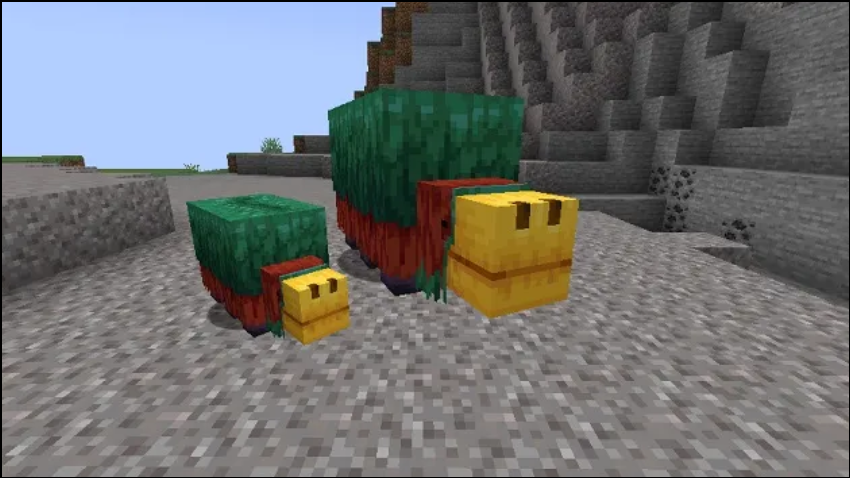
Acquire two adult sniffers by hatching eggs or trading with other players on your server. Breeding requires two adults; a single sniffer can’t produce eggs.
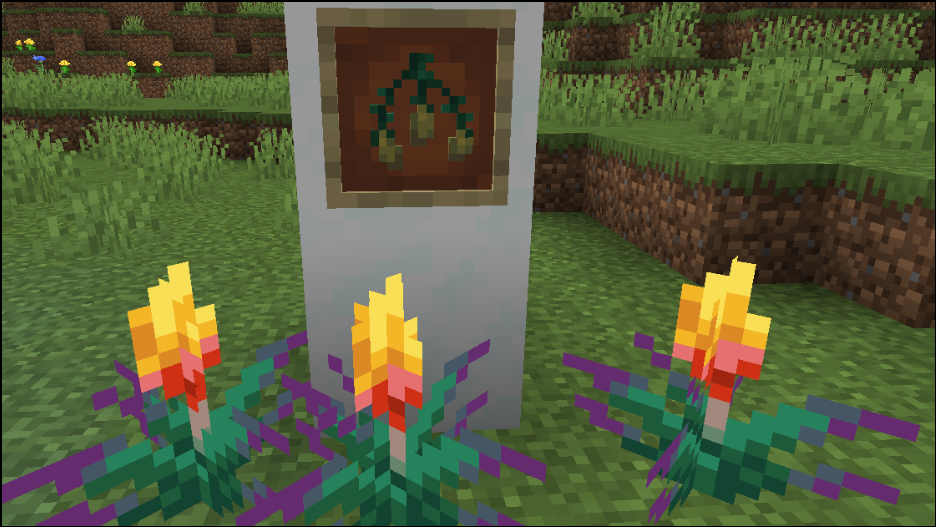
Feed each adult sniffer one torchflower seed to enter love mode. Torchflower seeds are the correct breeding item for sniffers.
Pick up the sniffer egg that drops as an item. Unlike turtle eggs, you can collect it directly and place it later wherever you choose.
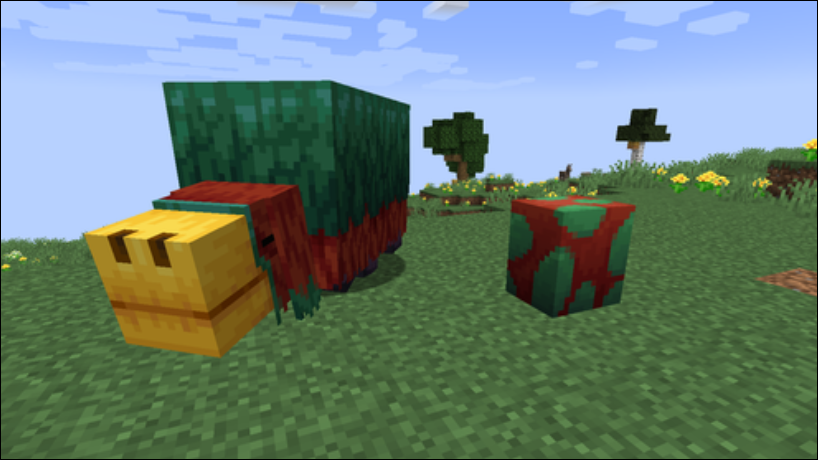
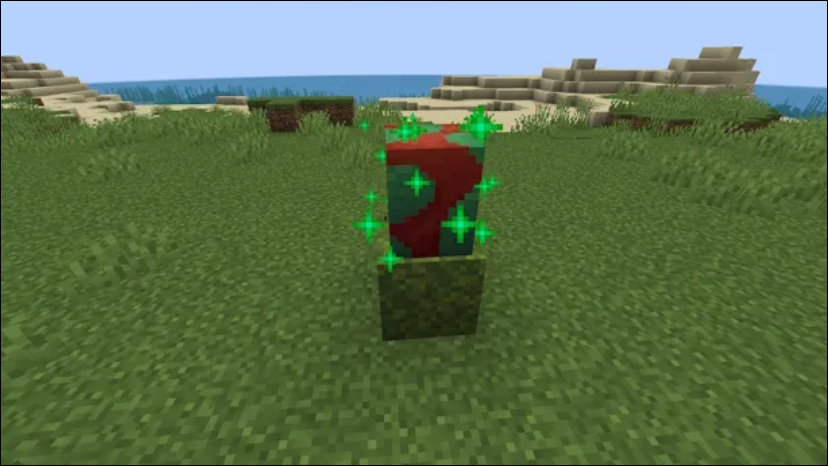
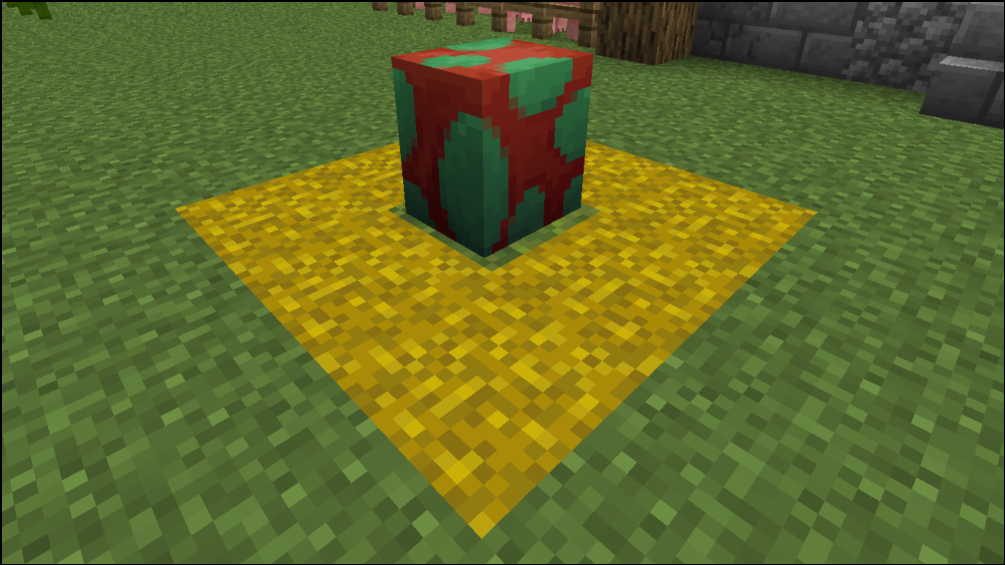
Place the egg on a moss block to reduce hatch time to roughly 10 minutes. On non-moss blocks, expect about 20 minutes.
Wait five minutes before breeding the same two sniffers again. This cooldown defines how quickly you can scale your egg supply.
Method 2: Brush suspicious sand in warm ocean ruins (best for your first egg)
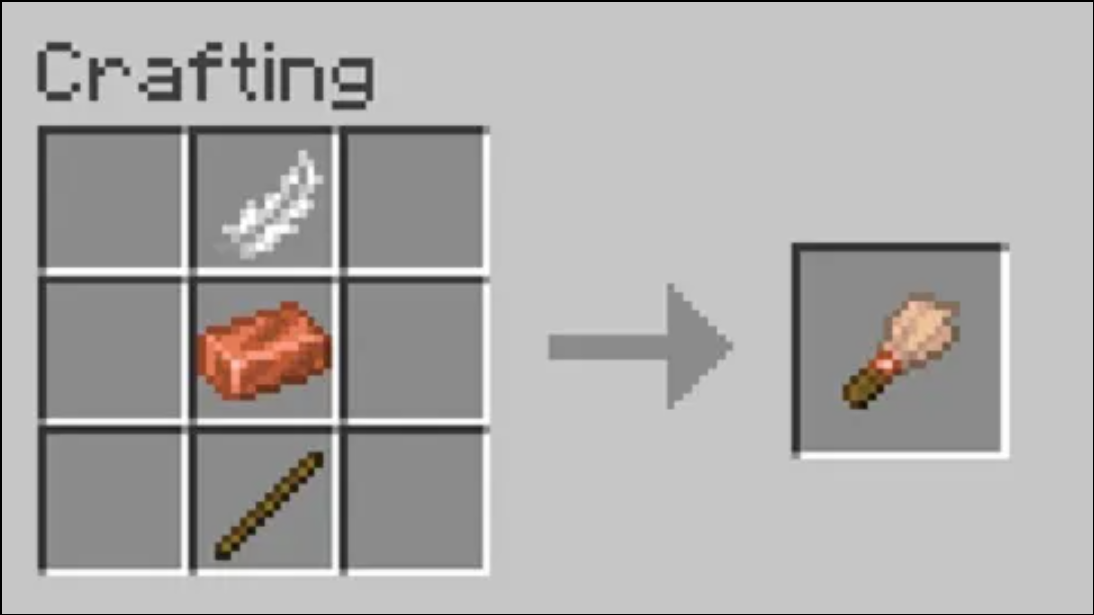
Craft a brush. Recipe (3×3 crafting grid): feather in the top-center slot, copper ingot in the center slot, stick in the bottom-center slot.
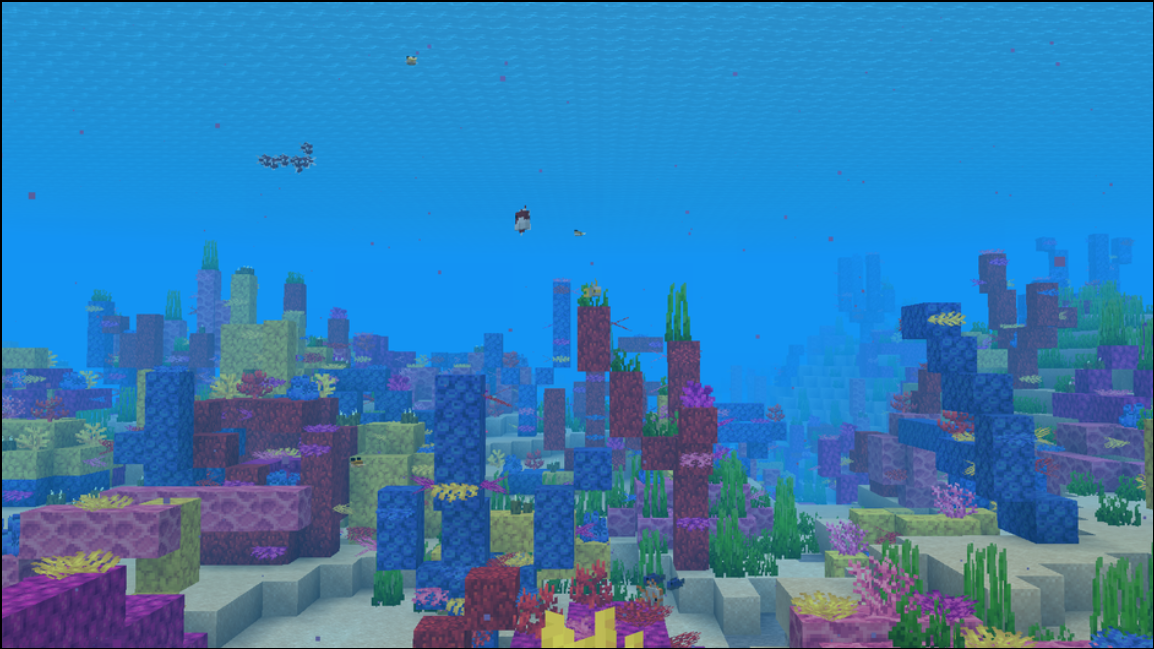
Locate a Warm Ocean biome by scanning for coral reefs and light aquamarine water. These biomes commonly border deserts and badlands.
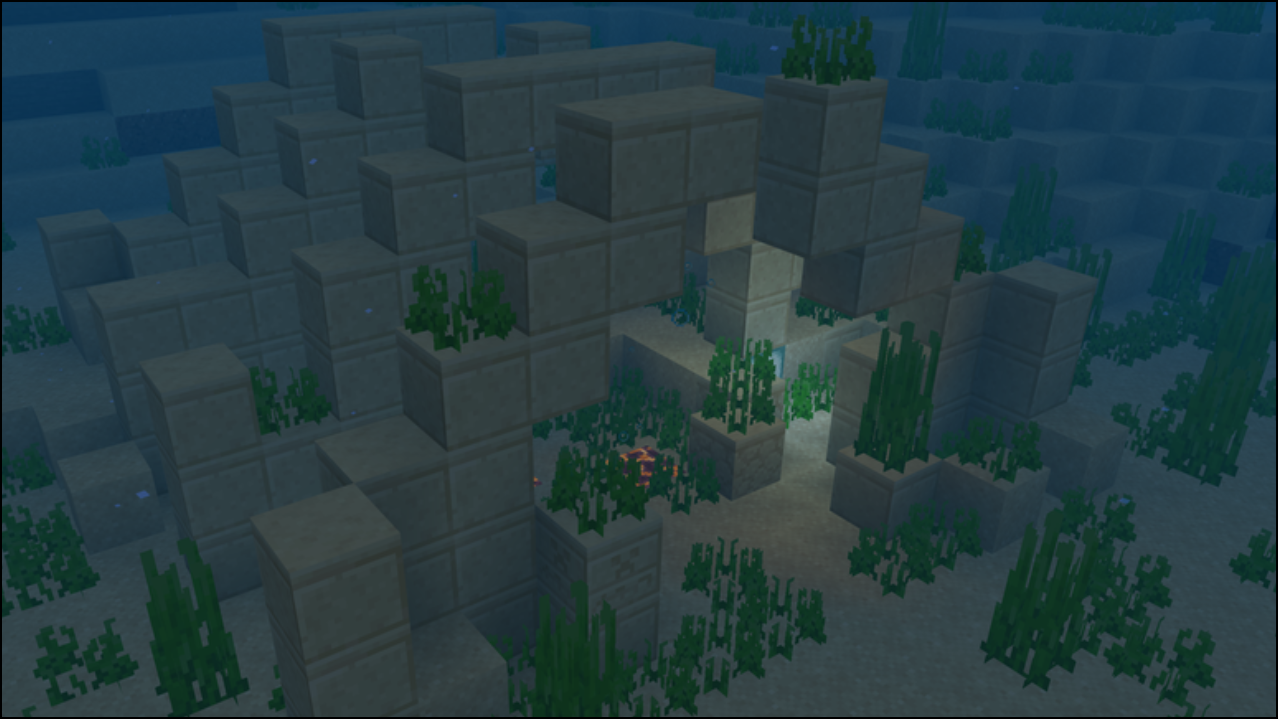
Find warm ocean ruins, which are the sandstone variant of ocean ruins. Cold ruins made of stone bricks do not contain sniffer eggs.
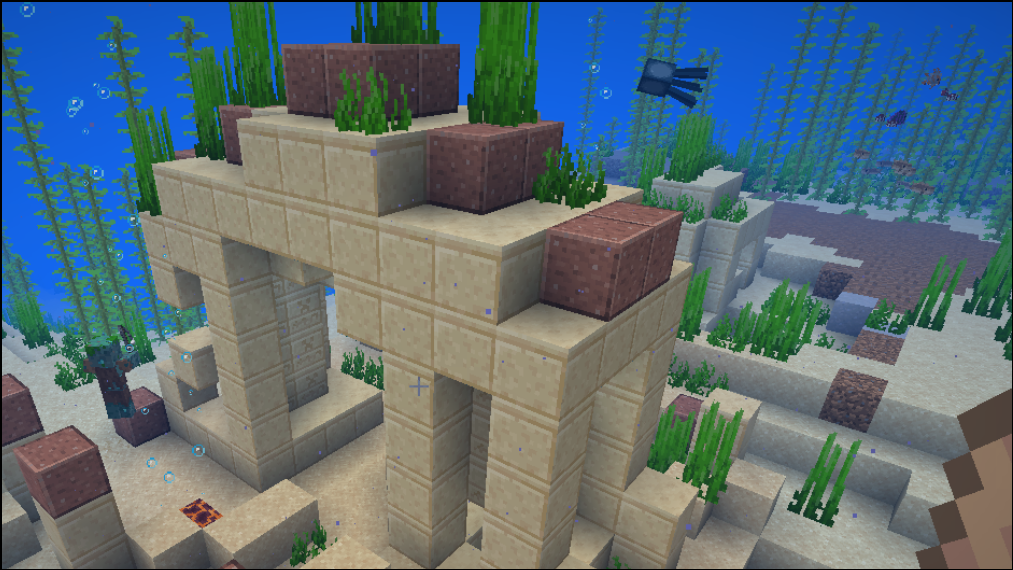
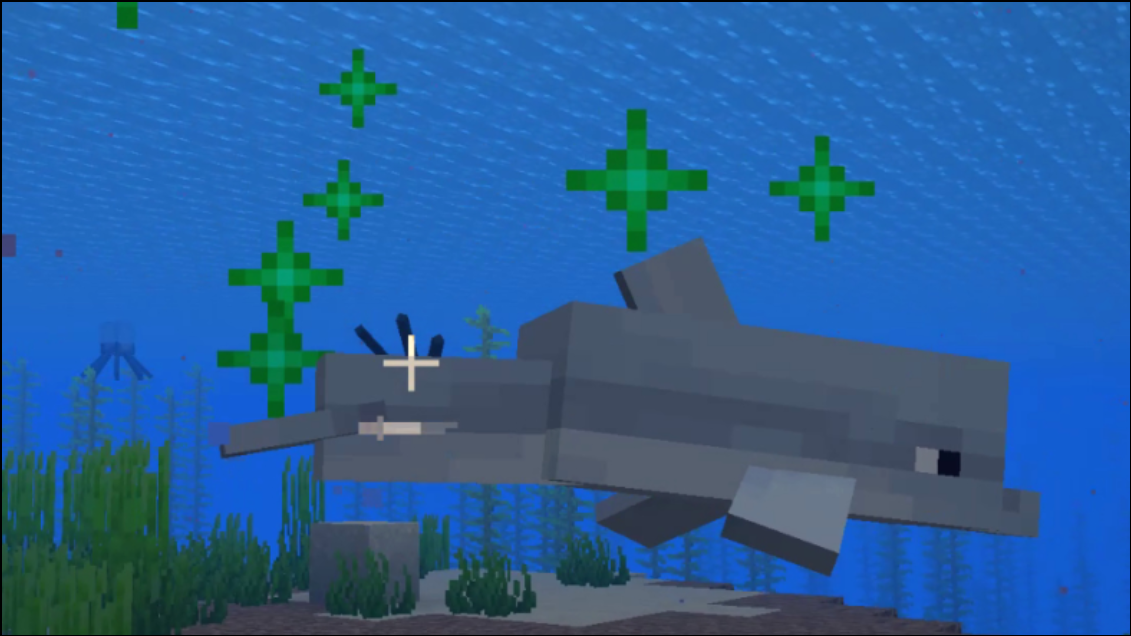
Feed a dolphin raw cod or salmon to have it guide you to a nearby ruin or shipwreck. This speeds up structure discovery significantly.
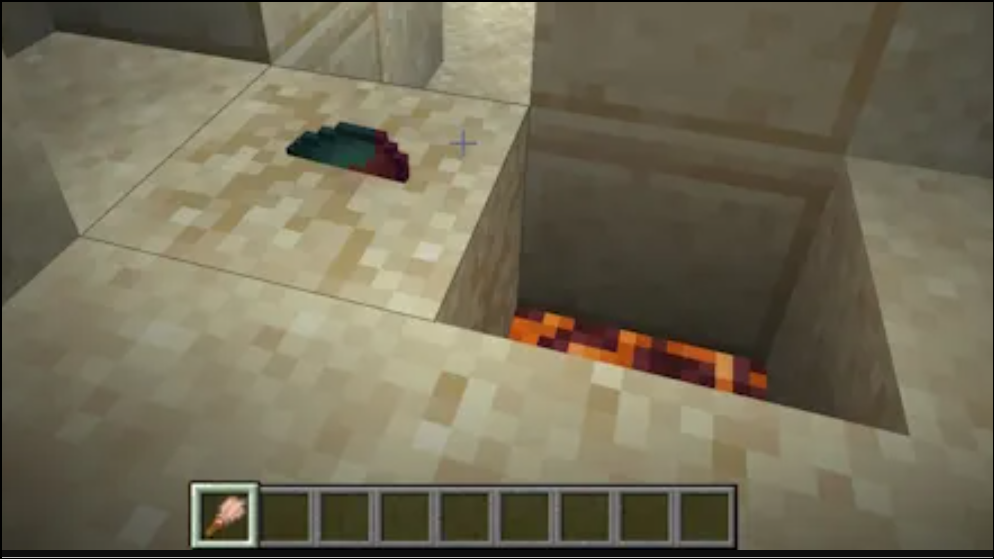
Search the base and perimeter of the sandstone ruins for suspicious sand blocks. These have a subtly disturbed, “cracked” texture compared to normal sand.
Use the brush on suspicious sand until an item emerges. Breaking the block with normal tools destroys the hidden item, wasting the dig.
Continue brushing multiple suspicious sand blocks until you uncover a sniffer egg. Expect about a 6.7% chance per suspicious sand block, so plan to search several.
Collect the egg as an item and relocate it to a safe hatching spot. You can place it in your base rather than hatching underwater.
Place the egg on a moss block to halve hatch time. The egg will progress through visible crack stages before a snifflet emerges.
Troubleshooting and practical tips
- Search new chunks. Content added with archaeology generates in chunks created after the feature release; previously explored areas often lack the new loot tables.
- Reach fresh terrain quickly via Nether travel. A nether portal moved 1,000 blocks in the Nether places you roughly 8,000 blocks away in the Overworld.
- Confirm the structure type. Eggs are only in suspicious sand at warm (sandstone) ruins; cold (stone brick) ruins won’t roll this loot.
- Brush everything you find. Besides eggs, suspicious sand also yields pottery shards, armor trims, and other items, increasing overall value per trip.
- Hatching specifics. In Java Edition, egg hatching isn’t affected by
randomTickSpeed; timing is fixed by placement (moss vs. other blocks). - Handling eggs. Sniffer eggs can be mined by hand and always drop themselves; Silk Touch isn’t required.
- Scale using breeding. Once you have two adults, torchflower seeds convert into eggs on a predictable five‑minute cycle, making breeding the fastest way to stockpile eggs.
After your first hatch, maintain a small moss-lined nursery to speed future eggs, and shift to breeding for a steady flow; archaeology becomes optional once your sniffer pair is established.