Recruiting and training the same character across more than one Part 1 path in Fire Emblem: Fortune’s Weave is not wasted effort. Once you reach Part 3, the Merge Causality option lets you fold the useful progress from those alternate versions into the copy you recruit in Part 3, giving that unit access to a wider spread of classes, abilities, and combat arts.
Quick answer: After unlocking Part 3, go to the Shrine of Causality in the Obelisk Chamber, select Merge Causality, pick an eligible unit and the Part 1 path version to inherit from, then spend the shown Karma Shards.
Requirements to merge a unit’s versions
A character qualifies for Merge Causality only after all of the conditions below are satisfied. Recruiting during Part 3 does not require repeating the original path criteria. If that character joined you on a Part 1 path, that path’s version becomes available when the character joins you again in Part 3.
- Recruited the character during more than one of the four Part 1 paths.
- Completed the relevant Part 1 path with that character recruited.
- Recruited the same character again in Part 3.
Where to find Merge Causality
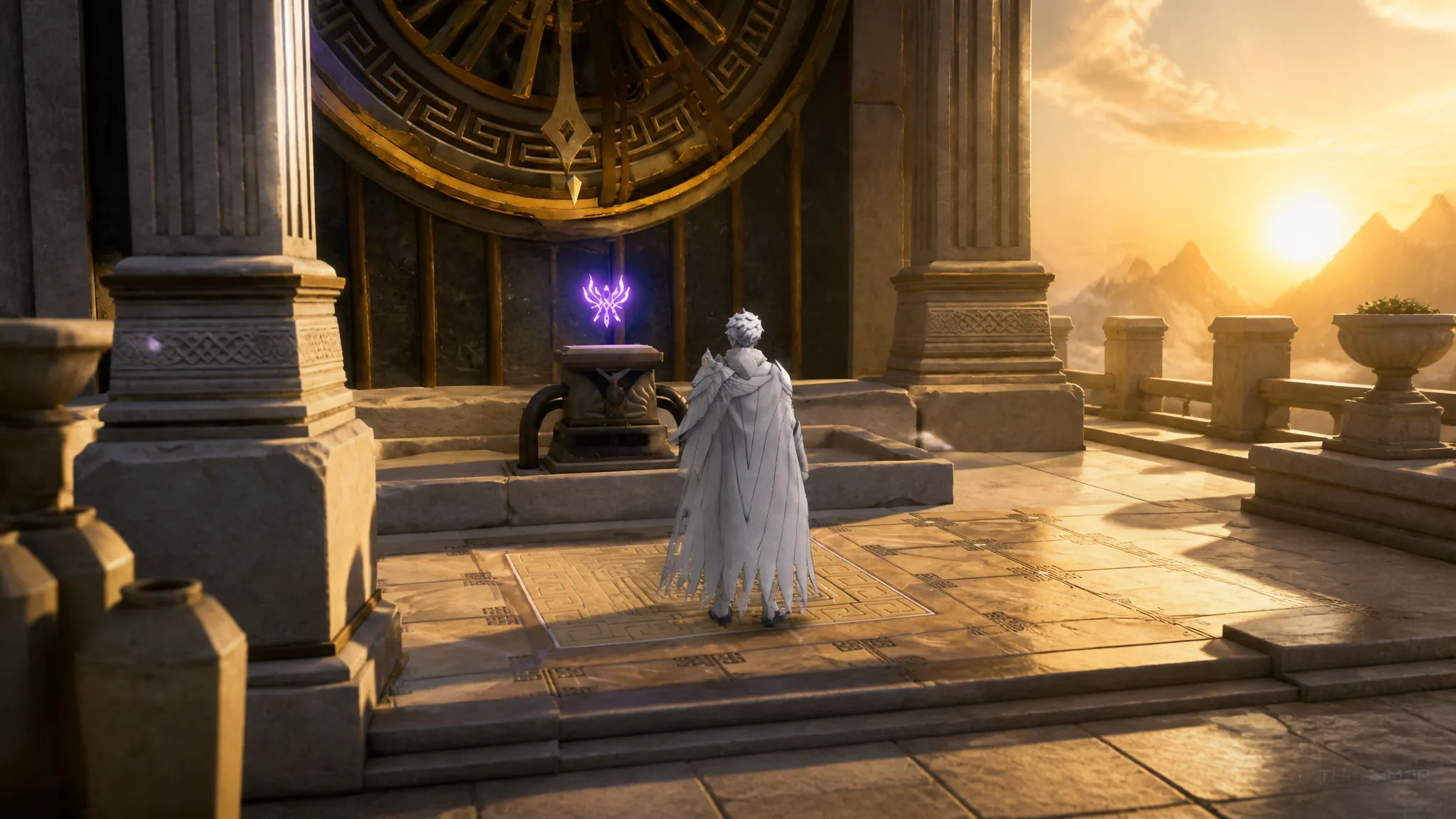
Merge Causality unlocks the first time you reach Part 3. Visit the Shrine of Causality in the Obelisk Chamber to find the option. Because the Obelisk Chamber stays accessible throughout the story, you can postpone the process instead of merging every eligible character immediately after Part 3 starts.
How to merge different versions of a unit
What carries over in a merge
Merge Causality can only improve the result. Progress worth keeping from the chosen Part 1 version joins the Part 3 unit, while a stronger existing result is protected from replacement by a weaker one. Abilities and combat arts transfer as well, and each stat uses the higher of the two values. The numbers are not combined, so the finished unit retains the best individual value from either version.
The preview can show any of the following before you spend shards:
- Higher stats.
- Higher weapon or skill levels.
- Additional classes.
- Mastered-class abilities.
- Combat arts.
For a concrete example, a Seteth recruited in both Cai’s Path and Theodora’s Path can benefit from a Theodora’s Path copy that was reclassed to Cataphract and mastered it. Merging that version into the Part 3 Seteth grants him access to Cataphract along with Pavise, the ability earned by mastering that class.
Plan duplicate recruits across paths
Careful planning makes this system much more effective. Recruit a shared favorite on several Part 1 paths, then build each copy toward a different goal for the best results. Instead of repeating one setup, let one copy master a mounted class, have another develop a separate weapon type, and give a third abilities from another class line. You can combine all of those results into one adaptable unit in Part 3.
Since reclassing costs nothing, this strategy is especially practical. Send duplicate copies through varied classes at no charge, then spend Karma Shards later to combine the classes and mastery rewards they earned onto one character.
This approach pays off most for:
- Units you intend to keep using across Part 3.
- Units that need abilities from several class lines.
- Characters whose available weapon types you want to expand.
- Avoiding the Part 3 time investment required to train those classes again.
Recruiting the same character on several paths only helps if you train each version differently. Four identical builds offer far less value than dividing class masteries, weapon training, and ability unlocks across those paths.
Karma Shards are earned through Notable Deeds, which progress globally rather than being tied to any single lord. Once you have unlocked the Boons of Salvation you want, remaining Karma Shards can only be spent on Merge Causality, so any surplus naturally flows toward building stronger units. Plan your path differences early and the merge becomes one of the most effective long-term progression tools in the game.