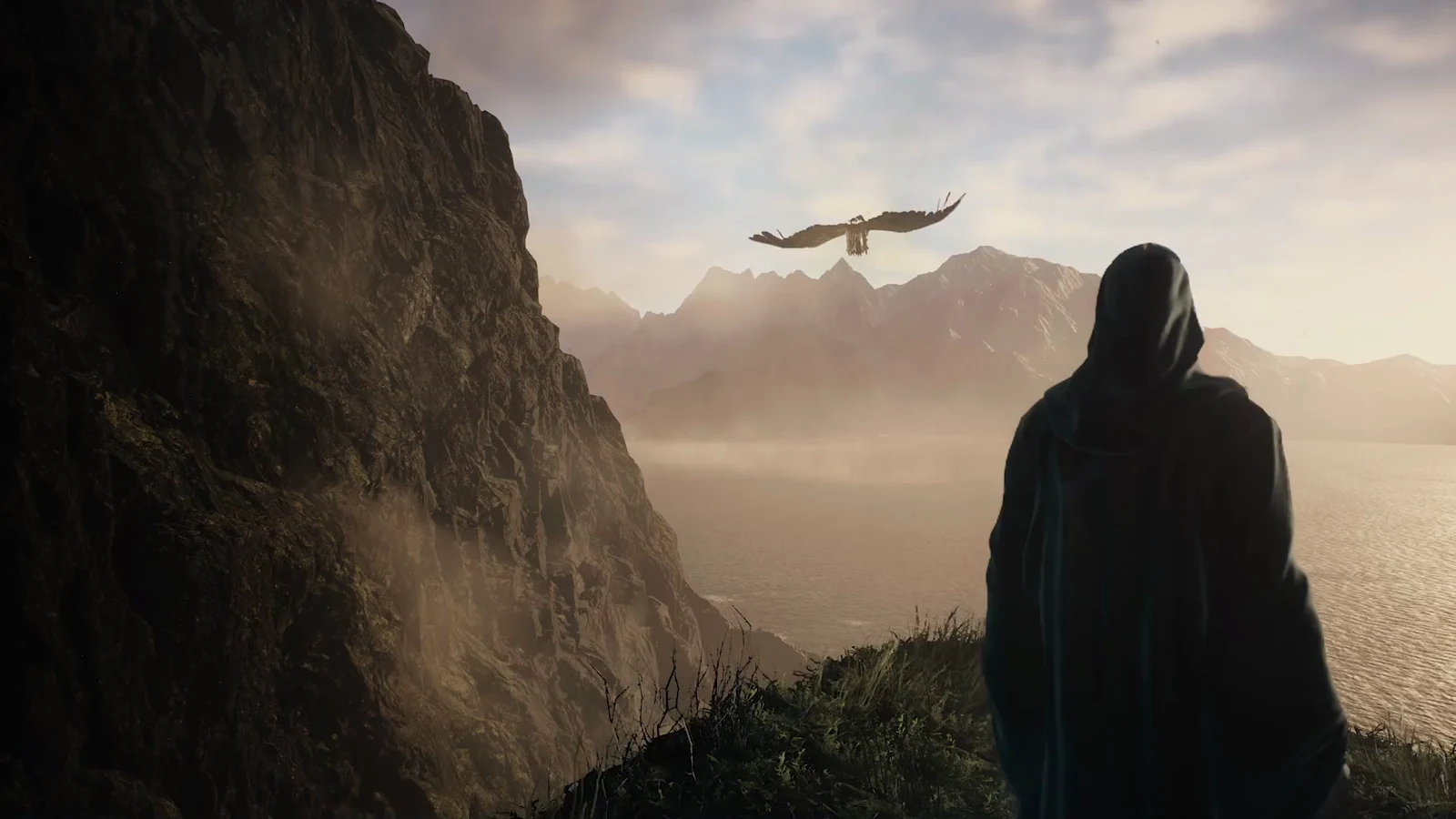
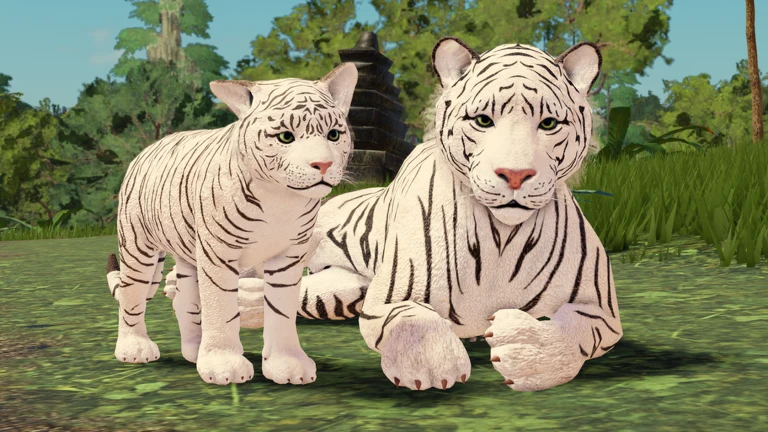
The Anaconda is a playable reptile in Jungle Life, the Roblox animal survival game from NOYO Productions. It arrived on October 9, 2026, and stands apart from the game’s big cats and herbivores because it is the roster’s first snake. Instead of a pounce or a charge, it wraps around prey and squeezes, and it moves freely between the riverbed, the shallows, and the treetops.
Quick answer: The Anaconda is Jungle Life’s first snake, with constriction and biting attacks, thermal night vision, tree climbing, above- and under-water swimming, and a growth system that runs from juvenile to 100% adult size.
Movement across land, trees, and water
The Anaconda slithers across the jungle floor, climbs vertically up tree trunks, and swims both on the surface and fully submerged. That underwater movement is central to how it plays. It can wait beneath the river line, surface to strike, and then drag a caught animal back under.
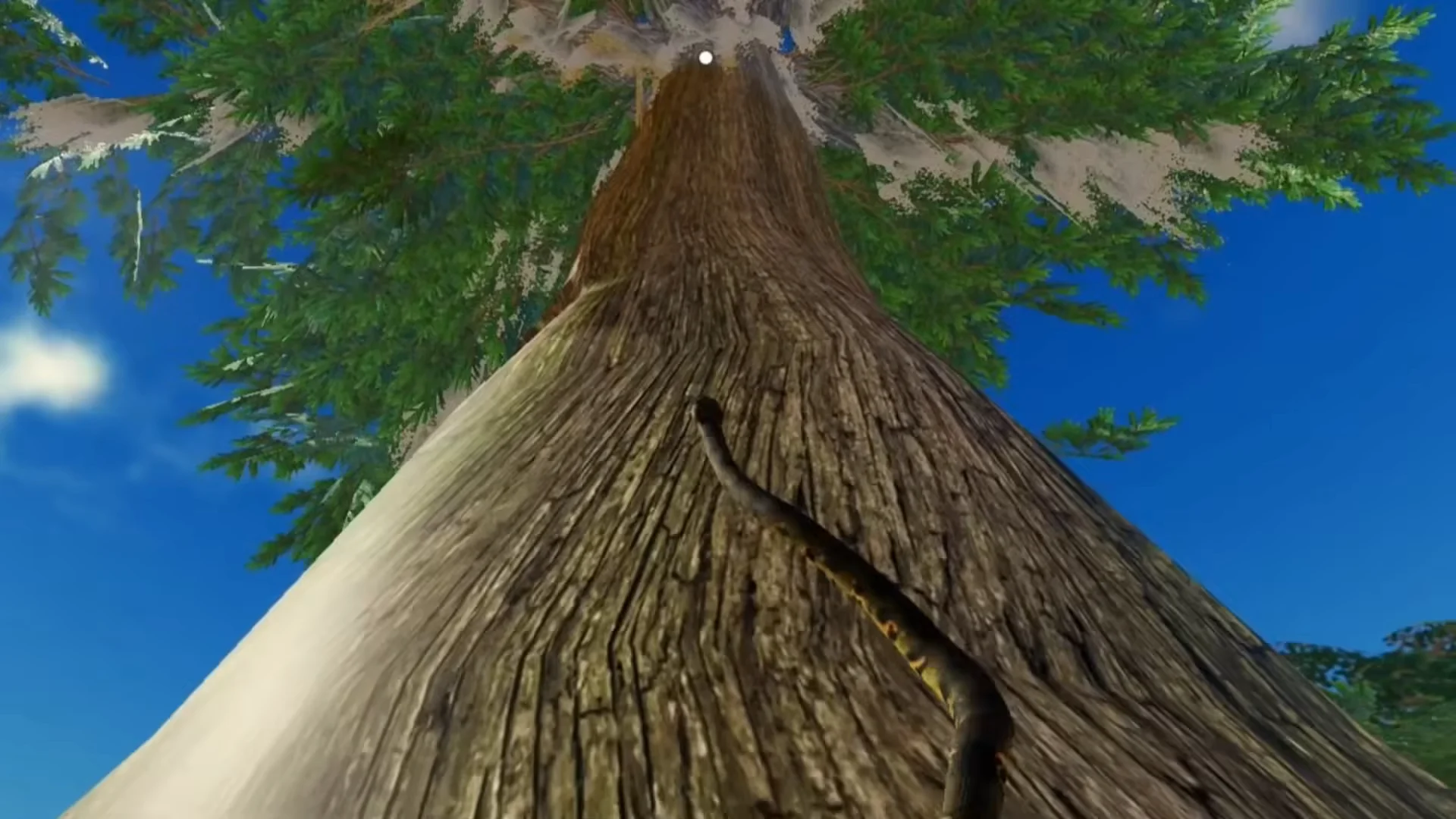
Climbing opens ambushes that ground predators cannot set up. From the palm trees and canopy, the snake can drop onto animals passing below, including prey crossing near the water’s edge. On land it is more exposed, and overextending onto the bank is a common way to get surrounded by other predators.
Constriction and biting attacks
The Anaconda has two forms of attack. A bite is a direct frontal strike. Constriction is the signature move: the snake wraps its body around a target, trapping it in place and dealing damage over time while it is coiled. A circular timing interface handles the moment-to-moment input for constricting, drinking, and other short actions.
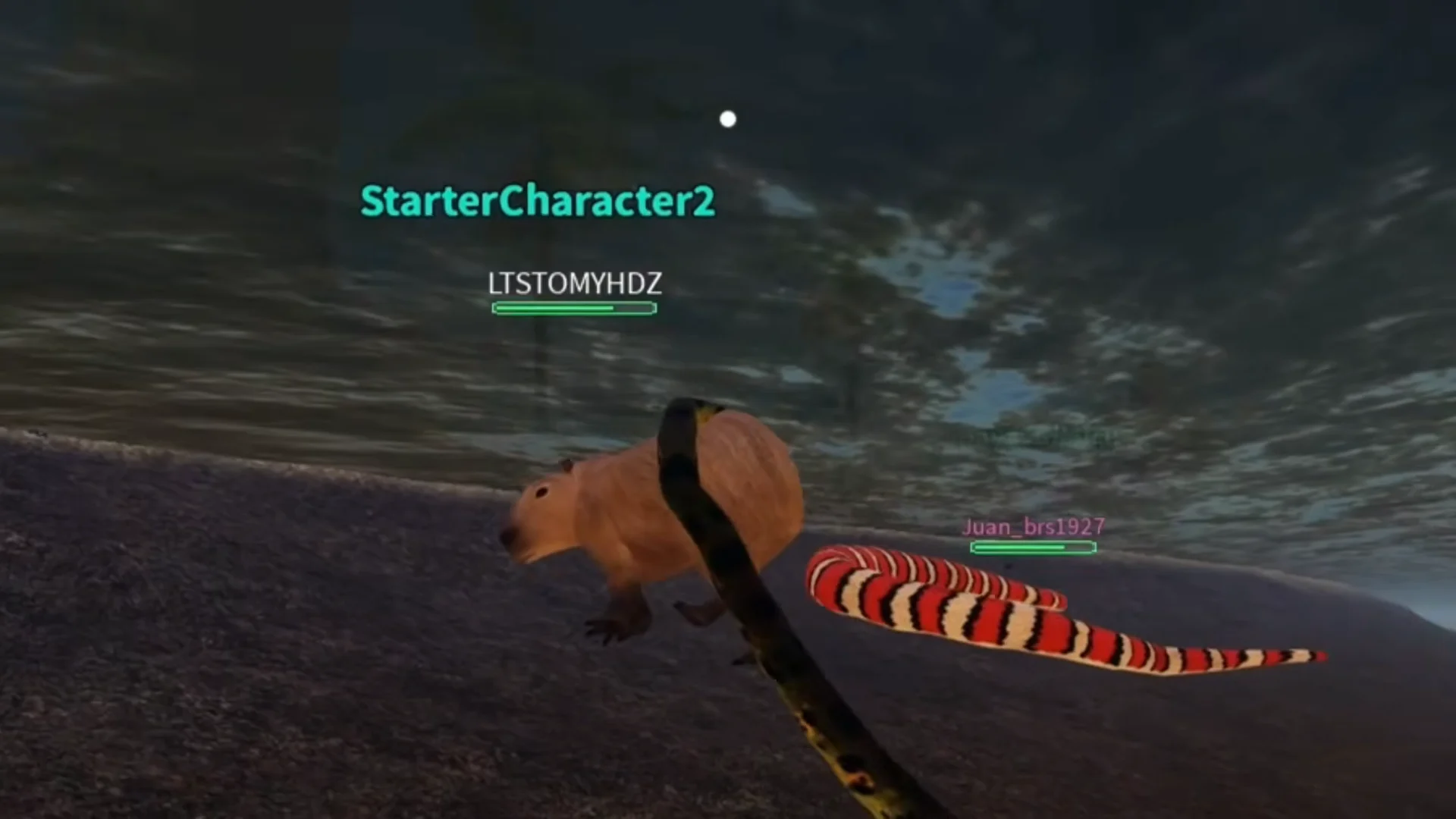
Constriction pairs naturally with the snake’s swimming. Catching an animal and pulling it underwater removes the target’s footing and finishes the kill away from other predators on the bank.
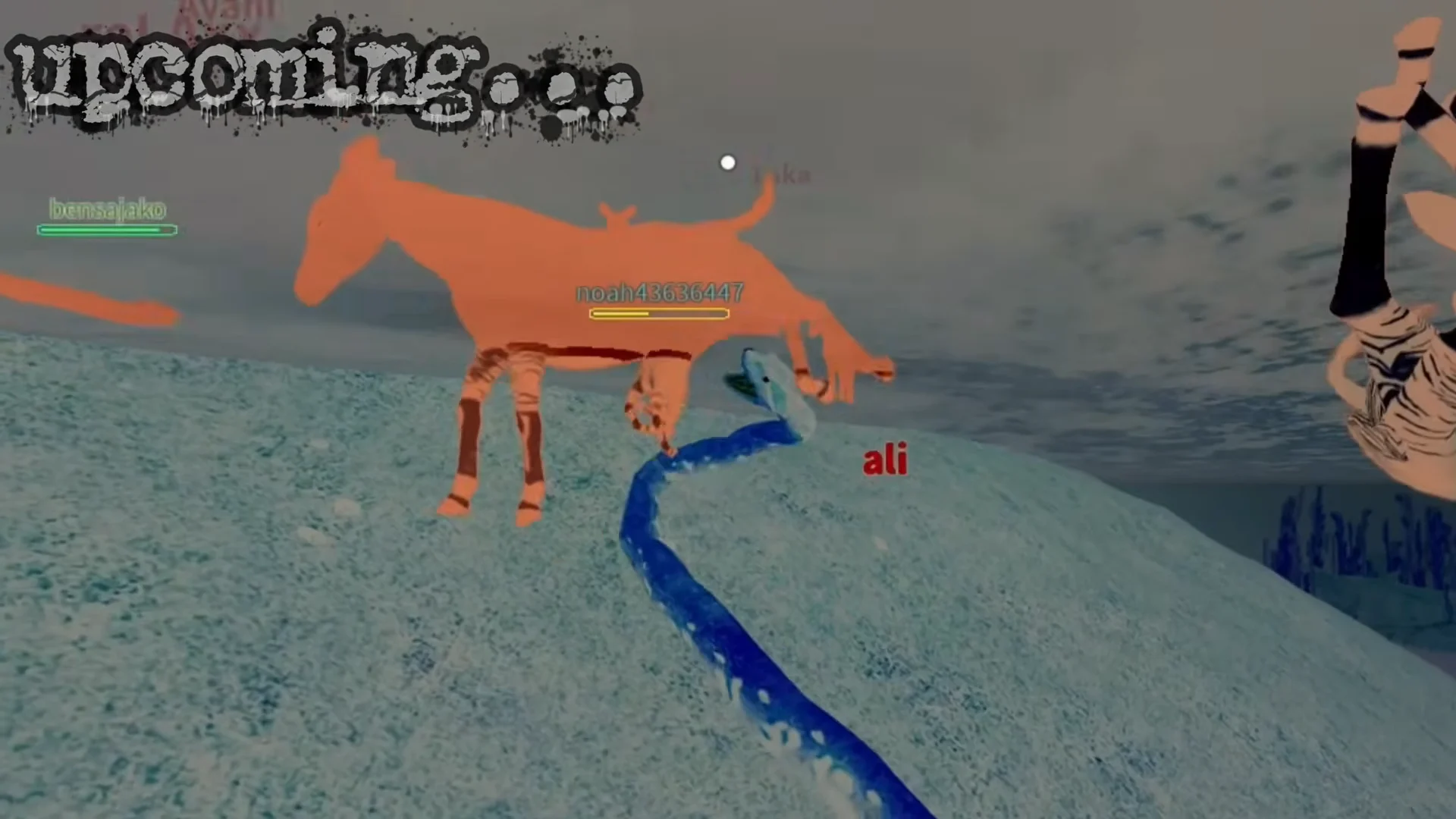
Thermal night vision
The Anaconda has a thermal, or night, vision mode. Switching it on applies an inverted color filter, washing the scene in purple and red hues so animals stand out against the dark jungle. It is built for tracking prey after nightfall and across shadowed shallows where normal vision struggles.
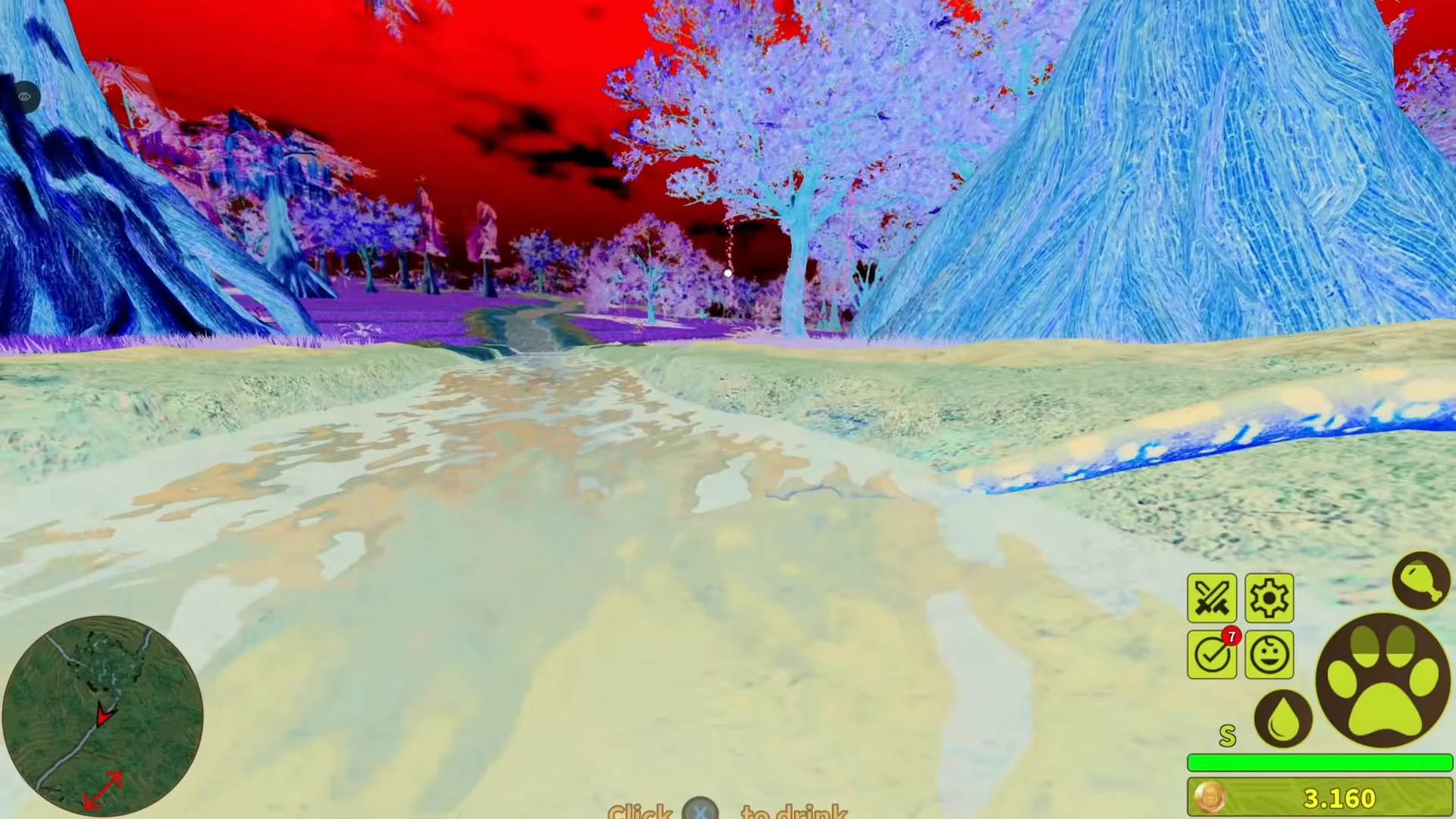
Growth from juvenile to adult
Like other animals in Jungle Life, the Anaconda starts small and grows over time. A baby spawns at a low percentage, such as 12%, and climbs toward 100% growth by surviving and eating. Early growth is the most fragile stage, since a snake at low percentage is easy prey for jaguars, tigers, and other players.
At full size the Anaconda reaches its strongest form, with the full weight of its constriction and bite behind every ambush. Drinking from water refills thirst and health through an on-screen prompt, so the river doubles as both hunting ground and recovery point.
The game sells a growth shortcut, listed as the Hiss Female Anaconda, which jumps a snake from 50% to 100% growth and saves roughly 16 minutes of grinding.
Skins and customization
The Anaconda is picked from the Customize menu, where it sits alongside the Okapi, Jaguar, Giant Panda, Gorilla, Tiger, and Asian Elephant. The menu also lets you preview its vocal calls and animations before you spawn in.
Several appearance options are available, none of which change how the snake plays:
- Default
- Green Variation
- Amelanistic
- Ghost
- Piebald 1
- Piebald 2
What the Anaconda hunts
The Anaconda targets a wide spread of jungle animals. Capybaras are easy early food, while okapis, jaguars, tigers, black panthers, gorillas, and even baby elephants are all fair game once the snake has grown. Many of the most reliable kills happen at the waterline, where animals come to drink and the snake can strike from below or coil them in the shallows.
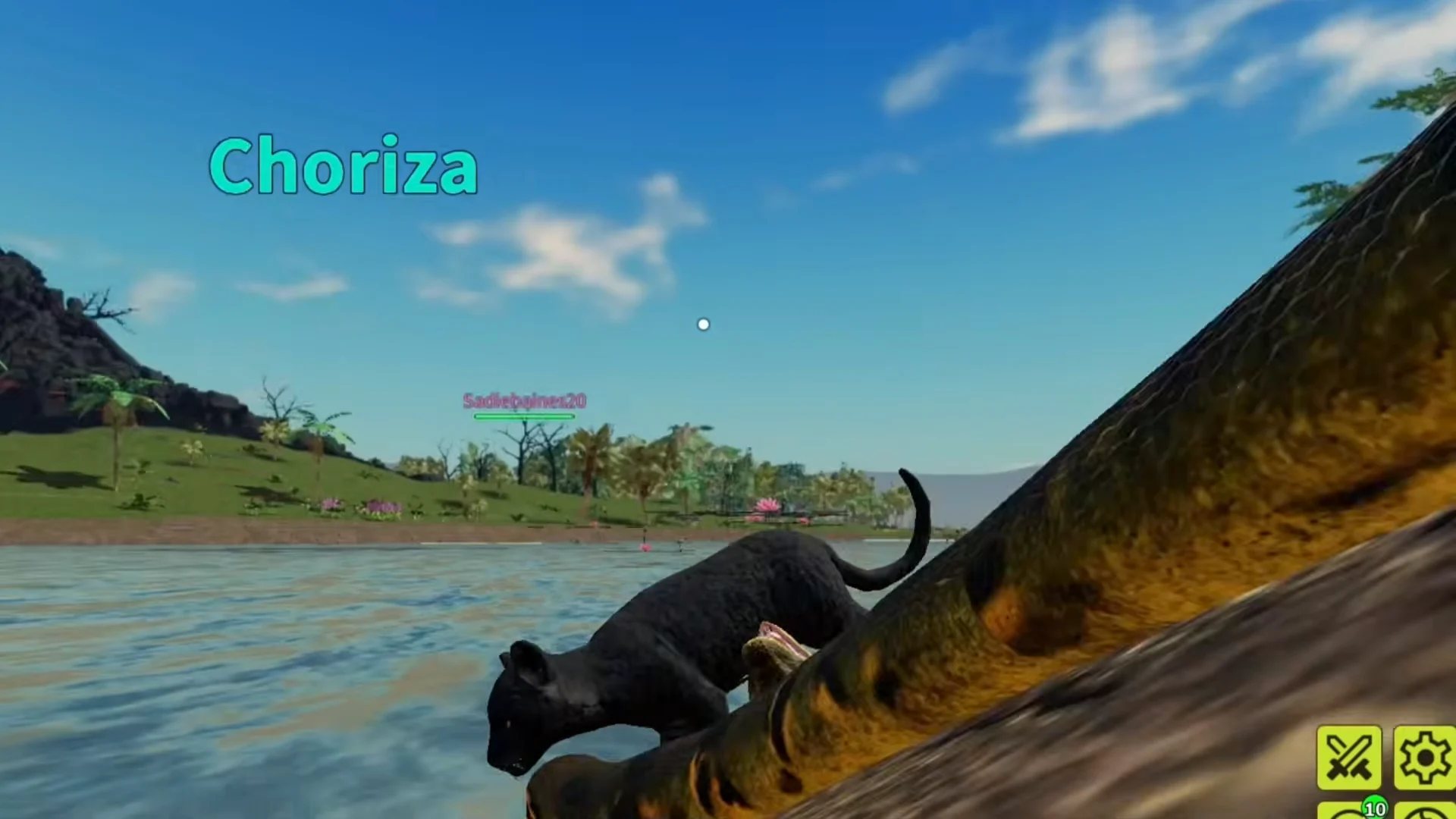
Big cats cut both ways. A grown Anaconda can constrict and kill jaguars and tigers, but those same predators regularly kill snakes that linger too long on land. Pack behavior changes the math. Several anacondas teaming up can swarm okapi herds crossing the river and pull down animals far larger than any single snake could handle alone.
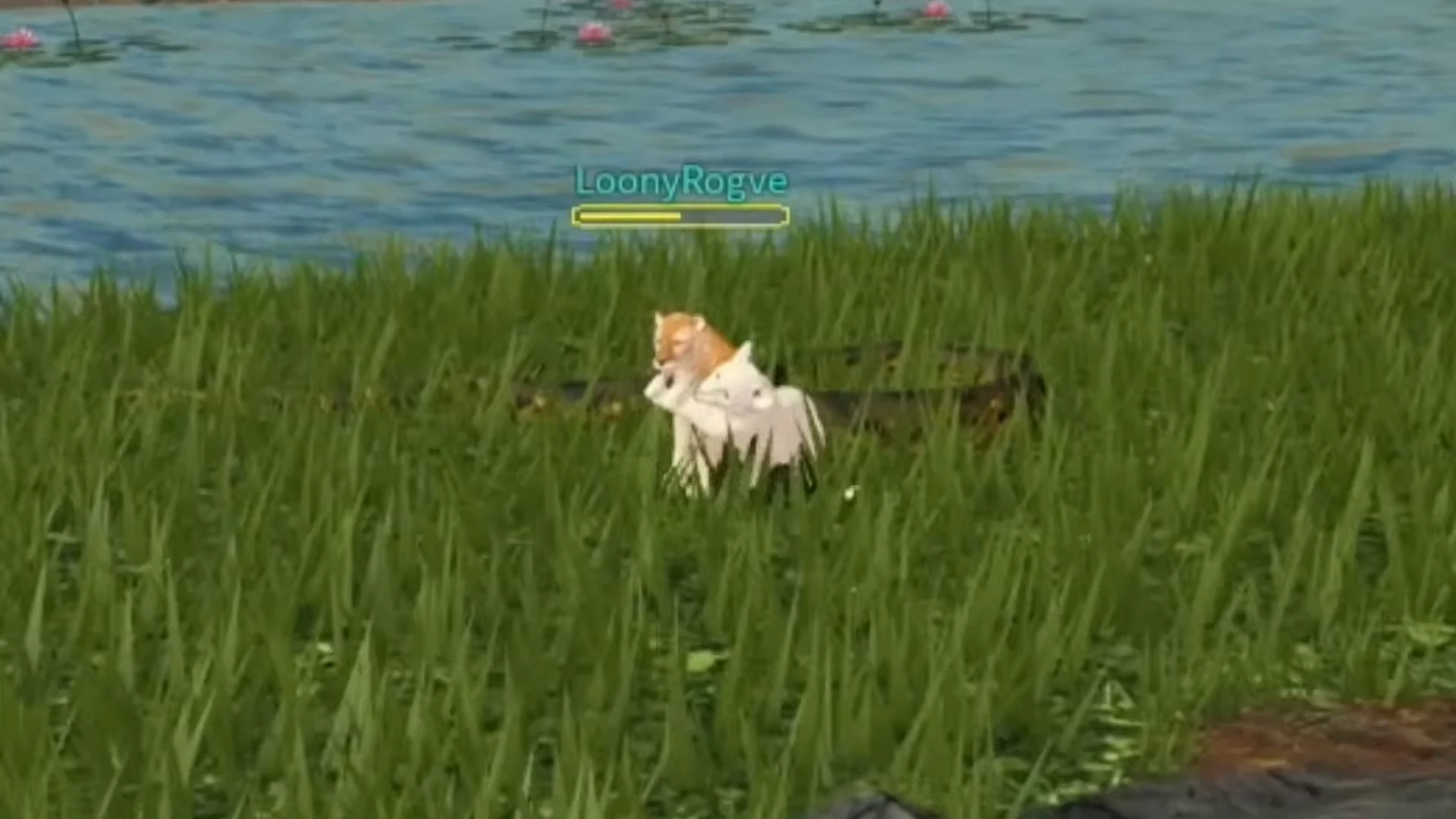
Across land, trees, and water, the Anaconda plays as an ambush predator rather than a brawler. It is weakest as a low-percentage juvenile and most dangerous once it reaches full growth, especially when it can drag prey into the river and finish the job underwater.