
Moonlight Peaks flips the usual farm sim on its head. You wake at dusk, the whole town is already open, and sunrise is a hard fail state, not a gentle fade to the next morning. The opening week is about learning that inverted clock before it wipes a night of work.
Quick answer: Get home and sleep in your coffin before 6 AM so the night saves, turn grapes into wine instead of selling them raw, and dump materials into house storage the moment it unlocks on day 7.
6 PM to 6 AM and how a night saves
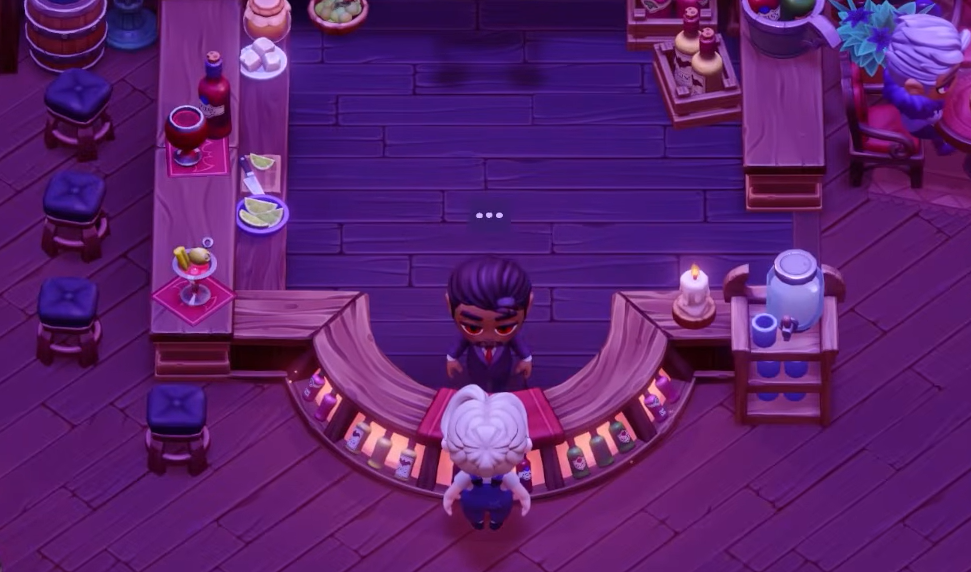
Each night starts at 6 PM and ends at 6 AM. Miss that window and you pass out. The clock begins flashing in the small hours, and an alarm hits at 5:30 AM. Treat 5:30 as the last safe moment to break for home, not a suggestion.
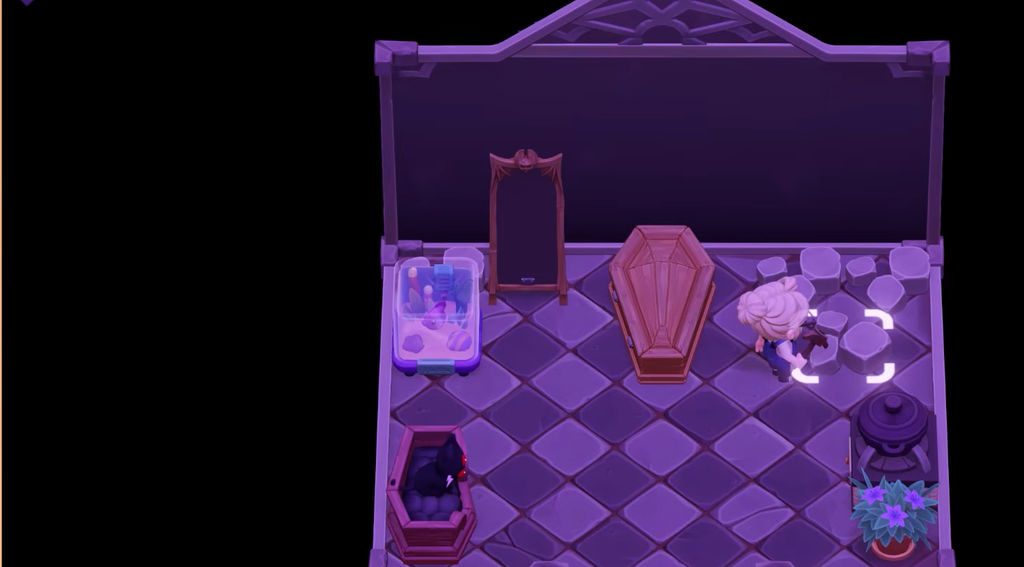
Sleep is also the only save. There is no manual save. Quit before you reach the coffin and the entire night is discarded. You will replay it from dusk. Plan the last stretch of the loop as a walk home, not one more mining run.
A default night lasts about 15 minutes of real time. That is tight if you still think in daytime farming hours. The town is fully nocturnal, so shops and neighbors keep the same inverted schedule you do. You are not waiting for anyone to wake up. You are racing the sun.
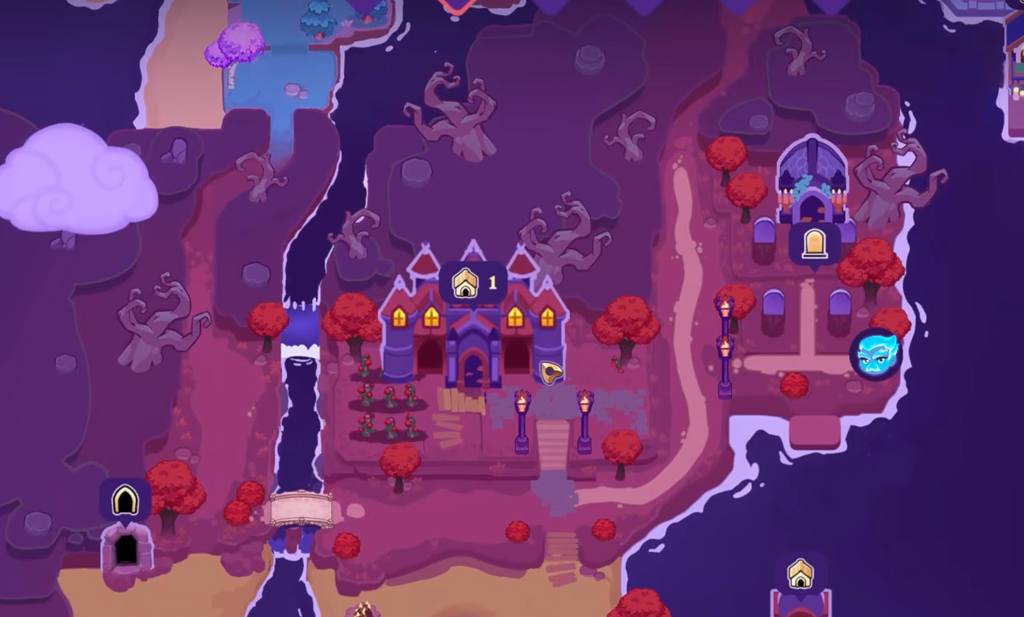
There is no corner minimap. Open the full map when you wake and read it like a night plan. It shows where every resident currently is, plus shops and landmarks. Check it before you leave the farm so you do not cross the town twice for one errand.
Stamina versus mana on night one
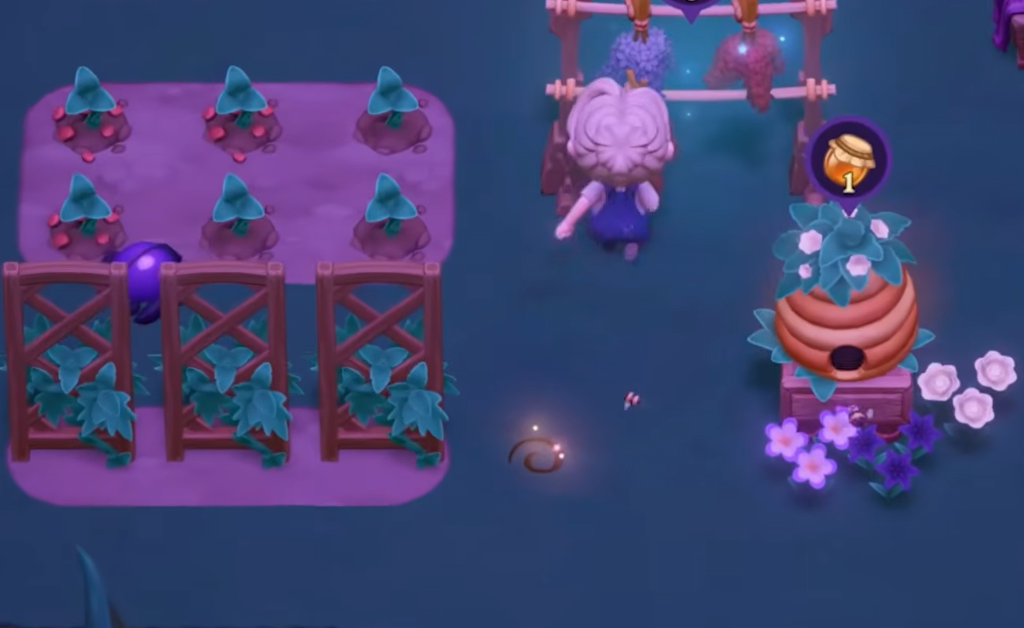
Two bars run the early game, and they do not refill the same way. Stamina is for chopping, mining, digging, watering, and fishing. Spend it. A cautious night that ends with a full bar is a wasted night. Empty it on logs, stone, beach shells, and the small spiral marks in the dirt. Those swirls drop coins, seeds, recipes, and blueprints.
Cooked food is how stamina comes back. Wine makes money and does nothing for your energy, so a pure cash-crop farm will strand you mid-night. Keep a small pantry of food crops beside whatever you plan to process. Gazpacho Soup is the early staple. It restores 40 energy from 2 Tomatoes and 1 Onion, and both crops grow all year. If you get caught short, buy something at the café rather than limping home early.
Mana is separate, and it is scarce. You start with 3 points. It regenerates a little each day, not to full, so you cannot dump the bar every night and expect a reset. Food can refill mana too, which makes the kitchen your spell budget as well as your stamina tank.
Your wand begins cracked on the tool wheel and does nothing until the story repairs it. Push that quest. The first spell is Aqua Flow, a self-watering cast you will lean on for the rest of the farm. Until the wand works, every plot is watered by hand.
Two small tool habits save a lot of clock. Walk while you water instead of stopping on every tile. Harvest with the Scythe so one swing clears a row. After The Dinner Party, Hellkitten form is faster across the map and cheaper on energy when you till soil.
Chester, kegs, and what not to sell raw
Raw crops are a weak payout. The early economy is a processing chain. Your first crop is Blood Grapes, grown so you can make wine for Orlock, the hungover vampire who hands you that opening quest. Grapes go into a keg. Juice finishes fast and sells for little. Wine takes longer and is worth much more. Build at least three kegs and keep them loaded. Wheat follows the same idea into beer.
Finished wine and beer land around 360 to 600 coins depending on quality. That range is the backbone of early gold after the 1.2.6 economy fix put those recipes back where they belong. The mill, cheese press, loom, jam maker, and furnace sit on the same rule. Ore becomes bars. Crops become goods. Bars and goods become tool upgrades and machines.
Chester is the shipping bin, a loud living chest near the farm entrance. Drop sellable goods in him and he tallies them overnight. Fish and beach shells are the other early cash tap. Noll gives you a rod on day 3. A single fishing-and-shells outing can clear 600 coins or more. Sell in batches instead of hoarding a backpack of low-value fish.
| Item | Early use |
|---|---|
| Blood Grapes, White Grapes, Wheat | Keg into wine or beer, then sell through Chester |
| Fish and shells | Sell in batches for about 600 coins; keep one of each fish for the museum |
| Tomatoes and Onions | Cook Gazpacho Soup, do not sell the pantry |
| Wood, stone, copper, iron | Store for machines, bars, and tool upgrades |
| Diamonds from dig spots | Hold at least one; they sell for 2,000 coins but are rare |
| Flowers | Keep for gifts. Most residents like them |
| Critters | Keep one of each for the museum, sell extras |
Day 7 house storage
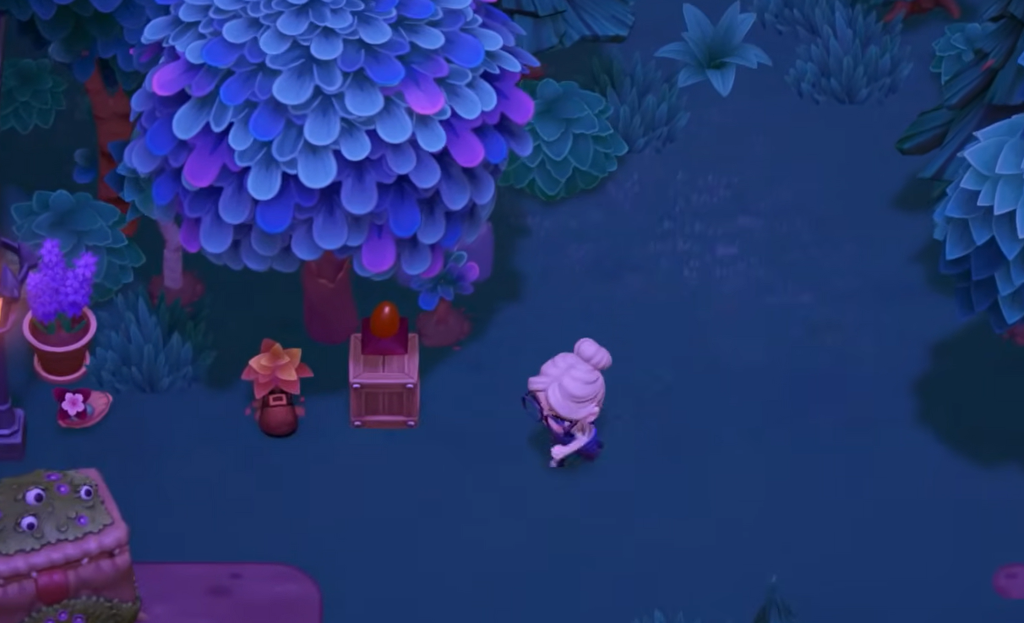
Bag space is the first real choke point. On day 7 your Hellkitten tells you the house can store items. Open the bag, pick a stack, and send it home. Storage has no practical limit players run into, and every crafting station pulls from it automatically. Kegs, the furnace, the workbench, and the kitchen all draw from that one pool. You do not haul ingredients to each machine.
That is the habit that stops the early grind from turning into chest Tetris. Dump ores, logs, stone, and spare crops into the house the night storage appears. Extra outdoor crates are then only useful for items you do not want a station to consume by accident.
If the bag fills before day 7, Sabrina’s Web of Wonders sells an upgrade. Buy it if you are already dropping goods on the ground. After storage unlocks, the upgrade is optional rather than urgent.
First two weeks unlocks
New systems arrive on fixed nights or behind story beats. Chasing side busywork before those gates open wastes stamina you will want later in the caves.
| When | What opens |
|---|---|
| Nights 1–2 | Story, light gathering, first recipes from logs, rocks, and swirls |
| Day 3 | Noll hands over the fishing rod |
| A few days in | A small money gift from your mom eases the first seed runs |
| Day 7 | House storage |
| Day 12–13 | Bug net, in this window |
| Story, not a set day | Wand repair, Aqua Flow, cave access, Vampsters |
| After The Dinner Party | Hellkitten form for faster travel and cheaper tilling |
| Magic of the Seeds with Luna | A complete basic tool set |
Until fishing unlocks, spend the bar on wood, stone, and every swirl you see. After day 3, add a fishing stop and a beach sweep, then sell the haul to Chester. Once the caves open, shift spare stamina onto ore nodes. You will need those bars for tools at the Howling Hammer, and mining can drop blueprints the same way chopping and digging do.
Vampsters show up around town long before you can do much with them. Alina explains the cave drop later. There are about 100 to find. Grab them when you pass them. Do not spend week one hunting them down.
The starter plot is small and buried under weeds, trees, and rocks you clear one at a time. The house is a single cramped room. Clear a working strip and stop. Trying to bulldoze the whole map in week one just burns the bar you need for ores and story items.
Soul blobs and longer nights
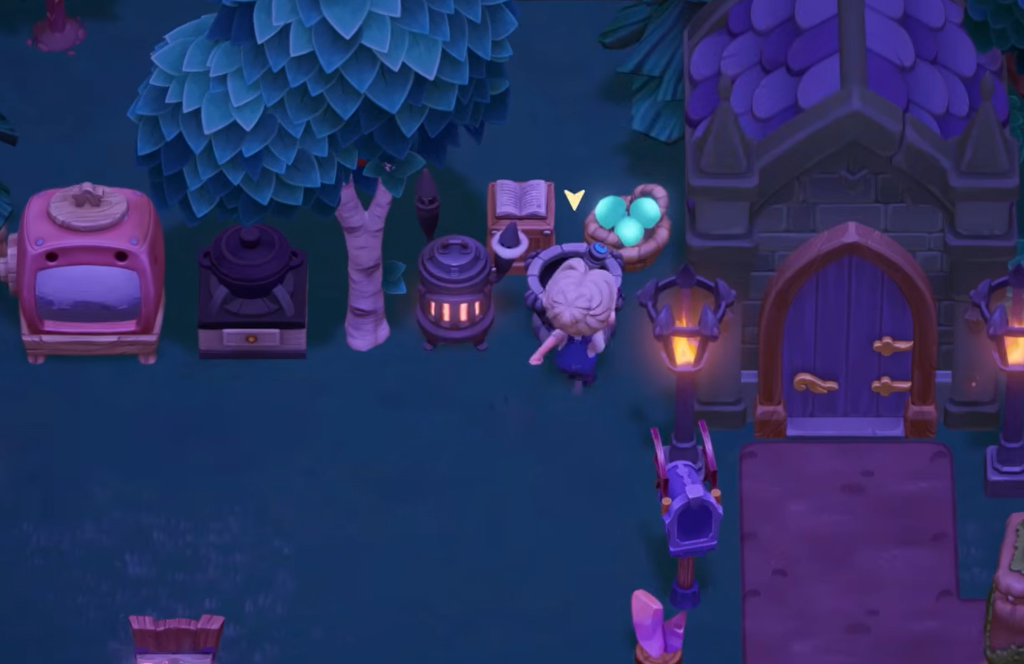
If every night feels like it ends mid-chore, the fix is a collectible, not a settings guess you start with. Soul blobs float around town. Catch them. Death pays those milestones out with clock control.
| Blobs caught | Night-length reward |
|---|---|
| About 10–20 | Antique Clock the next day, plus the first night-length option in settings |
| 50 | A second time adjustment |
| 100 | Nights stretch to about 35 minutes |
An earlier unlock also stretches a night from that default 15 minutes to about 25. Chase soul blobs as soon as you have a way to catch them. They are not flavor. They are how you buy more real time inside the same 6 PM to 6 AM window.
Story quests, shops, and the Job Board
Quests open magic, tools, and map regions. Ignore the story and the town stays locked behind cloud barriers. Follow it at least through Magic of the Seeds so you are not farming with a half kit. Friendship is not a side activity either. Residents hand out blueprints and materials you cannot buy, and some main quests wait until you are at least acquaintances with the right people.
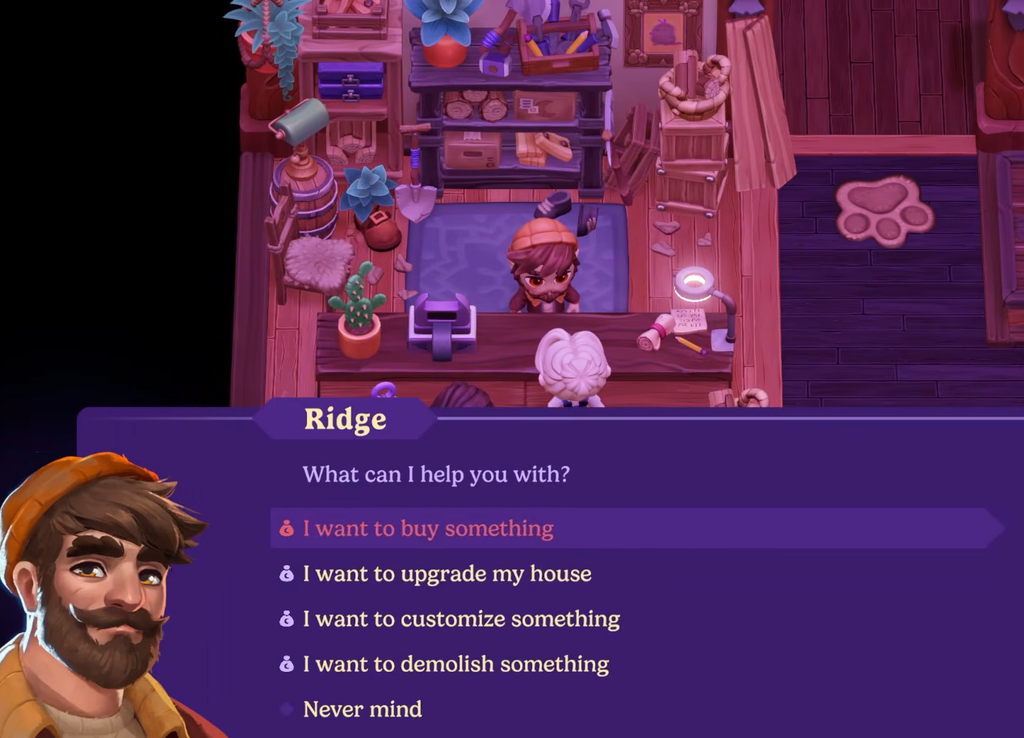
Luna sells seeds. Sabrina’s Web of Wonders sells bag upgrades and, later, spells. Buy those spells when they appear. Mana is tight, but a cast that waters or clears a chore leaves stamina free for mining. The carpenter sells house upgrades and building recipes. The Howling Hammer upgrades tools with copper bars, iron bars, and coins, and it keeps strict hours. If you need an upgrade, go there first after you wake, not at 5 AM.
Check shop stock every night. New blueprints show up in inventory rather than in a quest log. The Job Board is the other daily stop. Listings raise friendship and pay useful rewards, and the deadlines are loose enough that you can grow or craft what they ask without blowing up the night.
Crops still follow four seasons and die when their season ends. A greenhouse is the later workaround for a favorite money crop. Until then, plant to the calendar. When magical crops arrive in The Magic of Crops, keep those plots small, around 4 by 4, with only one or two Herb Gardens, until mana and the stronger watering spell can support more.
You will know the opening loop is working when nights end in the coffin instead of a pass-out, Chester is taking wine and fish instead of raw grapes, the house holds your ores, and the settings menu offers a longer night after Death’s first soul-blob payout. If a night vanishes, you quit before you slept. If gold stalls, you are selling produce that should be in a keg.