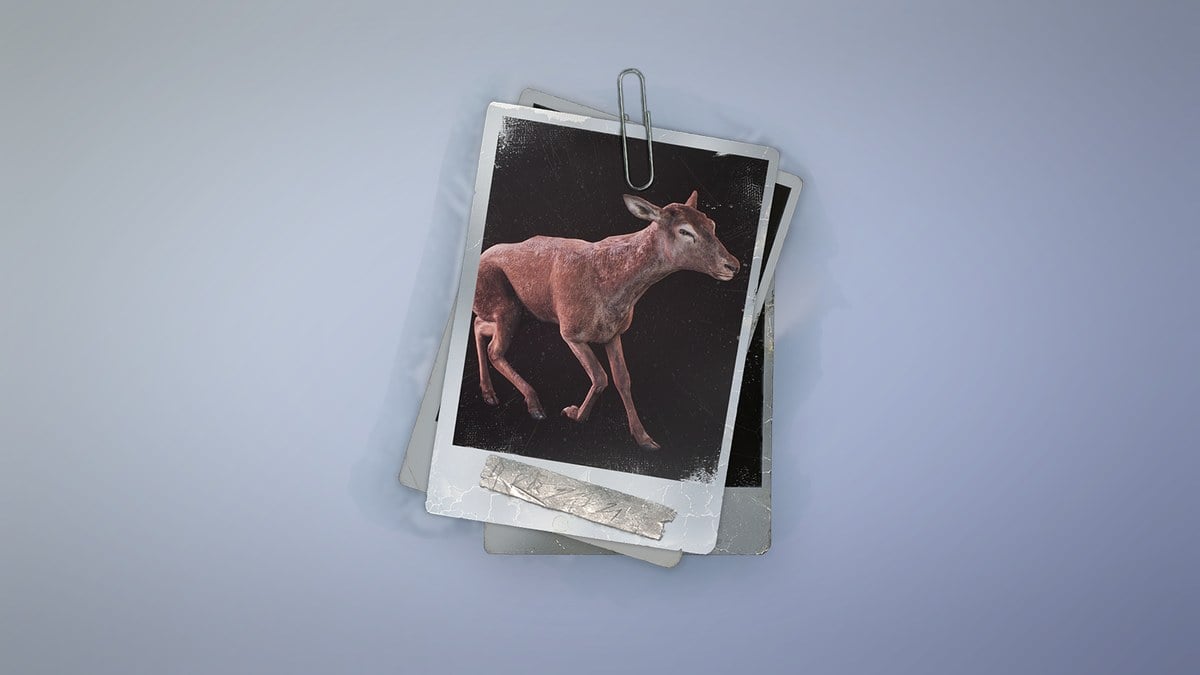
Red Deer have moved into the empty cities now that people are gone. They spook easily, but a hunter can take meat and hide from them.
KindAnimal
Spots on the map4
SkinningDeer Pelt
Quests1
Red deer have migrated into city areas, taking advantage of the lack of human presence. These majestic creatures are more skittish than ever, but they provide a valuable source of meat and hide for those skilled enough to hunt them.
In-game journal
Red Deer have moved into the empty cities now that people are gone. They spook easily, but a hunter can take meat and hide from them. Herds graze on the snowfield between the first cave and Horizon's gate, outside Horizon's west palisade, around the broken snowmobile outside the gate and along the frozen river before Bone Cave. The map has 4 Red Deer spots, split between Bunker Checkpoint and Horizon. They pose no threat: a hit sends one bolting, and it stops again a short way off. A Crude Bow drops one in 1 to 4 arrows.
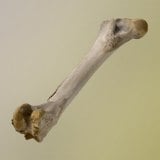
Skinning a kill gives a Deer Pelt. The carcass then opens like a container holding Bones, Meat, Animal Fat and Deer Pelt. You need a knife to skin it, and a Stone Shiv does the job. If you try any other tool, the game rejects it as unsuitable. The Horizon side quest Tonight… We Hunt! asks you to hunt a deer, skin it and take the meat, then bring the Deer Pelt back to the trader.
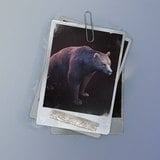
In the Permafrost era, bears have become more territorial and aggressive. They often roam the outskirts of ruined cities, scavenging for food and protecting their young. Encountering a bear is a dangerous affair, and it’s best to avoid them unless absolutely necessary.
Female boars move in small sounders, fiercely protective of their young. They’re slightly smaller than males, but quicker and more defensive. Spook one, and you risk drawing out the entire group. Their meat is leaner, and their hides are easier to work with.
Moose are among the most dangerous creatures left roaming the permafrost. Towering, territorial, and easily provoked, they’ve claimed entire frozen neighborhoods as mating grounds.
Muskoxen move like ghosts across the snowfields, heads low, breath steaming. Their thick coats make them nearly immune to cold, and their horns can crush a femur on impact. Despite their size, they’re incredibly fast when spooked. Rare to find, harder to bring down.
Rabbits have adapted surprisingly well to the new world, often seen hopping through abandoned parks and overgrown urban gardens. They are a vital food source for survivors, though their quick movements and small size make them challenging to catch. Unless you have a proper weapon… or a trap.
Wolves have become more prevalent and bold, often venturing into the outskirts of towns in search of prey. They hunt in packs and are highly dangerous, making them one of the most feared predators of the Permafrost era.

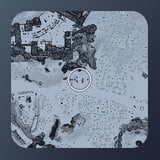 Bunker Checkpoint
 Horizon
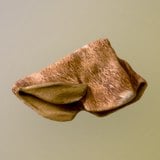 Deer Pelt
 Bones
Bones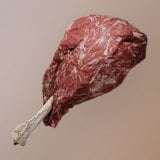 Meat
Meat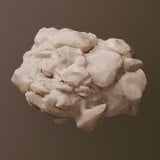 Animal Fat
 Bear
Bear Boar
Boar Fox
Fox Moose
Moose Muskox
 Rabbit
 Wolf
Wolf