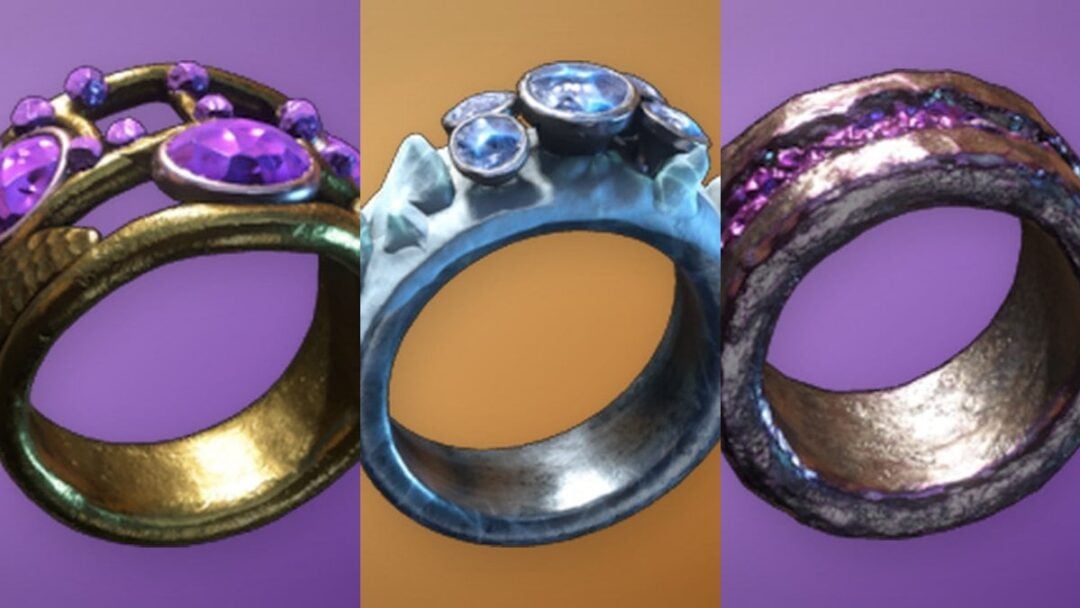
The Onryo hates fire, and that single trait is the fastest way to catch it. Its evidence set — Freezing Temperatures, Ghost Orbs, and a Spirit Box response — thins the list, but plenty of investigations end with a wrong guess because that set alone does not seal it. Confirmation comes from watching what the ghost does to a lit flame, and how quickly it does it.
Quick answer: Light a candle in the ghost room and time it. If the flame is blown out less than 30 seconds after its first lighting, or less than 20 seconds after any relighting, the ghost is an Onryo — no other ghost can do that.
Onryo evidence and the Mimic overlap
The Onryo leaves Freezing Temperatures, Ghost Orbs, and Spirit Box. Collect all three and the journal will point at it, but there is a catch: the Onryo is one of the ghosts whose full evidence set does not rule out The Mimic. If the ghost also leaves Ultraviolet evidence, you have a Mimic, not an Onryo.
| Evidence | How to confirm it |
|---|---|
| Freezing Temperatures | Stand in the ghost room and watch for visible breath, or read the room with a thermometer. |
| Ghost Orbs | Point a video camera at the middle of the ghost room at chest height, switch to night vision, and watch the truck monitor for a slow, looping white sphere. |
| Spirit Box | Turn the lights off in the ghost room and ask direct questions such as “Are you here” or “Give us a sign.” |
The candle test that confirms an Onryo
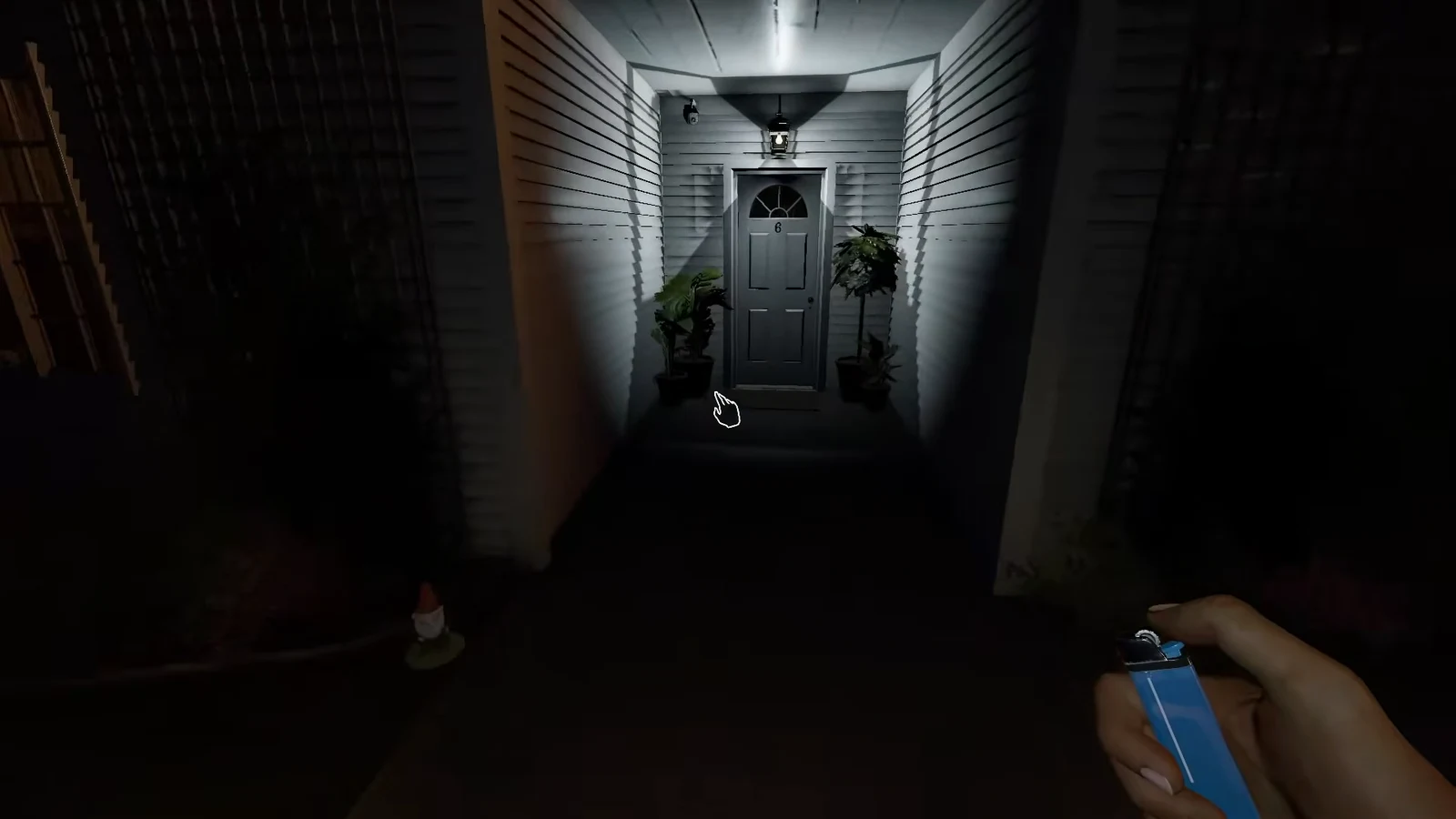
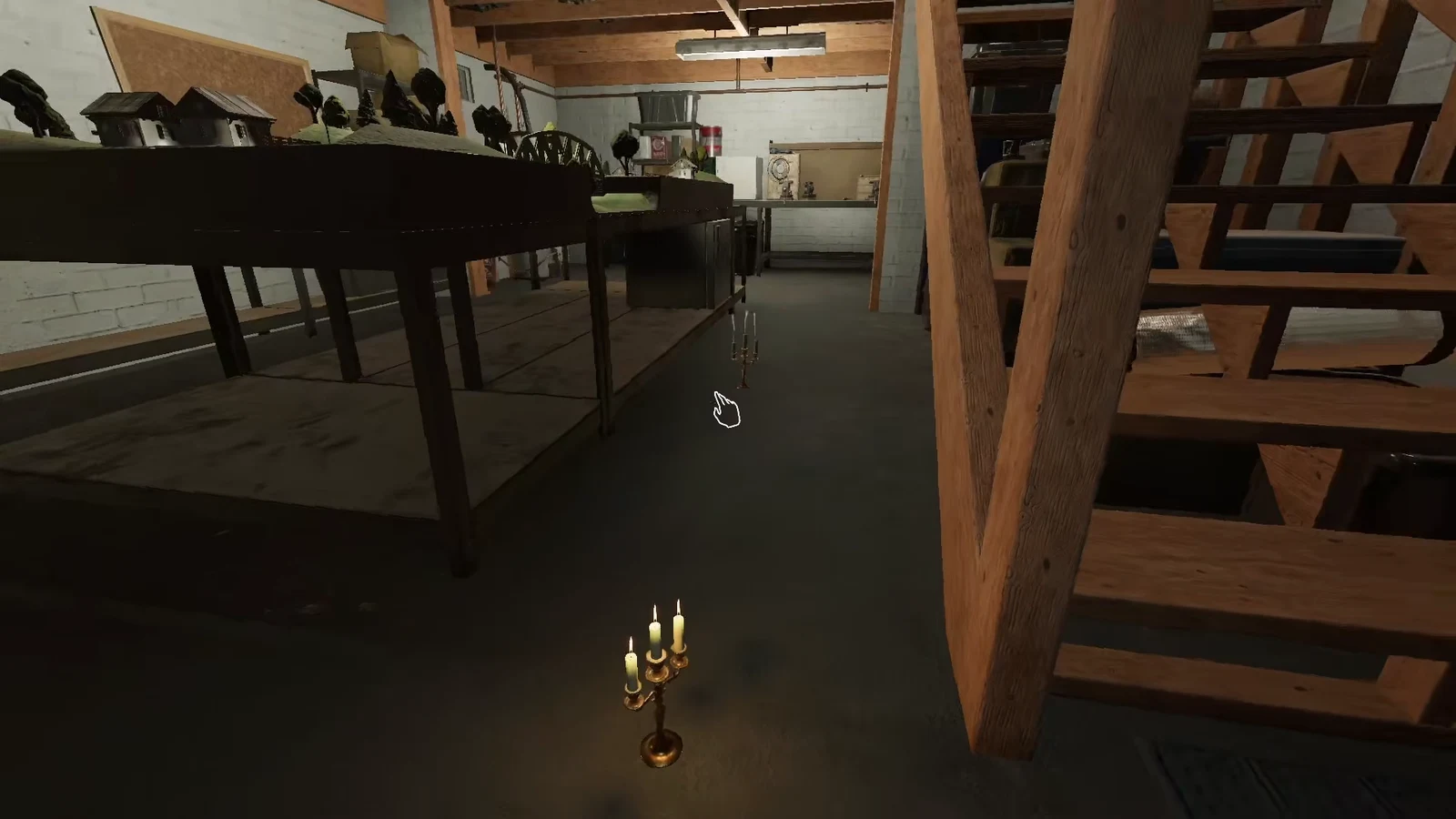
Pick a hiding spot before you light anything. Blowing out flames is exactly what leads an Onryo into a hunt, so the moment your last candle goes out, the ghost room is the worst place to be standing.
Blowout timing: The 30-second and 20-second rule
This is the cleanest confirmation in the whole test. When an Onryo tries to hunt within four metres of a flame, the hunt fails and the flame goes out instead — and that failed hunt overrides the normal cooldown a flame gets after being lit.
In practice, a flame blown out within 30 seconds of its first lighting, or within 20 seconds of any later lighting, can only be an Onryo. It is also the only ghost capable of snuffing a tier I igniter’s match, which burns for just 10 seconds. One quirk to keep in mind: a tier III firelight pauses its cooldown when a player switches it off or when an Onryo’s failed hunt puts it out.
Three blowouts trigger a hunt at any sanity
The Onryo keeps a counter of how many flames it has extinguished. Once that counter hits three, the next time the ghost leaves its idle state it burns the counter back to zero and starts a hunt regardless of average sanity. A flame that blocks a hunt, or one blown out mid-hunt, still adds to the counter.
So count the blowouts. If the ghost reaches three and never attempts a hunt — with no hunt cooldown running and no incense cleansing active — it is not an Onryo. If it does try to hunt, an Onryo is likely, though not yet certain on its own.
The timing can lag. The ghost has to exit an idle state before the ability fires, so if the third flame goes out during a ghost event, nothing happens until that event ends and the following idle state finishes. That gap can run well past 20 seconds, and the counter can climb to four or five in the meantime, meaning the hunt sometimes lands on a later blowout instead of the third.
Two things block that hunt outright: the setup phase still being active, and a crucifix or another lit flame in range. If the counter reaches three during a hunt or while incense is cleansing, it instantly resets and the ability is cancelled.
Flames outrank crucifixes
When a crucifix and a flame are both within range of a hunt attempt, the Onryo consumes the flame first. That priority is a test in itself.
This setup is less reliable with tier II or tier III crucifixes, whose range matches or exceeds a flame’s range. Also worth knowing: when a flame blocks a hunt, the hunt cooldown timer does not restart, unlike a crucifix block.
How dead teammates speed up blowouts
The Onryo gets more aggressive with fire as your team thins out. Both the chance of a blowout and how fast it can attempt one scale with the number of dead players.
| Dead players | Flame blowout chance | Tier II firelight chance | Cooldown before attempt |
|---|---|---|---|
| 0 | 66.67% | 96.3% | 20–80 seconds |
| 1 | 75% | 98.43% | 20–60 seconds |
| 2 | 80% | 99.2% | 20–40 seconds |
| 3 | 83.33% | 99.54% | 20 seconds |
Sanity thresholds matter too. The Onryo hunts at 60% by default, but within four metres of a flame that threshold drops to 40%. Keeping enough firelights burning and relighting them promptly can hold it off more or less indefinitely, which doubles as identification on reduced-evidence difficulties. Running a single flame is the risky version — relighting it, or sparking another fire source nearby, is exactly when a failed hunt turns into a blowout and then a real hunt.
How to rule out an Onryo
An Onryo cannot light fire sources on its own. If the ghost ignites a fireplace, a campfire, or a candle by itself, cross it off — the only exception is a Voodoo Doll, which can force it into doing so.
A crucifix charge burning while your firelights are still lit also rules it out, as does a blowout counter reaching three with no hunt attempt following. And if the ghost is otherwise producing Ultraviolet evidence, you are dealing with The Mimic.
One map-specific tell: the chapel in Sunny Meadows already has lit candles that ghosts can blow out. A ghost in that room that hunts very early, and is not a Demon, is worth testing as an Onryo.
The tests are quick, but they all end the same way — with a flame going out and a ghost that is suddenly free to hunt. Decide in advance whether you are using fire to lock the Onryo down or ignoring flames entirely and playing around its raised sanity threshold. Doing half of each is how investigations end early.