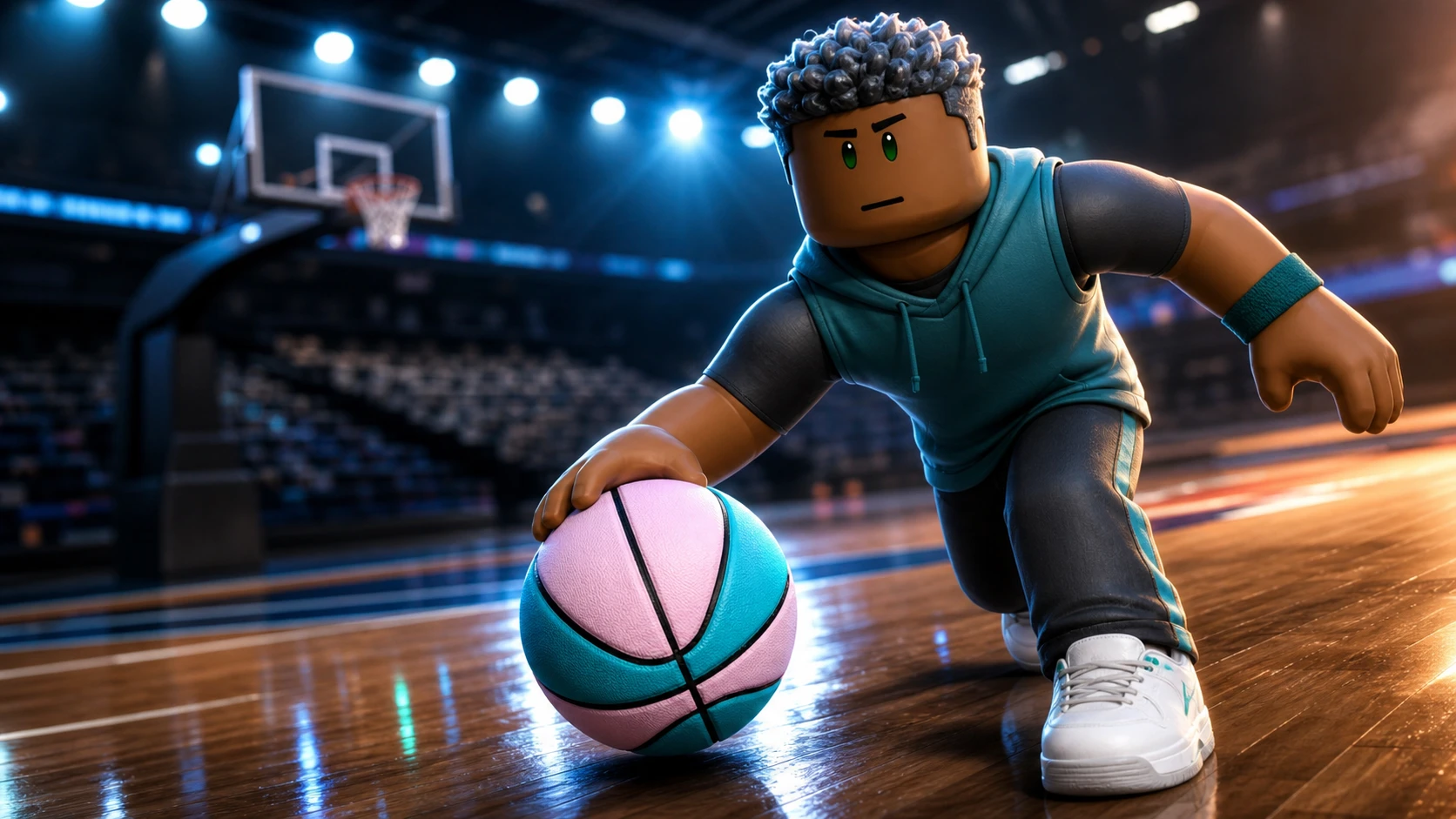
Dribbling in Practical Basketball is not a single button that plays a random animation. Ball handling runs on real, layered inputs, and each move depends on which hand holds the ball. Crossovers, escape and push crossovers, hesitations, spins, and the Shammgod all exist as separate actions, and chaining them in the right order is what pulls a defender out of position and opens a driving lane or a clean shot.
Quick answer: Choose your ball hand with the switch-hands input, then trigger a move (crossover, hesi, spin, escape or push crossover, or Shammgod) toward the side you want to attack. Wait for the defender to lean or slide, then push into the open space with a drive, pass, or shot. Successful separation shows on screen as the defender losing their angle to the ball.
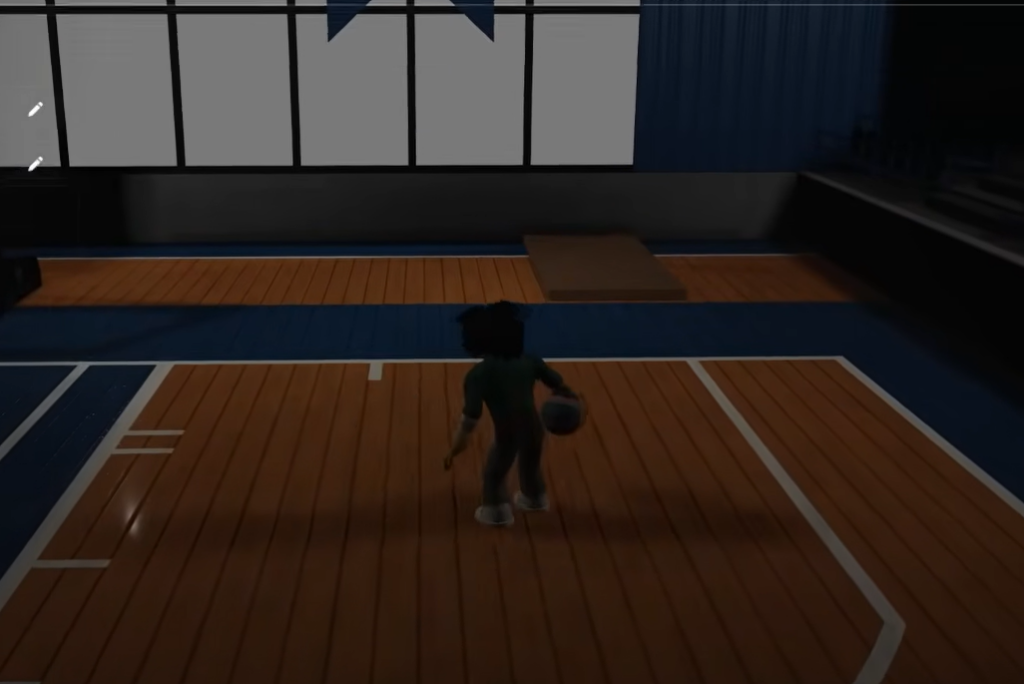
How dribble moves work in Practical Basketball
The handling system is hand-dependent. The move you get depends on which hand currently controls the ball and which direction you input, so switching hands changes what a crossover or hesi actually does. Because of that, learning to control the ball hand is the first real skill, not an afterthought.
Both keyboard and controller support the full move set. On controller, direction inputs and the D-Pad handle stacked moves such as the double crossover, and a dedicated switch-hands input works on PC and console alike. On keyboard, moves map to real key presses rather than one generic dribble command, which is why the same combo can be executed on either input method.
The core dribble moves
Each move has a clear job. Knowing what a move is built to do is more useful than memorizing a fixed string, because the right choice depends on how the defender is playing you.
| Move | What it does |
|---|---|
| Crossover | Shifts the ball across your body to attack the opposite side when the defender commits one way. |
| Escape crossover | Creates backward space when the defender cuts off your first attack. |
| Push crossover | Drives the ball forward into a lane to attack downhill. |
| Hesitation (hesi) | Freezes the defender with a change of pace, then lets you accelerate past their reaction. |
| Spin | Turns off a defender who is pressed close, sealing them behind you. |
| Shammgod | Pulls the ball back and pushes it the other way to break down a defender playing tight. |
None of these creates separation on its own if it is telegraphed. The value comes from selecting the move that punishes what the defender just did.
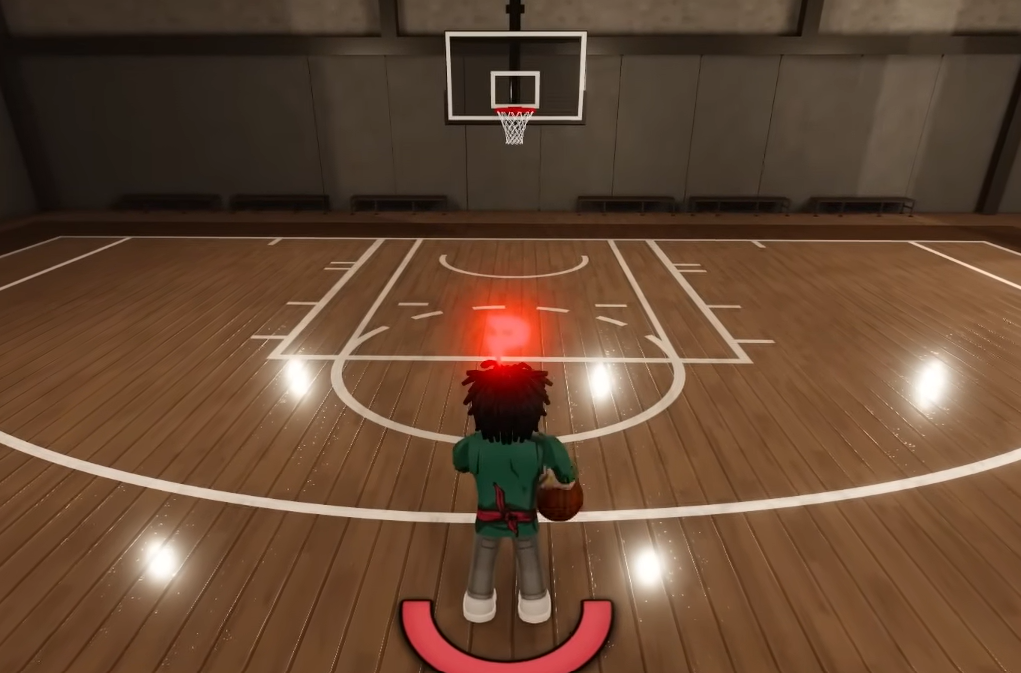
Read the defender before you move
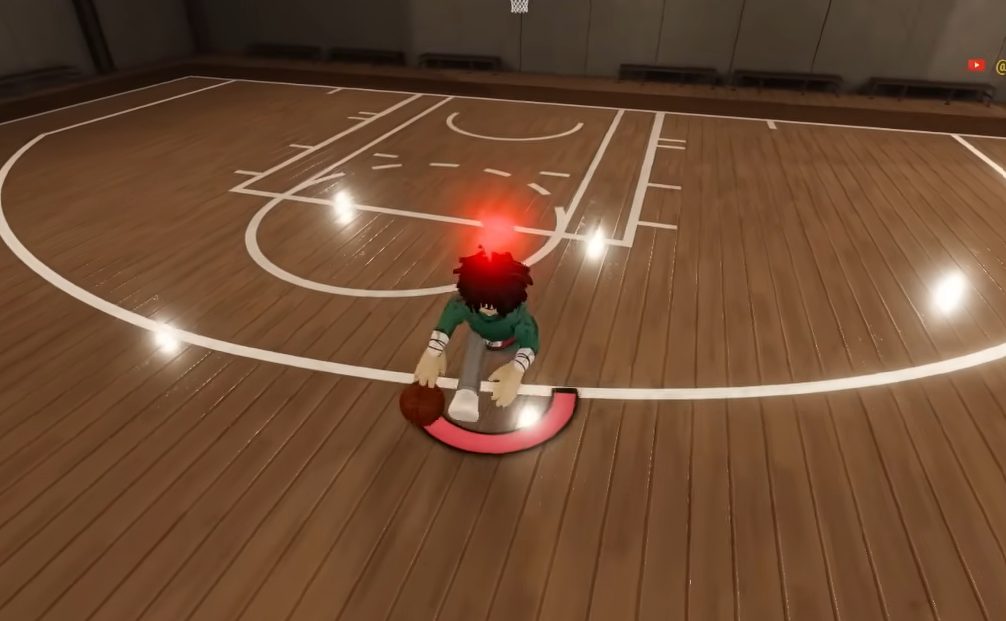
Effective ball handling is built on reading the defender, not repeating a memorized combo. Start under control, force the defender to react, then attack the space their movement opens.
Chain moves to create real space
One change of direction is often not enough against an alert defender. Combine two purposeful moves, or mix speeds, so the defender has to react twice. Each action should set up the next rather than exist for its own sake.
- Direction change into a drive when the defender opens a lane.
- Direction change into a quick pass when a second defender steps up.
- Direction change into a controlled stop to set up a jump shot.
- Slow pace into sudden acceleration to break the defender’s timing.
To create a shot, use a stop, a retreat, or a lateral change to separate first, then begin the shooting motion only after the defender has lost their position. Because shots run on a release-timing window rather than a hidden percentage, the space your handles create directly decides whether that timing pays off.
Avoid over-dribbling
Stacking moves without a purpose wastes the advantage you built. Alternating directions repeatedly rarely gains ground and lets help defenders reset. Limit yourself to the moves that actually shift the defender, then commit to the drive, pass, or shot they opened.
Keep space between the ball and the defender before you start a move, and pass early when a second defender approaches. Dribbling into two defenders with no escape route is the most common way to lose the ball.
How to know a move worked
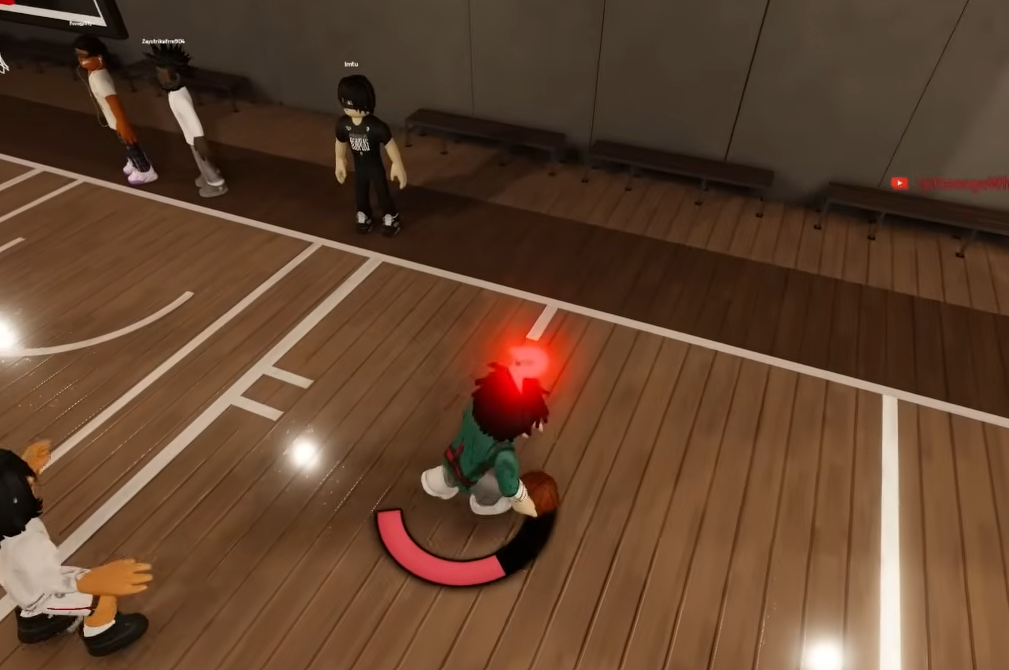
A move succeeded when the defender can no longer reach your ball hand or your release point without changing direction again. If you can start a drive or a shot before they recover their angle, the separation is real. If the defender stays square in front of you after the move, they read it, and you should reset rather than force the next attack.
Practice the inputs in a controlled setting before taking them into competitive play. Practical Basketball is in its third stress-test phase, with no confirmed full-release date, so join when a test is live from the official Roblox game page and run reps until your hand switches and combos feel automatic.