A single Little Bird loaded with rocket pods can wipe a rooftop, delete a spawn vehicle, and swing a Control Zone fight in a matter of seconds in WARDOGS. That kind of highlight reel is exactly why the balance argument keeps looping back to one question: are rocket pods simply too strong?
Quick answer: Rocket pods hit hard against ground targets, but they are unguided, carry a limited salvo, and the helicopter is hard-countered by anti-air missiles, RPGs, and small-arms fire, so they are strong rather than unbeatable.
What rocket pods actually do
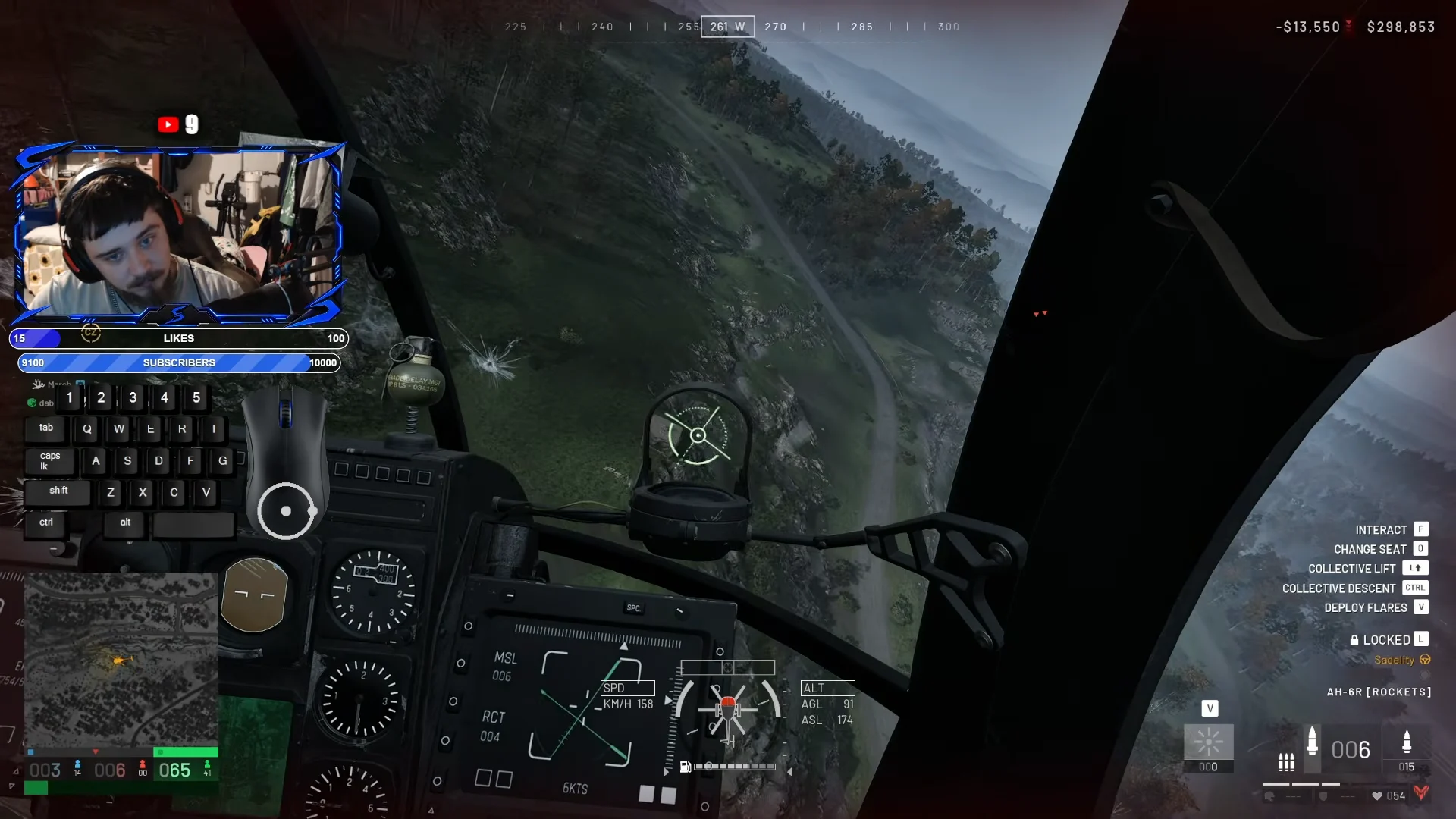
Rocket pods fire unguided explosive rockets. A direct hit is a one-shot kill on infantry, and the splash damage means a tight cluster of enemies can go down from a single well-placed rocket. They are fired in salvos, and the cockpit rocket counter tops out at eight rockets before a reload, so the damage comes in bursts rather than a continuous stream.
The same rockets flatten more than foot soldiers. A concentrated volley destroys ground vehicles and enemy forward spawn vehicles, and it tears through sandbags, fortifications, and other buildables on rooftops and compound walls. Each of those kills pays a bounty, which is a big part of why pilots keep flying into hot zones despite the risk.
| Target | Result | Example payout |
|---|---|---|
| Infantry (direct hit) | One-shot kill, splash on clusters | +$1,500 / +$3,000 |
| Spawn vehicle | Destroyed by a focused volley | +$15,000 |
| Ground vehicle | Destroyed | +$2,718 |
| Fortifications / buildables | Destroyed | +$500 |
Deleting an enemy forward spawn is the standout play. It removes a squad’s foothold near the objective and drops a large cash reward in one hit, which is the biggest single payout a rocket run can generate.
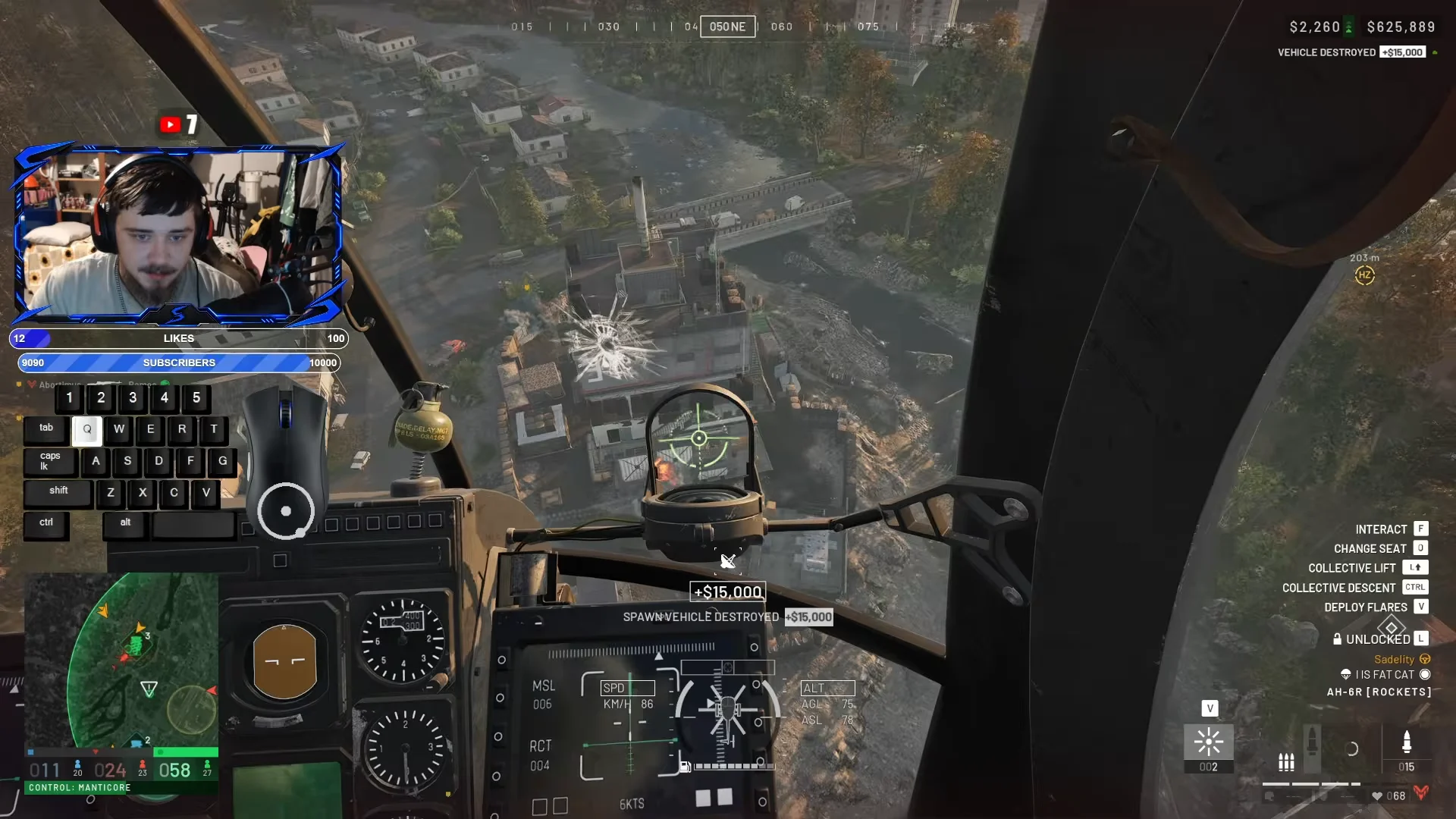
Because the rockets are unguided, accuracy is on you. The cleanest hits come from a diving run, where you can walk the salvo onto a rooftop, a street corner, or a slope full of infantry rather than lobbing rockets and hoping.
Which helicopters carry rocket pods
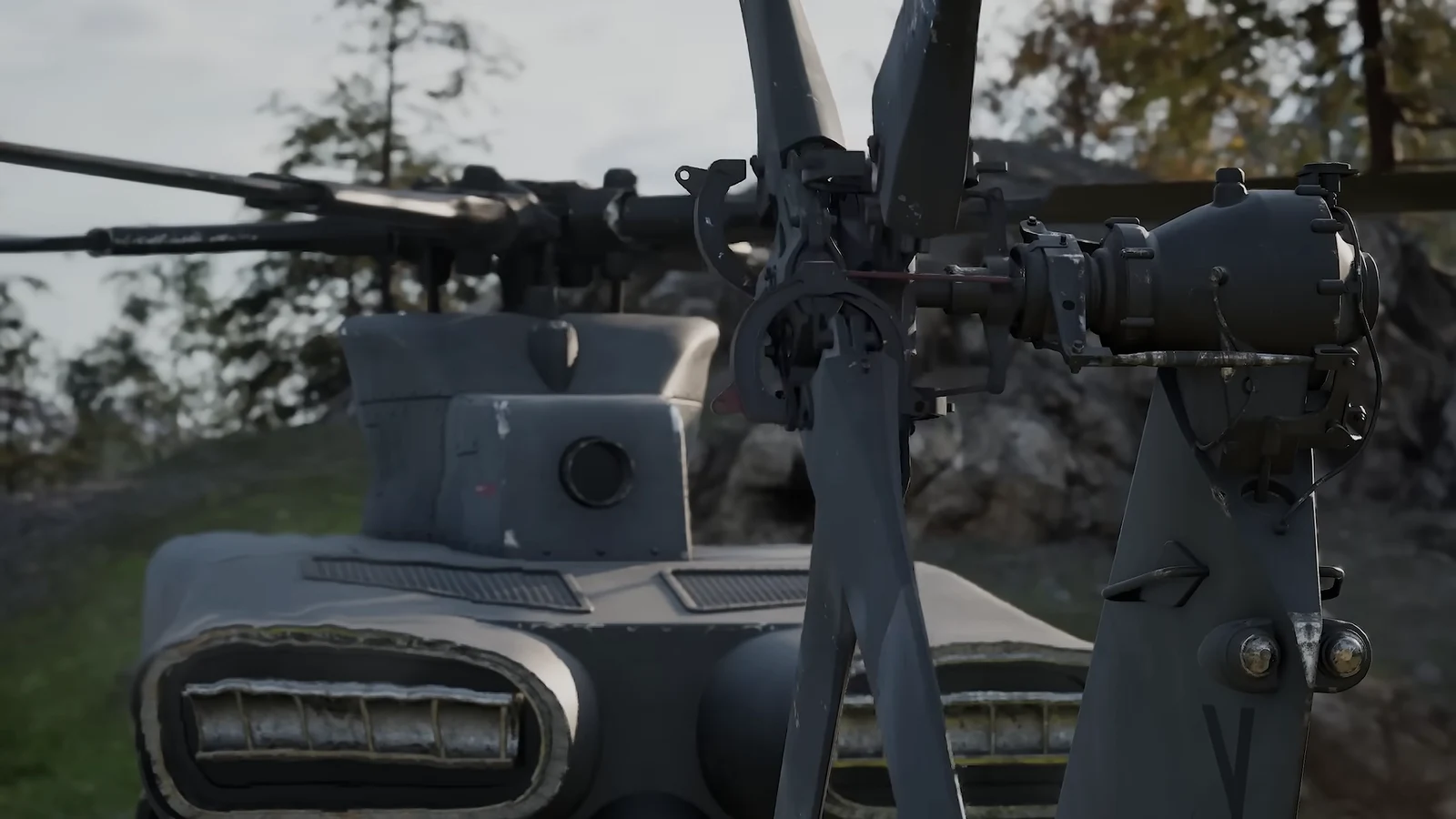
The AH-6R (Rockets) Little Bird is the archetypal rocket-pod platform. It is fast, agile, and built to contour-fly at treetop height, which is why skilled pilots use it for close air support runs on the Control Zone. In the vehicle rankings it sits in C tier, held down by how exposed a light rocket helicopter is once the enemy has anti-air up.
The Havoc fills the heavy-hitter role with 122mm rockets and a 30mm cannon. It has 800 HP and two flares. At $18,000 per life, it is the game’s most expensive vehicle, and Pilot level 35 is required to unlock it. Its damage is formidable, but the cost and level requirement leave it in B tier.
Rocket pods themselves also appear as a Pilot-track vehicle weapon, such as the B-13 Rocket Pods, so the loadout is tied to the aircraft and the pilot role rather than being something anyone can grab on foot.
The cash and XP behind rocket runs
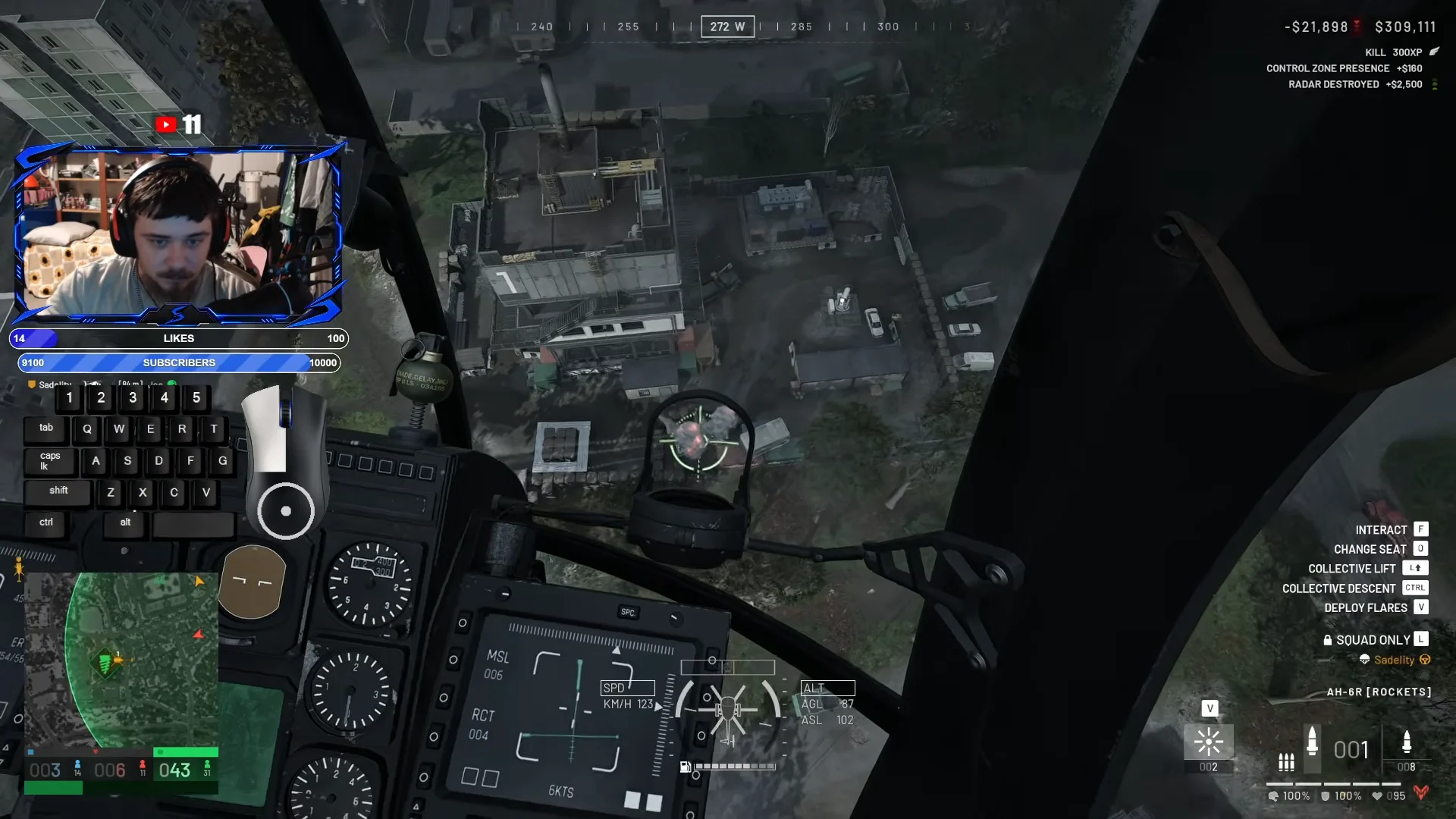
WARDOGS runs on a persistent bankroll, and rocket pods are a cash engine. Kill confirms pay in the range of +$1,500 to +$3,000, a headshot kill adds +$500, destroying a buildable is +$500, a ground vehicle can pay thousands, and a spawn vehicle is worth +$15,000. String a few of those together and a single sortie clears its own cost several times over.
Progression already reflects a balance change: in Season 1, an air-vehicle player kill began awarding 250 XP instead of 300, shifting rewards toward transport flying and away from relying only on gunship work.
How to counter a rocket-pod helicopter
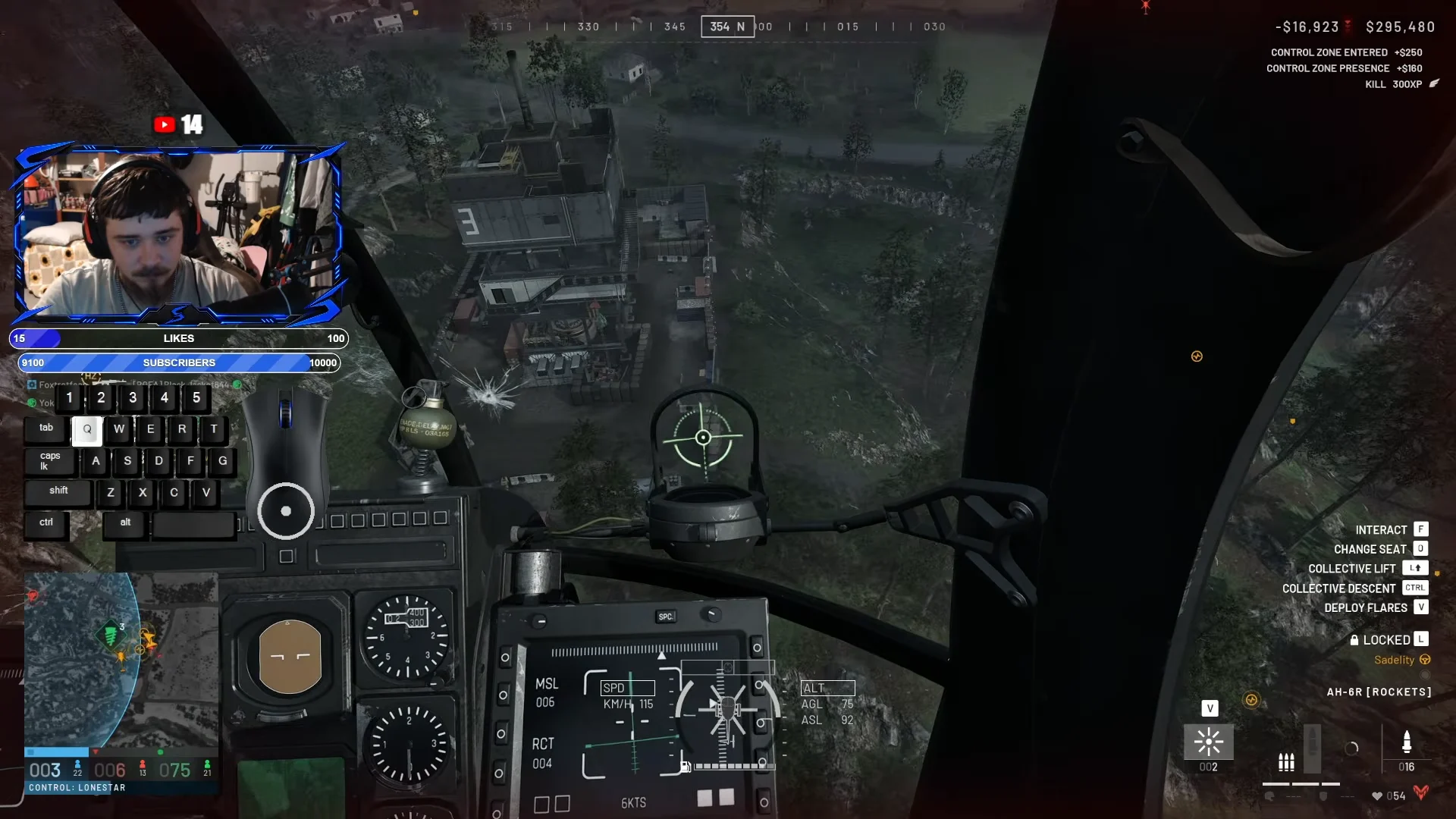
The reason rocket pods are not runaway-dominant is that the aircraft carrying them is fragile. Enemy anti-air, RPG launchers, and even focused small-arms fire will set the engine on fire and rip away altitude control, forcing a bail-out or a crash. The countermeasures are limited to flares on the X key, so a pilot cannot simply tank incoming fire.
The main hard counter is auto-guided anti-air, which can knock a helicopter out in a single hit and is very hard to dodge without practice. That weapon is the flashpoint of the game’s balance debate, with pilots calling it oppressive and anti-air players treating it as a skill check.
If you are on the ground trying to survive rocket runs, these are the moves that work:
- Set up anti-air near the objective to threaten any pilot who lingers.
- Use RPGs and concentrated small-arms fire when the helicopter dives low.
- Hunt the anti-air FOB and mortar it out, or snipe operators from their seat.
If you are the pilot dodging anti-air, staying alive is about terrain. Hug the treeline, drop into canyons, follow winding roads, and fly under bridges to break line of sight and lock-on. A helicopter pinned to the ground contour is extremely hard to hit, and sharp maneuvering can make a missile miss even without flares.
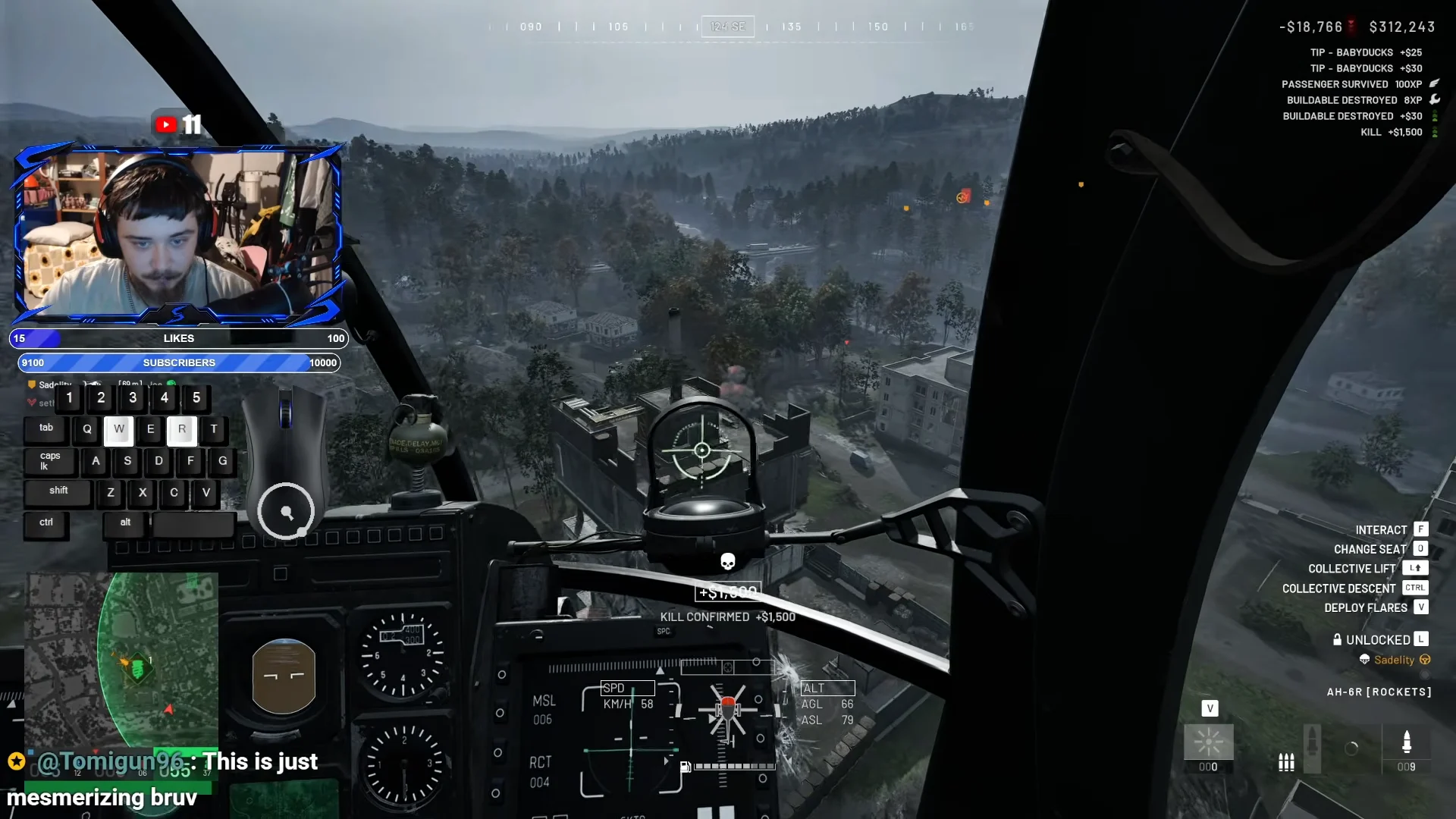
Setting up more than one anti-air position around a zone forces a rocket pilot to expose themselves to multiple threats at once, which is far more effective than a lone launcher.
The verdict: strong, not unbeatable
Rocket pods are one of the most punishing tools in the game for clearing infantry, breaking fortifications, and cashing out on spawn vehicles, and in the hands of a confident pilot they can look overpowered. But they are unguided, fired in short salvos, and bolted to a helicopter that a coordinated team can shoot down for a fraction of what it costs to fly. The C-tier standing of the AH-6R rocket build reflects that trade: enormous output when it is left alone, and a quick death the moment anti-air, RPGs, and small arms coordinate against it. Whether they feel overpowered usually comes down to which side of the missile lock you are on.