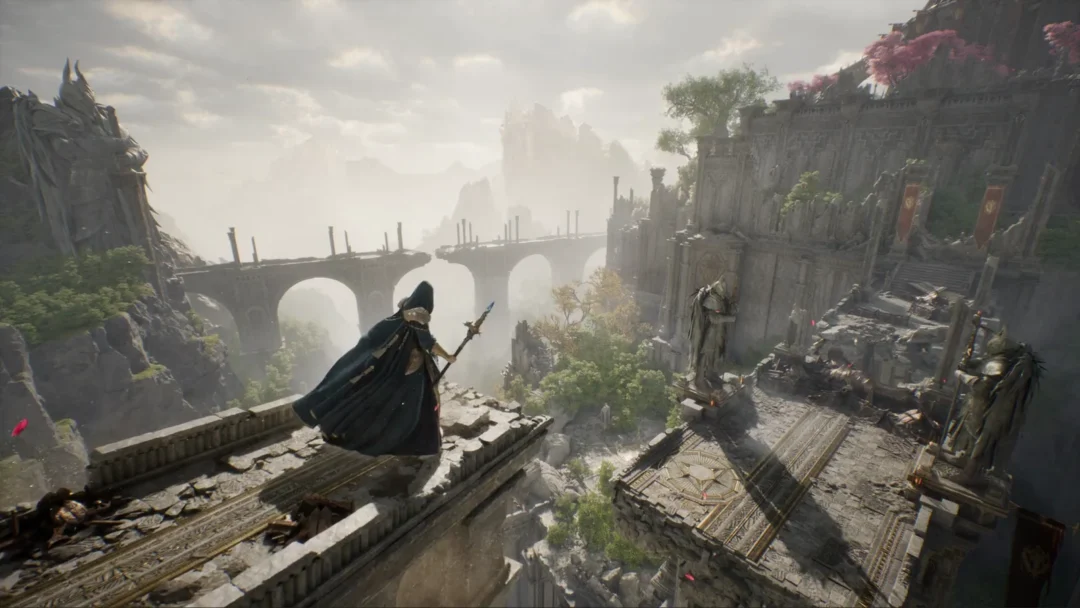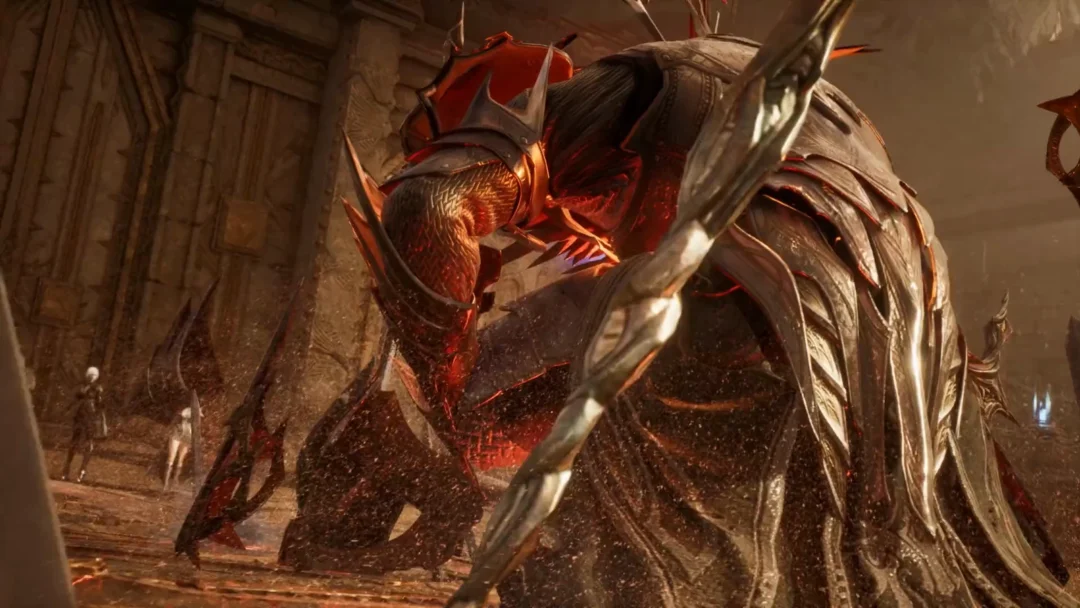
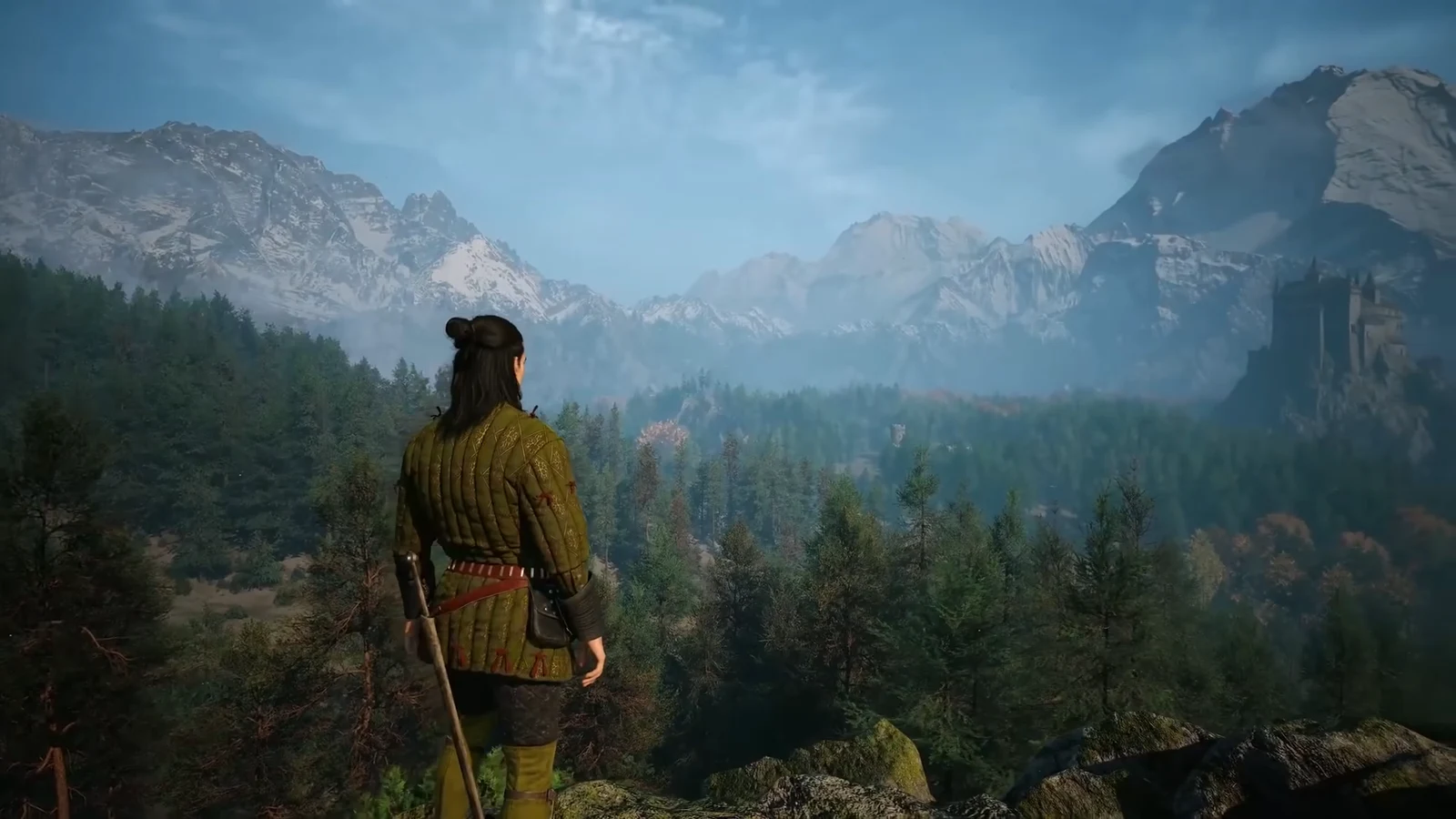
The Blood of Dawnwalker puts you in control of Coen, a man turned into a hybrid “dawnwalker” who fights as a human swordsman by day and a vampire by night. The whole game runs on a single hard rule: you have 30 in-game days and nights to save your family before the vampire ruler Brencis executes them. Understanding how that clock ticks, how combat changes with the sun, and how blood hunger can wreck your story is the fastest way to avoid early mistakes.
Quick answer: Explore freely — the clock only moves when you complete quest objectives, wait, travel, or switch between day and night. Feed regularly to avoid a forced kill, and split your build across the day (Swordmastery/Witchcraft) and night (Vampirism) skill trees so you don’t lock yourself out of half the game.
How the 30-day time limit actually works
The countdown is the game’s defining mechanic, but it is not a real-time timer. Time only moves forward when you take specific narrative actions. Wandering the world, searching for clues, or perfecting a fight costs you nothing on the clock. The pressure only kicks in when you commit to something important.
Before you confirm one of these actions, the game shows an hourglass icon with the exact time cost, so you always know what you are spending. That turns days into a resource you budget. Helping a village clear a vampire nest might push the main story closer to disaster, while rushing straight to Brencis leaves you underprepared.
| Action | Moves the clock? |
|---|---|
| Exploring, looting, searching for clues | No |
| Completing certain quest objectives | Yes |
| Waiting | Yes |
| Fast traveling | Yes |
| Switching between day and night | Yes |
| Learning some abilities | Yes |
Running out of days is not an automatic game over. The story continues with consequences instead. Because of this design, most quests are effectively optional. You can reach an ending at several points, and many stories carry multiple outcomes depending on what you chose to prioritize.
Note: You can head straight for Brencis once you reach a certain point in the story if you want to skip everything else. The fight will be far harder, but the game supports that path.
Day and night: two completely different playstyles
Coen plays as two distinct characters depending on the time. The time gauge in the top-right corner shows the current phase (Noon, Moonrise, Dawn). Certain NPCs and quests only appear at specific times, so committing entirely to one side means missing a large chunk of content.
Daytime: swordplay and witchcraft
By day, Coen is a grounded medieval swordsman. Combat is directional — you aim your slashes and parries in specific directions to exploit an enemy’s openings, and every attack drains stamina. Red skull markers signal unblockable attacks you must dodge instead of blocking. Successful blocks, attacks, and parries build Activation Charges, which you spend on active abilities like the Burning Blood hex.
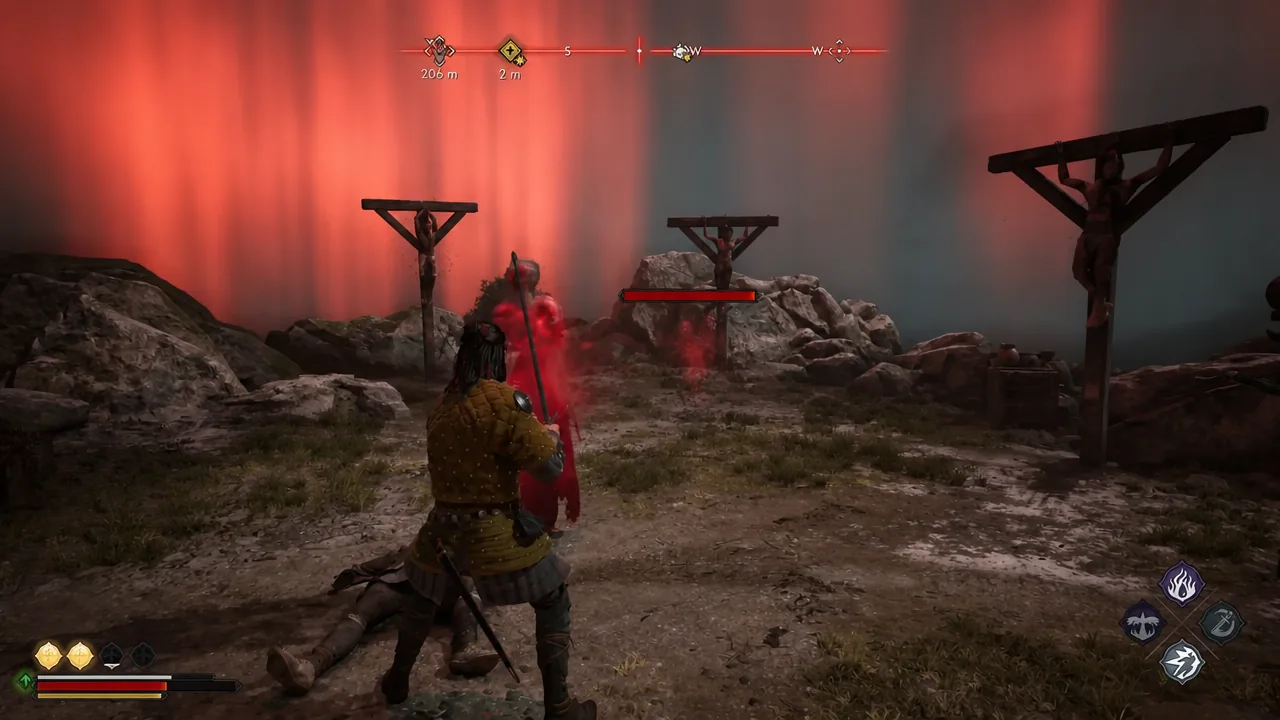
Witchcraft is Coen’s daytime magic, and it costs health to cast. You can unleash offensive blood spikes, raise defensive shields, buff your weapon, or use abilities like Compel Soul to gather information from the dead. Magic here is ritualistic — Coen carves runes into his skin to channel it, and those runic scars seal over at night, making his spells inert until the sun returns.
If you prefer a simpler combat feel, you can switch to omnidirectional blocking, similar to a standard parry system. It consumes more stamina in exchange for that convenience.
Nighttime: vampire powers and feeding
After dark, Coen unlocks his vampire moveset. He fights with claws, teleport strikes, and blood draining, and his senses sharpen so he can hear heartbeats and detect life around him. His vampire magic works instinctively rather than through runes, so he channels supernatural energy without needing spell books.
Traversal opens up massively at night. Shadowstep lets you teleport short distances and onto walls, Clawride and wall-walking carry you across rooftops, and a wolf transformation lets you sprint across terrain. The wolf form also enables a Death from Above assassination. Note that Coen has no horse, so these night abilities are your main way to cover ground quickly.
Blood hunger: the mechanic that can ruin your story
Coen heals with blood, not food, and his hunger meter is something you must actively manage. Feeding restores his vitality and powers his vampire abilities. You can drink from defeated enemies, other vampires, ordinary villagers, or animals, and special blood vials work too. You also choose how much to drain — enough to knock a victim out, or enough to kill them.
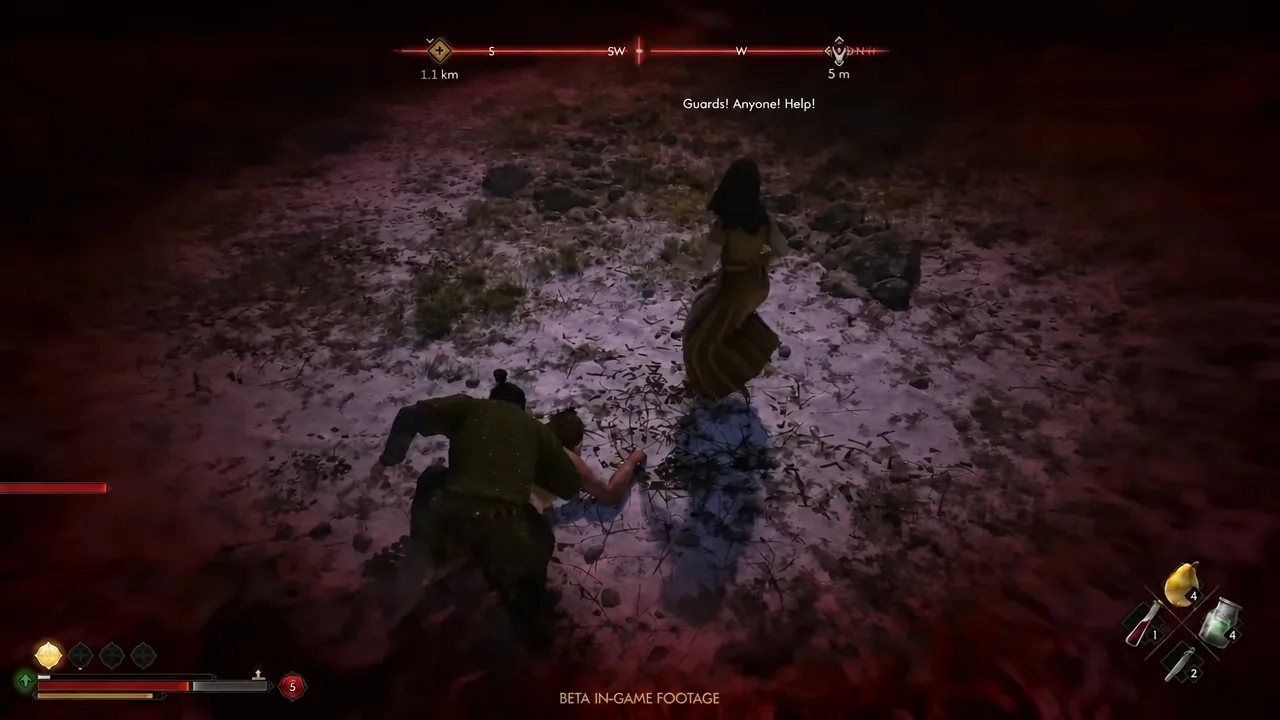
The danger is what happens if you ignore it. If hunger drops too low, Coen loses control. During dialogue, every option can collapse into a single juddering red “Give in to the hunger” prompt that you cannot refuse — and he kills the first NPC he sees. That victim might be inconsequential, or it might be a major story character, permanently altering your playthrough.
Tip: If you have moral objections to feeding on people, hunt wildlife. Deer, bears, and wolf packs all satisfy Coen’s bloodlust, and killing an animal causes far fewer problems than accidentally draining an ally.
Separately, drinking from another vampire can steal their unique blood power. Some abilities are locked behind specific vampiric blood, so who you drain matters for your build, not just your survival.
Infamy, corruption, and the Court
The Court menu lays out the ruling vampires: Brencis and his lieutenants Ambrus, Xanthe, and Bakir. Targeting a boss’s subordinates weakens that boss, so working through the officers pays off before a major confrontation.
Your actions raise Infamy across Vale Sangora. As notoriety climbs, the vampire regime issues new punitive edicts and sends bounty hunters after you. A high reputation for causing trouble is not purely negative, though — it can open doors with the human resistance. Corruption, tracked separately on the HUD, rises as you consume blood and unlocks deeper vampire powers.
Exploring Vale Sangora
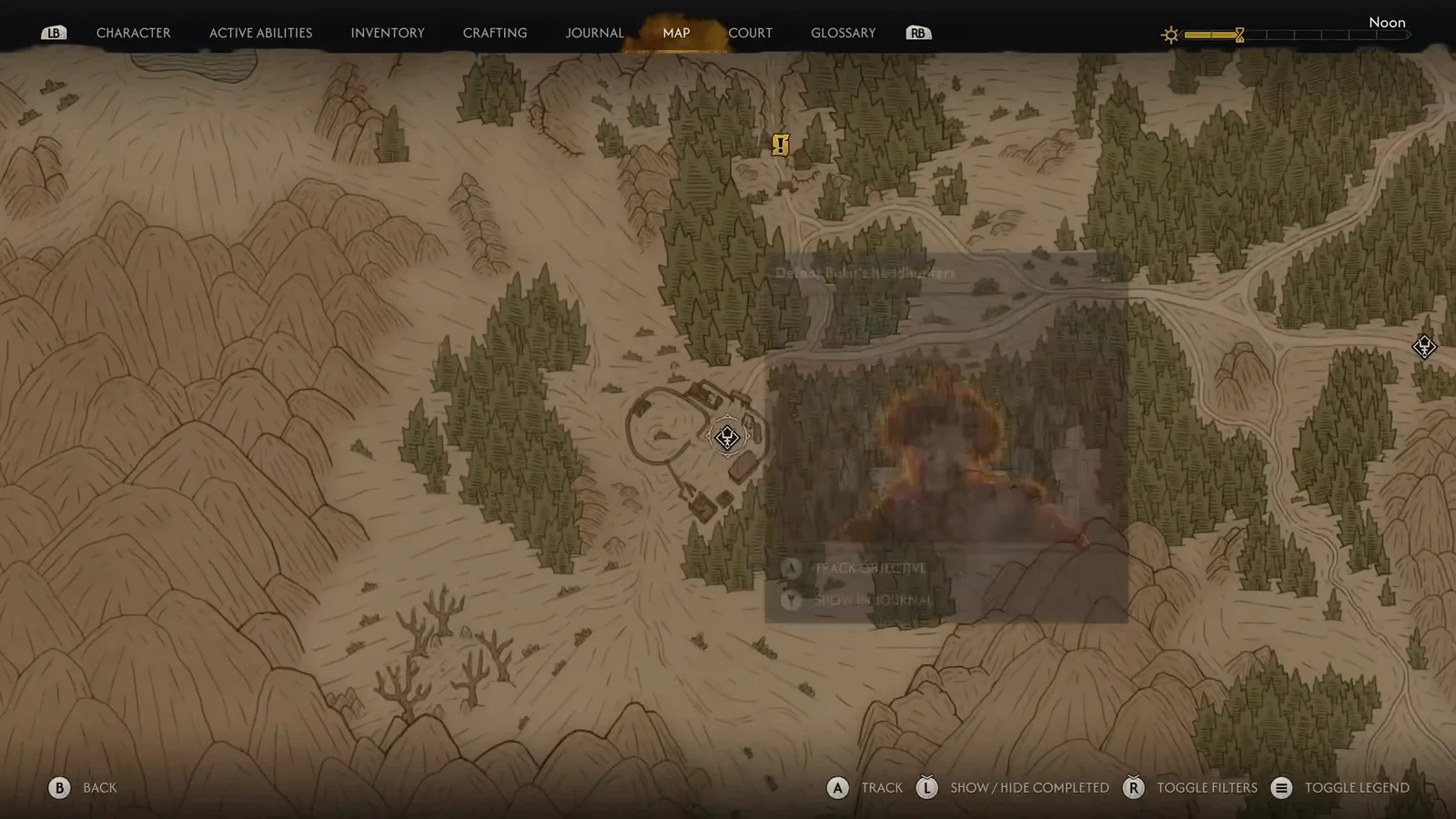
The Carpathian valley of Vale Sangora is set in 14th-century Europe and split into regions ruled by Brencis’s senior vampires. It packs swamps, forests, mountains, caves, and meadows around a single true city, Svartrau, which holds the widest range of specialized merchants. Smaller villages have their own shops.
The full map is visible from the start, but activities are not spelled out for you. Entering a new area reveals that something is happening at a spot without telling you what — you learn the details by finding clues, talking to locals, or traveling there yourself. Some points of interest are easy to stumble on; others need careful searching.
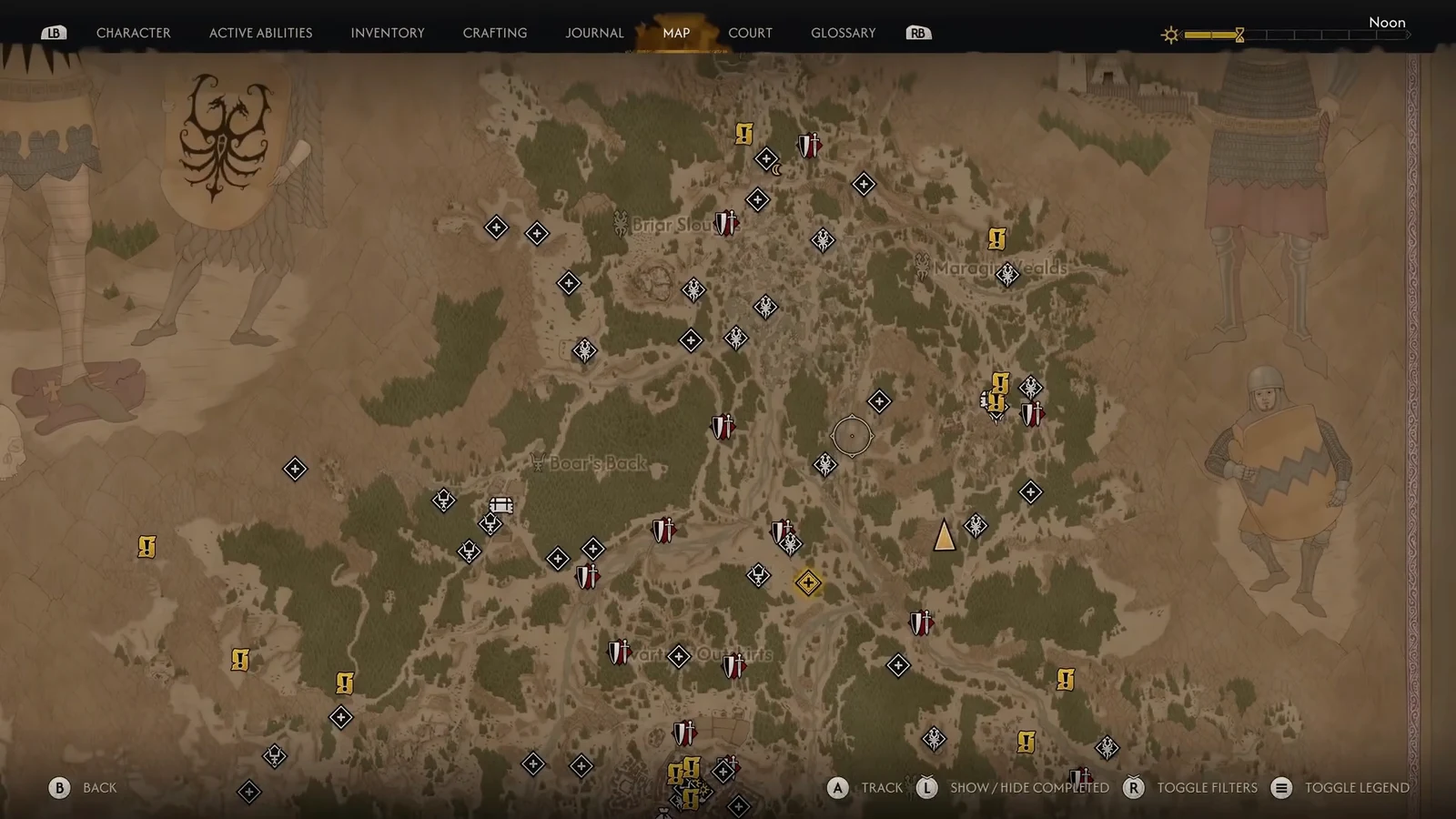
To get around, scout from high points, activate shrines to unlock fast travel, and use night abilities like Shadowstep and wolf form for quick movement. Each region has a difficulty range set the first time you enter it, and that level is fixed for the rest of the game. As a rule, the further south you go, the tougher the enemies.
Skill trees, gear, and difficulty
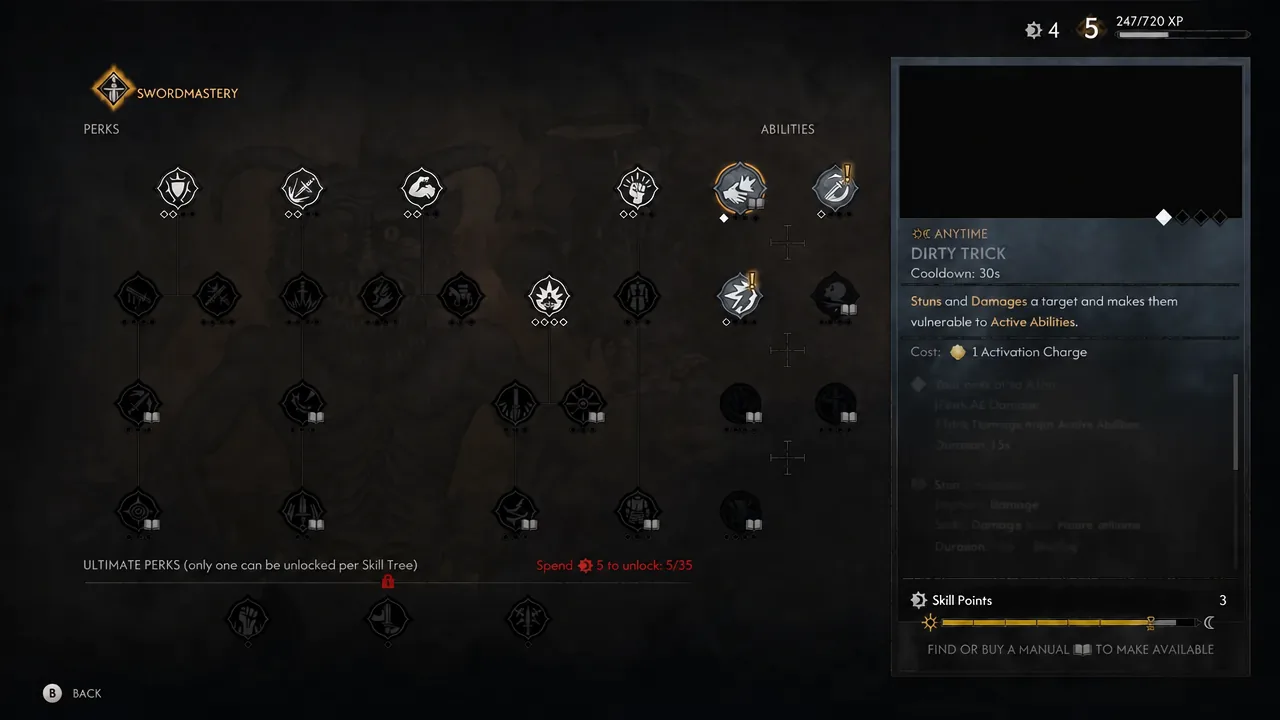
Coen’s progression runs across three skill branches. Two are tied to a time of day, and one overlaps both.
| Skill tree | When it’s used |
|---|---|
| Witchcraft | Daytime magic |
| Swordmastery | Shared — swordfighting works day and night |
| Vampirism | Nighttime vampire powers |
Some perks require manuals to unlock, such as the Witchcraft Mastery Manual for specific witchcraft abilities. You also configure separate quick-slot loadouts for day and night, so plan for both phases rather than one.
Equipment mirrors the day/night split. The inventory uses presets with Day and Night icons, and some armor pieces are time-restricted. Gear carries stats like Weapon Critical Hit Chance, Vampiric Health, and Stamina, while rings and amulets have rarity indicators and can boost your stats.
For difficulty, there are four standard settings — Story, Normal, Duelist, and Nightmare — and you can customize individual parts of the experience beyond those presets. On easier settings, enemy attack animations slow down to give you more reaction time, rather than just handing you more health.
Early mistakes to avoid
- Don’t hoard days out of fear — exploration is free, and only committed actions cost time.
- Don’t let blood hunger bottom out before a dialogue-heavy scene, or you may kill an important NPC without meaning to.
- Don’t invest only in day or only in night skills — you’ll miss quests and NPCs tied to the other phase.
- Don’t wander deep south early; region difficulty locks the first time you enter, so match your level to the area.
The Blood of Dawnwalker releases September 3, 2026 on PS5, Xbox Series X|S, and PC via Steam, with a main story that runs roughly 30 to 40 hours and full playthroughs stretching to 55–70 hours. Treat your first run as a series of trade-offs rather than a checklist, keep Coen fed, and build for both halves of the day — that combination gives you the most control over how his story ends.