
The Division Resurgence carries over the cover shooting and loot systems the series is known for, but it reworks gearing and progression enough that both newcomers and returning players trip over the same early decisions. A few of those decisions are permanent, and others quietly drain the materials and Credits you need later. Getting them right from the start keeps your agent moving instead of stalling.
Quick answer: Create your character on the same regional server as your friends, build around gear synergy instead of raw Power Score, keep one weapon of each damage type equipped, hold back upgrade materials on early gear, skip crafting until later, and run your daily and weekly quests once they unlock at Character Level 10.
Pick the right regional server before anything else
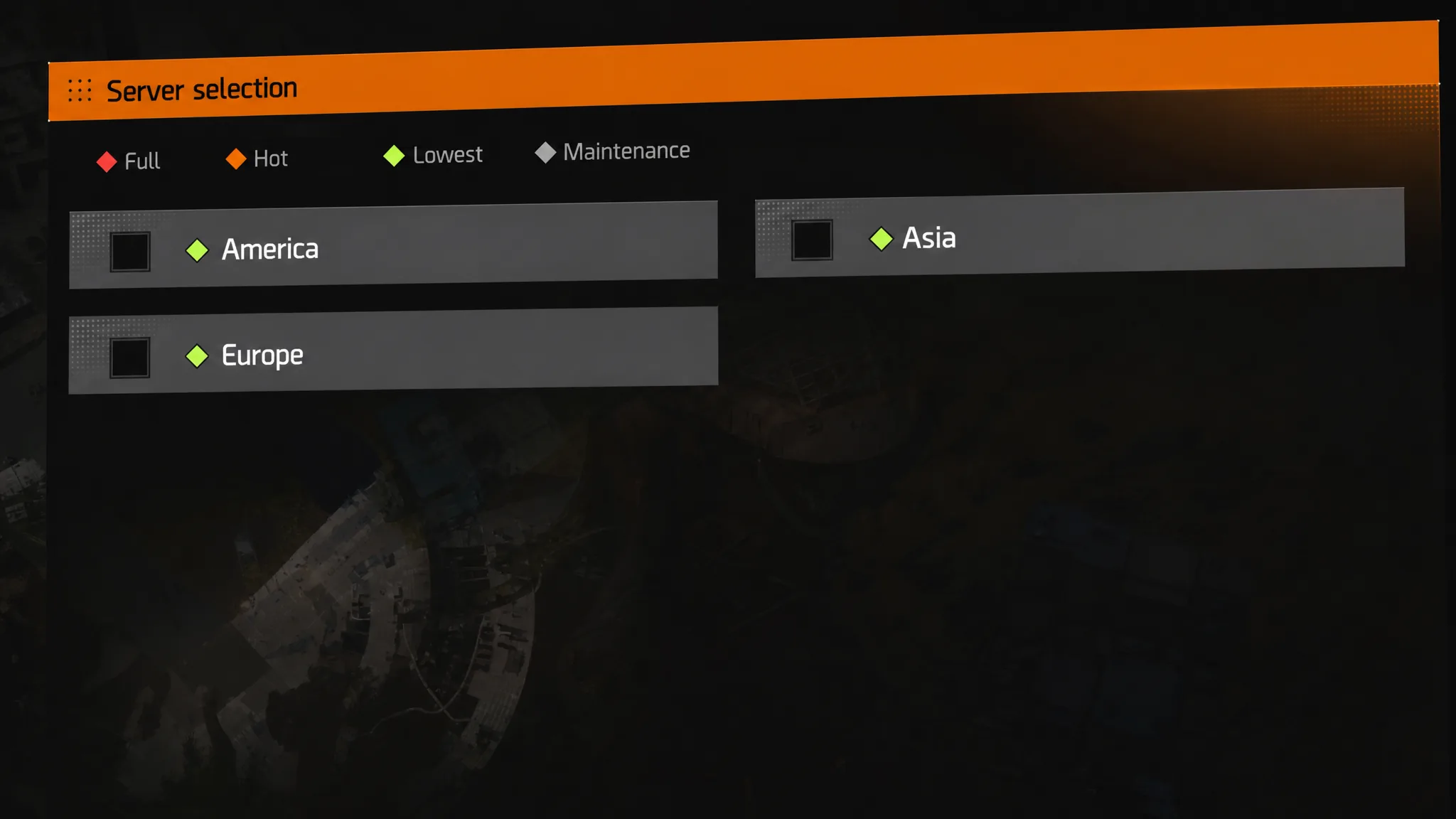
When you first log in, you choose between America, Europe, and Asia. The Division Resurgence supports full crossplay across Android, iOS, emulators, and Steam, but the regional servers themselves are completely separate. A character made on one server cannot group up or share a clan with characters on another.
If you plan to play with friends, create your character in the same region they use. Input lag from a nearby region is generally manageable, so matching your teammates matters more than chasing the lowest possible ping. This choice sticks with the character, so it is worth pausing on before you fire your first shot.
Build for gear synergy, not a higher Power Score
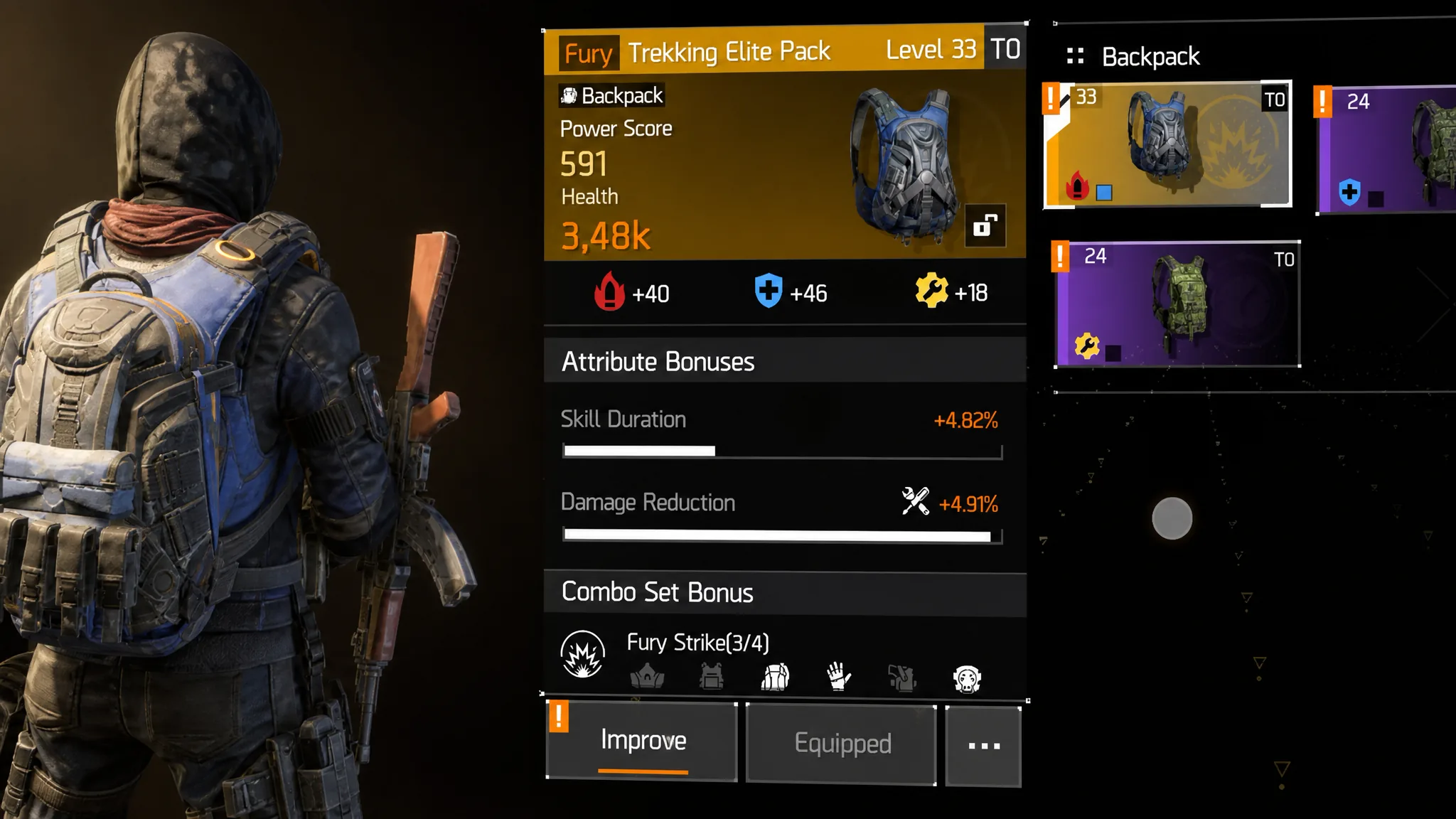
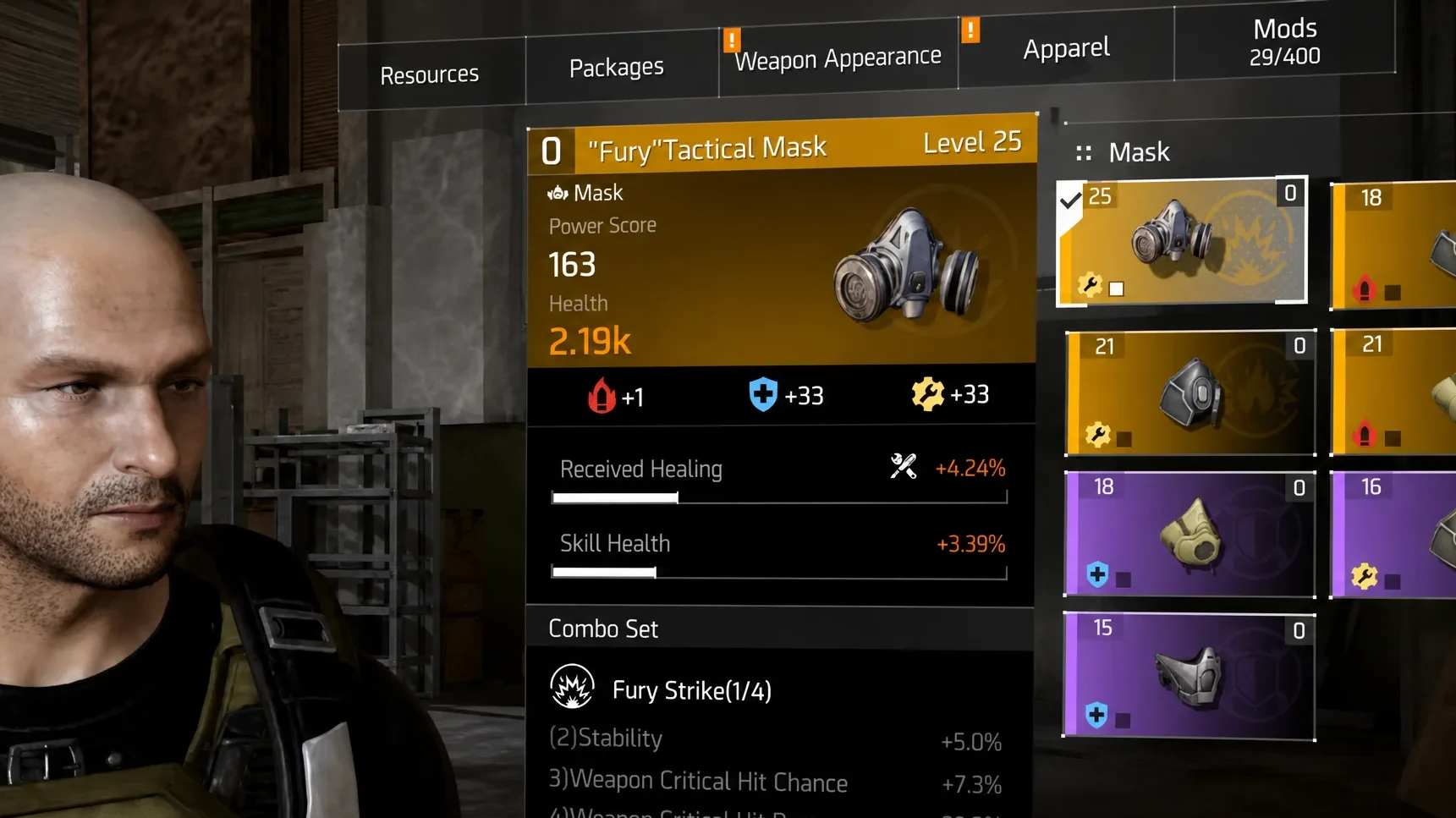
It is tempting to slot in whatever pushes your Power Score to an activity’s recommended number. That is the wrong priority early on. Your effectiveness comes from how your armor pieces and weapons work together through gear bonuses, not from a single aggregate value.
Get a coherent build going first, then upgrade the pieces that support it. A lower-number setup with matching set bonuses will outperform a random collection of high-score gear. Balance damage output with survivability and skill effectiveness rather than stacking damage alone.
Keep all three damage types equipped for shielded enemies
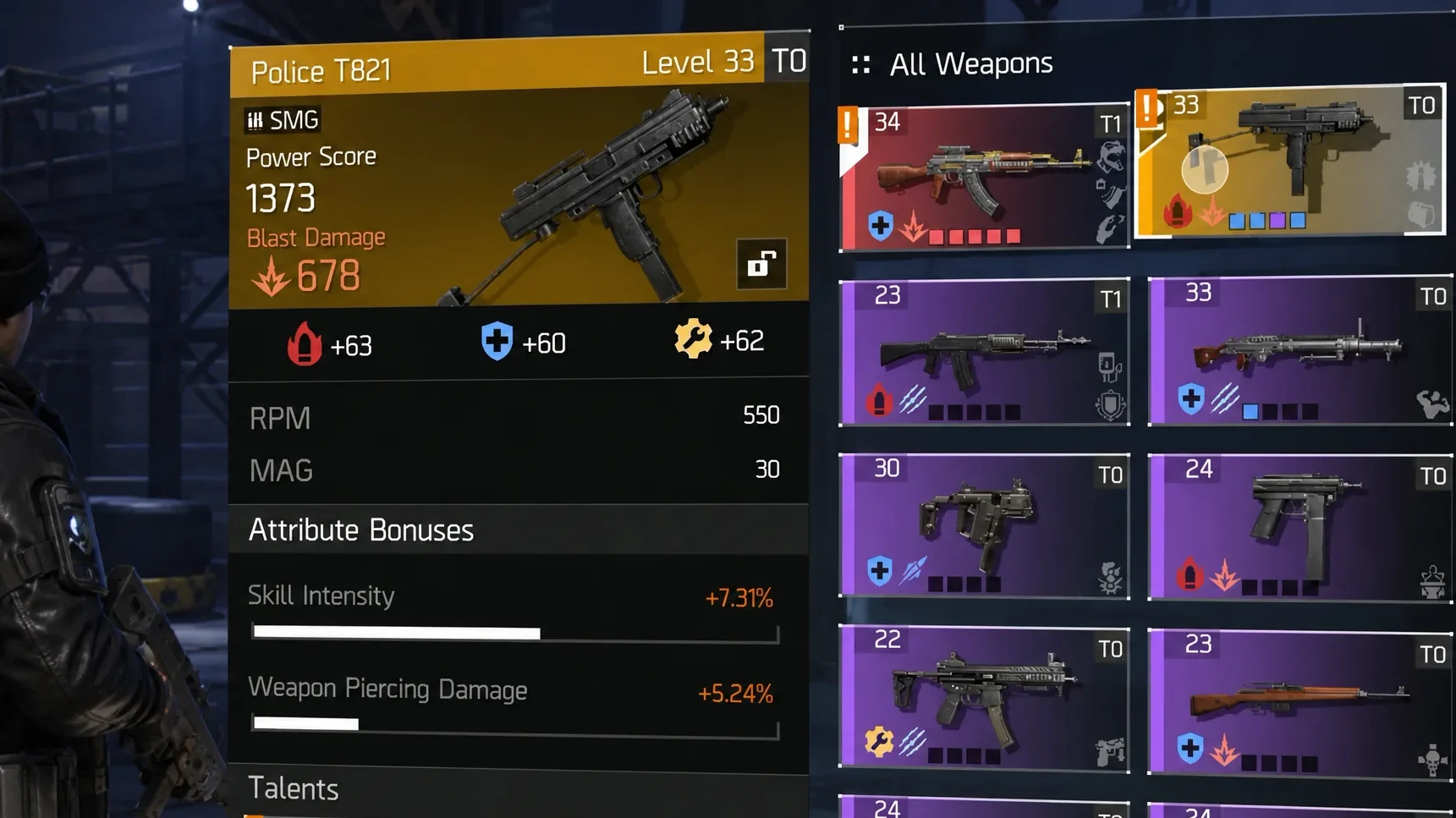
As you move into the mid and late game, bosses and tougher enemies spawn with colored shields. Each shield requires you to match it with a corresponding damage type on your weapon. Fail to match the color, and your damage numbers against that enemy drop sharply.
| Damage type | Shield color |
|---|---|
| Blast | Orange |
| Shredding | Light blue |
| Piercing | Dark blue |
Spread these across your three weapon slots so you always have an answer on hand. Carrying one of each type means no enemy shield can stall you, and you can swap to the right damage instantly instead of grinding a mismatched weapon into a wall of reduced damage.
Don’t pour upgrade materials into early gear
Every gear piece has its own gear score, and higher-tier items start higher and can be leveled up independently as you progress. That flexibility is a trap for beginners. If you find a strong High-End piece early, equip it and use it, but do not sink a pile of materials into pushing it to the level cap.
Better gear arrives steadily through the mid and late game, and materials are the main bottleneck for upgrading the pieces you actually keep. Note: when you dismantle an upgraded item you only recover about 90% of the materials invested, and that recovery drops to 80% for OS Protocols, so wasted upgrades are money you never fully get back.
Skip crafting in the early game
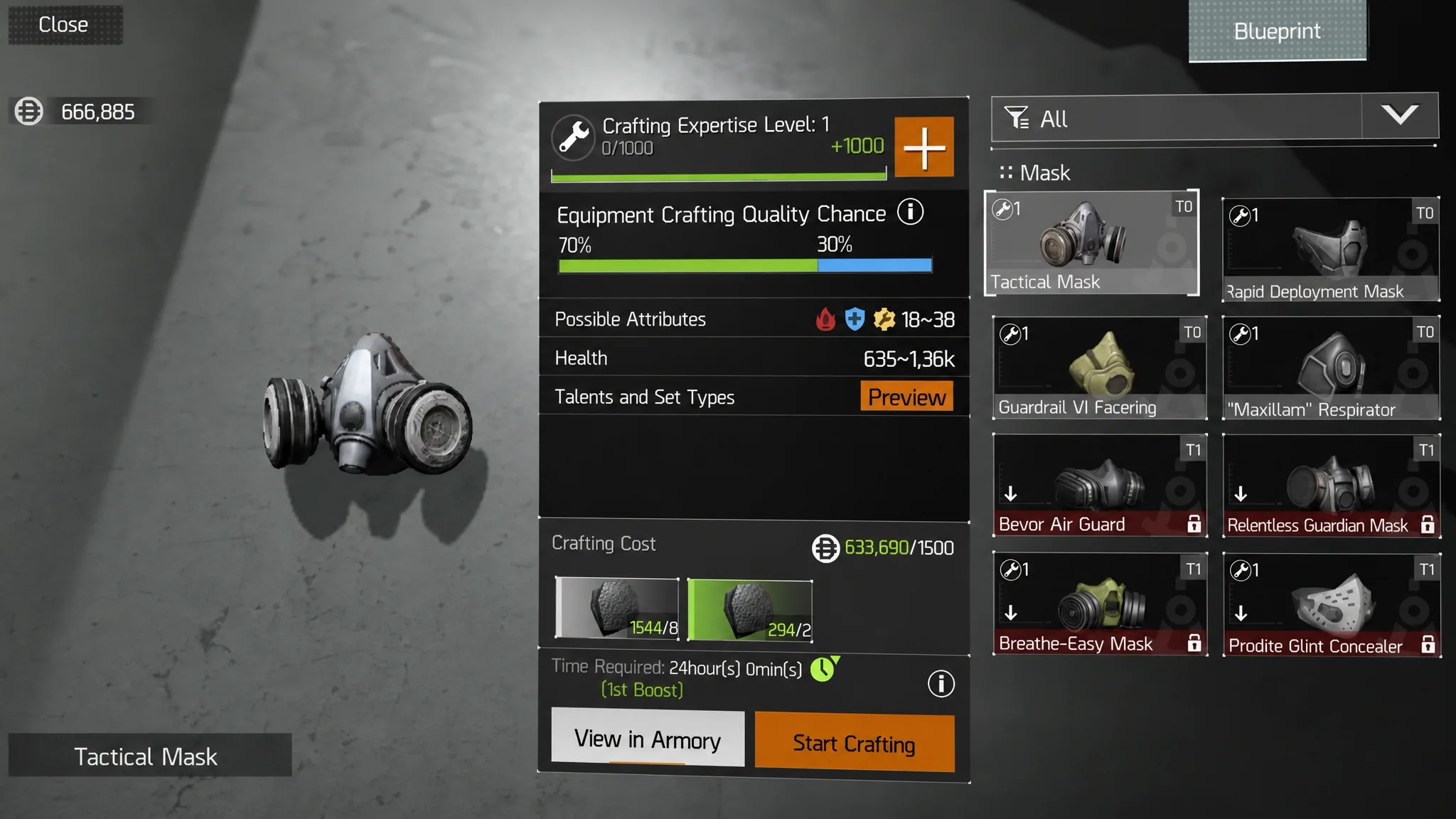
Crafting in The Division Resurgence is not the reliable progression path it was in earlier Division games. Where The Division 1 and 2 leaned on deterministic recipes, nearly everything here is luck-based and tied to a heavy grind for upgrading your crafting bench. The first few workbench tiers simply are not worth the effort, and each craft also runs on a real-time timer that defaults to 24 hours.
You can gear every weapon and armor slot to a strong level without touching crafting at all. Early engagement mostly drains Credits and materials for poor returns. Deconstruct the gear you replace to feed materials into the pieces you keep, and leave crafting for when your bench is properly leveled.
Run daily and weekly quests once they unlock at Level 10
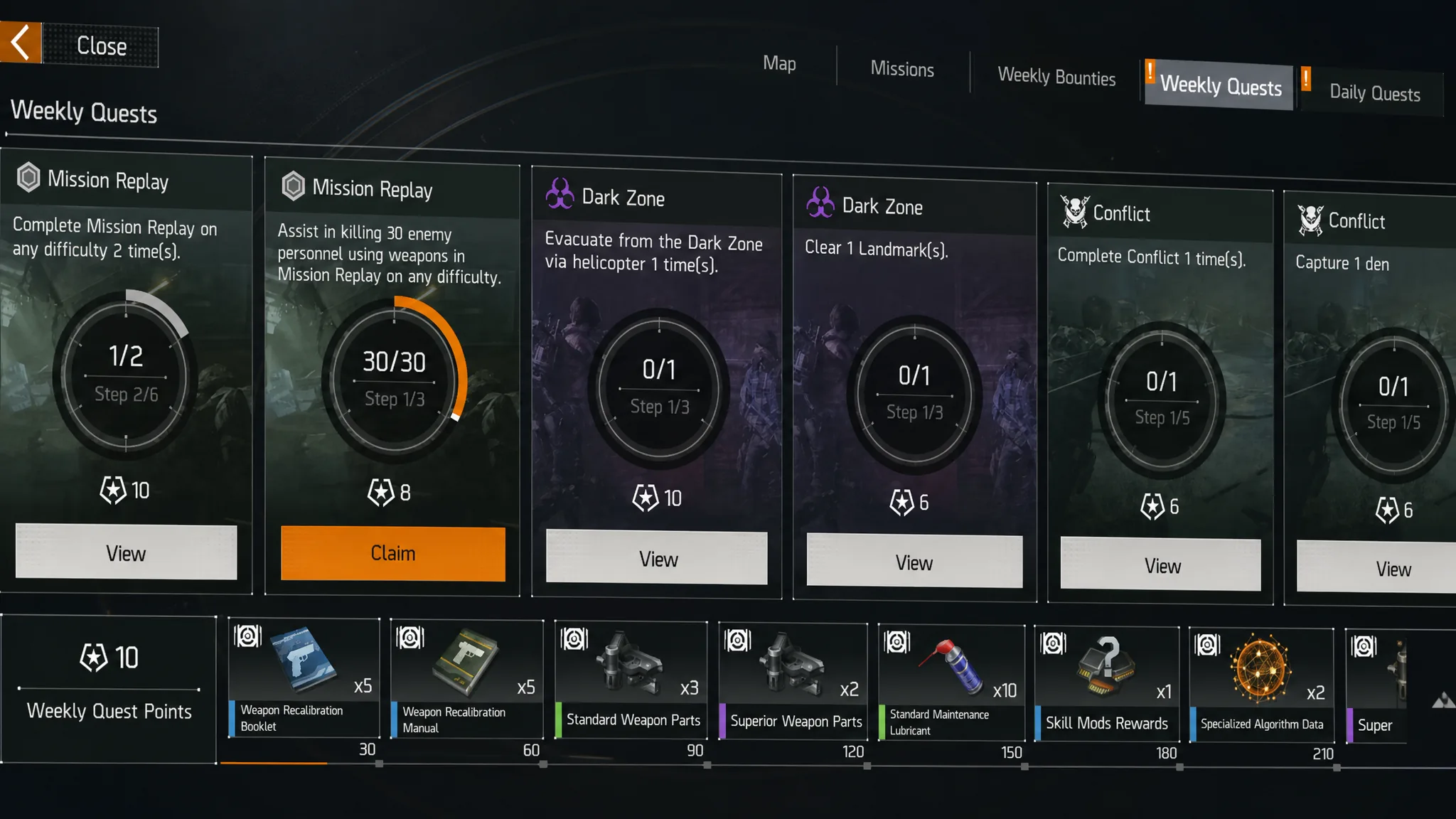
Daily and weekly quests open up at Character Level 10, and ignoring them slows your progression more than most players expect. Each quest hands out a stack of rewards that feed directly into your power and account growth.
- Character EXP
- Gear caches with higher power
- Phoenix Credits
- Specialization EXP
- Battle Pass EXP
Completing a set number of weekly quests also unlocks additional rewards, including upgrade materials for weapons and armor and higher-tier caches. Daily quests give the best EXP-to-time ratio, and you get free rerolls each day to swap out objectives tied to modes you would rather skip.
Handle these six points early and the rest of the game opens up cleanly. Lock your server before you commit, spend materials only on gear you intend to keep, cover all three damage types, hold off on crafting, build for synergy over score, and treat your daily and weekly quests as the backbone of steady progress.