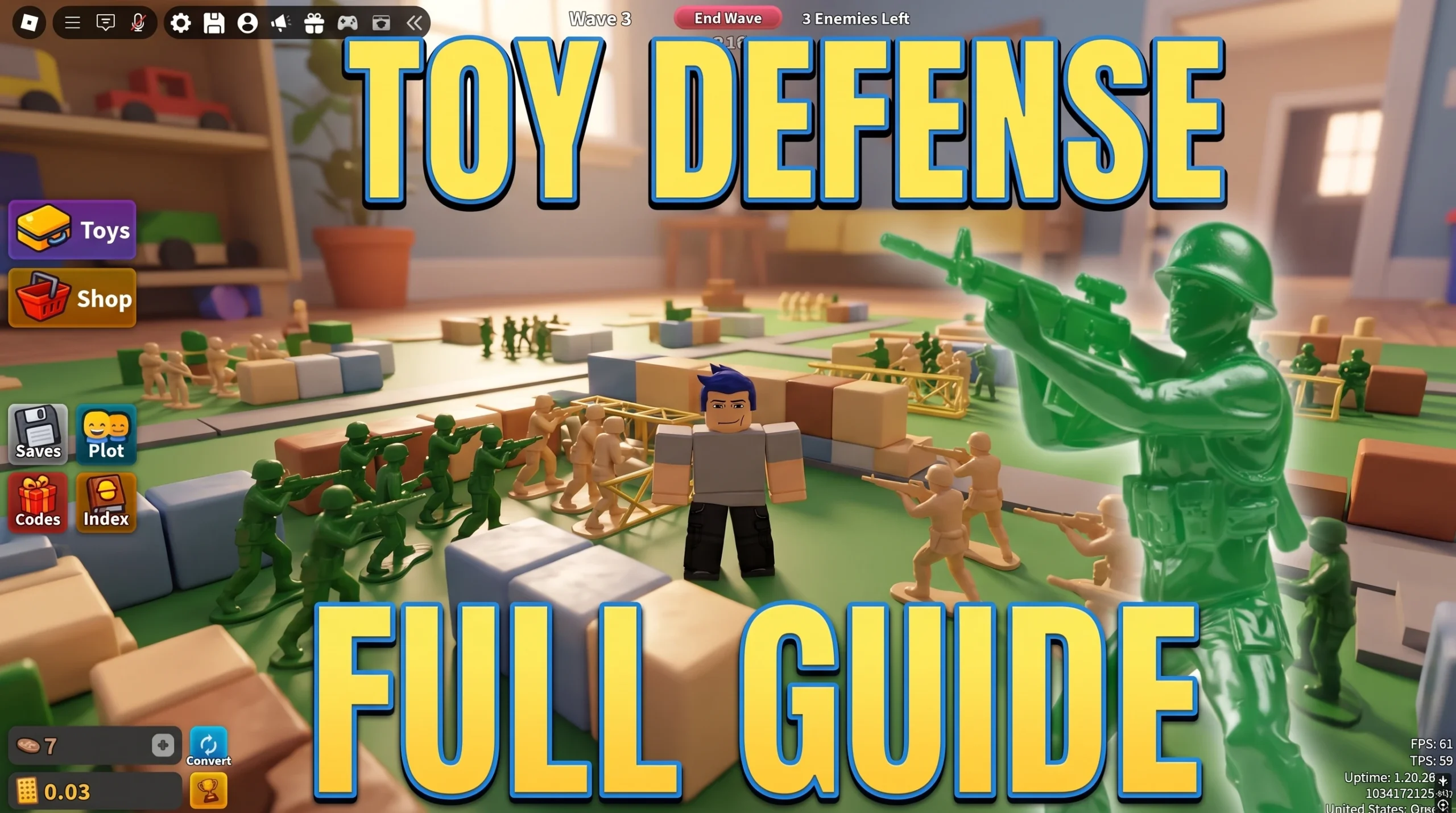
Toy Defense is a Roblox tower defense game from Glacid Games that shrinks the genre down to a toy-sized battlefield, where you drop blocks, traps, and units to stop enemies from reaching your base. The trick is not spamming pieces everywhere. It rewards clean placement, sensible spending, and knowing when an upgrade fixes a real problem instead of burning currency you will need later.
Quick answer: Grind waves to earn crackers, spend those crackers on lunchboxes to pull new towers, blocks, and traps, then build a compact defense and upgrade only the lane under pressure. The standard run tops out at Wave 40, with a harder endless track behind it.
What Toy Defense is and where to play it
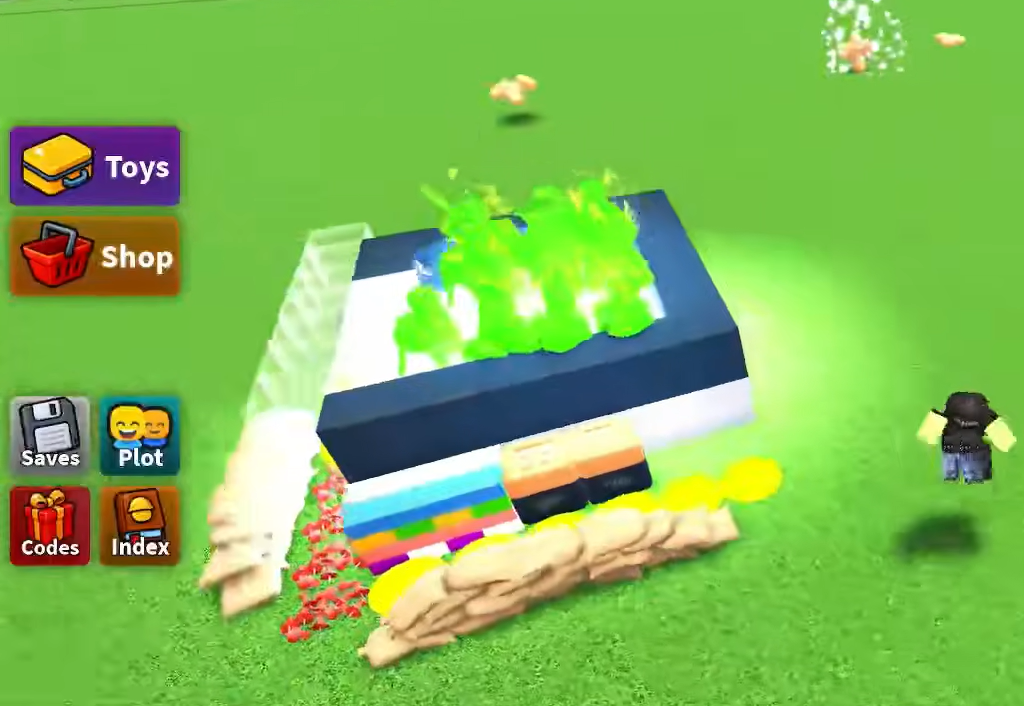
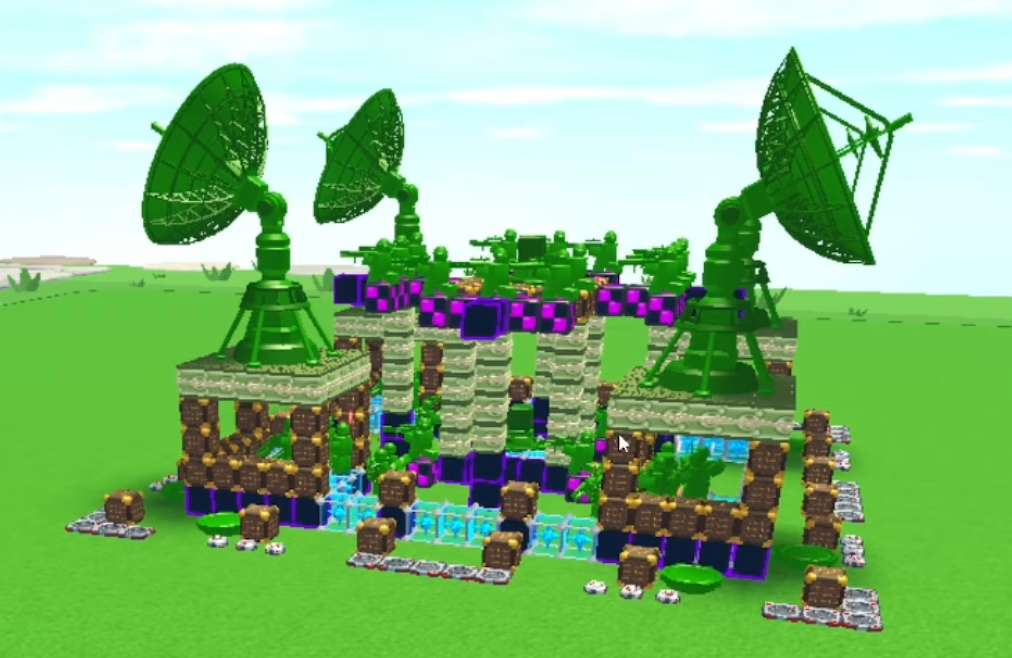
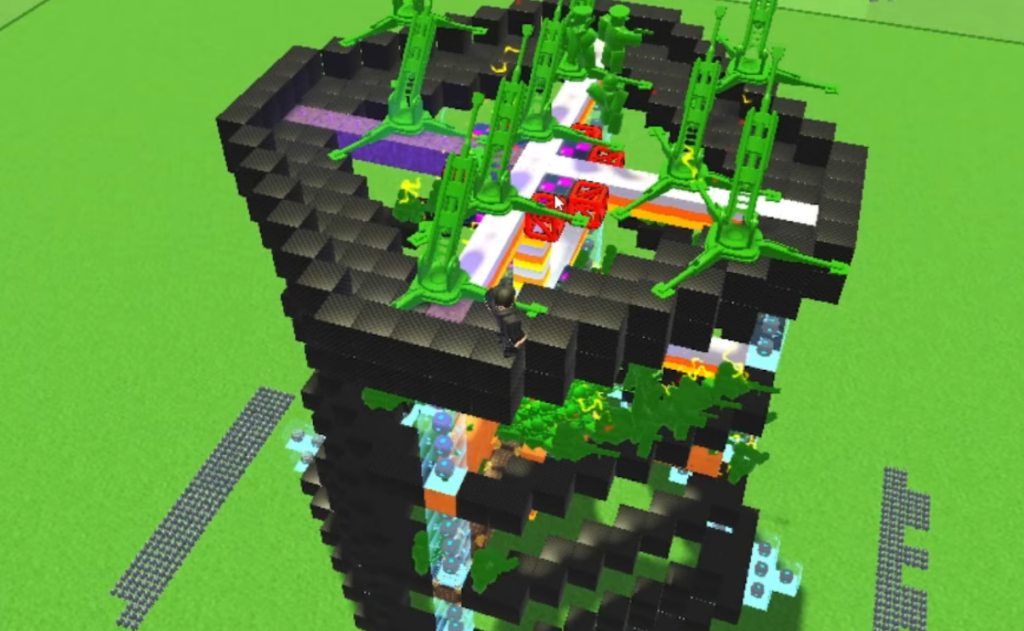
The game puts you in charge of a toy army defending a base against waves of attackers. You assemble a defense out of little toy pieces, which break down into three roles. Blocks form the structure of your base, traps slow or damage enemies on the path, and units do the fighting. Everything looks lighthearted, but the decisions are real. A bad placement wastes value, and a delayed upgrade can let a single lane collapse.
It first launched in August 2020 as a rough alpha, with buggy waves and enemies that could not always be killed, which pushed its like ratio down near 45 percent. The full version arrived on May 25, 2023, as a complete overhaul, adding new blocks, troops, traps, music, and unique waves. It supports up to six players, and it costs zero Robux to jump in.
Money and lunchboxes: how the economy works
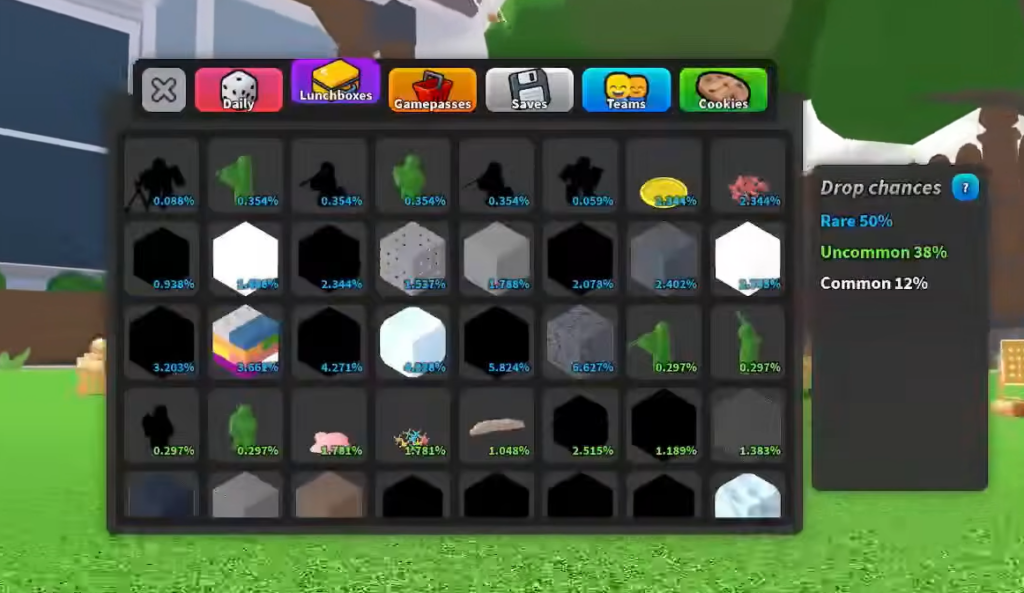
The whole loop runs on crackers, the currency you earn by surviving waves. The main way to grow is to grind a wave until you have enough crackers, then spend them on lunchboxes. Lunchboxes are the source of new items, so they are how you widen your pool of towers, blocks, and traps over time.
Progress feels best when every purchase has a job. Stacking money with no plan does little for you. Once your spending starts reinforcing lane stability, boss coverage, or overall wave control, runs become far more consistent and the system gets easier to read.
| Piece | Role in your defense |
|---|---|
| Blocks | Build the structure of your base and shape where enemies go. |
| Traps | Slow or damage enemies as they move along the path. |
| Units | Do the actual fighting and hold each lane. |
| Crackers | Wave income you spend on lunchboxes. |
| Lunchboxes | Bought with crackers to unlock more items. |
Best towers and placement discipline
There is no single “best toy” that carries a run on its own. The strongest setups come from clear roles rather than raw quantity. A compact defense where each tower has a purpose consistently beats a wide field of underpowered placements. Learn which towers actually hold the line early and which only pull their weight later once they have upgrades or support around them.
On small maps, early mistakes snowball fast. Build a dependable opening before you reach for greedier upgrades, and watch which waves stress your layout so you can tell what role is missing. Wave rhythm matters as much as pure damage. If your defense clears each push cleanly and on time, you stay in control even when the field looks light.
- Set a reliable opening layout before investing in expensive upgrades.
- Upgrade only when the extra power solves a real pressure point in a lane.
- Saving for the right upgrade usually beats spending the moment crackers appear.
Waves, bosses, and the endless track
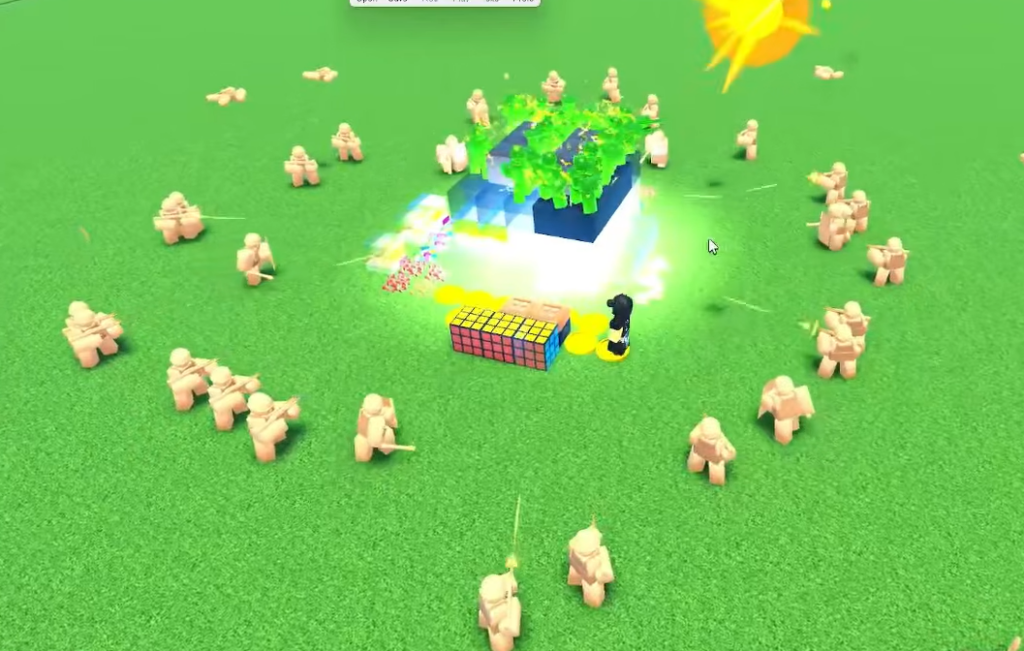
A standard run runs up to Wave 40. Beyond that sits an endless mode, and clearing all of it opens what the game labels as Wave 41. Do not let the number fool you. That final wave plays closer to Wave 60 in difficulty, so it is a real test of a defense that has already been tuned across the full ladder.
Because the challenge climbs steadily, treat each run as an efficiency puzzle. The goal is not to place as many units as possible, but to see how little you can spend while still keeping the battlefield stable. That mindset is what carries a defense from the mid waves into the endless stretch.
Codes and staying current
Toy Defense hands out codes that give you extra resources at useful moments, which pairs well with the cracker-and-lunchbox loop when you are trying to build up your item pool. Codes rotate over time, so redeem active ones while they last rather than saving them.
The community Discord is the most reliable place to keep up with new items, wave changes, and fresh codes as they drop. Add pieces to your defense as you unlock them, then rebuild your layout around the roles that keep giving you clean clears, and the deeper waves stop feeling like a wall.