Status effects in Voidling Bound are damage-over-time conditions you apply to enemies during real-time combat, and the headline examples are Burn and Poison. They behave very differently from a flat hit, because their damage scales with the target rather than a fixed number. That single design choice explains why the same Burn can feel weak on a small enemy and brutal on a large one.
Quick answer: Burn and Poison deal damage as a percentage of the target’s health on each tick, that per-tick output is bounded by a status effect damage cap, and the status effect damage multiplier raises all status effect damage at once.
How status effect damage is calculated
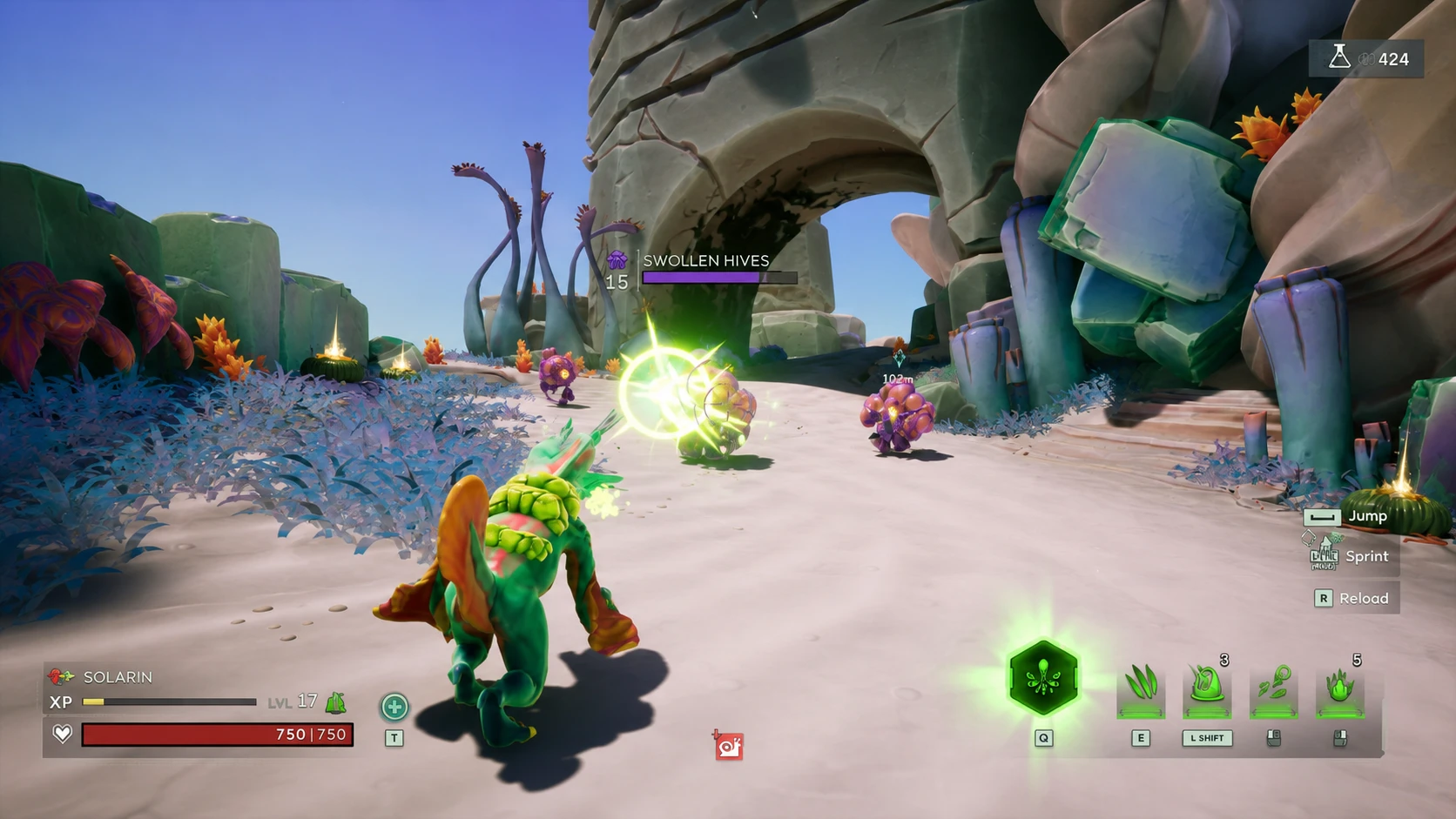
Some status effects, including Burn and Poison, deal damage based on a percentage of the target. Because the value is tied to the enemy, your tick damage changes from fight to fight. This is the reason a Burn that barely scratches one creature can wear down a larger target much faster, even though nothing about your build changed.
This percentage model is the core mechanic to understand. It is also why investing in raw attack power does not change a status tick the same way it changes a direct hit. Status damage follows its own rules layered on top of the standard damage calculation.
Status effect damage cap explained
The status effect damage cap is the upper limit on how much a status effect can deal to a single target. It exists specifically because percentage-based damage would otherwise tear through bosses far too quickly. Without the cap, applying Burn or Poison to a high-health enemy would trivialize encounters.
You can push this ceiling higher. Increasing the relevant attributes raises the damage cap of status effects like Burn and Poison, which matters most against tanky enemies where you would otherwise hit the limit on every tick. On weaker enemies whose percentage health is already low, the cap rarely comes into play.

Status effect damage multiplier explained
Separate from the cap, the status effect damage multiplier increases all status effect damage. Where the cap controls the maximum any single tick can reach, the multiplier scales the output itself. The two work together, so raising the multiplier matters more once you have also lifted the cap that would otherwise hold your ticks back.
| Mechanic | What it controls |
|---|---|
| Percentage-based ticks | Burn and Poison deal damage as a share of the target’s health, so output varies by enemy. |
| Status effect damage cap | The maximum damage a status effect can deal to a target, preventing percentage damage from melting bosses. |
| Status effect damage multiplier | Raises all status effect damage across the board. |
How attributes change your status damage
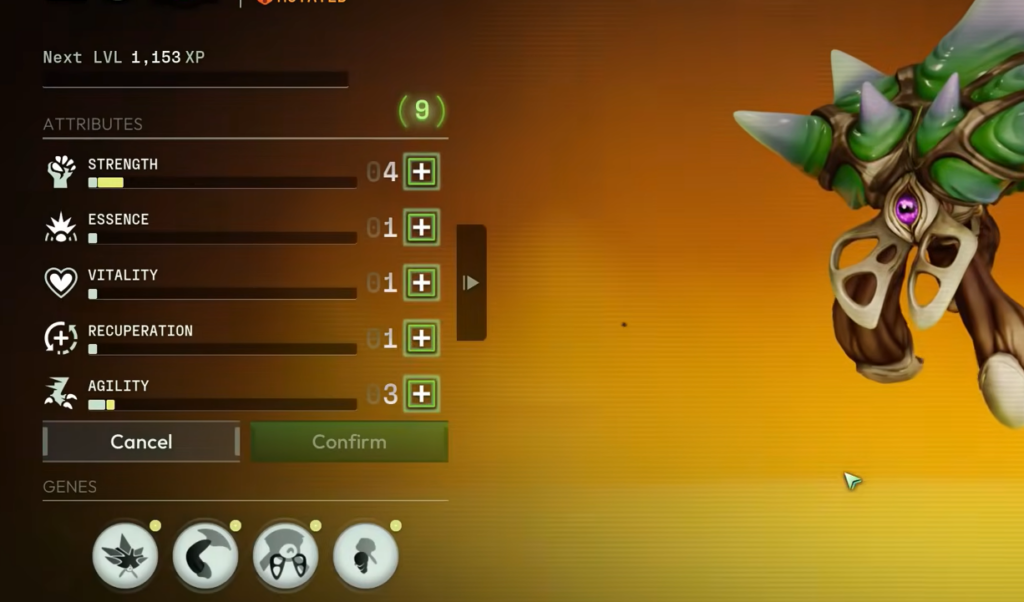
Attribute investment shapes how hard your status effects hit. The most direct interaction raises the status effect damage cap, letting Burn and Poison push past the limit they would otherwise meet against high-health targets.
Essence adds another layer. It increases all damage dealt to enemies that are weak to your element, and because Mutated Perks scale with that bonus, their damage rises with Essence as well. Strength feeds the wider damage system too, since it applies to ranged and melee abilities along with neutral and elemental damage. Elemental damage bonus is additive specifically when you strike a target weak to your element, so element matchups stack on top of your base output.
Why your Burn or Poison damage keeps changing
If your status ticks look inconsistent, the percentage model is almost always the cause. The same Burn applied to two different enemies produces different numbers because each tick is measured against that enemy’s health pool. This is expected behavior, not a bug.
Two factors most often explain a tick that seems lower than you wanted. Either you are striking the status effect damage cap on a tough target, which flattens each tick to its limit, or you are facing an enemy with a small enough health pool that a percentage of it simply is not much. Lifting the cap through attributes addresses the first case, while the multiplier helps in both.
For late-game encounters, this is the key takeaway. Elemental status effects scale with the enemy, so they reward you for building into the cap and the multiplier rather than treating them like fixed-damage tools. Pair that with Essence and matching elemental weaknesses, and Burn and Poison become reliable pressure against the bosses they were tuned around.