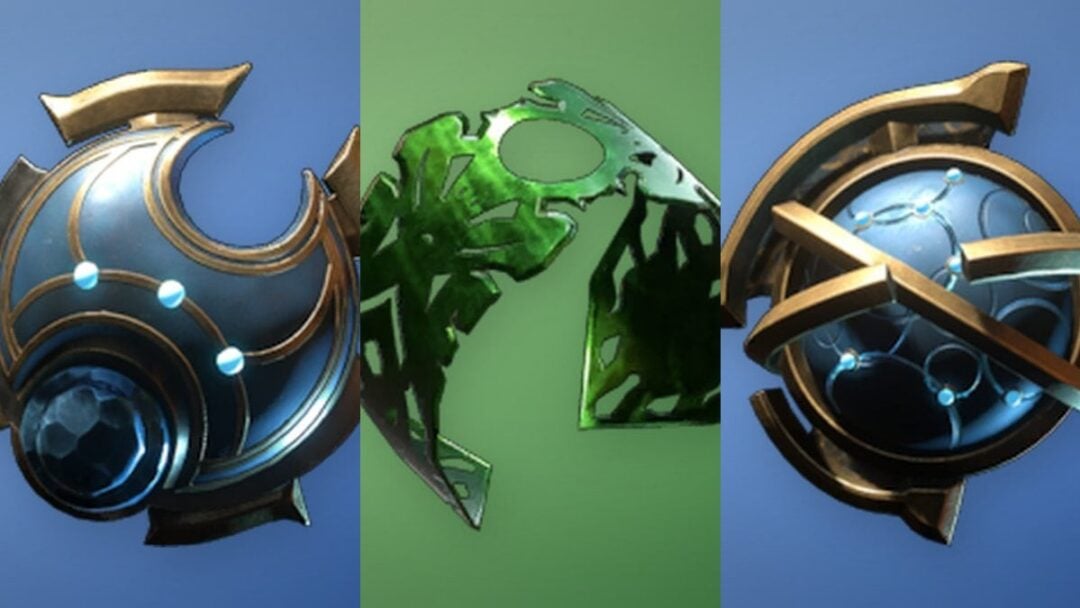
Divinecraft is the weapon-coating system in Where Winds Meet. It layers a temporary elemental effect on top of whatever weapon you are holding, adding extra damage and a status condition for the duration of the buff. You get a stripped-down version of it early in the campaign, but the full system — the one with upgrade trees and element-specific bonuses — arrives much later.
Quick answer: Choose one element under Develop → Gear → Divinecraft, brew its consumable (Fire Oil, Aqua Wax, or Toxic Powder) in the Brew Medicine menu using Lv. 3 refining materials, then slot it under Develop → Quick Use → Divinecraft.
Fire, Water, and Poison Divinecraft effects
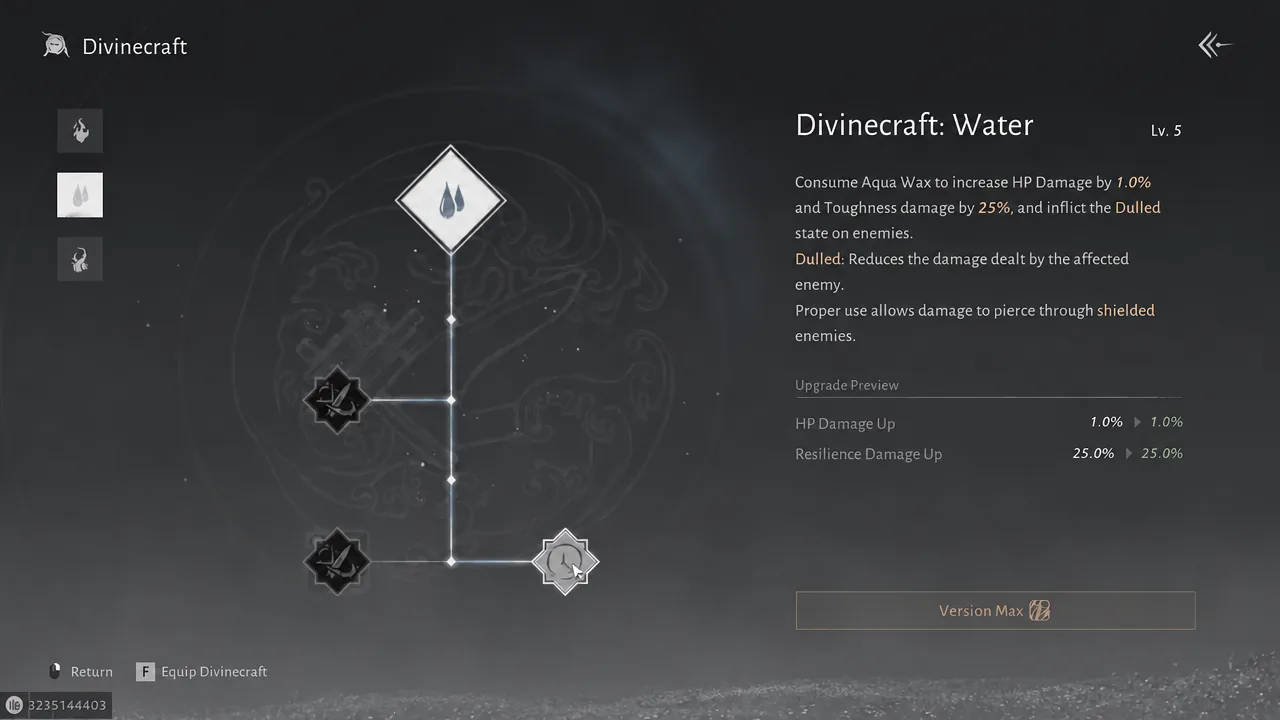
There are three elements, and each one changes how your hits land rather than how they look. Fire is the pure damage option. Water is built around breaking enemy defenses and reducing incoming damage. Poison is the answer to enemies you cannot stagger normally.
| Element | Combat effects | Best used for |
|---|---|---|
| Fire | +1.5% HP damage, applies Burn | Raw damage output |
| Water | +1.0% HP damage, +25% Toughness damage, applies Dulled (reduces enemy damage), chance to pierce shields | Solo play and leveling content |
| Poison | +1.0% HP damage, +5% Qi damage, applies Poison, breaks through Iron Body units’ Qi lock | PvP and armored targets |
Fire deals close to double the bonus HP damage of the other two, which is the trade for having fewer secondary effects. Divinecraft consumables are also not rationed the way healing items are, so you can use them as often as you have stock.
Divinecraft unlock requirements and menu path
The elemental coatings themselves unlock early, in a fixed order: Fire first, then Water, then Poison. At that stage you are only picking them up from the world — fire sources, certain flowers, and mushrooms all refill them.
The full upgrade system opens at character level 56, which requires reaching Solo Mode level seven first. Once you complete that Breakthrough, the system introduces itself the next time you open the Gear screen. The upgrade materials also do not begin appearing in the world until the system is unlocked, so there is no point farming for them early.


Brewing Fire Oil, Aqua Wax, and Toxic Powder
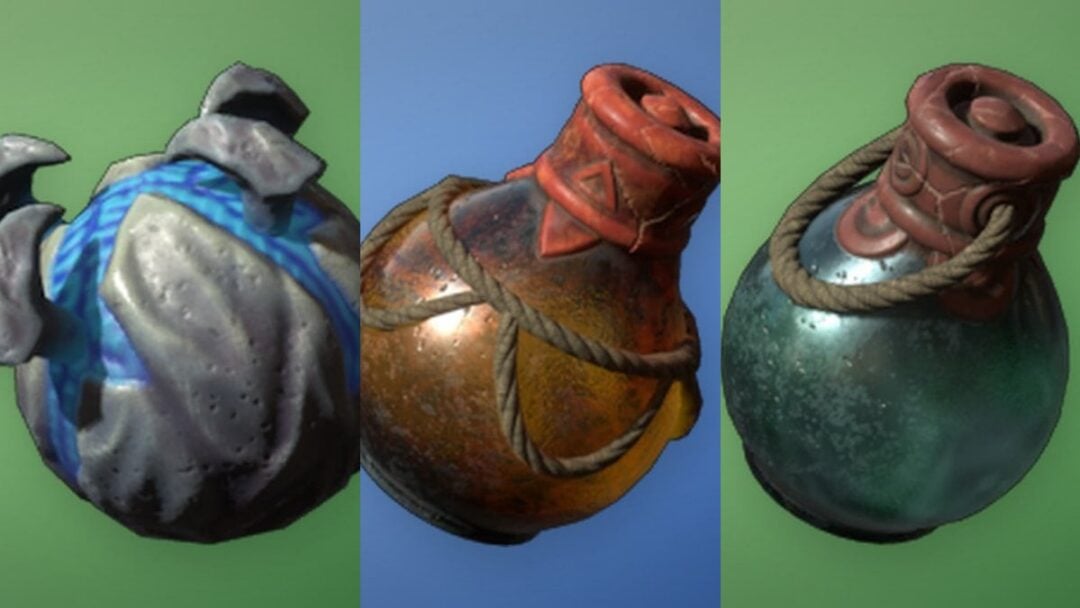
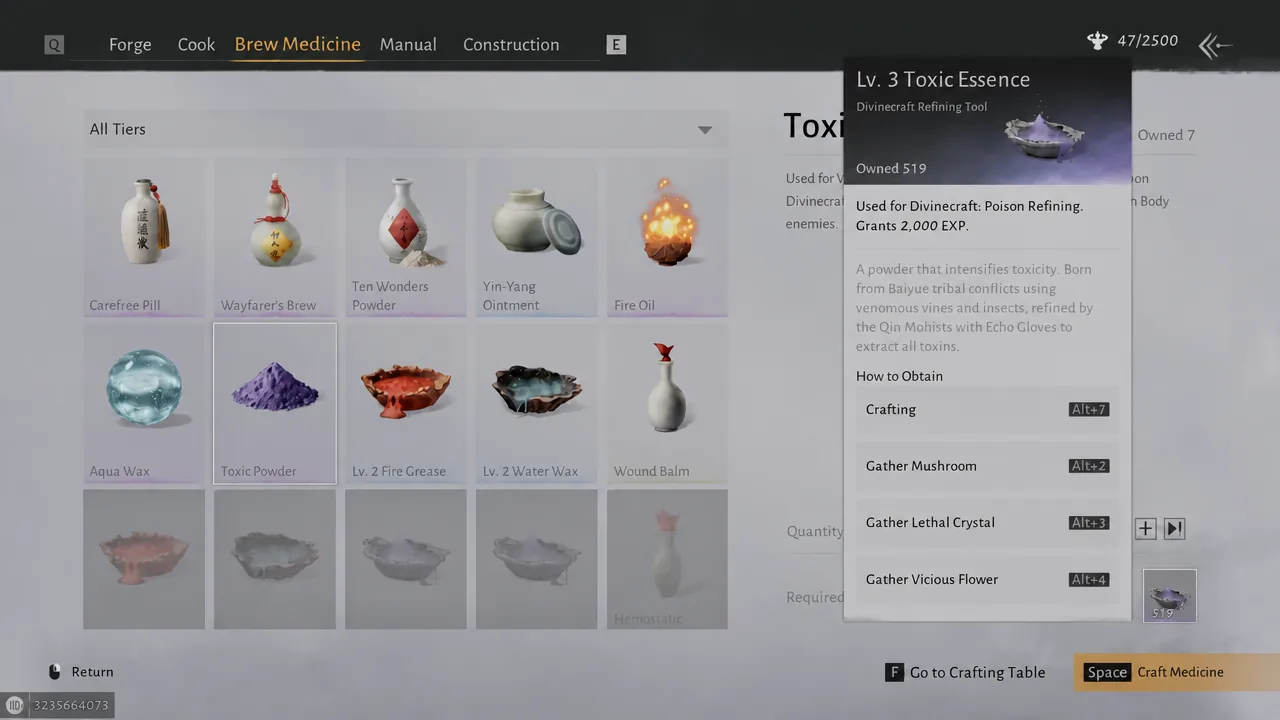
Using a Divinecraft in combat burns a matching consumable. Each element has exactly one, and each is brewed from Lv. 3 refining material of the same type.
| Element | Consumable | Refining material |
|---|---|---|
| Fire | Fire Oil | Lv. 3 Fire Grease |
| Water | Aqua Wax | Lv. 3 Water Wax |
| Poison | Toxic Powder | Lv. 3 Toxic Essence |
If you are short on stock, remember that the base coatings still replenish from the environment. Braziers and other fire sources, flowers such as Peony, and mushrooms all top you up without any crafting.
Leveling Divinecraft with Fire Grease, Water Wax, and Toxic Essence
Divinecraft levels are driven by EXP, not by handing over a fixed number of items. You deposit refining materials into the tree and the total carries over, so partial progress is never wasted.
| Material tier | EXP granted | Needed for level 2 |
|---|---|---|
| Level 1 | 500 | 10,000 EXP total, in any combination |
| Level 3 | 2,000 |
Materials drop at a random tier, and you can refine them upward in sequence — Lv. 1 to Lv. 2, then Lv. 2 to Lv. 3. That matters because the consumable recipes only accept Lv. 3 material, so anything lower has to be promoted before it can be brewed with.
Each element’s tree also has bonus nodes that work differently from the EXP bar. Those require you to submit the specific materials listed, and they are gated behind level thresholds — the first at level 3, the second at level 5. The recipes for them appear in the Manual menu, under entries such as Divinecraft – Warmth Fire and Divinecraft – Nourishing Water.
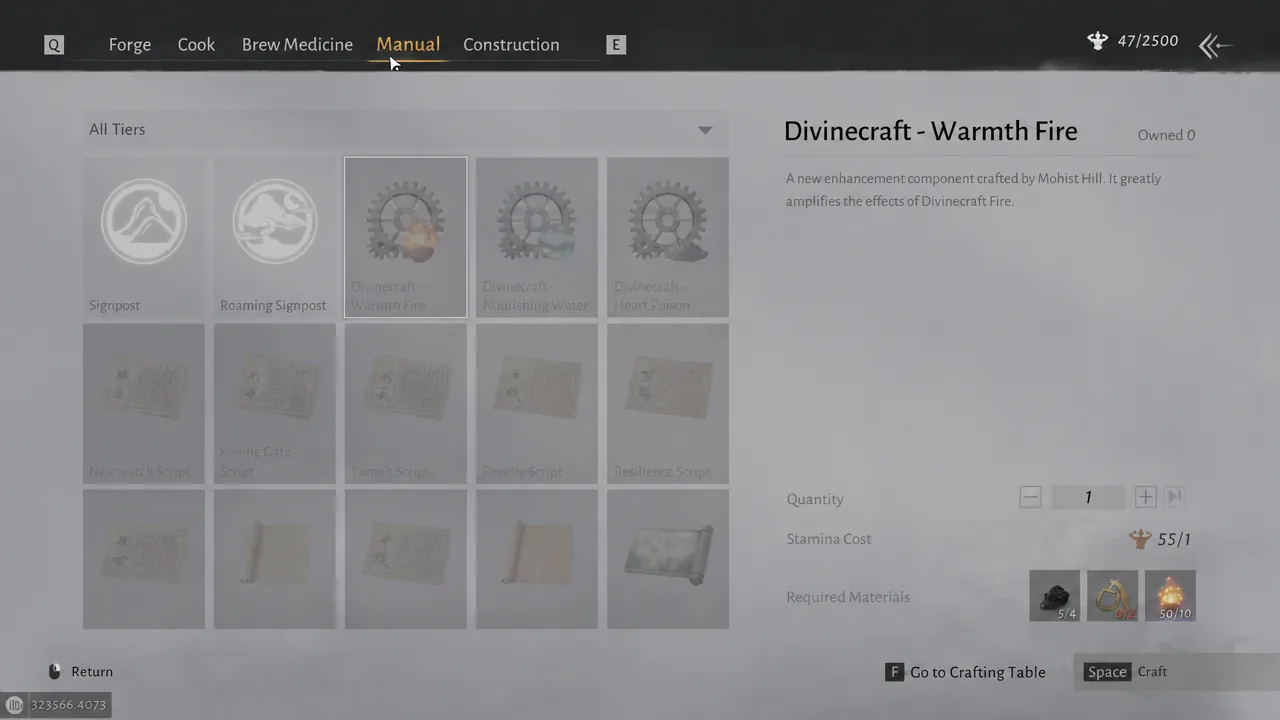
The bonuses differ per element. Fire adds an explosion on consecutive attacks. Water raises your own Interruption resistance for extra hyper armour. Poison makes executions deal damage a second time while the effect is active. All three trees also extend the effect duration by 10 seconds.
At the very end of the tree you choose between two closing options: an additional 10 seconds of duration, or a 10% chance to receive two extra items when gathering. The first is a combat pick, the second is a farming pick.
Equipping Divinecraft and tracking raw materials
Note: the upgraded bonuses only apply to whichever element is currently selected in the Gear menu. If you brew and equip Aqua Wax but left Fire selected in the Divinecraft panel, you will get Water’s base effects without any of the tree bonuses you paid for.
Because progress in each tree is separate and materials drop at random tiers, spreading investment across all three elements slows everything down. Committing to one — Poison if you spend time in PvP, Water for solo content and leveling, Fire if you simply want the highest bonus damage — gets you to the level 3 and level 5 bonus nodes far sooner.