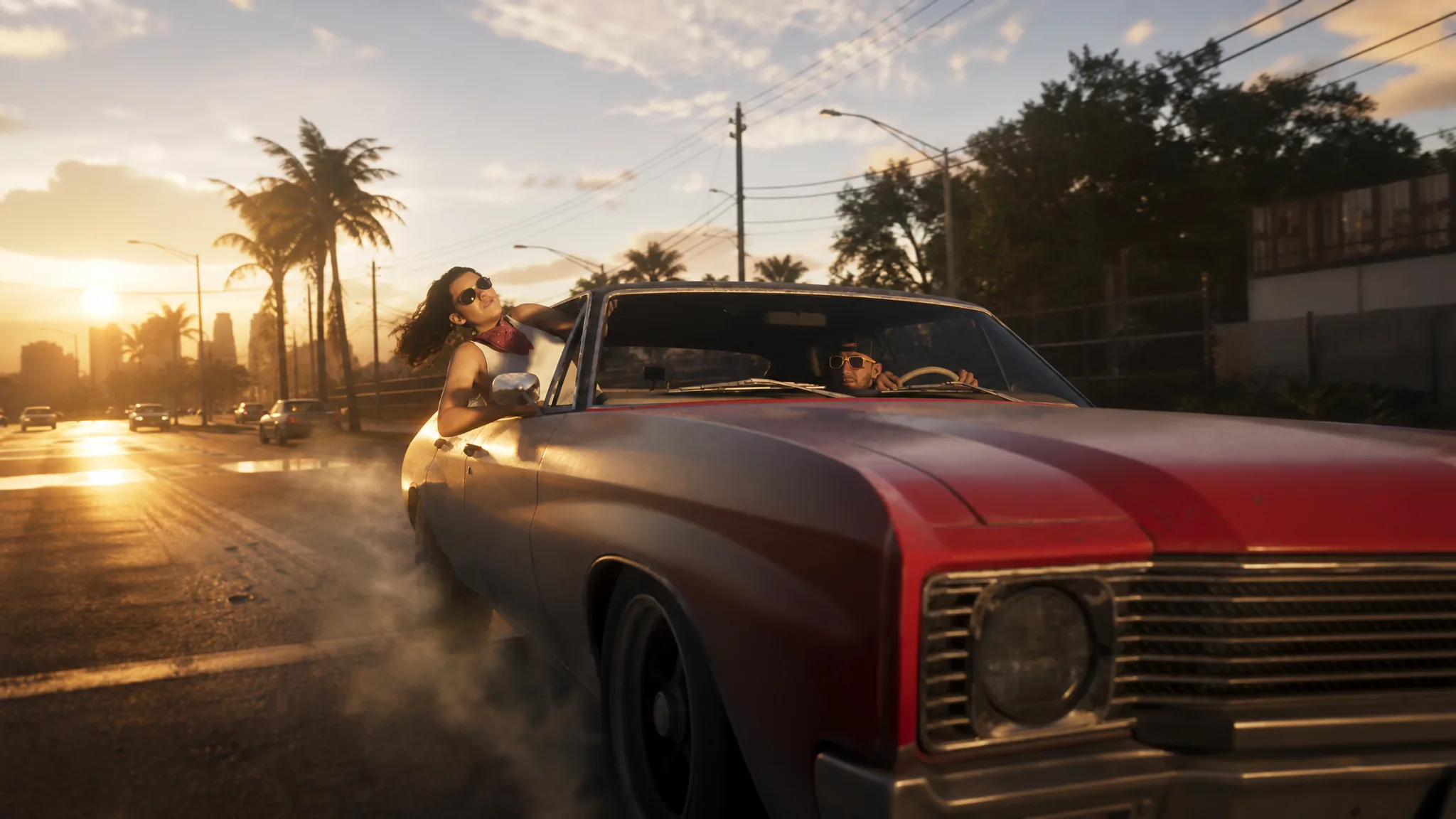
Two of the systems that define Grand Theft Auto, stealing a car and driving it, work differently in Grand Theft Auto 6. Rockstar has rebuilt both to be tougher and more deliberate, part of a wider move toward realism that touches the road layout, vehicle security, and how you escape the police. The old habit of pressing one button to hotwire anything and speed off is gone.
Quick answer: You can carjack any driver you see at any point, but many parked cars stay locked until you progress the story and gain the right tools. Driving is harder because streets are narrower and traffic is denser, and high-end cars carry GPS trackers you must outrun or ditch.
Why driving is more challenging in GTA 6
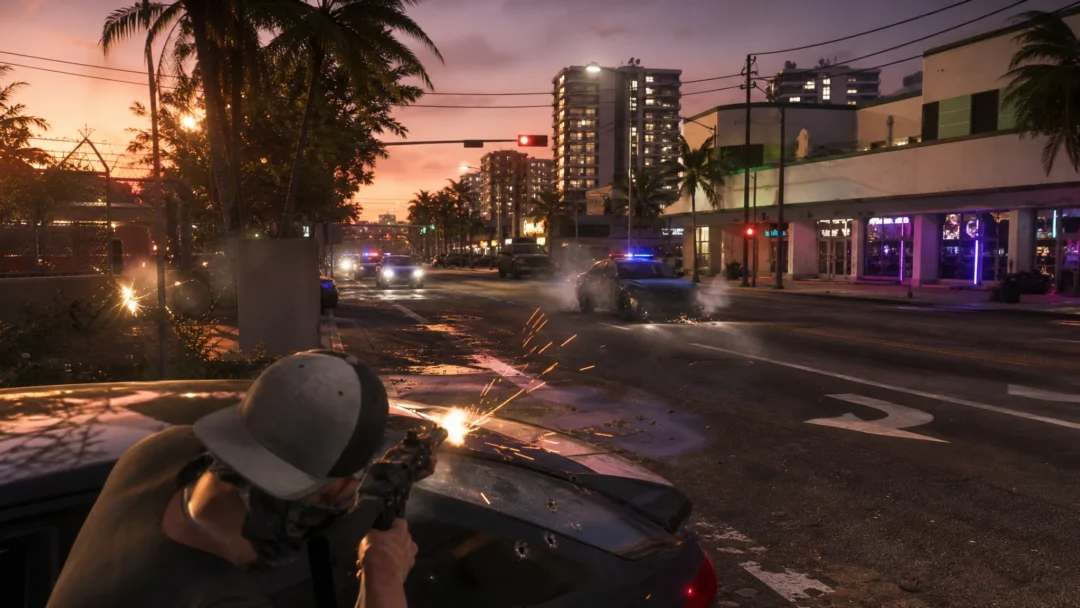
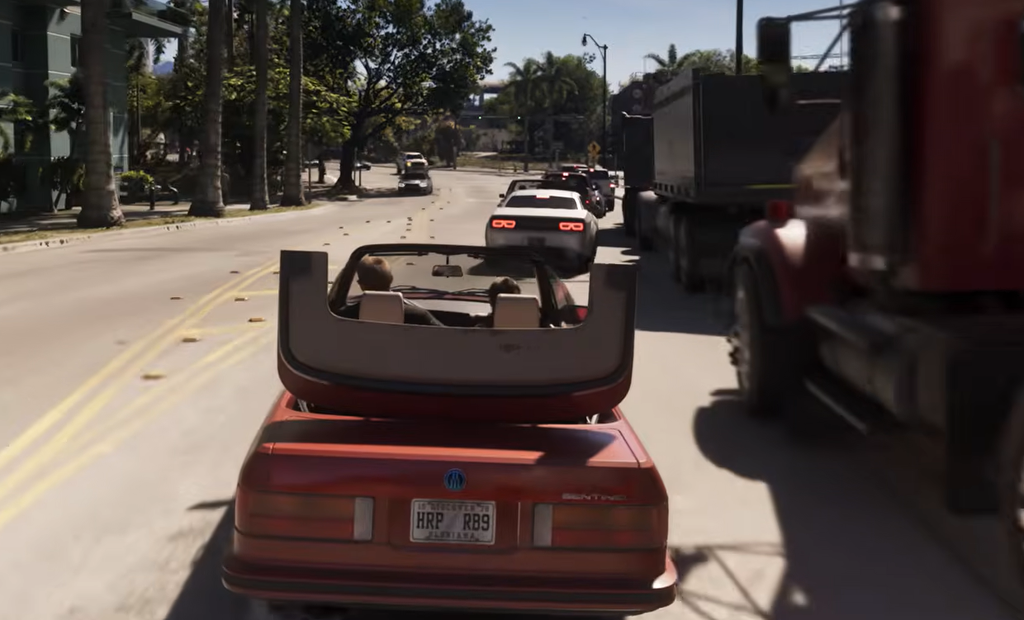
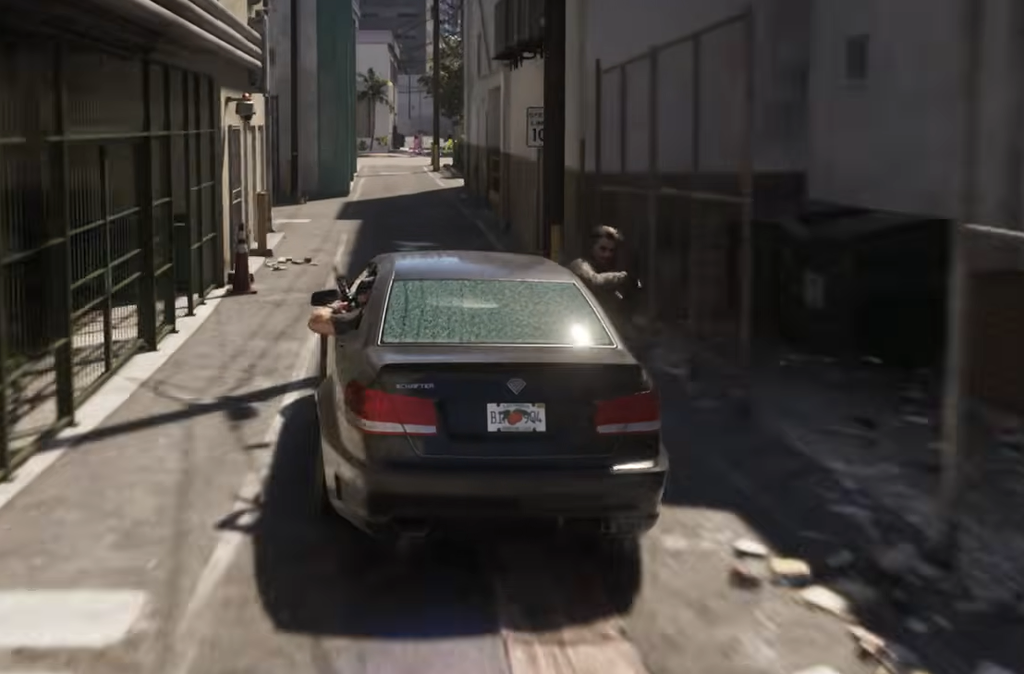
The core change to driving comes from the world itself, not just the vehicle physics. Rockstar North co-studio head Rob Nelson has described the streets in Vice City and the wider state of Leonida as narrower and closer to real-world scale. Combine that with heavier, denser traffic and you get roads that ask for actual attention behind the wheel.
The streets in this game are narrower and more realistic in terms of scale. Which, in addition to all the density of the traffic on the roads, makes driving slightly more challenging and requires a bit of skill.
The practical result is that high-speed getaways are no longer a guaranteed escape route in busy urban areas. Threading a fast car through packed alleys and tight corners can cost you more time than it saves, which feeds directly into how you deal with the police.
How stealing cars works now: carjacking vs. locked vehicles
Rockstar has added what Nelson calls layers of stratification to vehicles. Instead of every car being instantly stealable, the game separates what you can take right away from what stays out of reach until later. There are two clear paths.
You can always carjack any driver you see. That old-school approach, pulling someone out of a moving or occupied car, remains available from the start of the game. What changes is parked cars. Certain vehicles sitting on the street or in a lot are inaccessible early on and only open up once you progress through the story and pick up the right tools to break into them.
Nelson’s reasoning is that a single hotwire button left too much gameplay on the table. Gating some vehicles behind progression is meant to give every car more meaning and force you to think about which one you actually go after.
The Waink scanner app and the tools you need
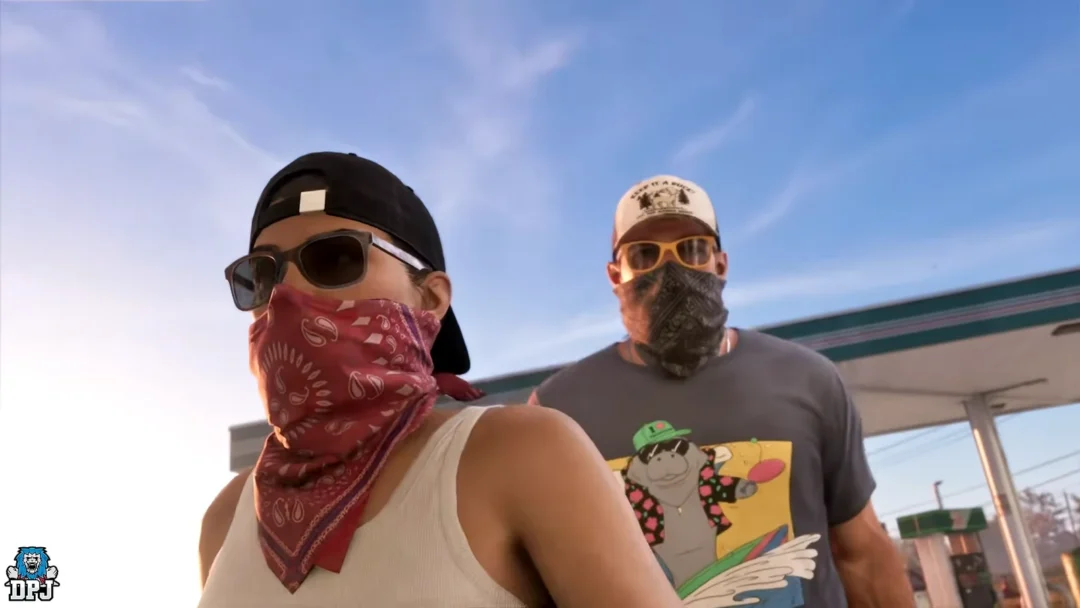
Jason and Lucia carry a scanner app on their in-game phones called Waink. Point it at a car and it tells you what you are dealing with before you commit to the theft. That includes whether the car is locked, whether it has an alarm, and whether it carries a tracker.
Waink also handles the money side. It shows how much a car is worth if you take it to a Pay n’ Spray or a specialty car fence, and how much it would cost to register the vehicle for yourself. On top of that, it tells you which tool a specific car requires, turning a formerly binary action into a small decision each time.
| What Waink reveals | What it means for you |
|---|---|
| Locked / unlocked status | Tells you whether you need a break-in tool at all |
| Alarm | Signals a car that can draw attention when taken |
| Tracker (GPS) | Warns of an advanced system that alerts police |
| Resale value | How much a fence or Pay n’ Spray will pay |
| Registration cost | What it costs to keep the car for yourself |
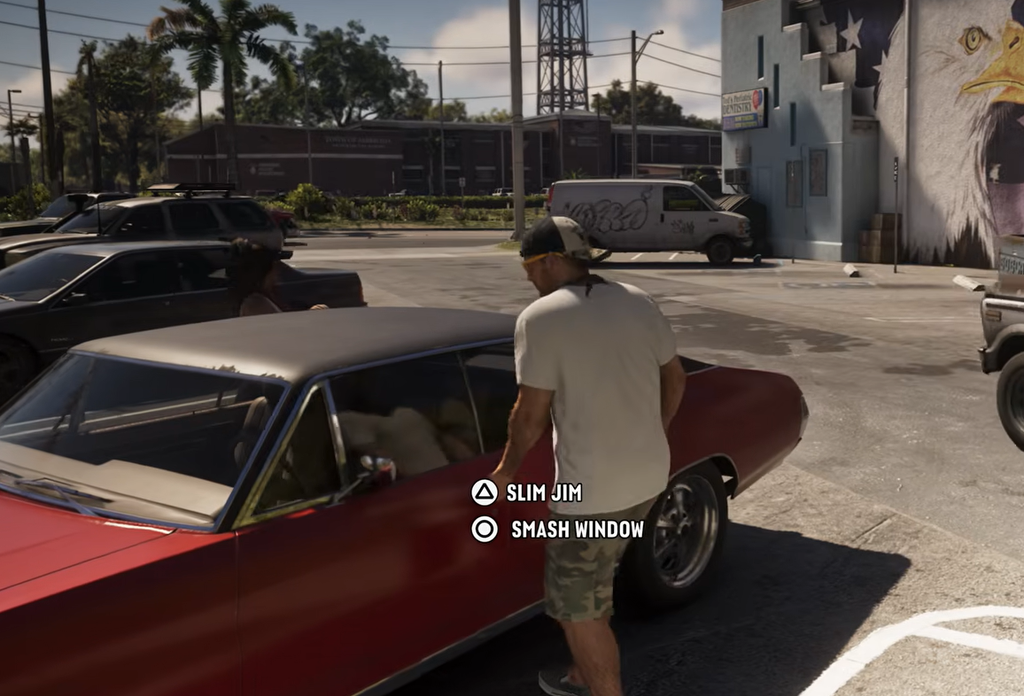
| Required tool | Whether it needs a key cloner, a Slim Jim, or similar |
The tools themselves are tied to the car. As Nelson put it, one car might just need a Slim Jim, while another needs a key cloner. These little mechanics are what replace the single-button hotwire of past games.
GPS trackers and escaping the police
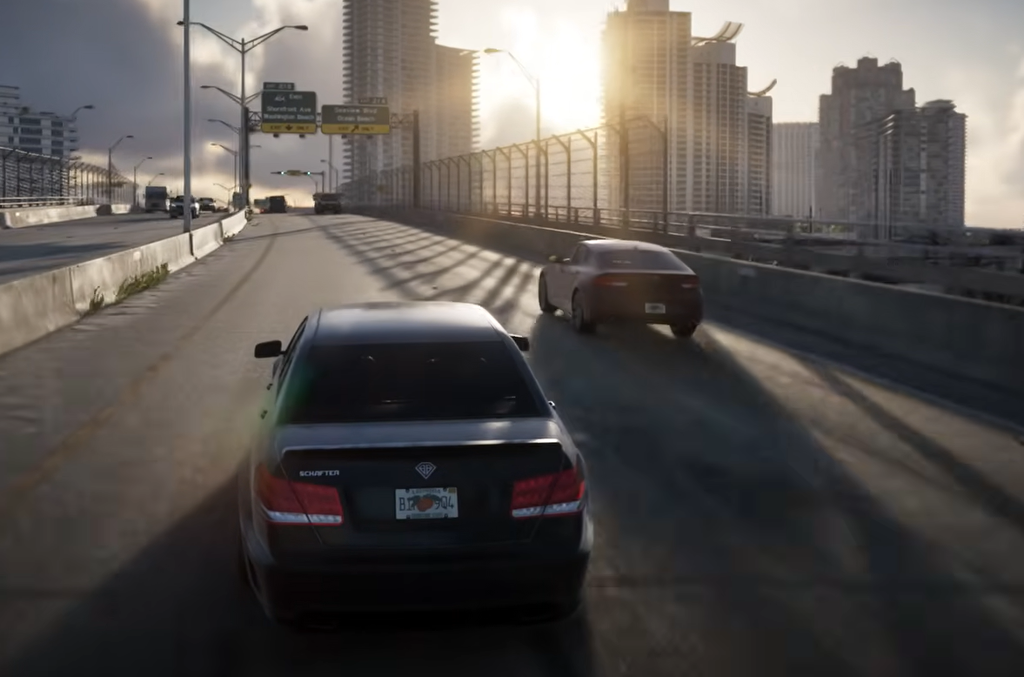
High-end cars come with an advanced GPS tracking system that kicks in when you try to steal them. Once it is active, the tracker feeds your location to the police, so a slow or predictable getaway leaves you exposed. To break the lock, you generally need to drive fast enough to outrun the tracker’s location updates.
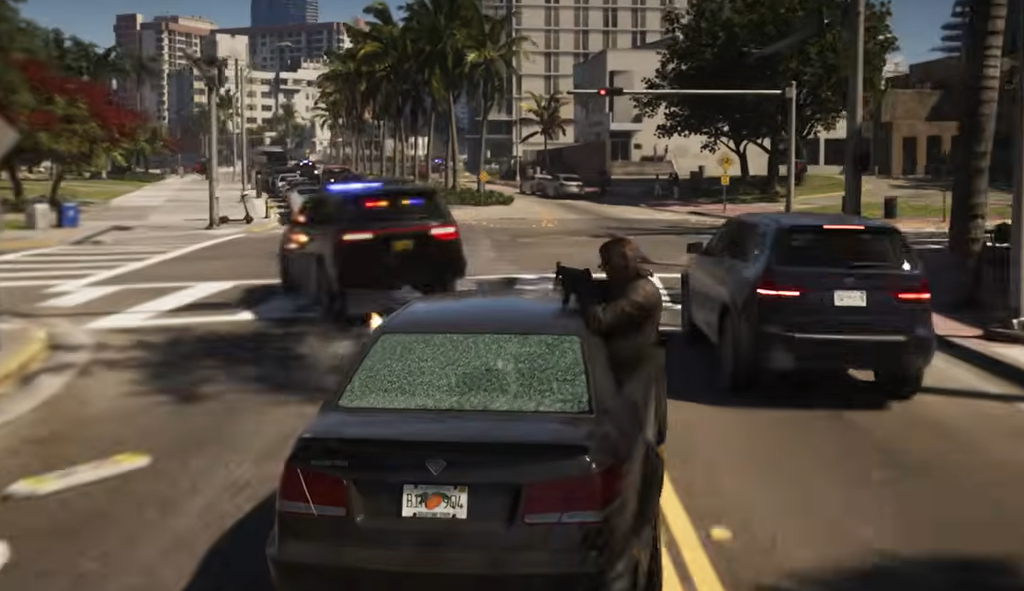
A fast car is not always the answer, though. In the denser, more built-up parts of Leonida, the traffic that makes driving harder also makes vehicle escapes harder. Sometimes leaving the car and running on foot is the smarter play.
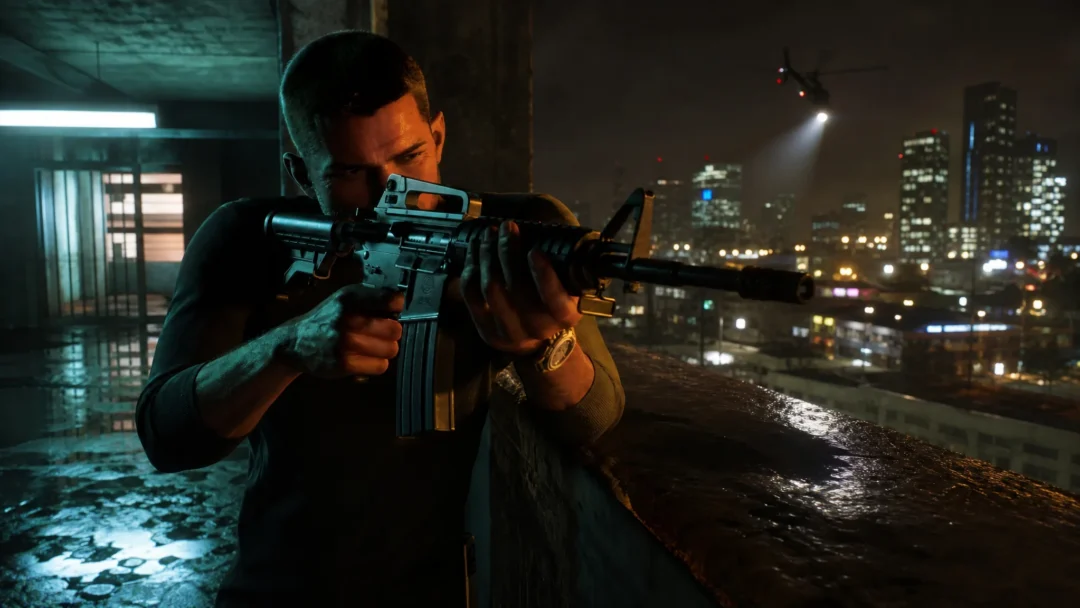
If you get three stars in the city, it can sometimes be challenging to get away in a vehicle, unless it’s a very fast vehicle or a sports bike. Your best option is usually to do this — get off the streets and get on foot into the alleys.
Rockstar has built the traversal around this idea. Getting out of a car, jumping, and climbing fences is meant to feel smooth enough that fleeing into back alleys becomes a real tactic rather than a last resort. Very fast vehicles and sports bikes are the main exceptions that can still shake pursuit on the road.
How this connects to the wider realism systems
The changes to driving and car theft do not sit on their own. They plug into a revamped Wanted system and a new Criminal Profile that tracks your behavior and shapes how people react to you. Escaping the police can now involve changing your outfit, hairstyle, or vehicle, and you can split up from your partner when running from the cops, which ties into the game’s relationship mechanics.
Taken together, this is a clear shift toward the kind of grounded, systems-heavy design associated with Red Dead Redemption 2. Nelson has framed the goal as innovating on what came before while keeping it familiar, adding that despite the new systems, it is still very much Grand Theft Auto. For players used to picking up any car and speeding off without a second thought, the practical takeaway is simple: pay attention to what you are stealing, check it first, and have an escape plan that does not always depend on the fastest car on the street.