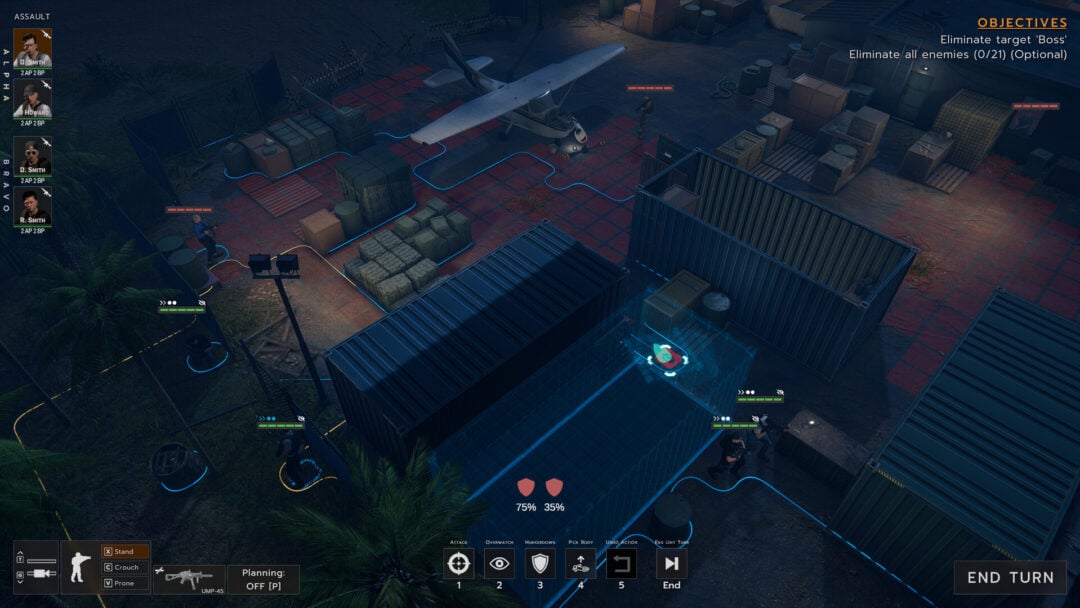
Forgotten Stories is a hardcore, tile-based exploration RPG on Roblox built around permadeath and turn-based combat. You move your party across a map made of tiles, fight monsters, gather resources, and carry limited progress into future runs through Books. Two mechanics decide how far a run goes: casting spells with rune patterns, and writing Books that lower requirements or grant spells in later attempts.
Quick answer: Spells are unlocked by writing a Book, then cast by entering the rune pattern shown in your Bookshelf. Books are written and signed in the Lobby using Ink, and a signed Book usually appears immediately in a new run or lowers a requirement by 3.
How permadeath and runs work
The game is a permadeath turn-based RPG. You select tiles to move across the map, enter battles, collect resources, and carry chosen long-term progress through Books. Frequent failure is expected while the game remains a heavy work in progress. Console players can currently play only with mouse and keyboard.
At zero HP, a character may be downed with Deep Wounds or die outright. Leaving a run still awards shards whether the character survives or dies, so exiting is never a total loss. There is no general respec in the current run, which makes stat allocation permanent within that attempt.
How to cast spells with rune patterns
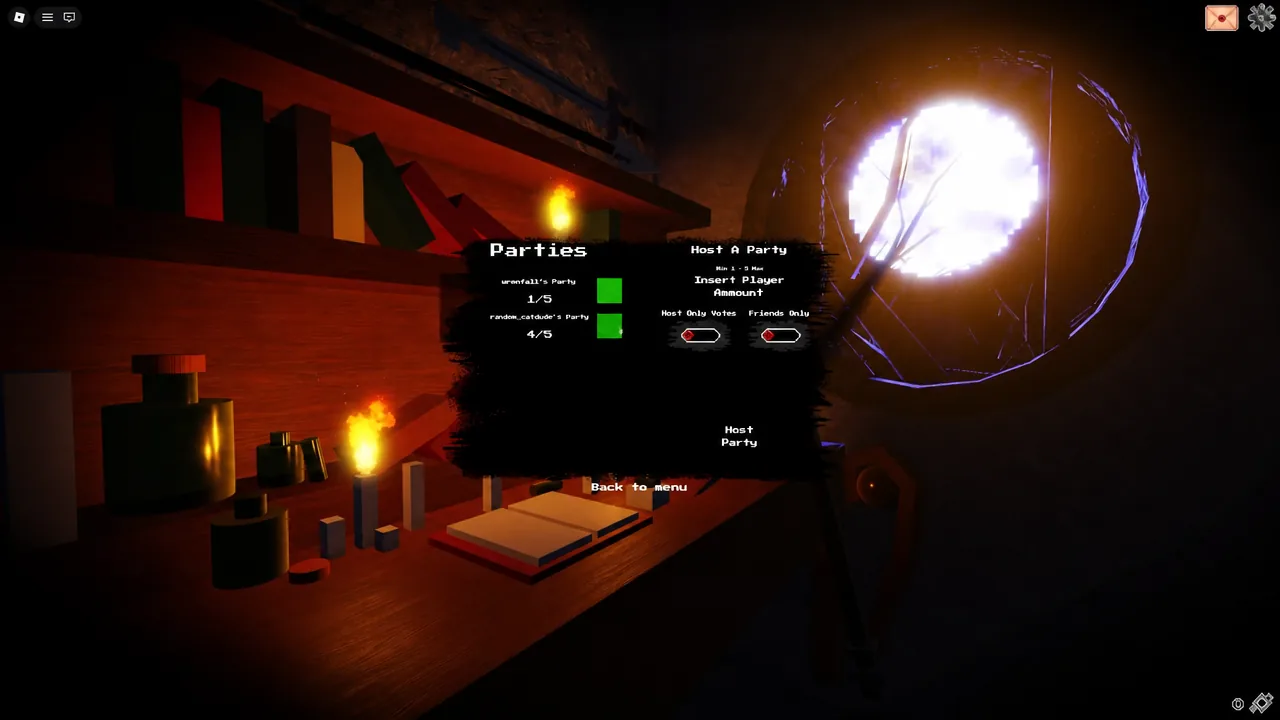
Spells are unlocked through Books and cast by entering published rune combinations. Knowing a rune pattern is not enough on its own; the spell must first be unlocked and written into the run. Once unlocked, you enter the same rune combination shown in the Bookshelf to cast it during combat.
Note: A disabled left hand prevents spell casting. Two-handed weapons and Claw are listed examples of setups that block casting.
Example spell effects
| Spell | Type | Effect |
|---|---|---|
| Mend | Healing · Order (Starter Spell) | Heals a single party member and reduces Bleed by 2. Healing = (2.5 + Order affinity/2 + extra runes) × outgoing healing (+50% on critical cast). |
| Cleansing Waters | Healing · Order | Heals one party member, reduces most debuffs by 3 stacks, applies Regeneration +3. Critical cast raises debuff reduction to 5 and removes Infection, Deep Wound, and Venomed. |
| Bloodwire | Order · Void | Deals Void and Slash damage and applies Bloodwired +3. Critical cast applies an extra Bloodwired stack. |
| Skystruck | Chaos · Earth | Deals Chaos damage to all enemies afflicted with Chaostatic. Critical cast applies Dazed +2 to enemies hit. |
How to write and sign Books
Books connect one run to later attempts. A signed Book usually appears immediately in a new run or lowers a requirement by 3, though exceptions exist. Books are written and signed in the Lobby, and the resource used is Ink. Each Book card publishes its own Ink Shard writing cost and Ink signing cost.
Example Book requirements and costs
| Book | Cost | Unwritten / Written requirement | Grants |
|---|---|---|---|
| Hailreign Chronicles (Water · Wind) | 200 Ink Shards to write, 100 Ink to sign | 15 Wind + 10 Water → 12 Wind + 7 Water | Blizzard and Icicle spells; +5% Wind and Water damage |
| Living Garden (Order · Healing · Water · Wind · Earth) | 200 Ink Shards to write, 100 Ink to sign | 10 Earth/Order + 5 Water/Wind and defeat an Aggrovant → 7 Earth/Order + 4 Water/Wind | Bloom and Fragrance spells; +10% outgoing healing, -20% incoming healing |
| Boiling Blood (Water · Fire · Void) | 200 Ink Shards to write, 100 Ink to sign | 10 Water/Void/Fire → 7 Water/Void/Fire | Veinmelt spell; +5% Fire and Void damage, healing penalties |
| Vampire (Other · Void) | 150 Ink Shards to write, 75 Ink to sign | 10 Void and lifesteal 20 health → 7 Void | Bloodthirst stacks on weapon hits; 2% Lifesteal |
These values live on work-in-progress cards and can change after a patch, so confirm a Book’s current cost and effect before spending Ink on it.
Combat controls, blocking, and QTEs
Combat is turn-based. On your turn you can cast a spell, perform a physical attack such as Slash that requires precise timing, or defend. Pay attention to the quick-time events, since attacks and defenses depend on hitting the input at the right moment. Training Wheels are on by default and show the expected response, and the Lobby Offset setting changes reaction timing when your inputs feel consistently early or late.
| Key | Action |
|---|---|
| A | Dodge left |
| S | Dodge down |
| D | Dodge right |
| Space | Jump |
| F | Block or parry |
Not every attack can be dodged or parried. Pure debuff skills may not allow either. Blocking a multi-stack debuff can reduce the stack by one, which softens a hit you cannot fully avoid.
Stat caps you cannot undo
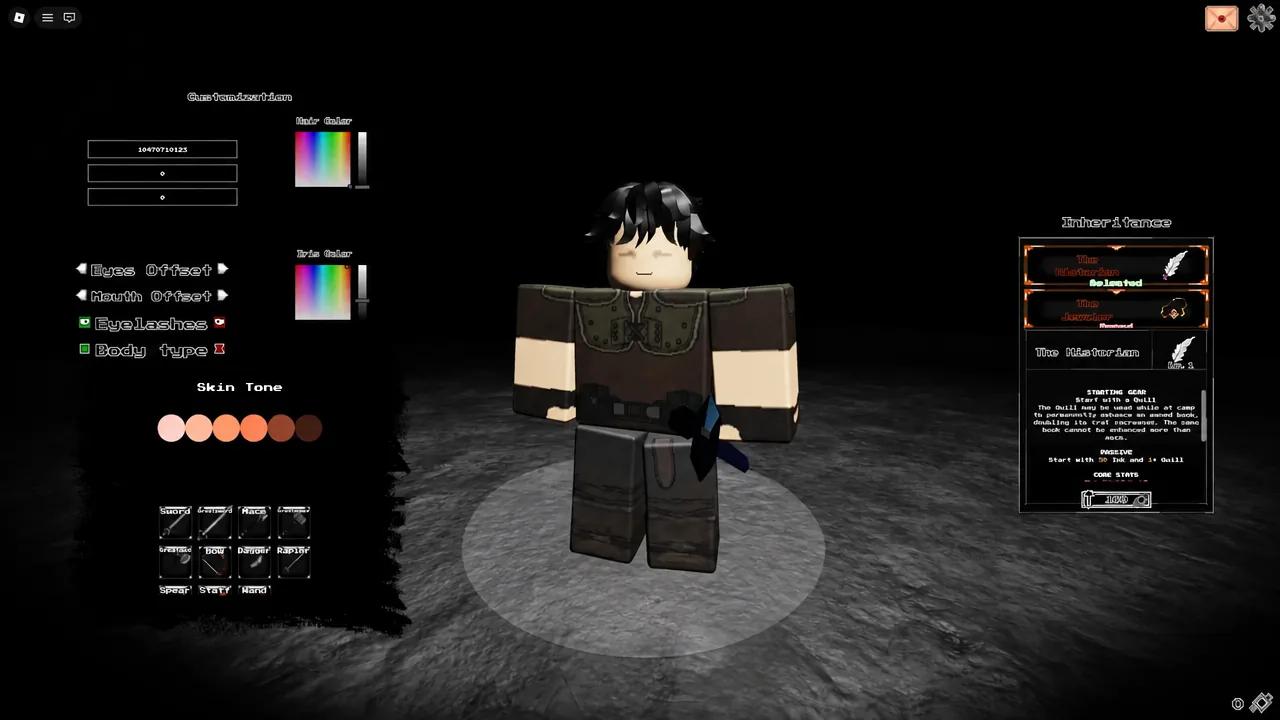
The Autobiography menu is where you allocate stat points into physical skills or elemental spells, covering Chaos, Wind, Fire, Water, Earth, and Order. Because the current run has no general respec, plan allocations before spending the final points. Stat Lock exists to prevent accidental gains.
| Stat group | Cap |
|---|---|
| Weapon Affinity + Element Affinity (shared) | 35 points total |
| Physique | 20 (individual) |
| Runesight | 20 (individual) |
| Physique + Runesight (shared) | 30 points total |
As a reference point, splitting Physique 10 and Runesight 10 leaves 10 points free within the 30-point group and adds 10 max health, 2 max mana, and 1 max rune slot from the published thresholds.
First-run priorities for Ink and spells
To build toward spells and Books, your early goal is generating Money and Ink while staying alive. Accept an early combat quest, keep a healing option ready before moving to a new tile, and gather resources as you go.
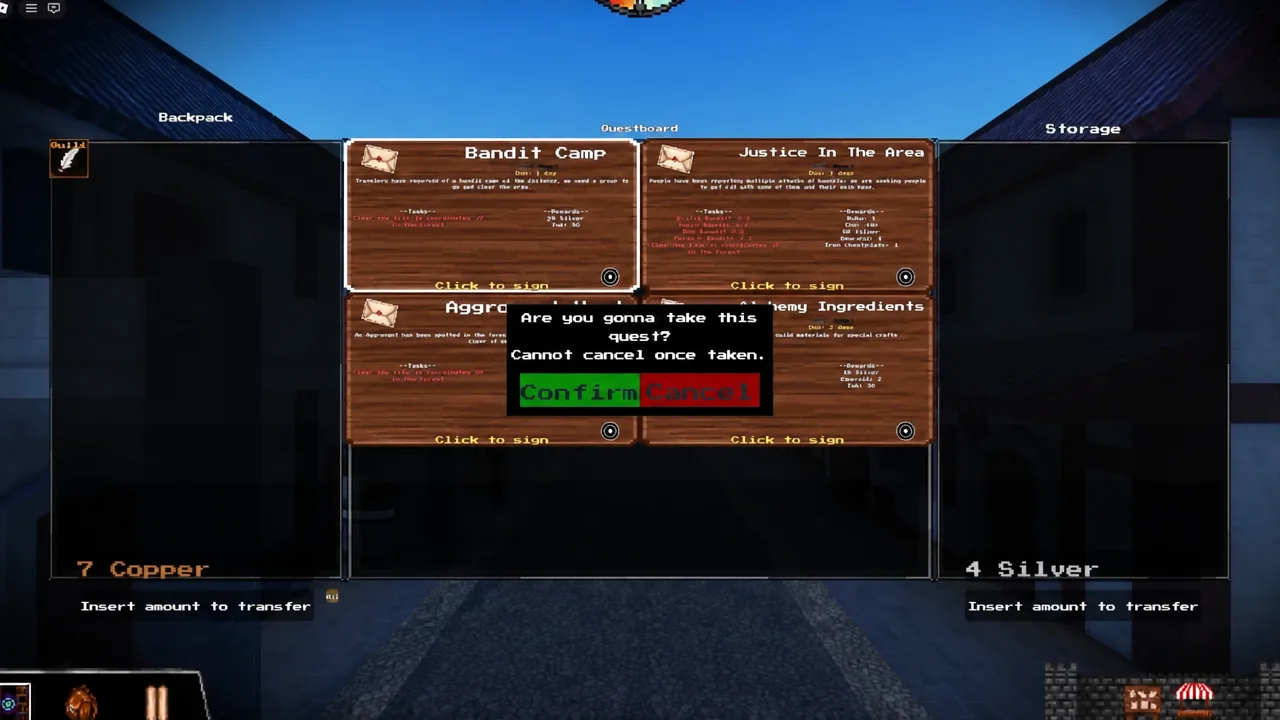
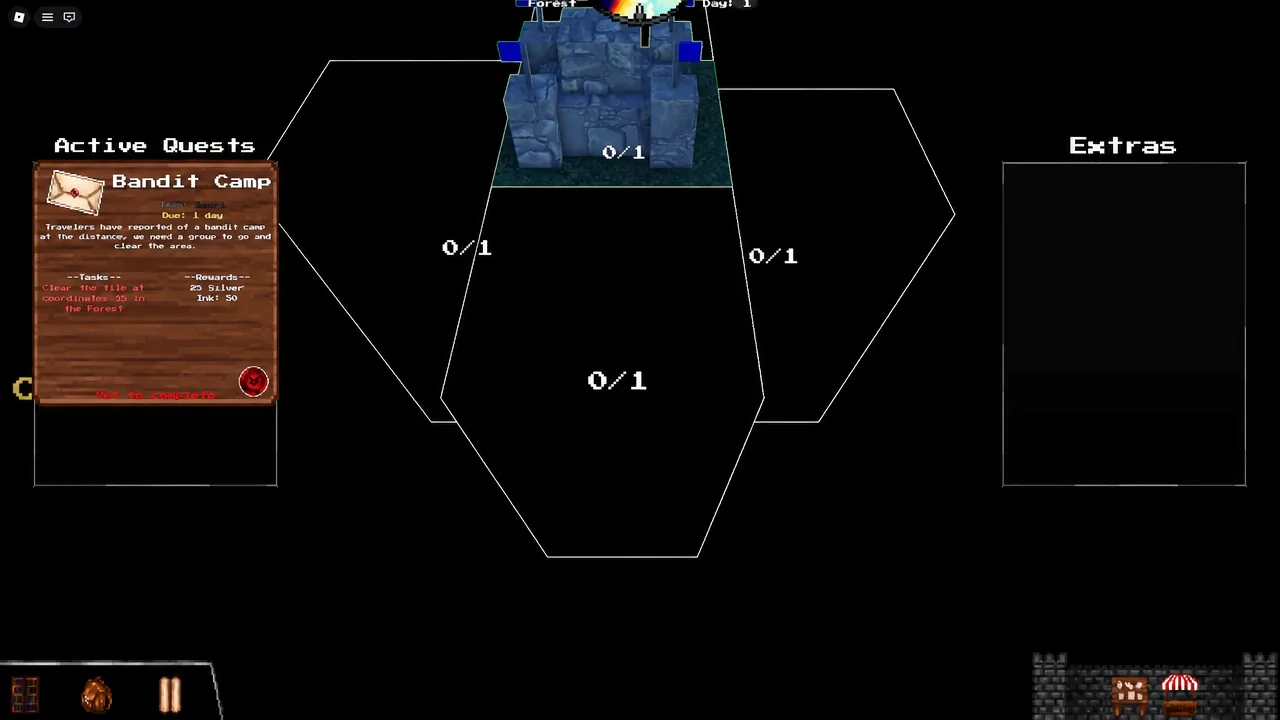
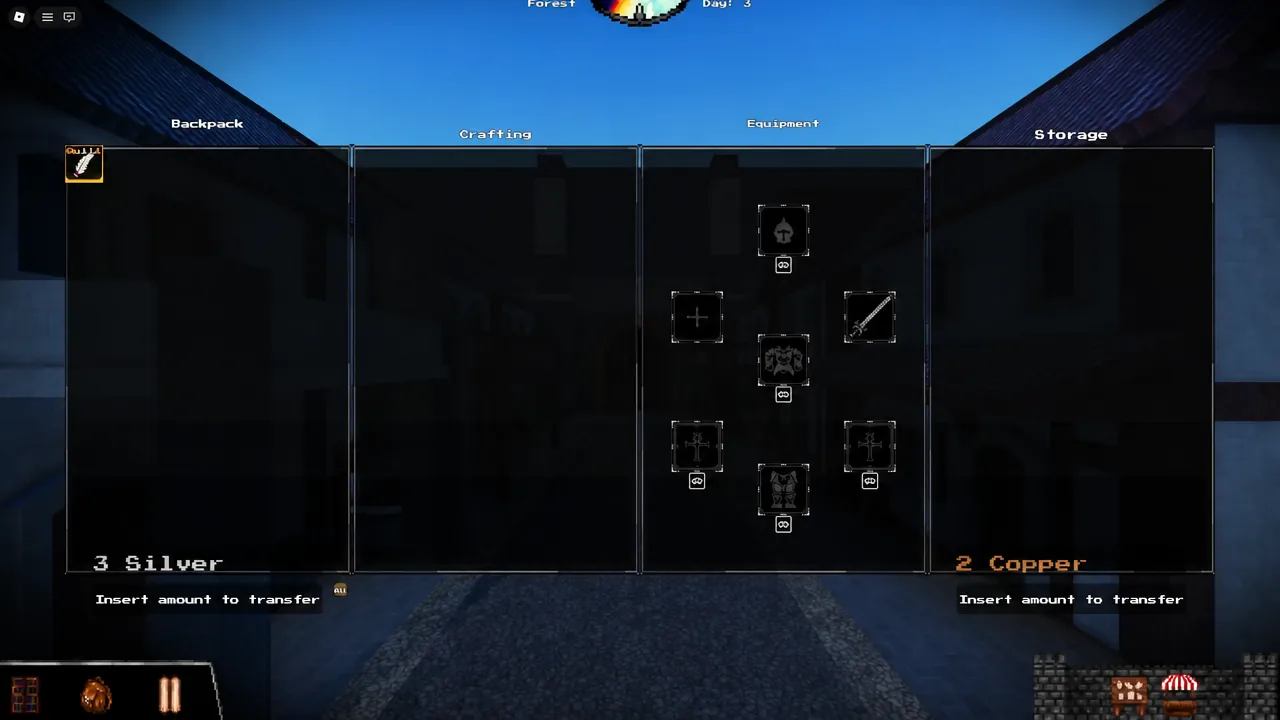
Exploring map tiles can trigger random events, yield ingredients such as Zarzaberries, and unlock Books. Currency also matters early: 1 Silver converts into 100 Copper, and the town Market sells items like Antidotes, Bandages, and Coral Mush.
Handling downed states and death
When a character hits zero HP, the outcome is either a downed state with Deep Wounds or death. Specific cures treat specific conditions, so keep the right item on hand before a fight goes wrong.
| Condition | Treatment |
|---|---|
| Deep Wounds | Sterilized Bandage |
| Infection | Purging Vial; Cleansing Waters removes it only on a critical cast |
| Venomed | Antidote |
Leaving a run still grants shards whether the character is alive or dead, so exiting after a bad tile still preserves some reward. There are no confirmed official redeem codes at this time.
Because the game is in early development, spell cards, Book costs, and item values can move between patches. Confirm the current rune pattern and Book requirement before committing Ink or stat points, and treat the affinity thresholds above as your planning baseline rather than fixed numbers. You can jump straight into a run from the Forgotten Stories Roblox page.