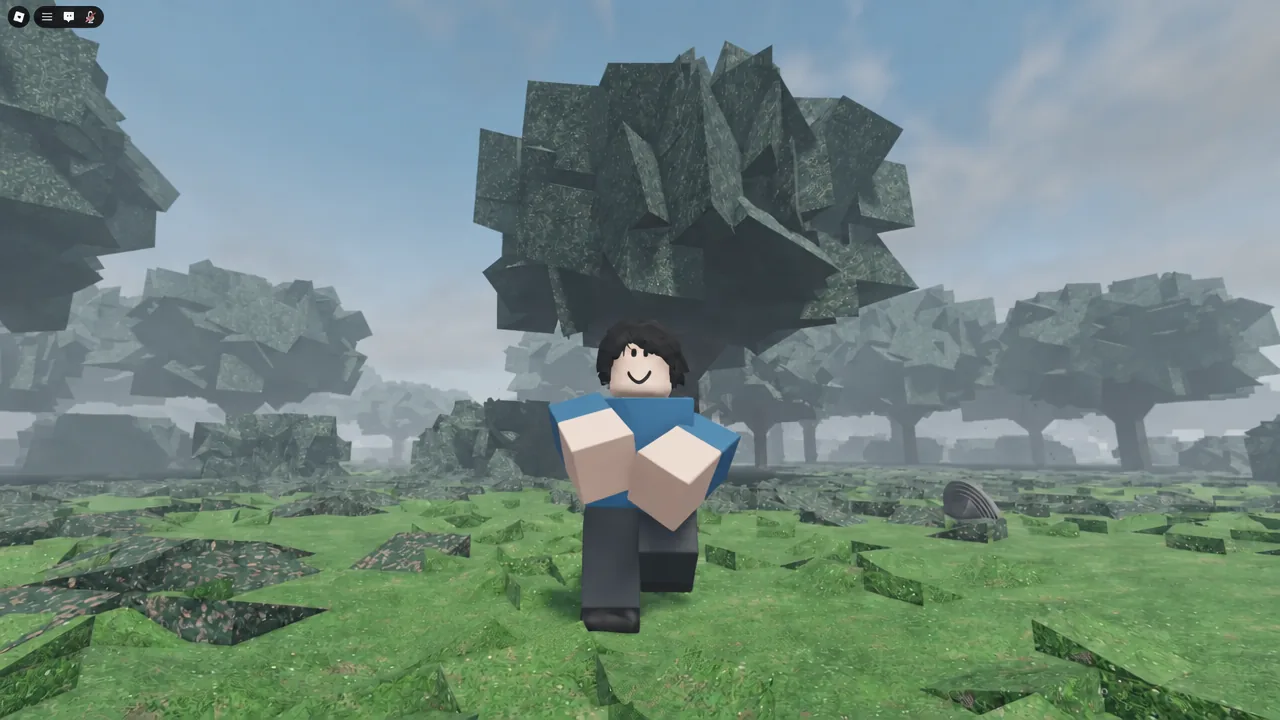
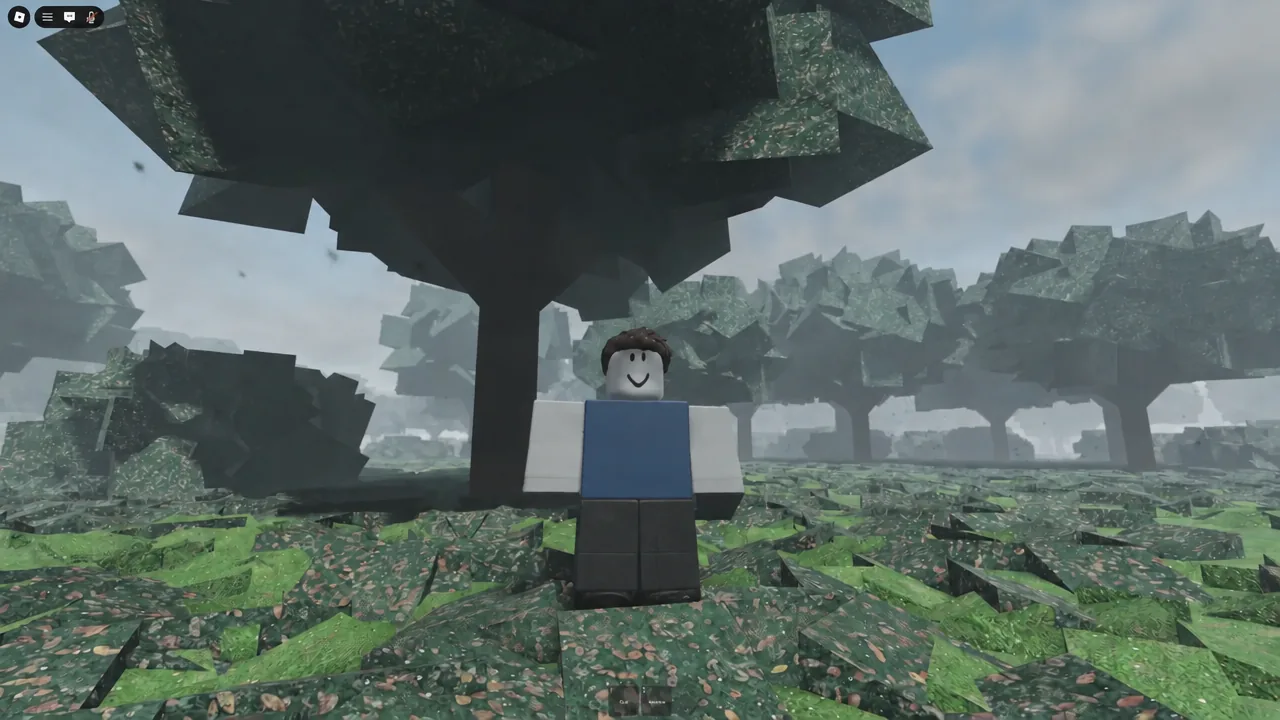
Bug Fixes drops you into a foggy field with a fist, a katana, and a straw hat. There is no class select screen, no skill tree, and no ability bar. What other players read as a “build” is really two things stacked together: the armor you have earned by praying, and how consistently you use directional cuts, stance changes, and displacement.
Quick answer: There is nothing to unlock or equip at spawn. Run the stance-literate katana if you want the highest duel ceiling, Red Plate if you want damage absorption, Kabuto Duelist if you want protection without changing your swing timing, and a musket line if you fight in groups. Armor comes from holding B to pray, not from a shop.
Why builds exist without a class system
Every player on a 50-player server shares an identical kit and identical keybinds. Nobody gets a faster katana or an extra move. The only variables are armor, which is earned through repetition, and habit, which is earned through practice.
That is why builds in this game are described by behavior rather than by stats. A player wearing red plates who never changes stance is not running the Red Plate build in any meaningful sense — they are just a slower target. The armor only pays off when the underlying cut-and-stance drill is already in place.
Bug Fixes controls every build shares (PC and console)
The bind list is the whole toolkit. Learn these before worrying about what you look like, because no build changes a single one of them.
| Action | PC | Console |
|---|---|---|
| Bow or sheath | X | 2x dpadright (bow), Triangle/Y (sheathe) |
| Pray | B | 2x dpadleft |
| Cut right-to-left | E | Square/X |
| Cut left-to-right | Q | Circle/B |
| Cut up-to-down | F | Cross/A |
| Change stance | R | dpaddown |
| Displace | G | Triangle/Y |
| Take off hat | = | — |
| Shiftlock | — | L3 |
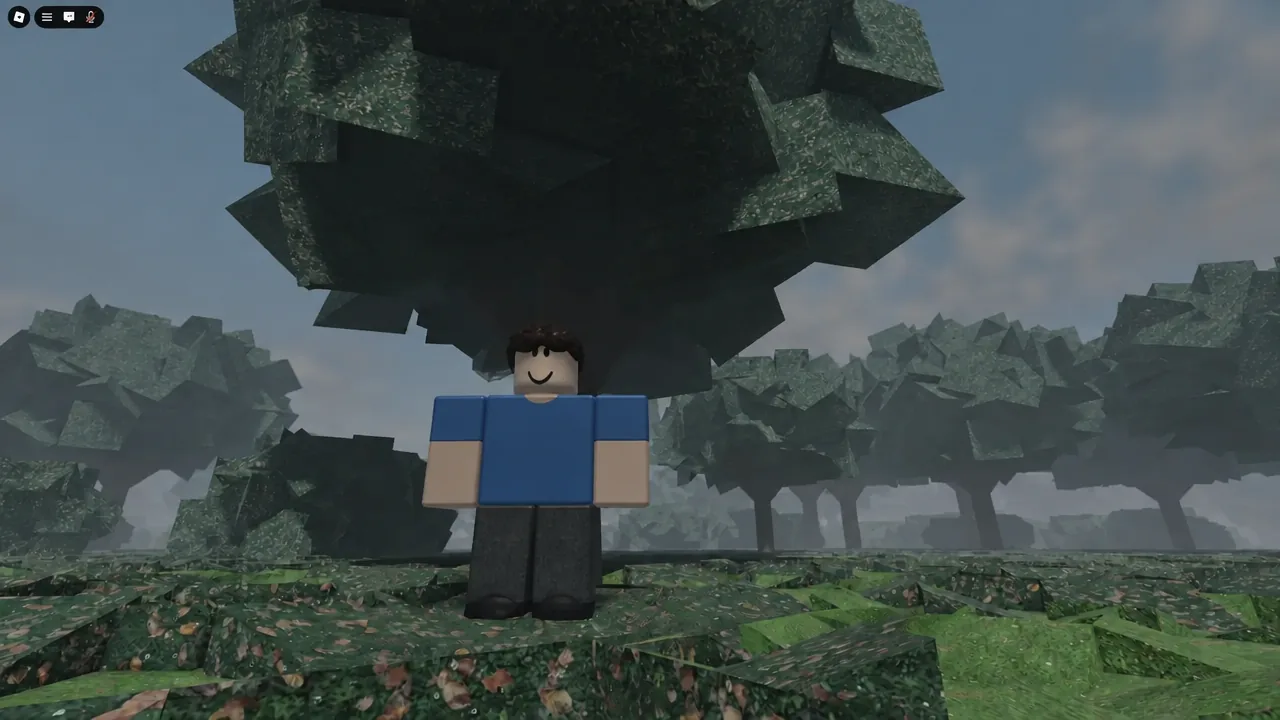
Two rules matter more than the rest. Change stance with R between exchanges, not in the middle of a swing. And treat G as a guard break and an angle-clearing tool rather than a movement key you spam across the field.
The four Bug Fixes builds compared
| Build | Strength | Weakness |
|---|---|---|
| Stance-literate katana | Highest duel ceiling; wins on reads and timing | No armor cushion for mistakes |
| Red Plate | Best damage absorption on the field | Useless if you stop using cuts, stance and displace |
| Kabuto Duelist | Armor without changing katana timing | Requires a long pray grind first |
| Musket line | Space control and group fights | Loses a 1v1 to a skilled katana player |
Stance-literate katana
This is the bare kit played properly. You mix E, Q, and F so your opponent cannot pre-guard one angle, swap stance with R after reading their shoulders, and use G to break a guard or step out of a bad line. Nothing protects you if you misread, which is exactly why it beats armored players who fight on autopilot.
Red Plate
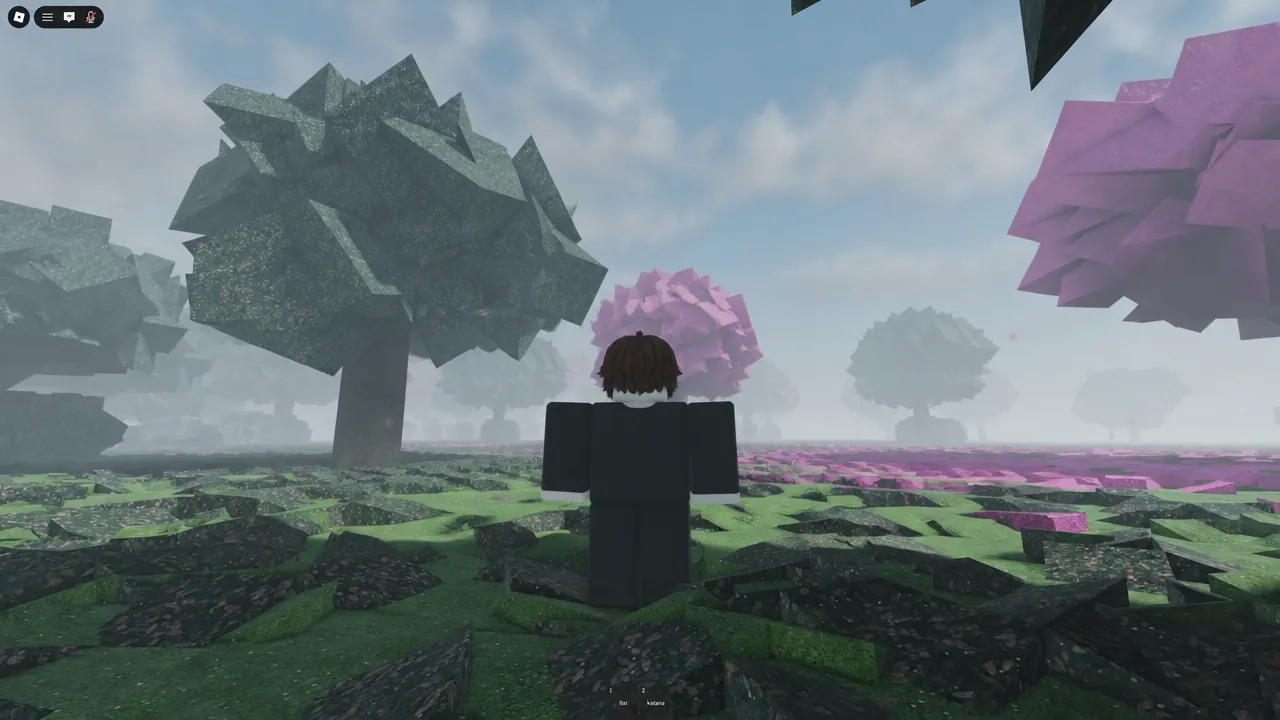
Red plates give the best damage absorption available, which buys you room to survive a bad read. The trade is that plates do nothing on their own. If you stop mixing cuts, stop switching stance, and stop displacing, a patient katana player will simply take more exchanges until the armor runs out.
Kabuto Duelist
The kabuto adds helmet protection without touching your katana swing timings, so the drill you already learned transfers directly. The only real cost is time — you need a long stretch of praying before the helmet is yours.
Musket line
A musket line is about controlling space when several players are fighting at once. It punishes anyone who walks a straight path toward you and it holds ground in group fights. Pulled into a clean one-on-one against a skilled katana player, it loses.
How to get armor in Bug Fixes (pray on B)
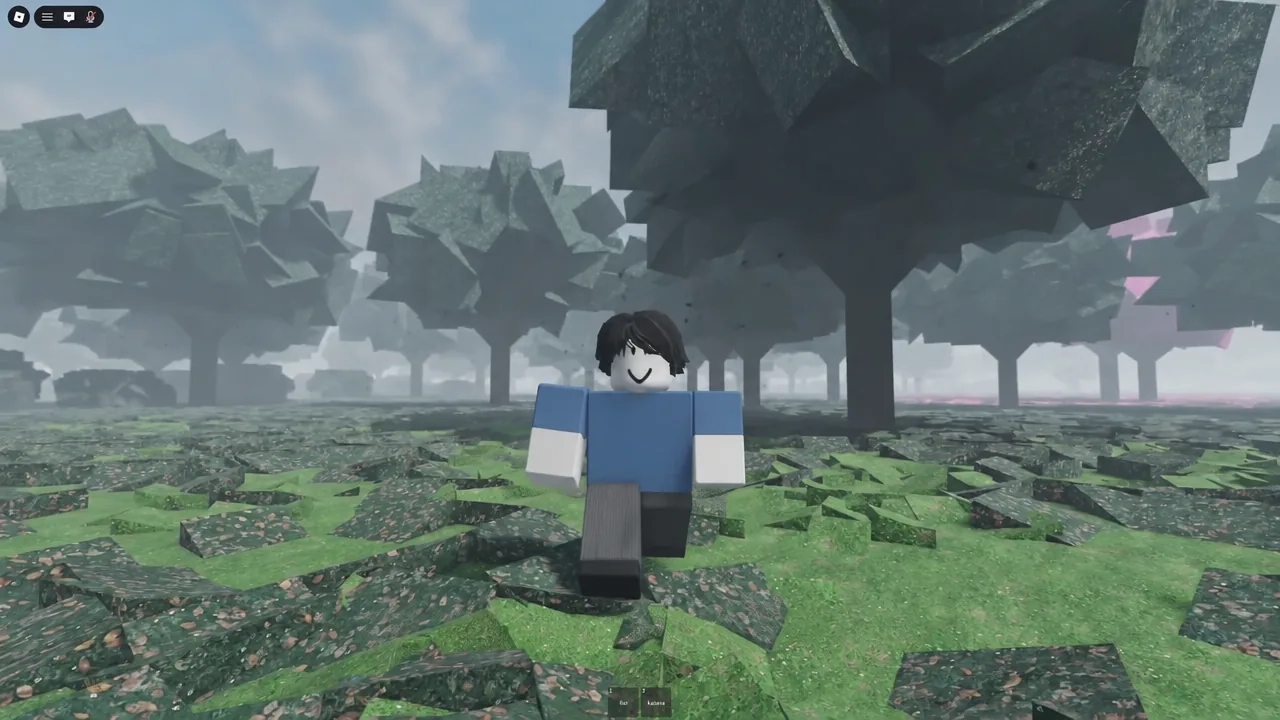
Armor is earned one way. Press B to pray and keep at it. There is no shop, no purchase option, and no code that hands you a kabuto or red plates. Two of the four builds are gated behind this grind, so it is worth starting early rather than waiting until you lose a duel to someone in a helmet.
Tip: the hat comes off with the = key, which is useful for checking that a kabuto has actually replaced your straw hat.
Samurai, ronin, ninja, and shinobi: what the class names mean
Players on the field use four labels, and none of them are roles you can unlock. Samurai describes someone playing the melee system as designed — bow, cut, read, sheath. Ronin describes a player whose session is mostly the pray loop, with duels as the interruption. Ninja describes fast, hard-to-read movement that leans on G displacement instead of armor.
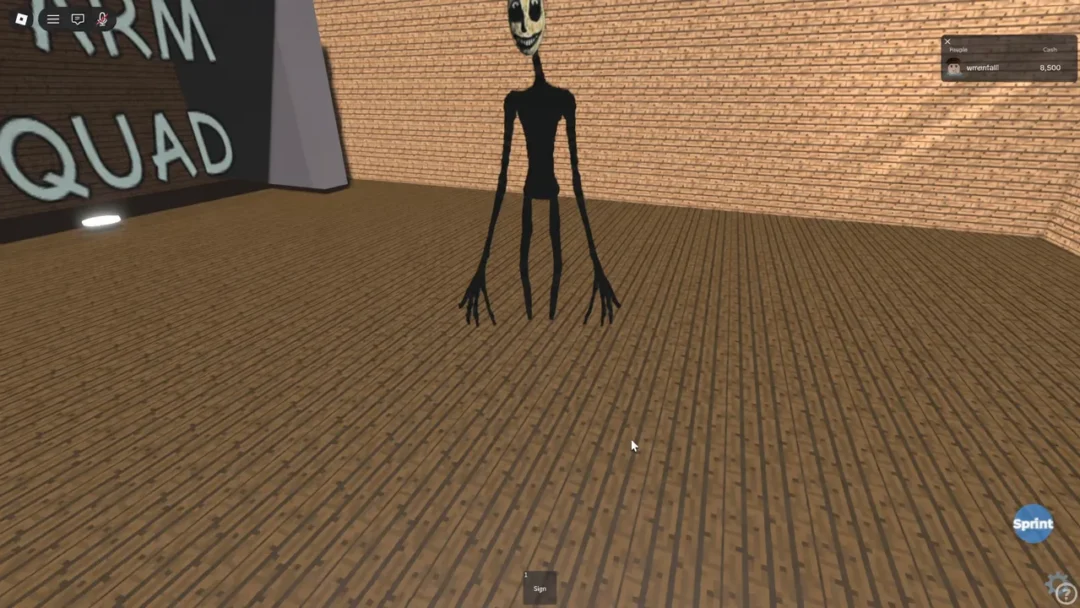
Shinobi is different. It refers to a dark-wrapped silhouette with a shuriken prop seen in public testing footage, not a shipped kit. Wearing a similar outfit does not add a moveset, and anything advertising shinobi abilities outside the game is not a feature. Until a patch adds separate binds, everyone is still cutting with E, Q, and F.
Common reasons a build stops working
- Throwing the same directional cut repeatedly, which lets an opponent pre-guard a single angle.
- Pressing R mid-swing instead of between exchanges, which wastes the stance change.
- Using G as a sprint across open ground rather than as a guard break or an escape from a bad angle.
- Treating armor as a substitute for the drill — plates absorb damage, they do not win exchanges.
- Taking a musket line into an isolated duel against a katana player who reads timing well.
If you are choosing where to start, the stance-literate katana is the honest baseline, because every other build is built on top of it. Learn the three cuts, learn when to change stance, then decide whether you want the pray grind for a kabuto, the durability of red plates, or a musket holding a lane while everyone else clashes. The binds never change — only what you do with them.