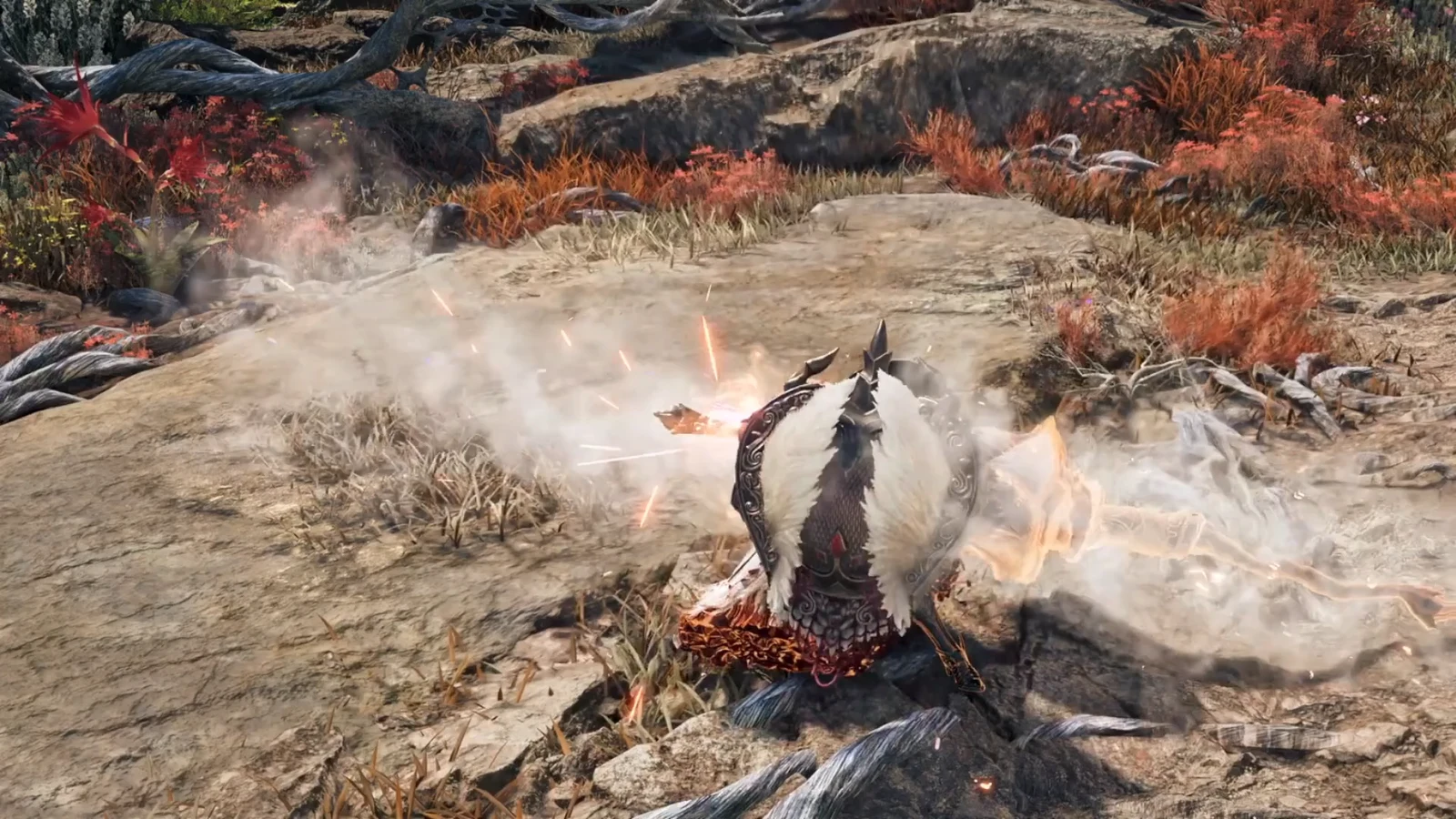
The Lance in Monster Hunter Wilds: Ascendance still does what it has always done, which is block things and poke them to death. What the expansion’s Boost Bracer adds is a new activation attack and a short window where several familiar moves behave differently, including a Power Guard counter that pushes damage out at range instead of keeping it in your face.
Quick answer: Land the Lance’s Boost Driver, a heavy overhead shield slap that doubles as an offset attack, to enter Boost. While the gauge is up, the triple poke becomes a rapid six-to-seven-hit string, the running charge blocks attacks as you close in, and the Power Guard counter fires a wind pressure blast from the shield.
How to activate Boost with the Lance
Boost Drivers are the expansion’s on-ramp into the boosted state. Every one of the 14 weapons gets one, and they are strong attacks in their own right, so you are not stopping your combo to press an activation button. The input is R1 + Triangle + Circle on PlayStation, or RB + Y + A on an Xbox controller.
Boost Drivers run on charges rather than a cooldown timer. The gauge sits at the bottom center of the screen, and it works much like the Wirebug meter from Monster Hunter Rise, with a limited number of uses that refill over time. Certain moves on certain weapons refund part of that gauge, so the resource is meant to be spent and rebuilt inside a hunt rather than saved for one big moment.
Once Boost is active, the game’s own wording is that specific actions are temporarily enhanced. Nothing is permanent, and the Lance does not gain a separate mode or a stance you have to manage. You get a window, and the moves you already use hit differently inside it.
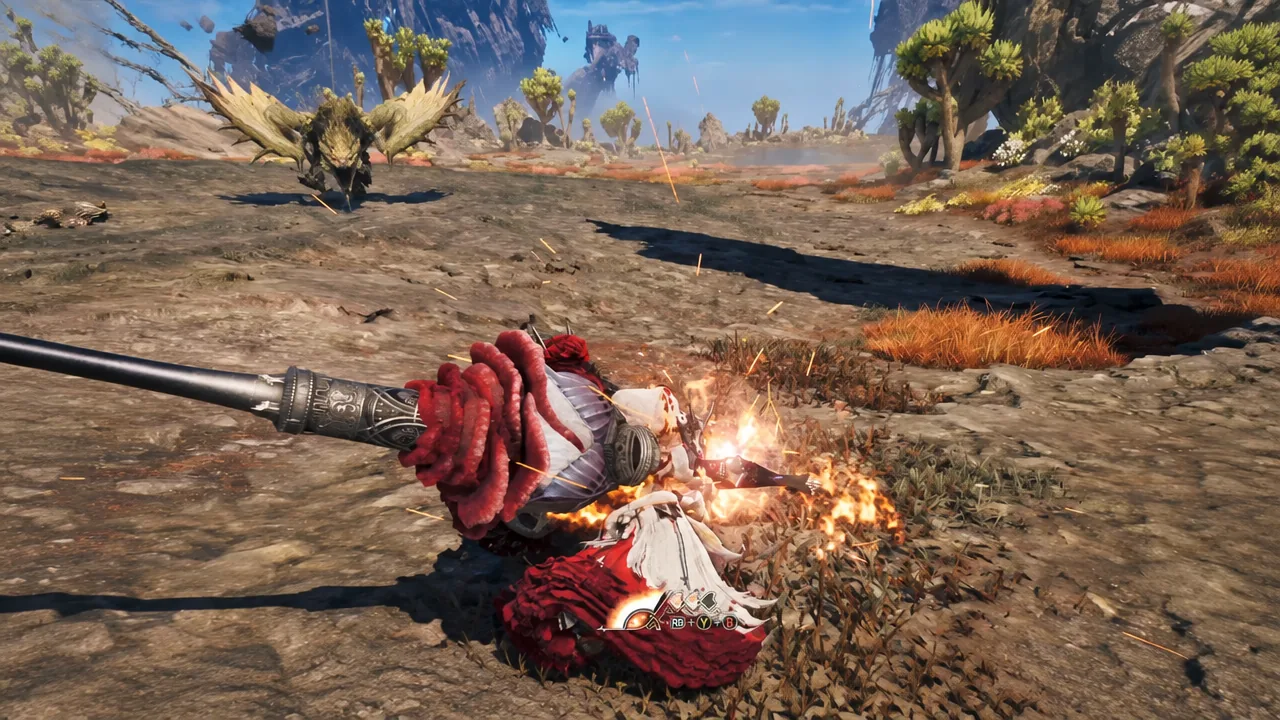
Lance Boost Driver: offset slap into shield charge
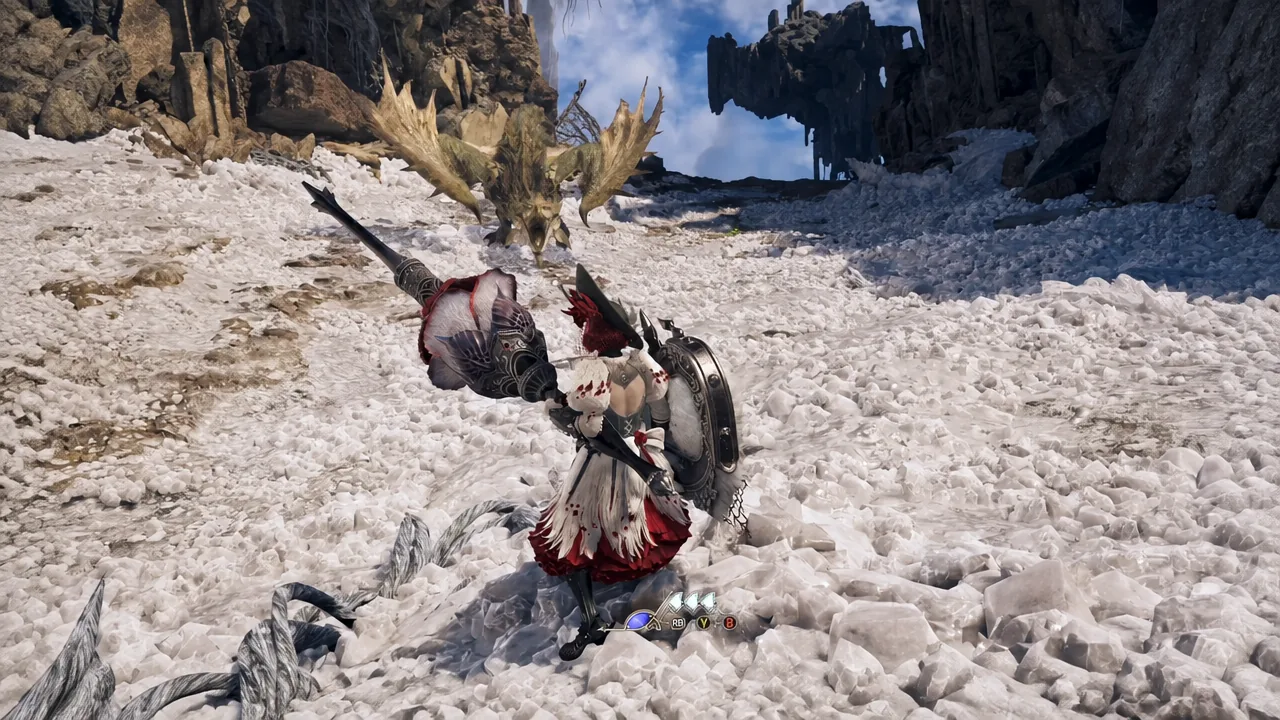
The Lance’s Boost Driver is a heavy overhead slap with the shield, and it carries offset properties. That means it can meet a monster’s incoming attack head-on and win the exchange, in the same way the weapon’s Charge Counter can be released into a monster swing.
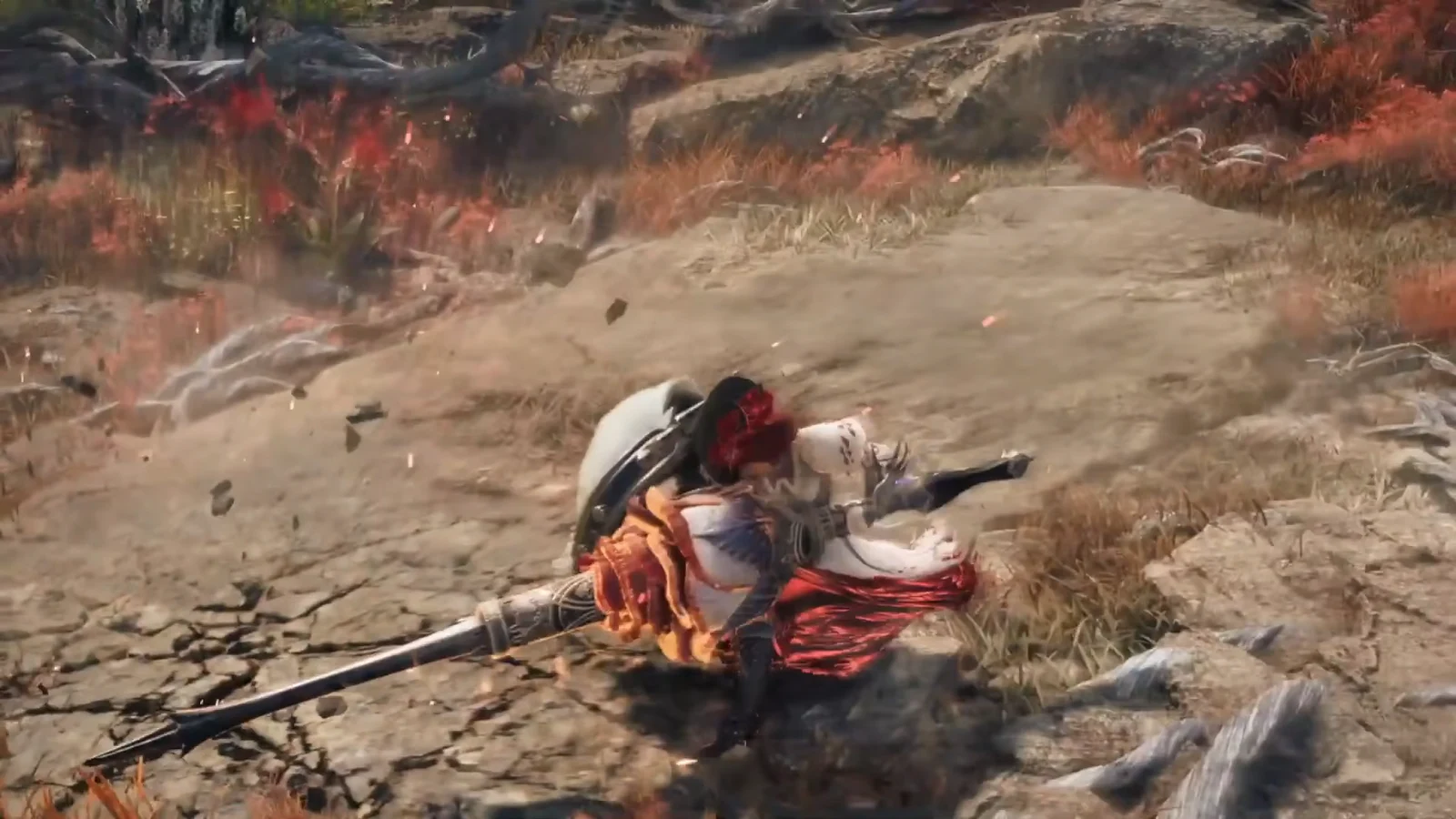
Connecting with the offset opens a follow-up path rather than just ending in a knockdown. The hunter charges forward behind the shield and finishes with a heavy poke, which closes distance on a monster that has just been staggered. It is the one sequence in the set that moves you a meaningful distance across the arena.
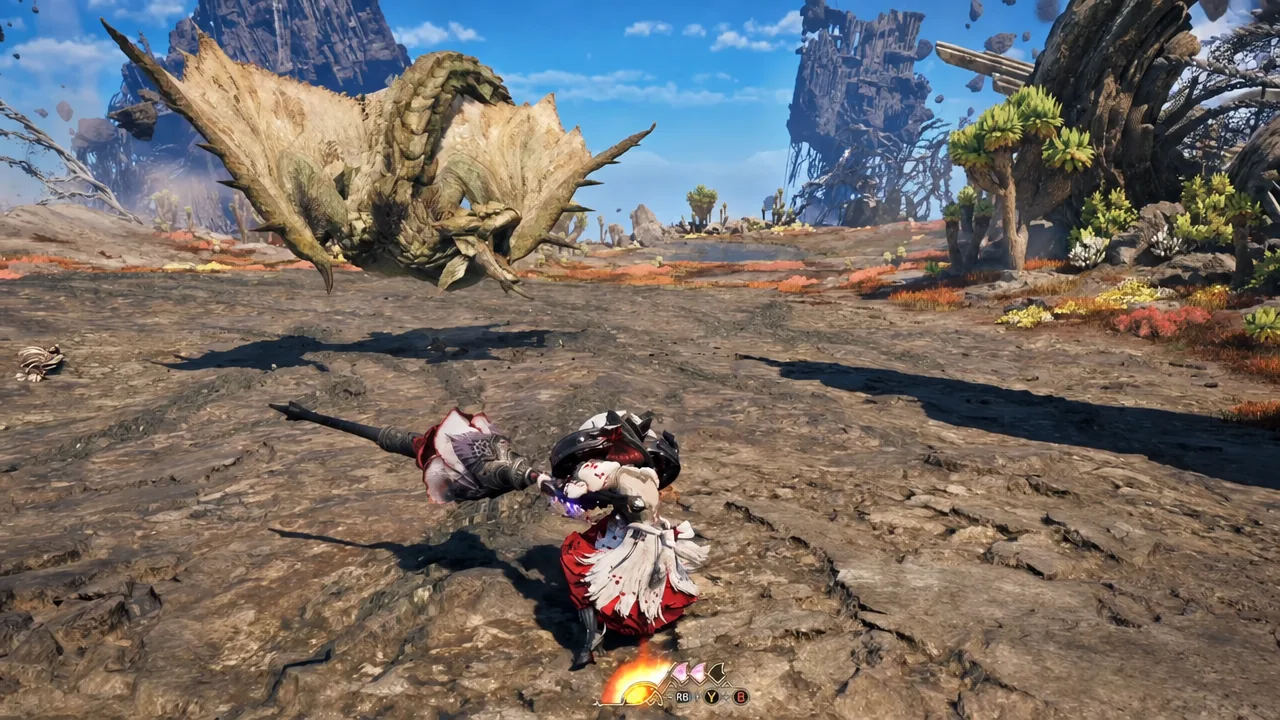
Every Lance action that changes while boosted
Three of the Lance’s core actions behave differently inside the Boost window. None of them require a new input, so the changes show up in the middle of combos you already know.
| Action | What changes while boosted |
|---|---|
| Triple poke | Turns into a rapid multi-hit string of roughly six to seven thrusts instead of three. |
| Running charge | Blocks incoming attacks while you charge forward, and ends in a heavy finishing thrust. |
| Power Guard counter | Releases a wind pressure blast from the shield after the block, hitting at range. |
Note: move names attached to these actions are provisional until the expansion ships, so labels may read differently in the final game. The behavior itself is what Capcom has shown.
The Power Guard counter now hits at range
This is the most significant change to how the Lance actually plays. Power Guard already trades mobility for near-total protection, and Wilds reduced the damage you take while holding it. In the boosted state, the counter that comes out after a successful block sends a blast of wind pressure off the shield, which travels away from you instead of only connecting with whatever is directly in front.
Practically, that means a turtling Lance is no longer punished for being pinned in place while a monster is airborne or repositioning. You still have to earn the block first, so the timing discipline the weapon demands has not changed.
How to tell Boost is active
Two things confirm it. The Boost gauge at the bottom center of the screen loses a charge when the Boost Driver goes off, and the weapon picks up a red glow during the enhanced attacks. If your triple poke still ends after three thrusts, Boost is not running, which almost always means the Boost Driver whiffed or you were interrupted before it landed.
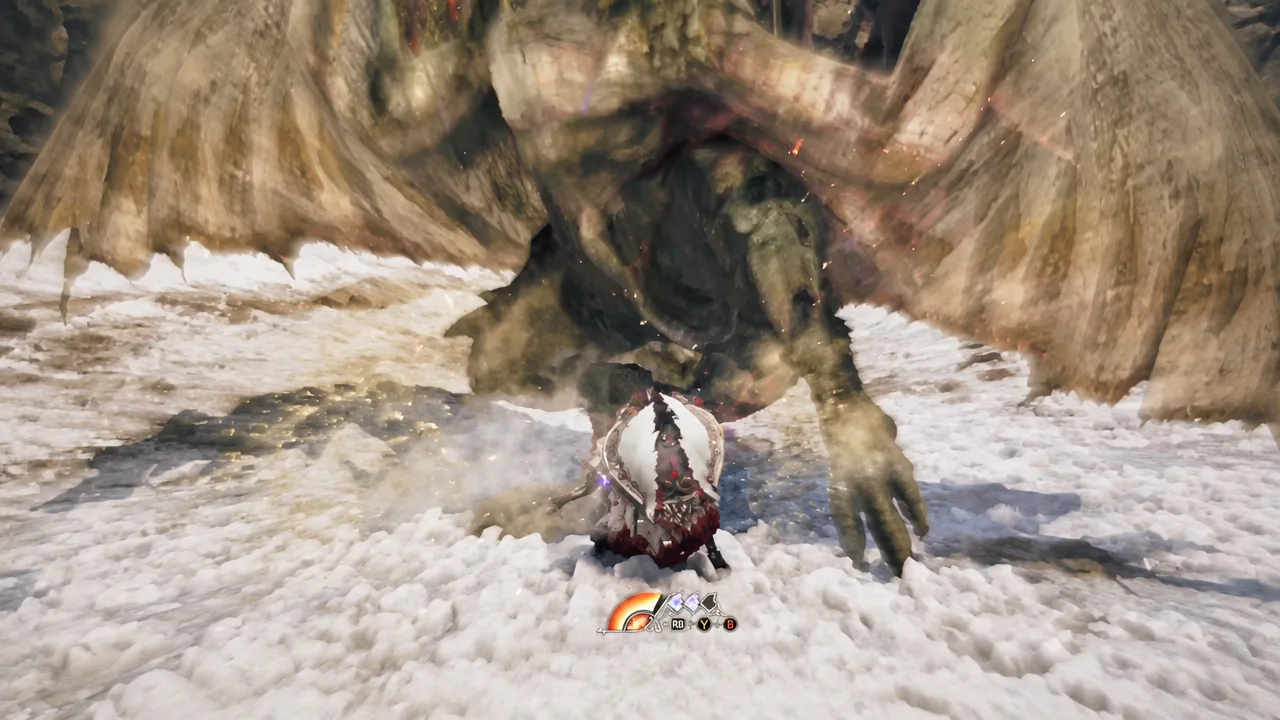
The hunter in the preview footage wears the Master Rank Lala Barina set, paired with a rose-themed Lance and white shield. That is cosmetic context for the demonstration rather than a requirement for any of the moves above.
Release window and platforms
Monster Hunter Wilds: Ascendance is due out in 2027 on PlayStation 5, Xbox Series X and S, and PC via Steam. No specific date has been confirmed. The expansion is carrying a rating pending to Teen label from the ESRB, with violence, blood, and crude humor listed as descriptors, and it can be wishlisted on its Steam store page.
Capcom has been rolling out these breakdowns weapon by weapon, and the Lance’s version reads as a targeted fix rather than a rework. The poke pressure gets denser, the approach gets safer, and the one thing the weapon could never do — punish something it could not reach — now has an answer tied to the Boost gauge.