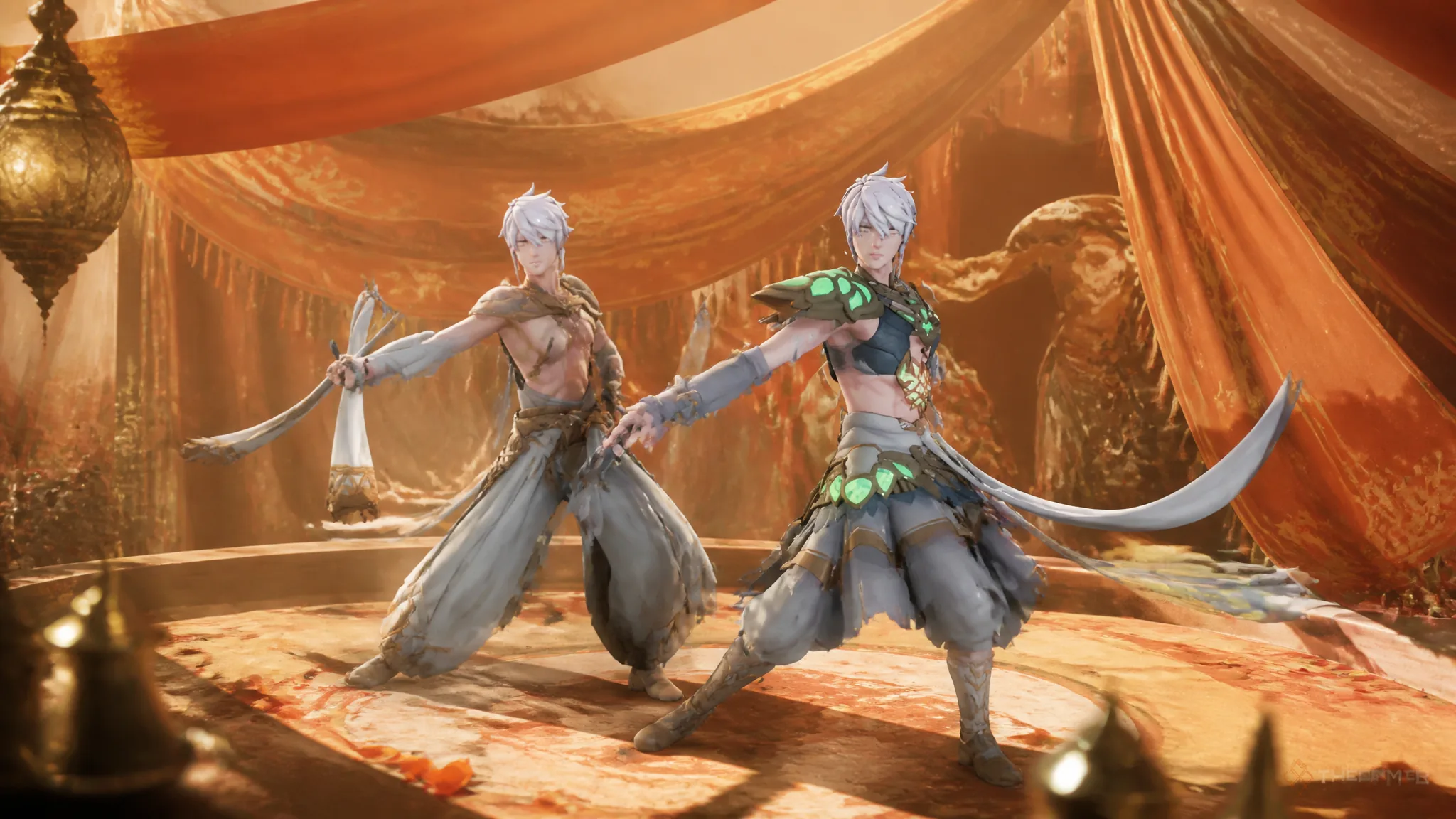
Dance is one of the strongest actions in Fire Emblem: Fortune’s Weave because it hands an ally a full extra turn. The catch is that only one unit can wear the Dancer class at a time, so the real question is not who can Dance, but whose own turn you can afford to trade for it.
Quick answer: Use Leda the moment Dancer unlocks in Chapter 9, then reassign it through Return Classification to a dependable Sword and Bow unit whose normal action you can spare. Apply the same test to The Apsara.
What the Dancer class does and requires
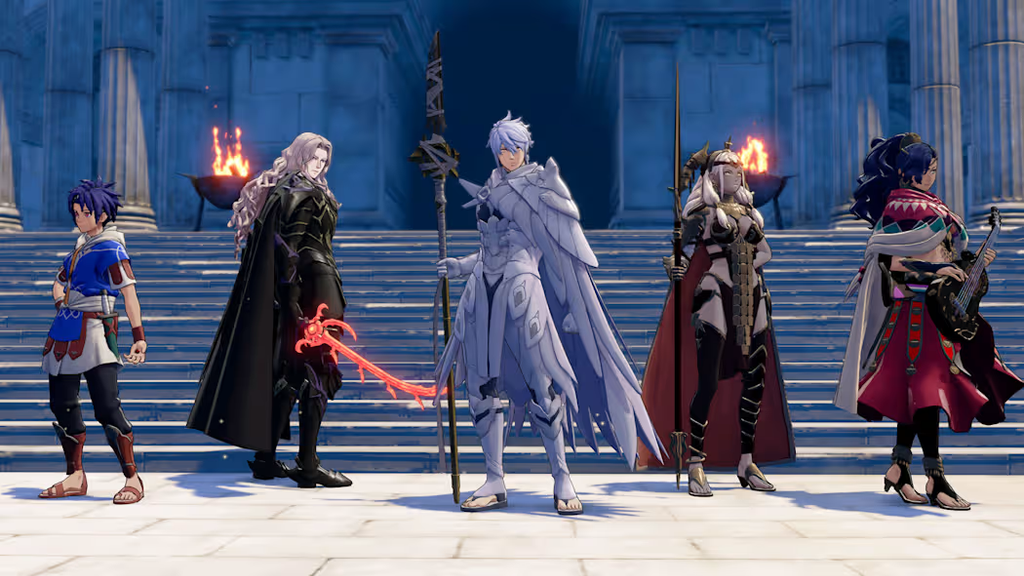
During Chapter 9, Leda offers the Great Dancer’s Successor quest, whose reward is the Dancer’s Necklace for initial certification. A unit must have Bow B and Sword B to use the class. Its signature skill, Dance, lets a selected ally take one more action that turn.
- Dance — gives one ally an extra action.
- At mastery, you earn Special Dance, and the ally you dance for gains Speed and Dexterity.
- Requirements — Bow B and Sword B.
- Limit — Dancer can be assigned to only one unit at any given time.
Because the class is single-holder, moving it later means releasing it first. Return Classification frees the Dancer certification so another eligible unit can take it, which is what makes long-term reassignment possible.
When Dancer first unlocks: give it to Leda
Leda is the natural first Dancer. Her quest grants the certification directly, she is a mandatory unit for her Part, and her Sword and Bow training already fits the class. If you want to start refreshing allies right away, she is the obvious pick.

There is a cost to leaving her there, though. Leda’s buffing Blaze Arts can strengthen the whole team, and those Arts spend the same action Dance would. Her Blaze Arts do not grant an extra turn, so every turn she spends Dancing is a turn she cannot spend on that support. That trade-off is exactly why she can be replaced later.
How to pick the long-term Dancer
Do not automatically assign long-term Dancer duty to your strongest fighter. Look for someone who satisfies the weapon ranks, can remain beside your primary attacker, can survive there, and loses little by spending their own action. Apply this same brief checklist to every candidate.
- Proficiency — comfortable with Swords and Bows, so training is a short detour.
- Positioning — can stand next to your key attacker and survive there.
- Opportunity cost — their normal turn is not an irreplaceable action.

Units with outstanding damage, healing, or distinctive support are usually poor choices here. If Dancing gives up more team value than the extra action creates, choose someone else. Keep the action refresh separate from Leda’s stronger support so both can be used during one turn.
A unit whose own turn is easily replaceable makes a better Dancer than a high-damage carry, because the extra action goes to a stronger unit instead.
The Apsara (Divine tier) uses the same rule
The same logic returns when The Apsara becomes available at the Divine tier. Its skills are useful enough that keeping the refresh separate from Leda’s support matters even more here. The Apsara asks for Sword A and Bow C, so weapon ranks again shape who can take it.
Example picks that fit the test
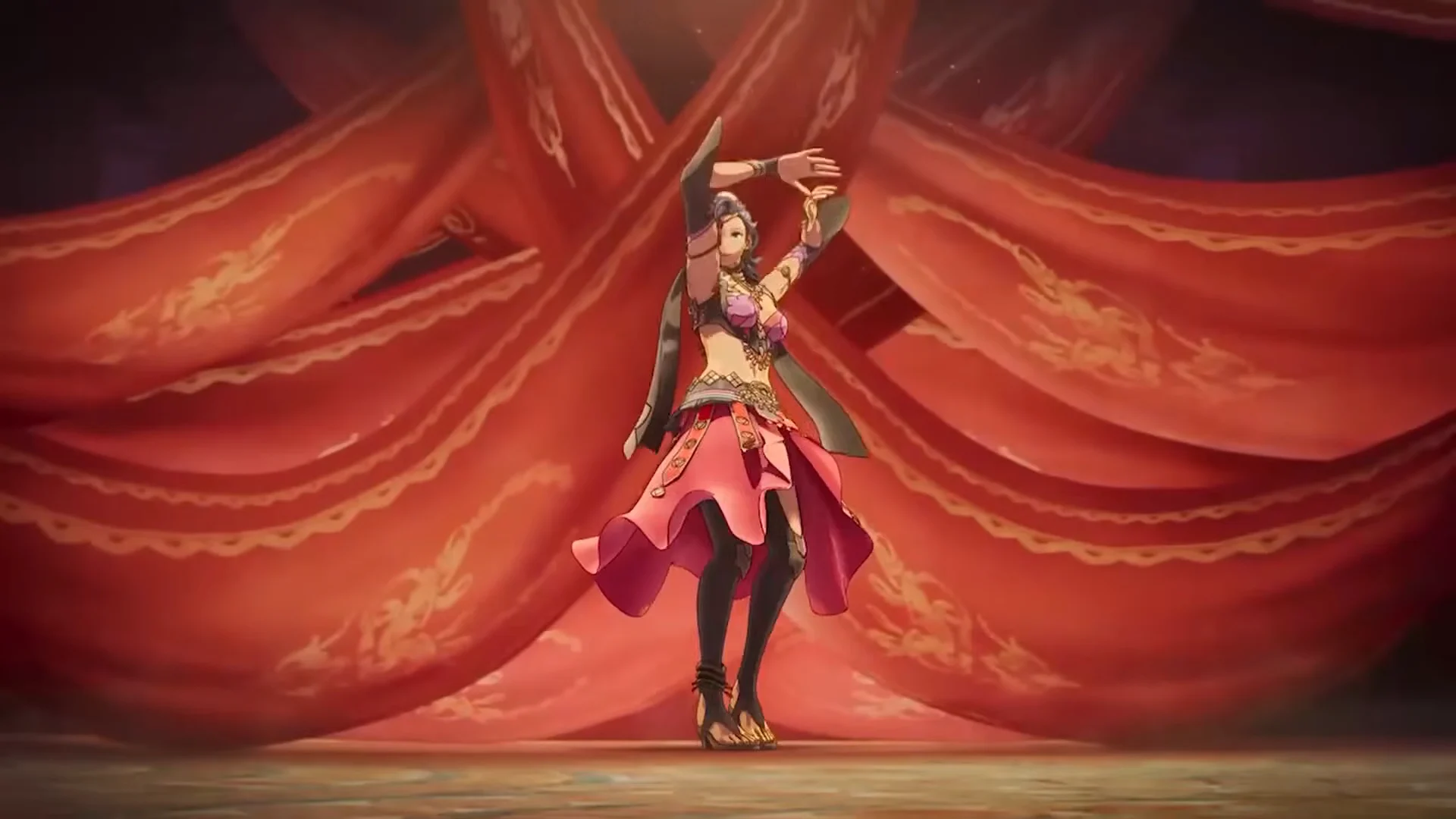
Treat these as examples of the method rather than a set ranking. Neither unit’s signature skill makes Dance better, so assess the rest of your roster using the same proficiency, positioning, and cost checks.
Jester as the replacement Dancer
Jester is a practical reassignment choice: Sword and Bow are both preferred skills for him, reducing the training required to reach Bow B and Sword B. Blink of an Eye adds nothing to Dance, but that is unnecessary; he reaches the requirements cheaply and can afford to spend his turn.
Nezha for The Apsara in Part 3
Nezha is a strong Apsara pick in Part 3, which frees Leda to focus on her Blaze Arts. Nezha favours Sword, so the Sword A rank is comfortable, though his Bow needs deliberate training to reach the Bow C requirement. His Quick Draw does not touch Dance, so the reason to pick him is fit, not the skill.

Put simply, keep Leda on Dance until you have a unit you can afford to lose a turn with, then hand the refresh role off through Return Classification and let Leda go back to strengthening the team. Do the same when The Apsara arrives, and the extra action always lands on the unit who does the most with it.