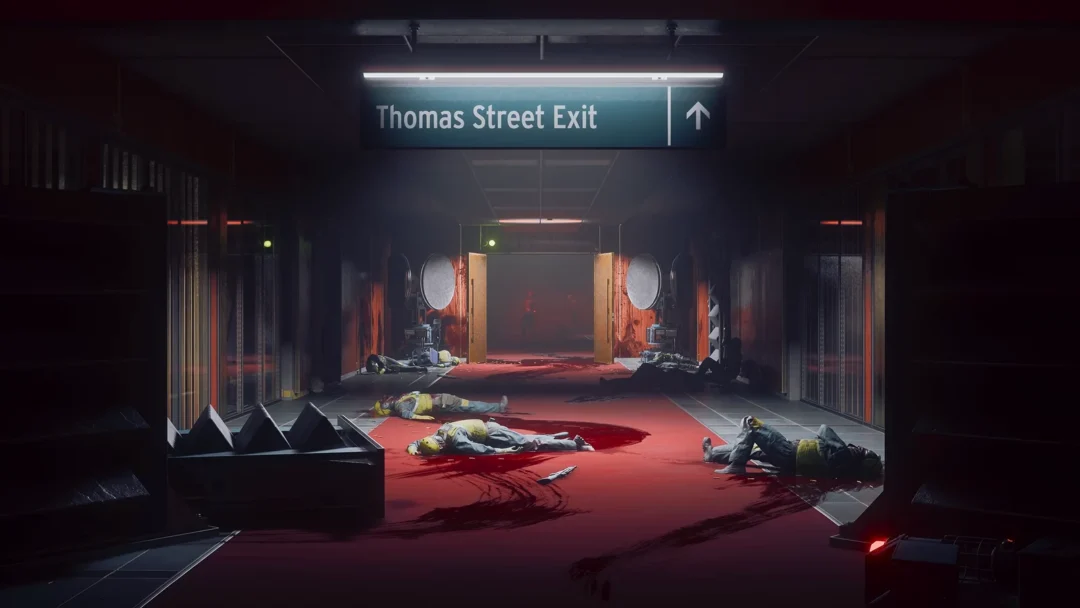
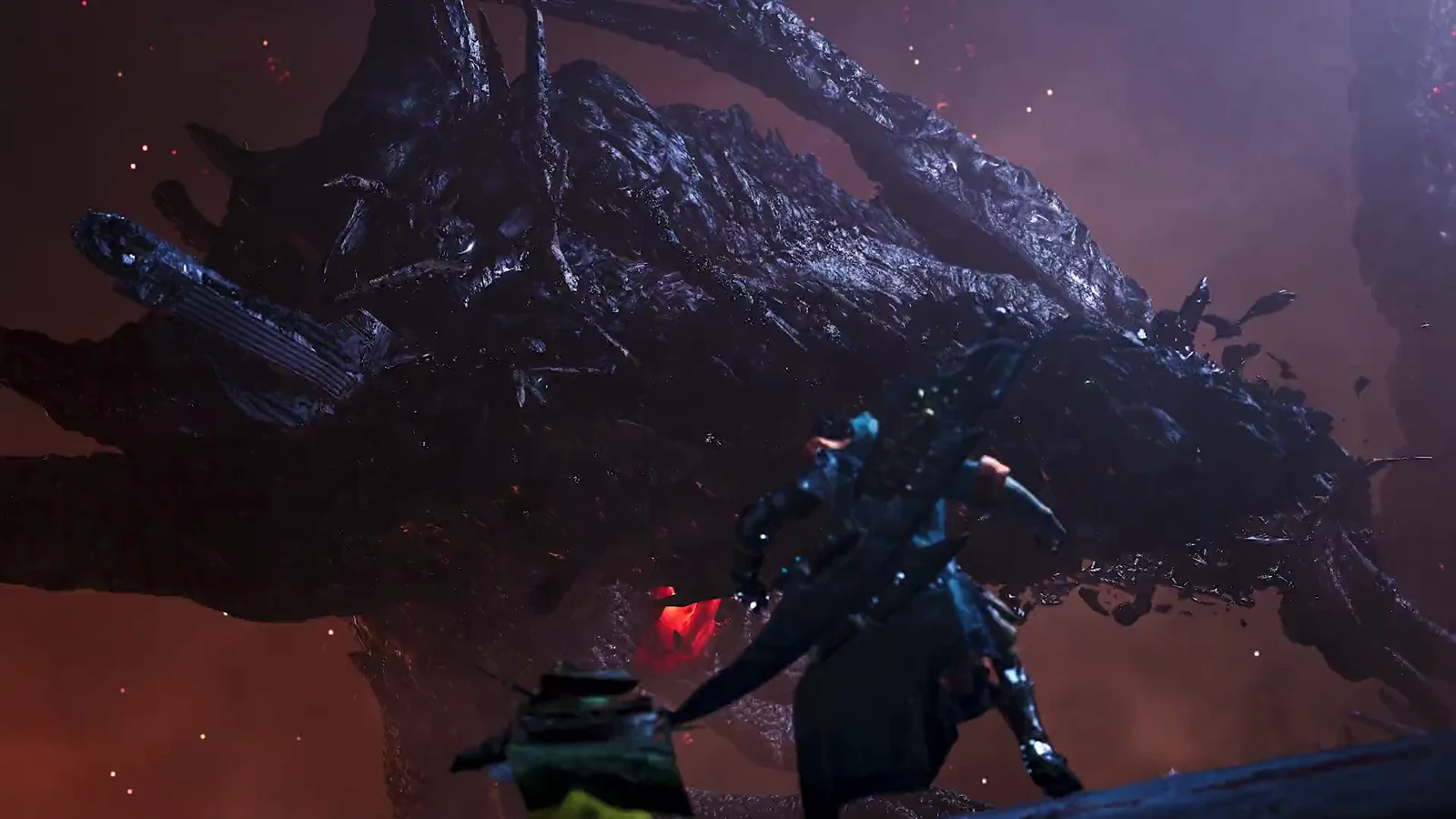
In Evolve Stage 2, four Hunters chase one player-controlled monster across a map, and the Trapper is the role that decides where and when the fight actually happens. The Trapper tracks the beast, corners it, and locks it inside a mobile arena so the rest of the team can burn it down before it grows too strong. Two hunts show how this plays out from opposite ends: a Trapper crew running Crow drops a Glacial Behemoth, and a Gorgon shreds a team led by Abe.
Quick answer: Track the monster with Gobi, tracking darts, or footprint trails, deploy the mobile arena dome to trap it, then cycle stasis and direct-damage weapons until the health bar empties and the “HUNTERS WIN” banner appears.
The mobile arena dome is the whole fight
The Trapper’s mobile arena is a circular energy dome that seals a section of the map and stops the monster from running. Once it goes up, the trapped monster cannot leave until the timer expires. The dome deploys with a countdown shown on the HUD (the timer reads DEPLOYED 04:59 at the moment it drops), and a “DOME READY” indicator tells you when it can be used again.
Placement matters more than speed. Tight spaces work in the team’s favor. Against the Behemoth, the strongest traps landed in an enclosed cavern corridor, a stone archway passage, and finally around the power relay for the last stand. Wide-open drops give a fast monster room to kite and survive the timer.
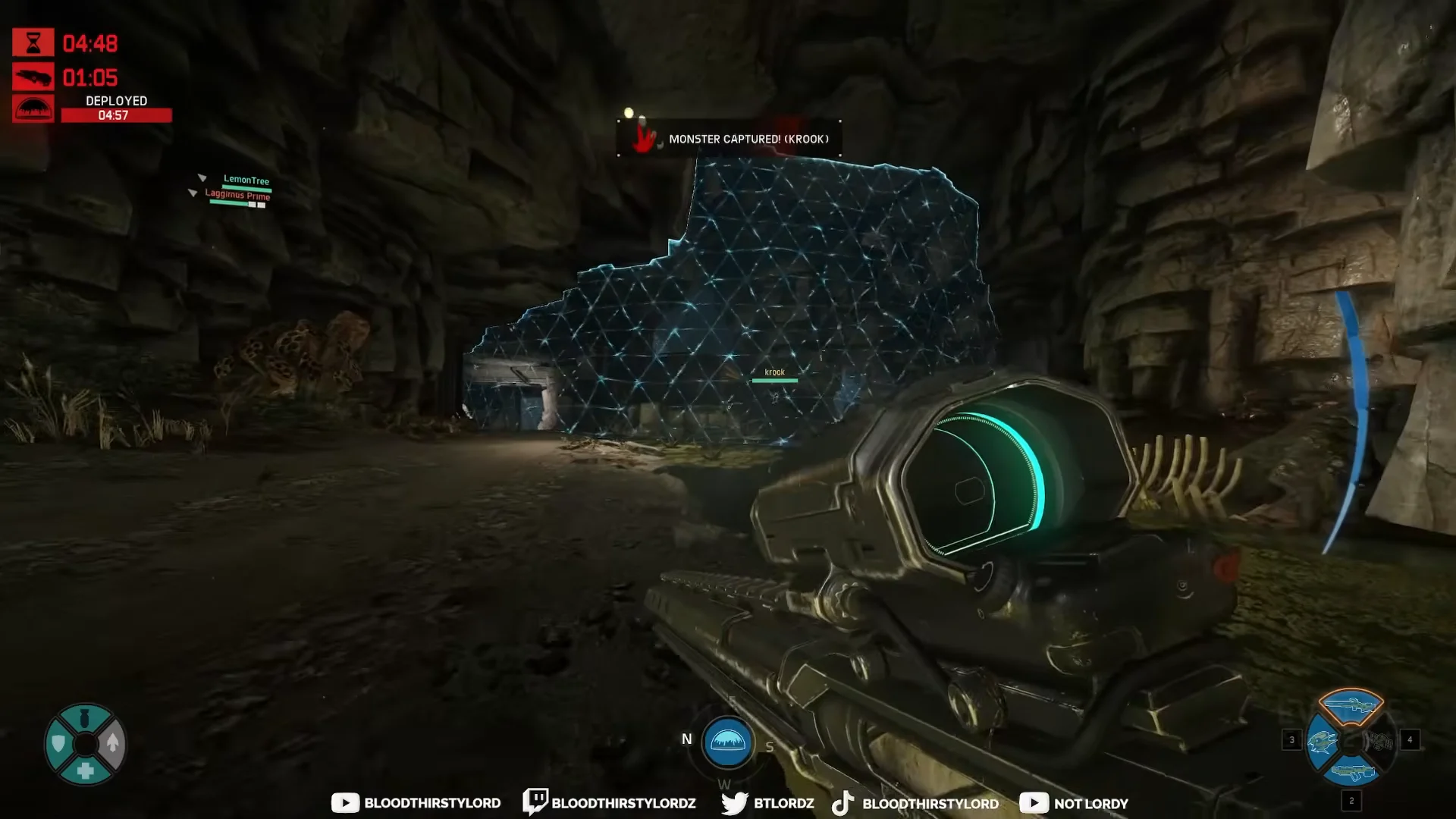
When the timer runs out, the dome drops and the monster bolts to feed and replenish its armor. That is the moment the Trapper resumes tracking, because a monster that reaches wildlife or evolves is far harder to kill on the next dome.
Tracking the monster before you trap it
You cannot dome what you cannot find, so tracking is the Trapper’s first job. The map is full of readable cues. Blue glowing footprints mark the monster’s path, red startled-bird icons flag where it disturbed wildlife (a “MONSTER SCARED BIRDS” alert fires when this happens), and carcasses appear where it has been feeding.
Crow adds a pet petrel named Gobi. Released, Gobi flies forward in a straight line and reveals or tags any wildlife or monster in its path, which is the fastest way to convert a rough trail into a hard lock. A planet scanner pulse fills the gaps, sweeping the area to spot a monster feeding in cave tunnels or moving along a ridge.
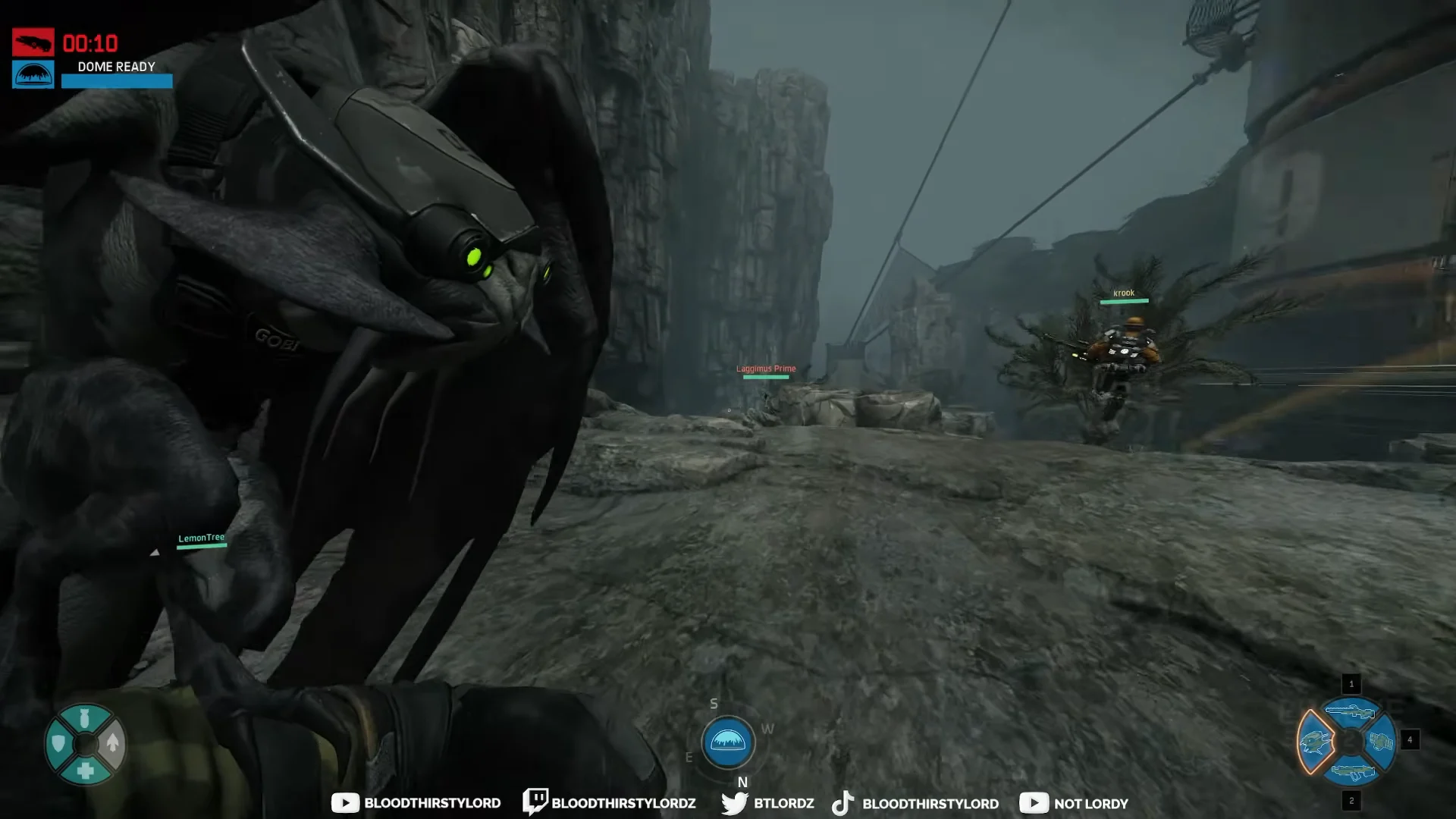
Abe tracks differently. His tracking dart pistol embeds a dart in wildlife or the monster and grants a continuous wall-hack silhouette for a set duration, so the target stays outlined through canyon walls even when it breaks line of sight. On an icy map, the same visual language holds: red scratch marks and green environmental cues point the way toward the monster’s route.
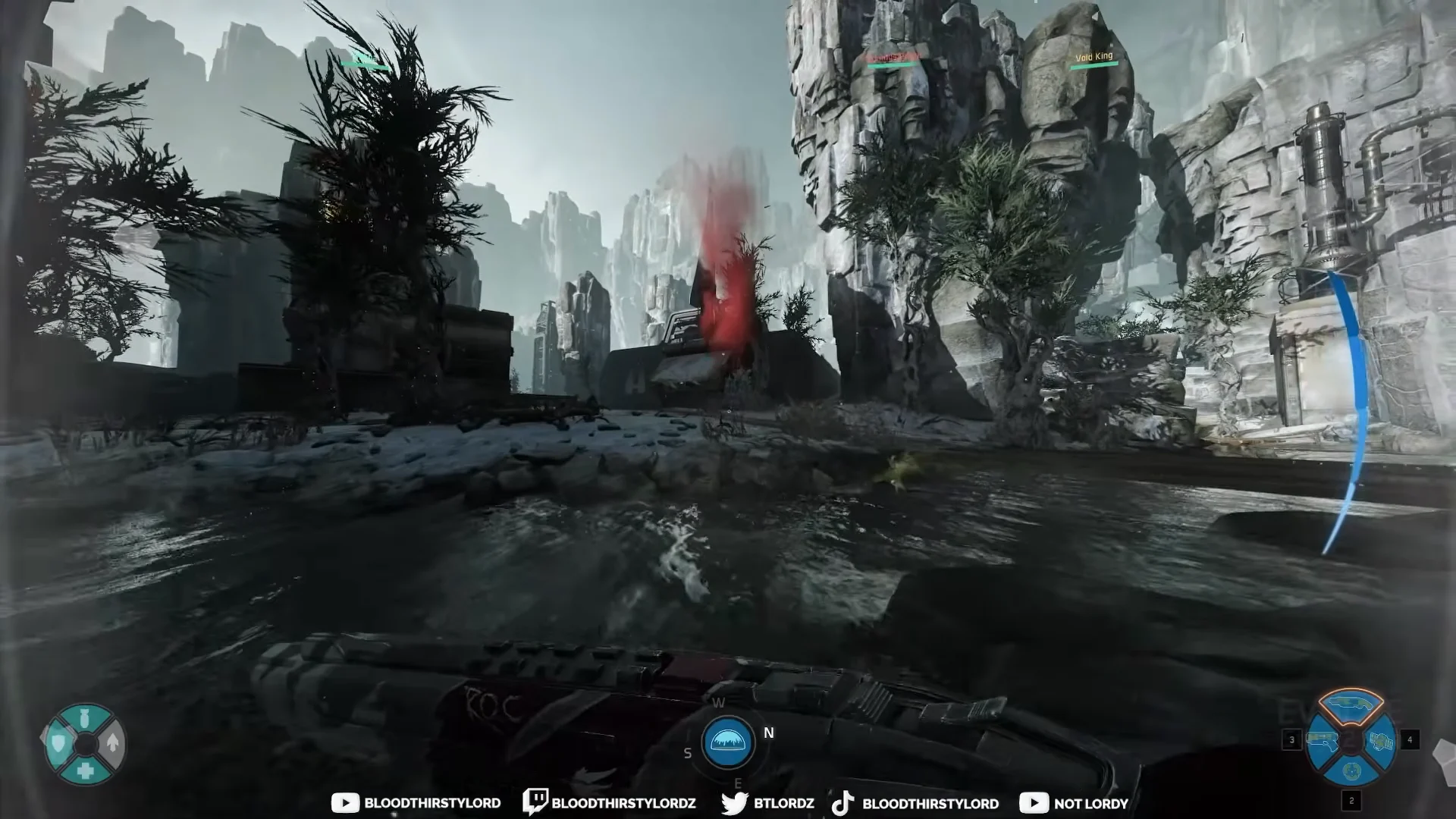
Trapper weapon cycling: slow, then damage
Inside the dome, a Trapper alternates between crowd control and damage rather than holding one trigger. The rhythm is to slow the monster, keep it off a downed teammate, then punish the opening.
Crow: kinetic long rifle and stasis gun
Crow’s kinetic long rifle rewards patience. A fully charged shot bypasses the monster’s armor shield entirely and deals direct damage to its base health pool, so a disciplined Crow chips away real health even while the armor is still up. His stasis gun has a rapid-fire mode and a charged slow, both used to cut the monster’s movement and roll speed. That slow is what stops a Behemoth from crushing the Assault and buys the team time.
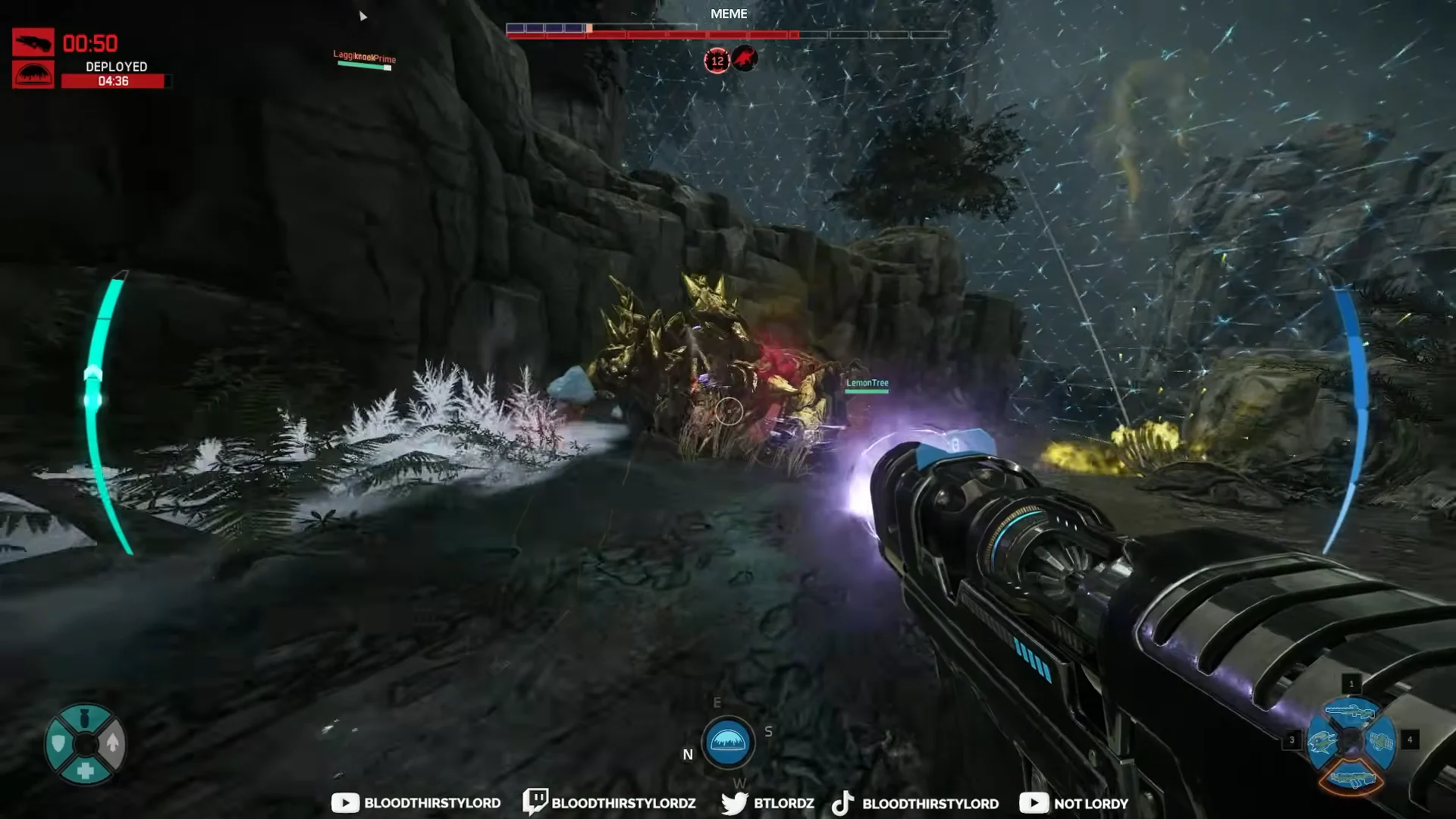
Abe: custom shotgun and stasis grenades
Abe is a close-quarters Trapper. His custom revolver-like shotgun changes its firing speed and spread according to your trigger rhythm, with well-timed shots grouping more tightly. His stasis grenades burst when they hit, spreading a slowing field over the ground that holds a monster in place while the team deals damage. The drawback is that slowing a monster means staying close, putting Abe within range of acid spit and pounces.
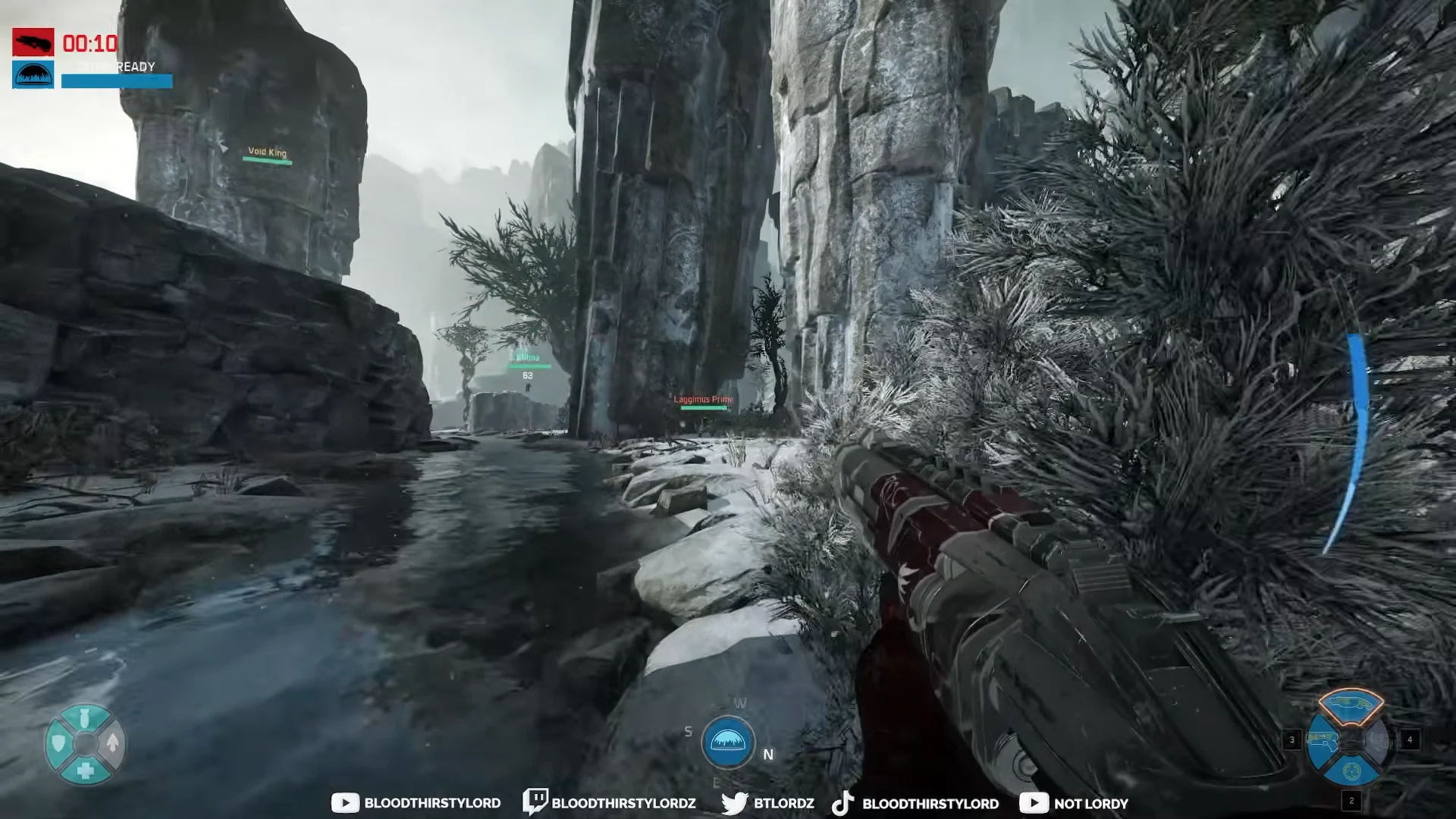
Evolution stages decide how big the fight gets
The monster grows across three stages. Each time it feeds on wildlife and evolves, its size and combat power climb, shown by alerts such as a stage-two or stage-three evolution banner. A Behemoth that reaches Stage 2 gains bonuses like added climb speed, and a monster that reaches an elite wildlife creature can gain damage resistance on top of that.
Armor is the other half of the math. Sustained fire strips a monster’s armor completely (a “MONSTER ARMOR DESTROYED” banner confirms it), after which every hit lands on core health. When the dome drops, the monster runs to feed and rebuild that armor, which is why long-range harassment between domes matters: tagging a feeding Behemoth from the cliffs interrupts its recovery.
Preventing a monster from reaching elite wildlife is often worth more than raw damage, because a damage-resistance buff can turn a winnable Stage 2 into a desperate Stage 3 fight.
Behemoth vs Gorgon: two very different hunts
The monster you face changes how a Trapper plays the dome. A Glacial Behemoth is a heavy bruiser that rolls to reposition and punishes teams with ice fissures and area attacks. A Gorgon fights through deception and traps, which makes it far harder to pin.
| Monster | Key threats | Trapper counter |
|---|---|---|
| Glacial Behemoth | Ice fissures, rolls, crushing melee, AoE ice attacks | Stasis to stop rolls; trap in tight corridors |
| Gorgon | Explosive mimic clone, acid-spit pools, web snares, wall-cling pounces | Stay mobile, avoid acid pools, hold slows for the real body |
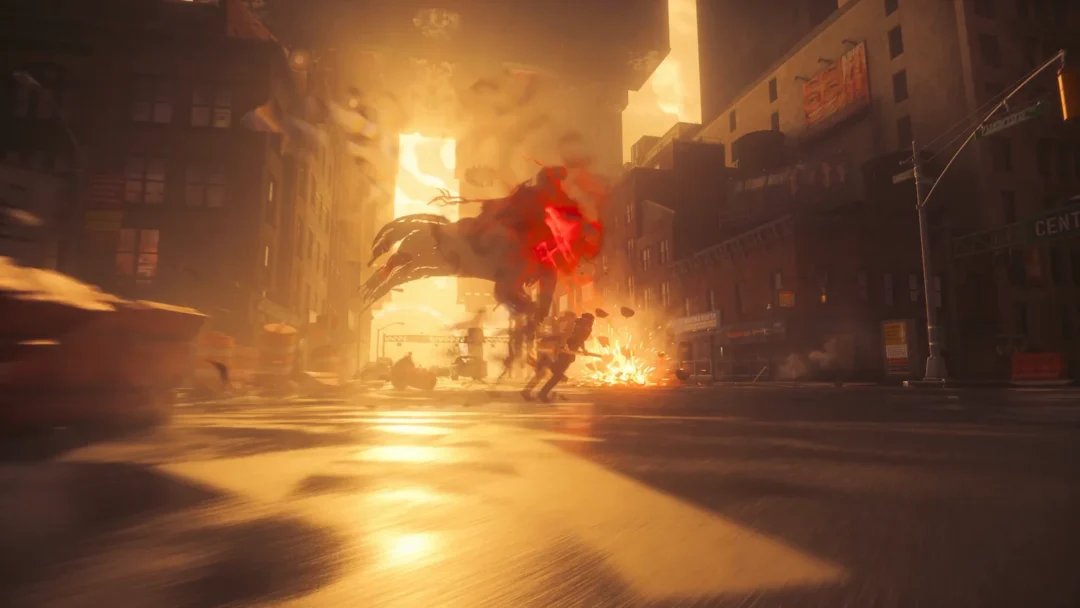
The Gorgon’s mimic is the trap to watch. It creates an explosive clone the player controls while the real body stays stationary, so committing damage to the wrong target wastes the dome. Its acid spit leaves persistent damage-over-time pools, and its web-and-wall-cling kit lets it reposition fast and land high-damage pounces. Those tools are exactly how a Gorgon can eliminate an entire team across two domes and a field ambush.
How a hunt is won or lost
The Hunters win by draining the monster’s health to zero. When the beast collapses, the “HUNTERS WIN! HUNTERS KILLED THE MONSTER” banner confirms the kill, as it does when a Stage 3 Behemoth finally goes down at the power relay. That relay carries its own objective timer, so a monster that survives long enough can flip the match into an objective race.
The monster wins after eliminating all four Hunters. A teammate can revive a downed player, or the player can respawn from the dropship. If the whole team is wiped and no revives remain, the screen declares “MONSTER WINS!” and says the Hunters were killed by the monster. For a Trapper, this usually results from placing domes poorly, letting the monster feed freely between traps, or slowing a mimic instead of the real body. Set the dome in a tight space, deny the monster access to wildlife, and turn slows into damage; the biggest monsters will fall before reaching their final form.