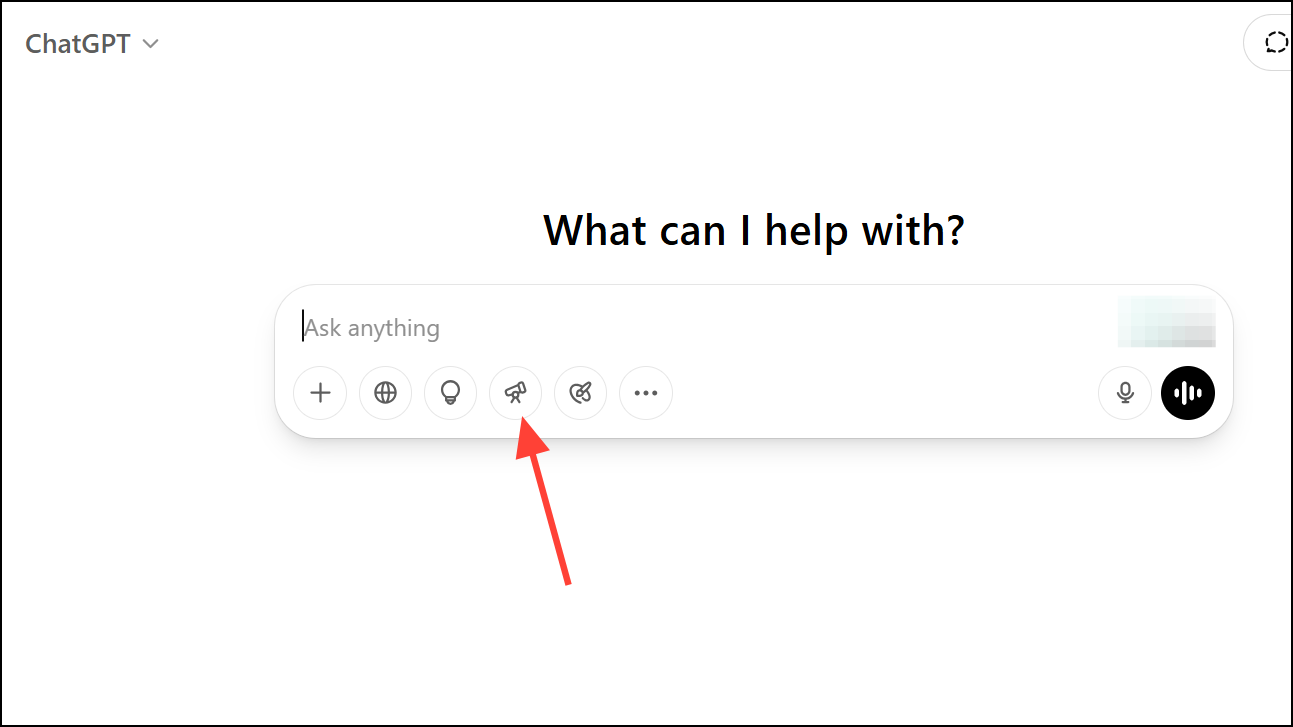
ChatGPT now offers a deep research tool to all users, allowing anyone to generate sourced, multi-step research reports that were previously reserved for paid subscribers. This update streamlines the process of tackling complex questions, such as literature reviews or market analysis, by automating research, citation gathering, and report generation. Free access comes with a few constraints, but the tool delivers practical benefits for students, professionals, and anyone needing reliable information quickly.
Using ChatGPT’s Deep Research for Free
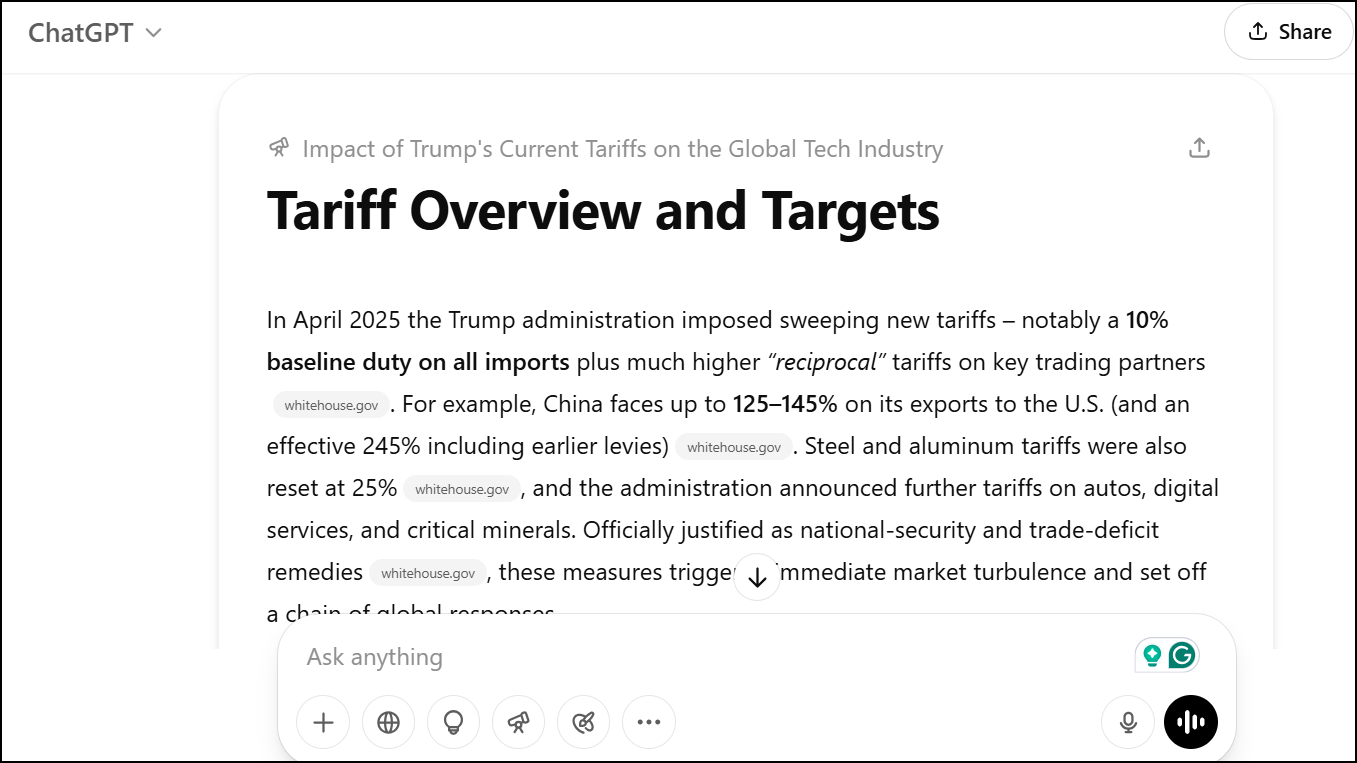
Free ChatGPT accounts now include access to a lightweight version of the Deep Research tool. This feature is powered by the o4-mini model, which is designed to deliver concise but well-sourced reports on a variety of topics. Reports are typically shorter than those produced by the full version, but they maintain a strong focus on accuracy and citation. Free users receive five Deep Research queries per month, with limits resetting every 30 days from the first use.
I don't know, do your best.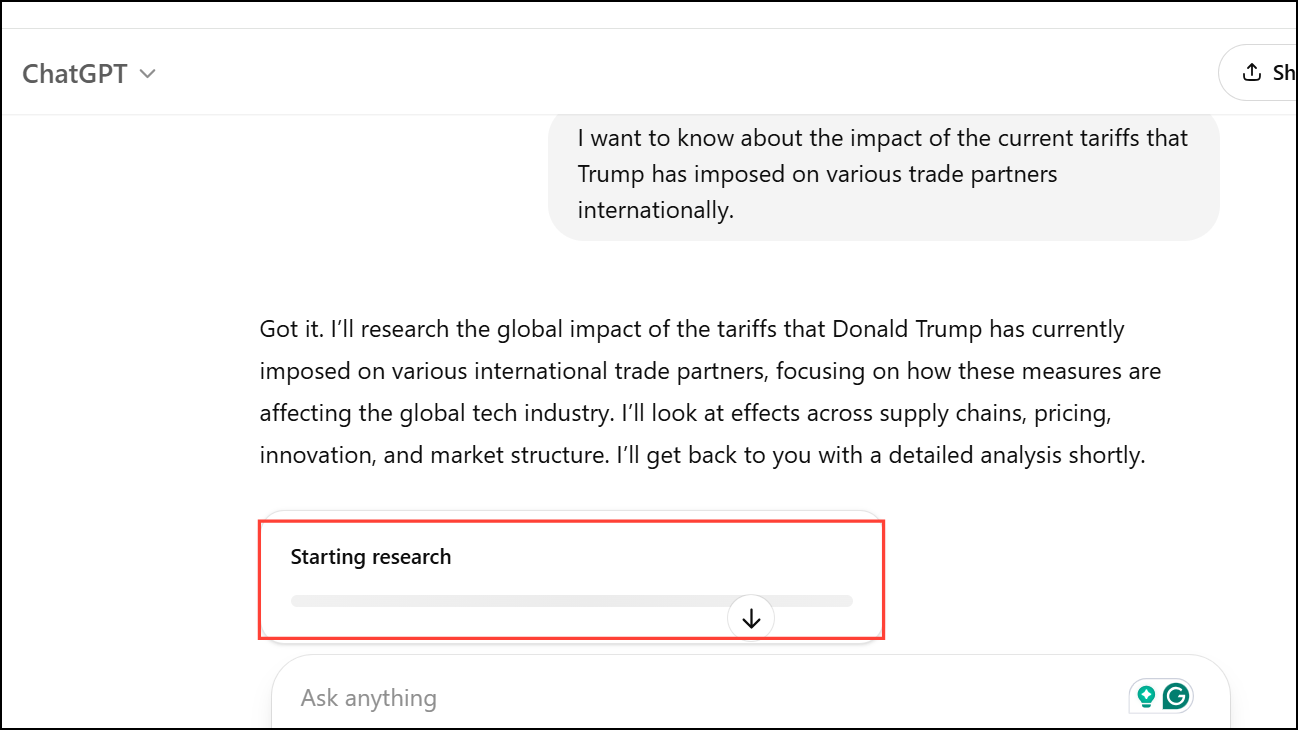
Understanding Usage Limits and Plan Differences
ChatGPT’s Deep Research feature operates under a tiered usage system:
- Free users: 5 lightweight Deep Research queries per month.
- Plus and Team users: 10 full Deep Research queries and 15 lightweight queries per month.
- Pro users: 125 full Deep Research queries and 125 lightweight queries per month.
- Enterprise and Edu users: Access rolling out, with limits similar to Team accounts.
After reaching the limit for full Deep Research queries, paid users automatically switch to the lightweight version for additional queries. All limits reset every 30 days, starting from the date of the first Deep Research use.
Comparing Deep Research to Other AI Research Tools
ChatGPT’s Deep Research tool competes directly with similar offerings from Google Gemini and Perplexity AI. While Gemini and Perplexity provide daily or higher monthly limits for free users, ChatGPT stands out for its direct citation of sources within the report and concise, actionable summaries. The lightweight version is nearly as accurate as the full version, with accuracy rates reported around 45.7% compared to 51.5% for the standard model in agentic browsing benchmarks.
Reports generated by Deep Research are optimized for clarity and practical use. For example, users have successfully used the tool for tasks such as compiling beginner’s guides, analyzing market sentiment, or finding specific product part numbers. While the tool streamlines research and reduces manual searching, users should always verify cited sources to guard against occasional AI-generated errors or “hallucinations.”
Tips for Effective Use and Limitations
To maximize the value of your Deep Research queries:
- Reserve queries for complex or high-value research needs, as free users are limited to five per month.
- Provide detailed prompts and supporting materials for more targeted results.
- Review source links in each report to confirm accuracy and relevance.
- Be aware that reports cannot be exported directly as PDFs or editable documents.
- Consider using ChatGPT’s full Deep Research version if you require longer, more comprehensive reports and have a paid subscription.
While the lightweight Deep Research tool is not as exhaustive as the full version, it offers a significant upgrade over standard AI chatbot responses by producing multi-step, sourced reports in a fraction of the time manual research would require.
ChatGPT’s Deep Research tool now brings reliable, sourced research within reach of anyone—use your monthly queries wisely to streamline your next big project or decision.