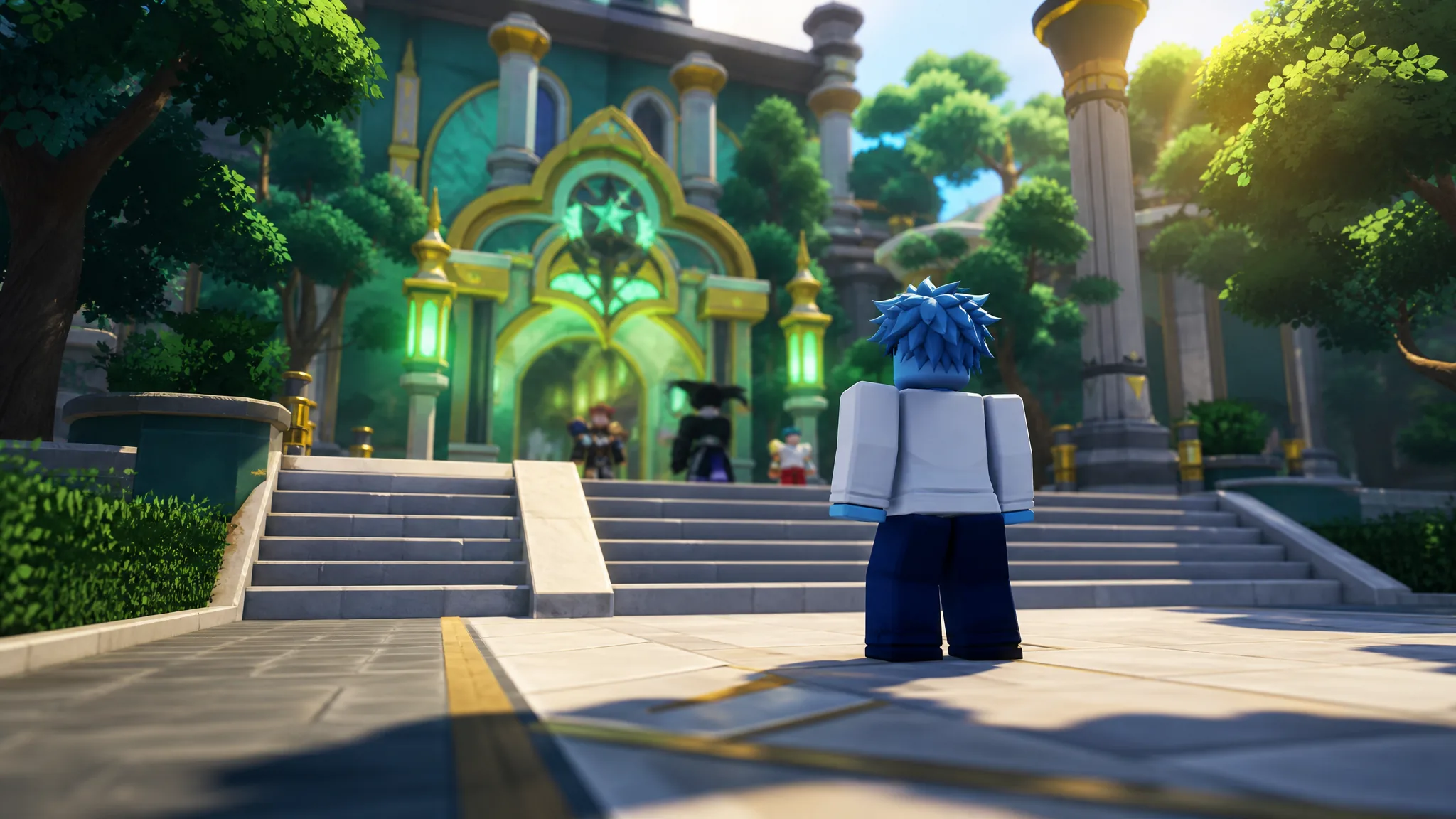
Anime Expeditions opens with six game modes, several currencies, banners, traits, and equipment all visible at once, which makes it easy to spread resources thin and stall out. The fastest way to build a working roster is to follow a fixed order instead of chasing every system on day one.
Quick answer: Redeem every active code, finish the first two chapters of the Beginner’s Path for Beginner Tickets, spend those tickets on the Beginner’s Banner for guaranteed higher-tier units, then clear Story Mode on Normal before Hard to collect both first-clear reward sets. Hold all Trait Rerolls for a Secret or evolved Mythic you plan to keep.
Start with codes and the Beginner’s Path
Before you touch anything else, redeem the active codes. They hand out Gems, Trait Crystals, Stat Locks, Stat Rerolls, and Equipment rewards that would otherwise take hours to farm. You can redeem from the three-dot menu in the top-left corner, or by talking to the Razorjaw NPC near spawn and choosing Redeem Codes.
Working strings at launch include RELEASE, WeekendSurge, 200KCCU, 100K!, sorryforguilds, and EXPEDITIONS (which requires the Expeditions mode to be unlocked). Codes retire without warning, so claim them while they are live. You can play and redeem inside the official Roblox experience.
Your next destination is the Beginner’s Path in the Events tab. True Saint Holy points you there first for a reason: every stage you clear teaches a core mechanic through its objectives and pays out Beginner Tickets for the Beginner’s Banner.
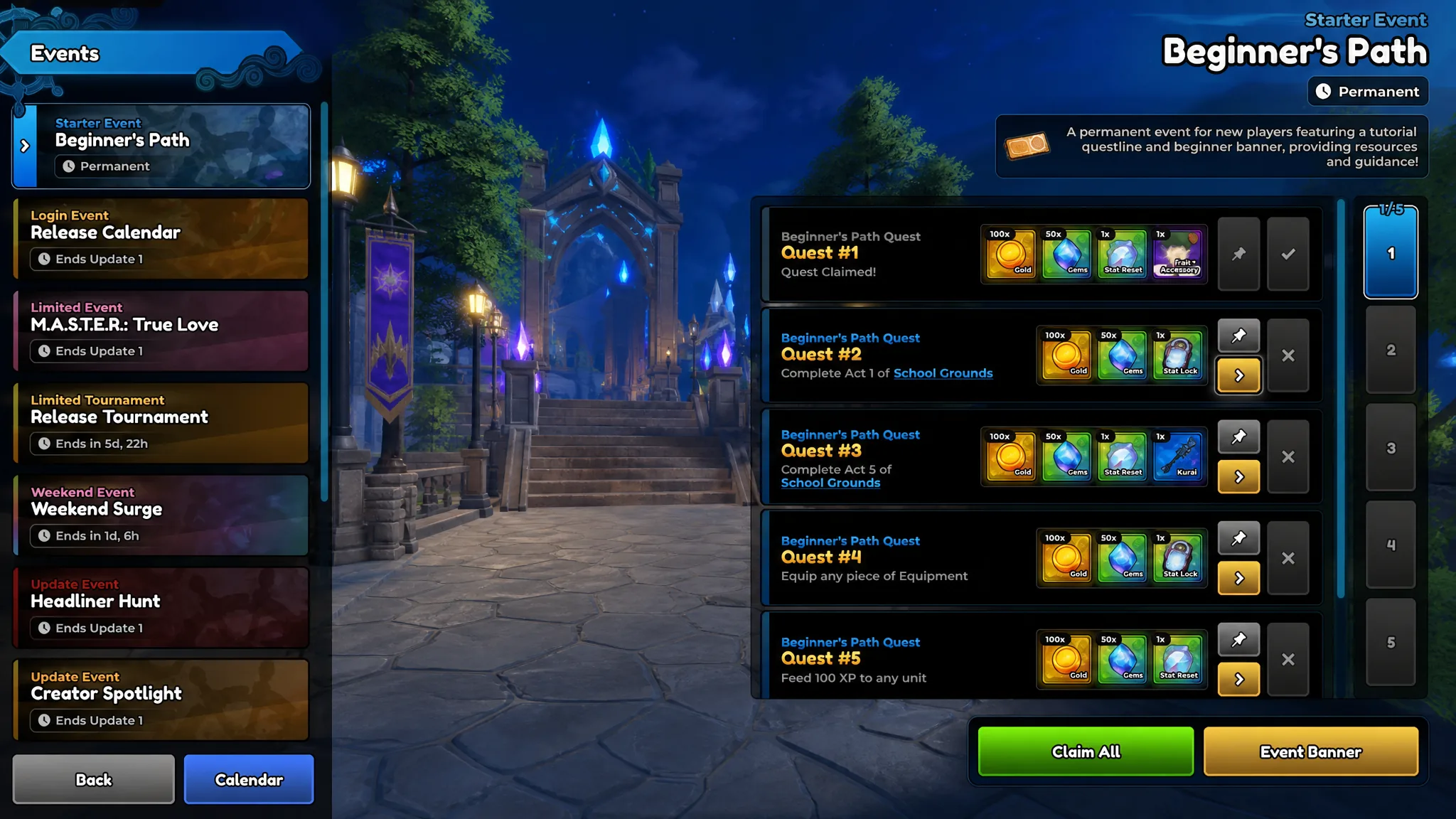
Focus on the first two chapters. Those opening sections give the best early freebies, including Gold, Gems, Stat Rerolls, Grey Sprites, and starter equipment. Later chapters drop off in value, so there is no need to grind them before Story Mode. Along the way you also collect trials, a free mount, and accessory materials that matter later for evolution.
Which banner to pull as a beginner
The Beginner’s Banner is your highest priority the moment you have Beginner Tickets. It guarantees higher-tier units at far lower pity values than any other banner, so it delivers the best unit-for-resource return a new account will ever see. A mythic is guaranteed within five multis.
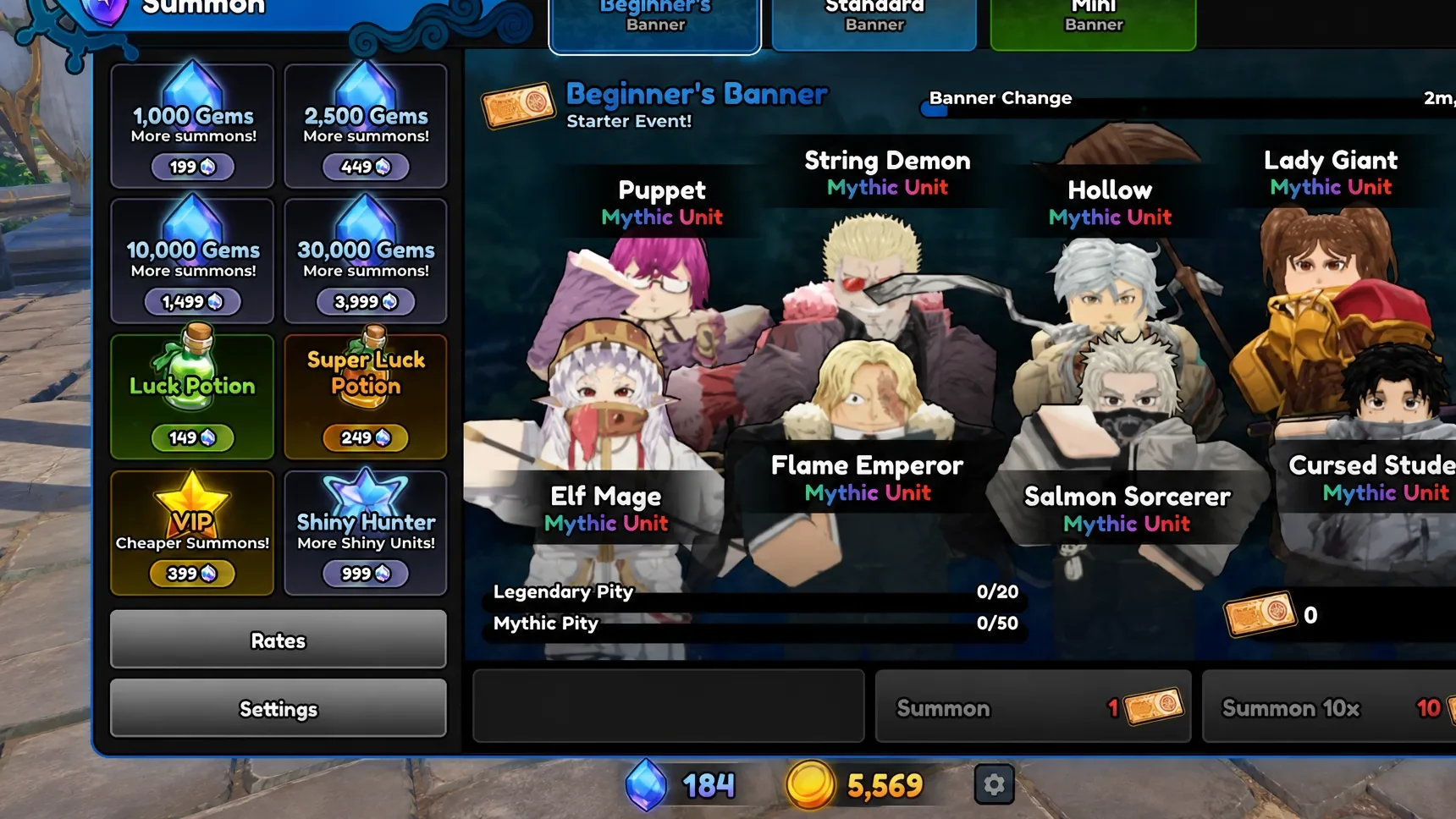
Once your tickets run out, the decision is between the Standard and Mini Banners. Pick the Standard Banner first. It includes Secret units alongside multiple Mythics, which is exactly what you need to fill out a balanced early team. The Mini Banner refreshes more often but removes the Secret unit chance entirely, so save it for when you are hunting one specific featured character.
Don’t spend Gems the second you earn them. Bank them for Mythic and Secret banners rather than scattering pulls across everything on offer.
Best units to target early
The priority order for a new roster is Secrets first, DPS Mythics second, and supports last. Secrets are noticeably stronger than Mythics, so your saved rerolls belong on them or on an evolved Mythic you intend to keep long-term.
| Unit | Role and value |
|---|---|
| Cursed Student | Best overall DPS Mythic; bleed and shield breaking keep it relevant well past the early game |
| Gowther (Puppet) | High damage with support utility; can summon and rewind enemies in range |
| Elf Mage / Lady Giant | Cheap-to-evolve early carries with area damage; fall off in the late game |
| Salmon Sorcerer | Deals no damage but is a near-mandatory late support for Challenges and Raids |
| String Demon | Usable support, though outclassed by other picks in the same slot |
If none of those appear, damage-over-time units such as Holo make a solid backup, and low-rarity supports like Ice Mage and Rukia often outperform higher-tier options. Keep Stone Alchemist (Epic) and Ramen Guy (Legendary) no matter what else you pull; those two are your permanent farming units for the whole game.
Duplicate Mythics are worth more Ascended than sold. Feed duplicates and Sprites into the unit to raise its damage and range instead of taking the Gold.
Story Mode is your main progression track
Story Mode grows your account faster than anything else in the opening hours, and you should complete it before committing to Raids, Challenges, or Expeditions. Every stage carries separate first-clear rewards for Normal and Hard difficulty, so you effectively claim each stage twice.
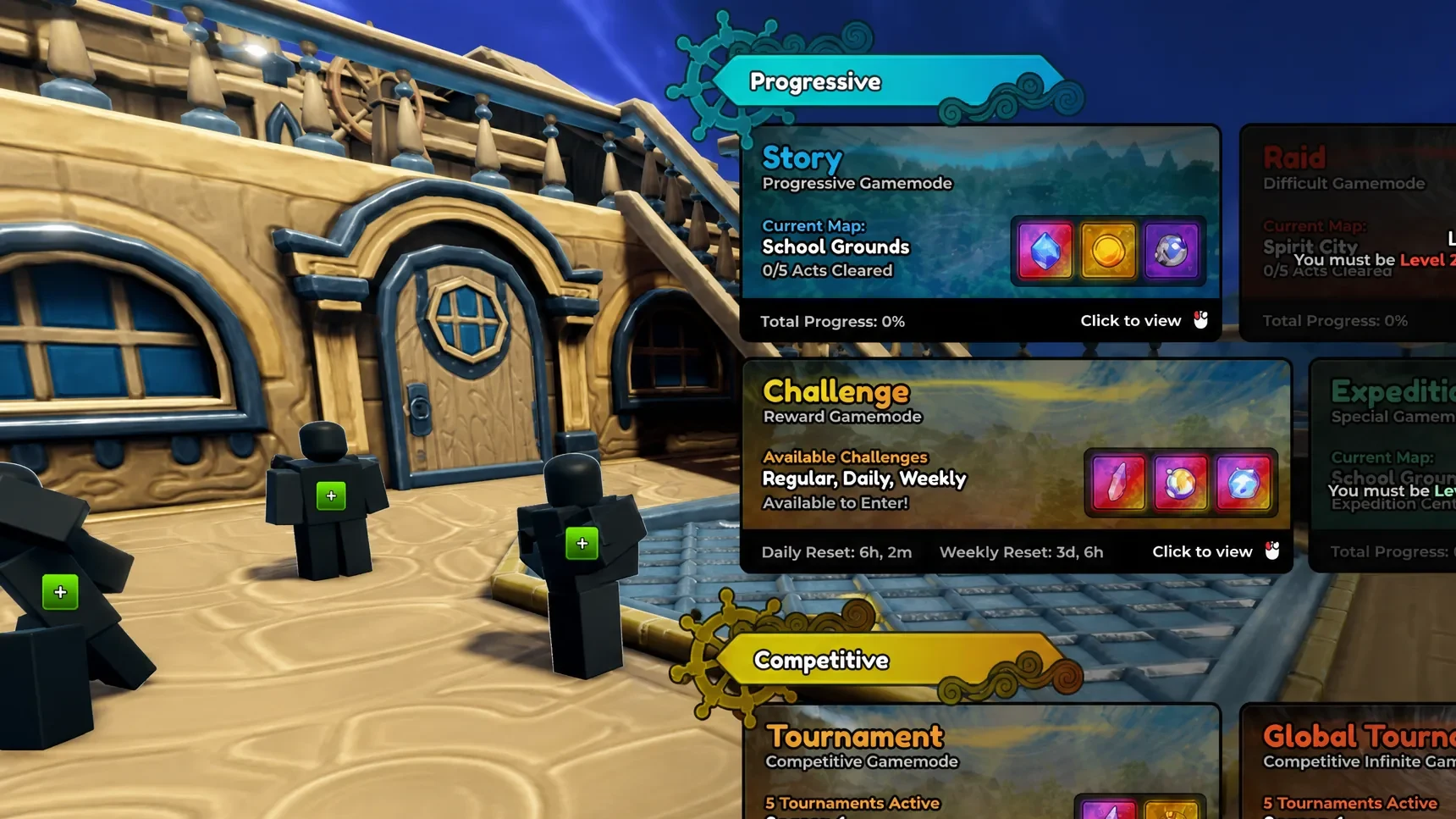
Clear everything on Normal, then return for Hard. Three-star clears on both versions of a stage reward 3 Trait Crystals each, so pushing for full stars pays off directly. Many star missions also demand specific team setups, like fielding two magical units or applying debuffs to a set number of enemies, so learn your roster tabs early.
While you farm Story stages, check back on Regular Challenge #1 every 30 minutes. Its payout is roughly 1,000 Gems, one of the highest returns from any repeatable activity, and it should never be skipped when the reset is up.
All six game modes and what they reward
The six modes split into progressive content and competitive content. Two of them sit behind player level gates you reach naturally through Story Mode.
| Mode | Level | Best for |
|---|---|---|
| Story | None | Gems, Trait Crystals, evolution materials, map unlocks |
| Challenge | None | Evolution materials (farm daily) |
| Expedition | Level 20 | Passive Gold, resources, endgame drops |
| Raid | Level 25 | Endgame drops and Raid Shop rerolls |
| Tournament | None | Competitive; traits are disabled so skill decides ranking |
| Global Tournament | None | Competitive ladder play |
Don’t rush Raids or Expeditions before evolving your core team. Raids in particular become nearly impossible without evolved units. Tournaments are worth noting because traits are turned off during matches, which levels the field and rewards actual play over the biggest spender.
How unit building works
Four systems shape a unit’s strength, and understanding what each one does keeps you from wasting rerolls.
Stats
Base stats are slightly randomized when you first get a unit, so no pull is guaranteed an ideal stat line. Stat Rerolls re-randomize those values, and Stat Locks hold specific stats you want to keep while you reroll the rest.
Traits
Traits are passive abilities applied through Trait Rerolls, assigned at random and sorted by rarity. The strongest ones, Unbound, Primordial, Forsaken, and Draconic, have very low drop rates but sharply change how a unit performs. A pity system guarantees a rare trait after a set number of rerolls, so hold your rerolls for a unit you will actually keep. Spending them on temporary starters you replace within hours is the single most common beginner mistake.
Equipment
Equipment adds stat improvements and passive effects, and it matters more than most new players expect. It comes in general pieces any evolved unit can wear and unit-specific exclusives locked to one unit’s evolved form. General endgame gear drops mostly from Expeditions and can be forged at the Armory once it unlocks. Sub-stats on gear can be rerolled through Expedition mode for another layer of tuning.
Evolution
Evolution is the single largest power spike a unit can get, unlocking stronger abilities, higher stats, and a dedicated equipment slot. It requires colored Sprites, which are crafted mainly from Grey Sprites, Gold, and special trial items. Farm Grey Sprites at King’s Tomb Mastery alongside your Gem farming, then craft whichever colors your carry needs. Because Challenge materials only refresh in limited amounts every 30 minutes, start crafting early rather than waiting until you are stuck.
Expedition Mode and the endgame loop
Expedition Mode unlocks at Player Level 20 and becomes the backbone of late-game passive resource generation. The Expedition Room holds several structures you upgrade over time.
| Structure | Function |
|---|---|
| Gold Mine | Generates passive Gold when fueled |
| Resource Drill | Produces Geodess containers with rerolls, gems, and materials |
| Training Grounds | Levels up your units |
| Expedition Center | Houses the Expedition skill tree and the Armory for crafting endgame gear |
| Expedition Shop | Weekly reroll and resource purchases |
Expeditions itself is a payload-style mode. Stage difficulty decides which materials you earn, mainly Dirt for upgrading structures and Timber for crafting, and you can adjust your route between stages to target whichever resource you need. The mode is infinite and scales up steadily, so it doubles as your long-term push target. Leveling its structures, farming its quests, and forging gear at the Armory is where the endgame lives.
Stick to the order and the early game stays manageable: codes first, then the Beginner’s Path, then the Beginner’s Banner, then Story on Normal and Hard, then evolutions before you open Raids and Expeditions. Every system here rewards patience and spend discipline far more than blind summoning, and a single evolved carry with the right traits will carry you deeper than another handful of duplicate pulls.