The 1.0 release of Anomaly Company hands a four-person crew two environments to memorize and then second-guess. Asylum and Hotel both run on the same rule set as the rest of the game, but each holds its own pool of anomalies and its own layout to commit to memory before the timer on your judgement starts.
Quick answer: Clear a map by making ten correct calls in a row at the terminal. Purge the timeline when something has changed in the environment, and confirm stable when nothing has.
The ten-identification loop on Asylum and Hotel
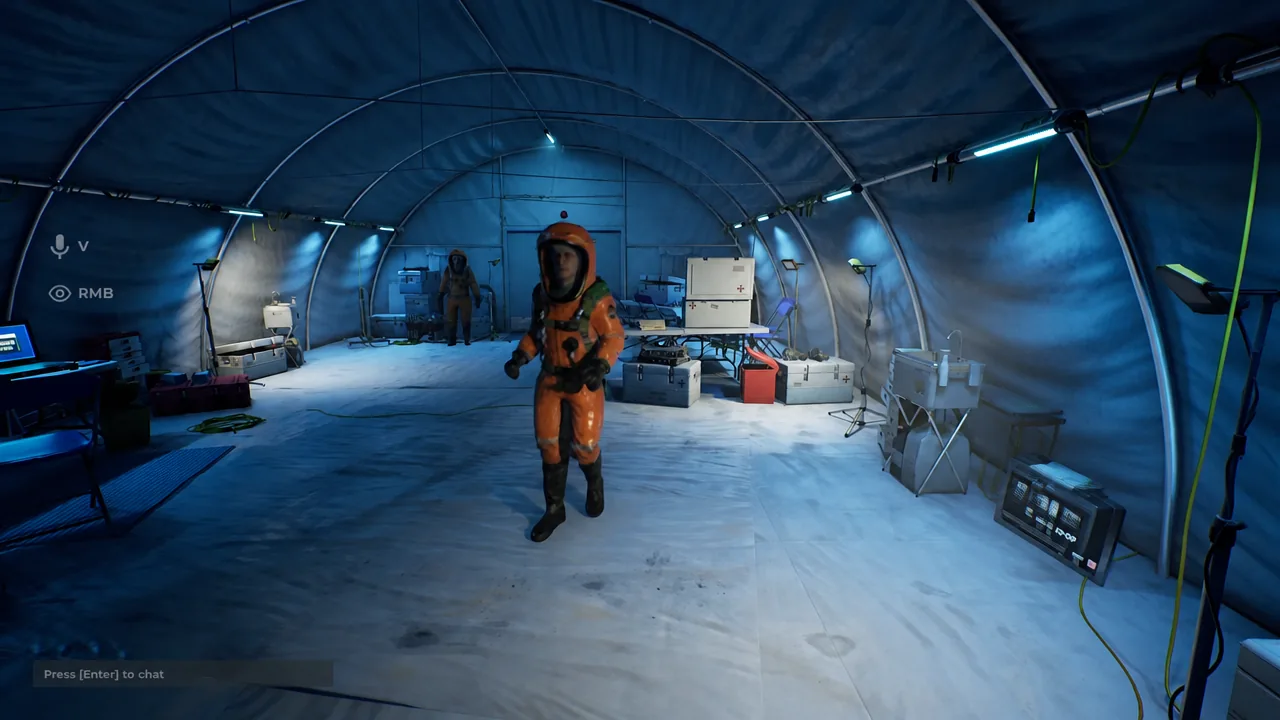
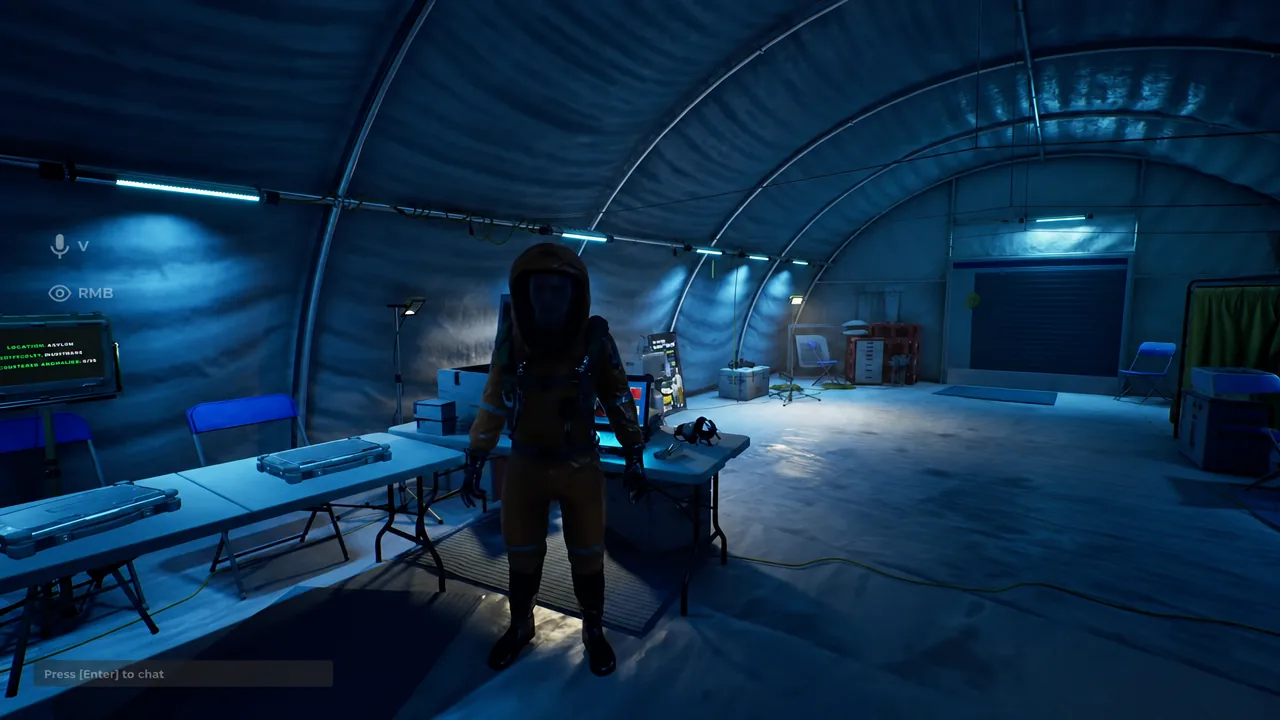
Every run begins in the lobby tent, where one player picks the map on the laptop. The crew then rides an elevator down and gets a short briefing on the way in. Once the round starts, the on-screen counter reads 00/10 IDENTIFICATIONS and ticks down through “9 IDENTIFICATIONS LEFT” to “0 IDENTIFICATIONS LEFT” as you bank correct calls.
Each round gives you one decision at the terminal, and there are only two ways to answer it:
- Something in the area has changed since the baseline sweep — Purge the Timeline.
- Everything matches the layout you memorized — Confirm Stable.
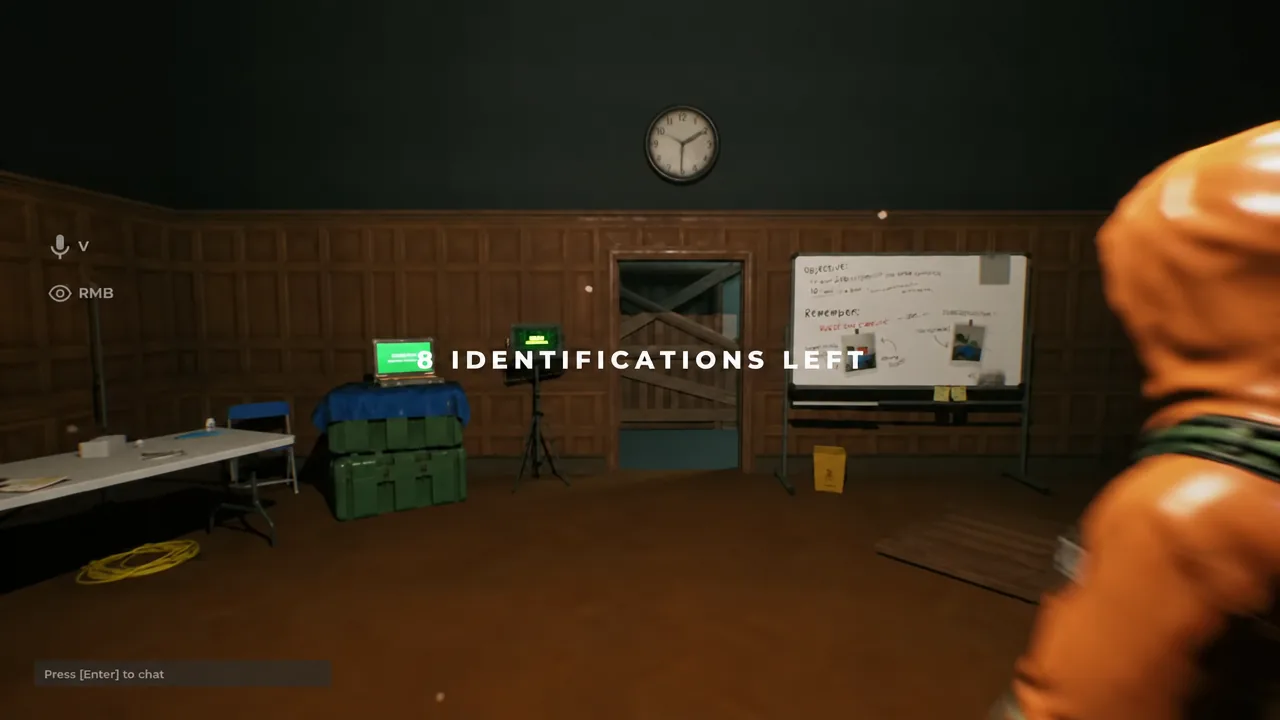
The Steam listing for Anomaly Company puts the stakes plainly: “One bad call—and you’re forced to start over.” Misreads are counted separately in the end-of-run summary as wrong identifications, so a finished map can still show a handful of them in its stats.
Memorize the default layout before the first round
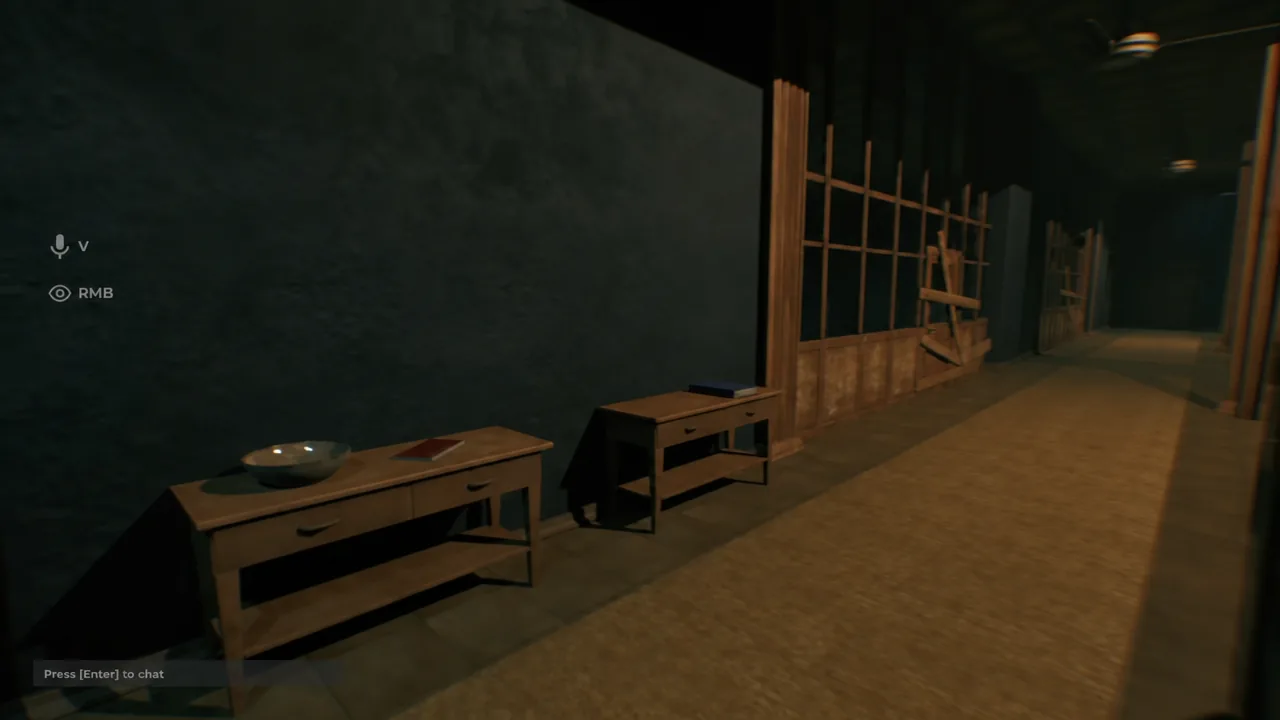
Before the counter appears, the crew gets an unscored pass through the map. This is the only chance to fix the baseline in your head, and on both new maps it is the part that decides the run. Walk every room, note where furniture sits, which doors are open, what the signage says, and where mannequins and props are placed.
Splitting the map between players is the practical approach, because each person only has to hold a few rooms in memory rather than the whole floor. Calls still get made as a group, so keep the crew in voice or use the in-game text chat, which opens with the Enter key.
What counts as an anomaly
Changes are environmental rather than scripted jump scares, and they range from blatant to almost invisible. The categories you will run into on Asylum and Hotel include:
- Objects that have moved out of place, such as a relocated umbrella.
- Mannequins that appear where there were none, including peeking around a doorway or standing in a bathroom stall.
- Text on signs and notes that has been rewritten.
- Items that have vanished entirely from a room.
You can lean on the right-click inspect prompt to look closely at anything that feels off before committing to a call at the terminal.
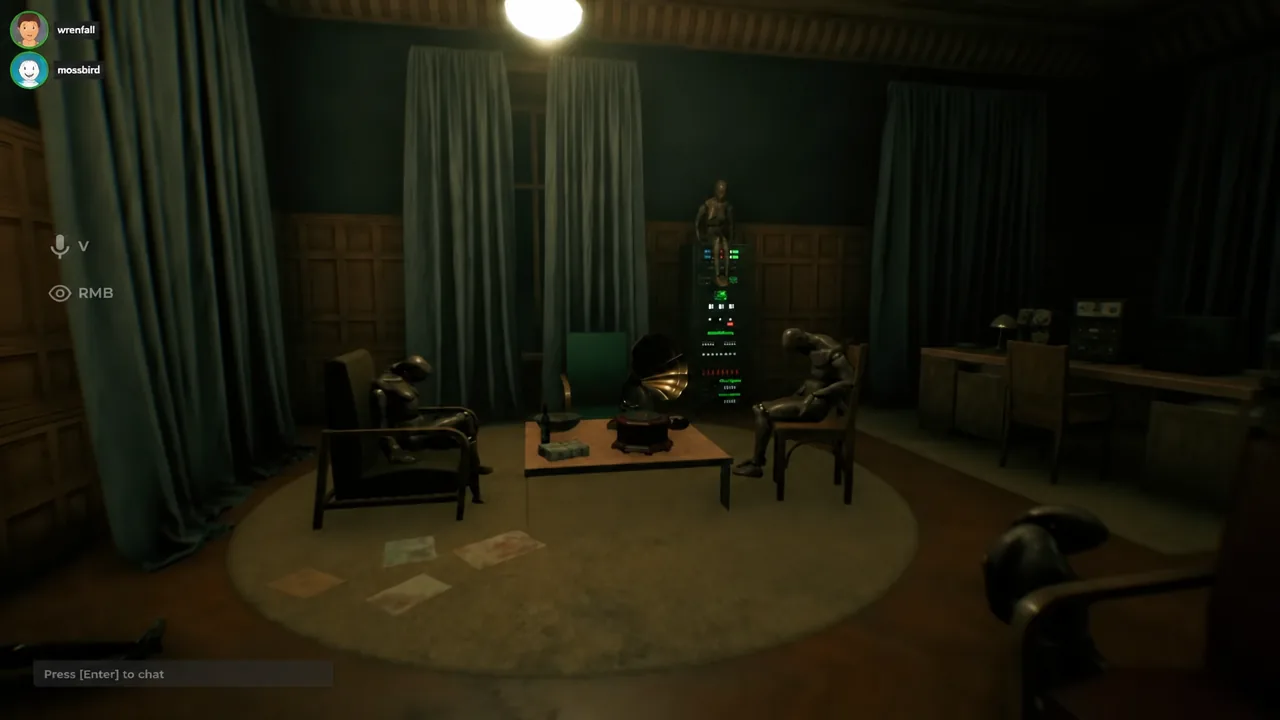
A round with nothing wrong in it is a real outcome, not a trap. Rounds regularly pass with no change at all, and forcing a purge because you expect one is how clean runs fall apart.
Asylum and Hotel anomaly counts and run stats
Both maps require the same ten clean identifications, but the pools they draw from are very different sizes. The completion screen tracks how many of each map’s anomalies you have personally logged.
| Stat | Asylum | Hotel |
|---|---|---|
| Total anomaly pool | 35 | 57 |
| Anomalies purged | 10 | 10 |
| Anomalies witnessed | 15 | 14 |
| Timelines shifted | 26 | 22 |
Those purged, witnessed and shifted figures come from single completed runs, so they move from session to session. The pool sizes do not. Hotel holding 57 anomalies against Asylum’s 35 means repeat runs there take considerably longer to exhaust, and unfamiliar changes keep surfacing well after the map layout stops being a challenge.
Hotel map layout, threats, and performance settings
Hotel is built around a corridor lined with guest rooms, and the rooms carry their own narrative details — notes from room service, evidence boards, and a recurring doll motif among them. Checking those details matters, because written text is one of the things that can quietly change between rounds.
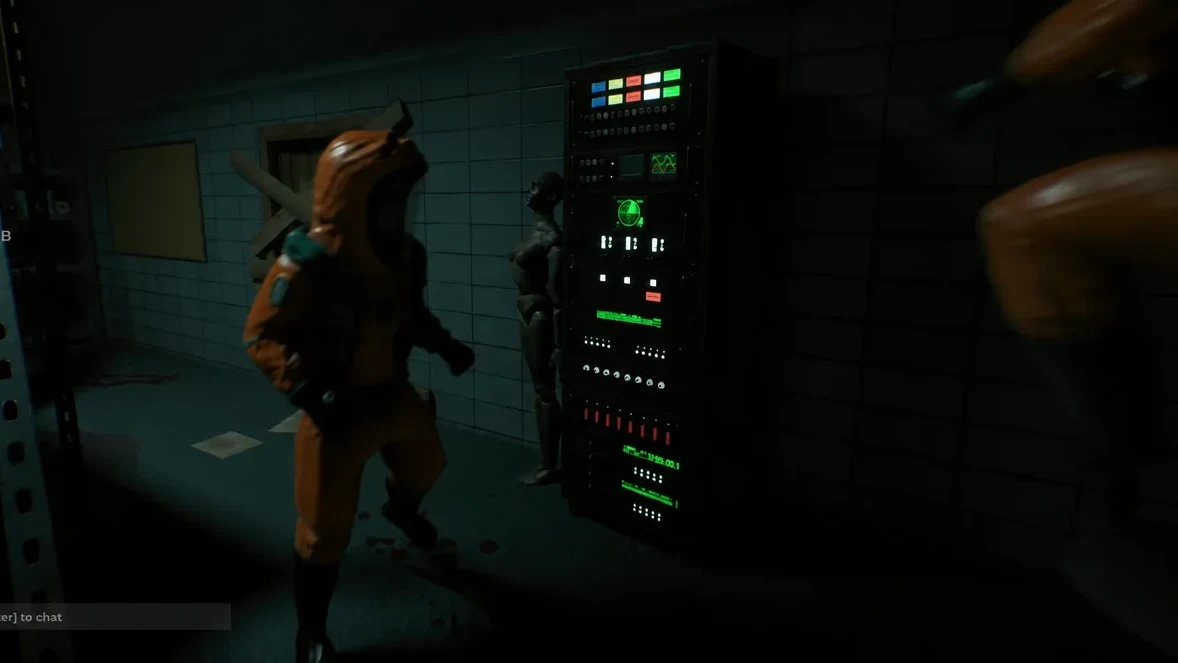
Not every anomaly on Hotel is passive. The map’s guests are explicitly flagged as potentially hostile, so treat an unfamiliar figure in a room as a threat rather than something to inspect at leisure.
Hotel is also the heavier of the two environments to render. If frame rates dip, the developer’s own recommendation is to drop to Medium settings, and to lower your resolution and run in fullscreen mode if that is not enough.
How to confirm a map is completed
Once the counter hits zero identifications left, the screen switches to MISSION COMPLETED with the run’s tally of wrong identifications, anomalies purged, anomalies witnessed, timelines shifted, and your running discovery count for that map.
After that summary comes the standard memory wipe. Players stand in front of a camera and take a flash before returning to the lobby tent, which is where the next map gets picked. The wipe is the visual confirmation that the run closed out cleanly rather than resetting.
The game carries a photosensitivity warning, and that camera flash is one of the reasons for it.
Both maps come down to the same discipline. Spend the baseline sweep building an honest mental picture, divide the rooms so nobody is trying to hold the whole floor, and resist the urge to call a purge on a hunch. Ten correct reads in a row is the whole job, and on Hotel especially, the map has plenty left to show you long after your first clear.