

Respawn’s anti-cheat team suspended 258 Apex Predator accounts on consoles for account sharing, publishing the numbers in a Competitive Integrity Update on September 18, 2026. Every flagged account received the same penalty length, and the Ranked points attached to those accounts are being wiped, which pulls them off the leaderboard entirely.
Quick answer: 258 Predator players on PlayStation and Xbox received 60-day suspensions for sharing accounts across multiple devices, and all associated Ranked points are removed.
What counts as account sharing in Apex Legends Ranked
Account sharing means more than one person logging into the same Apex Legends account. On the Predator ladder, that turns into a scheduling advantage. One account can stay in matches around the clock as different players swap in, while a solo player has to sleep. Because the Predator tier is capped at a fixed number of leaderboard slots, a shared account holds a position that a single human never played their way into.
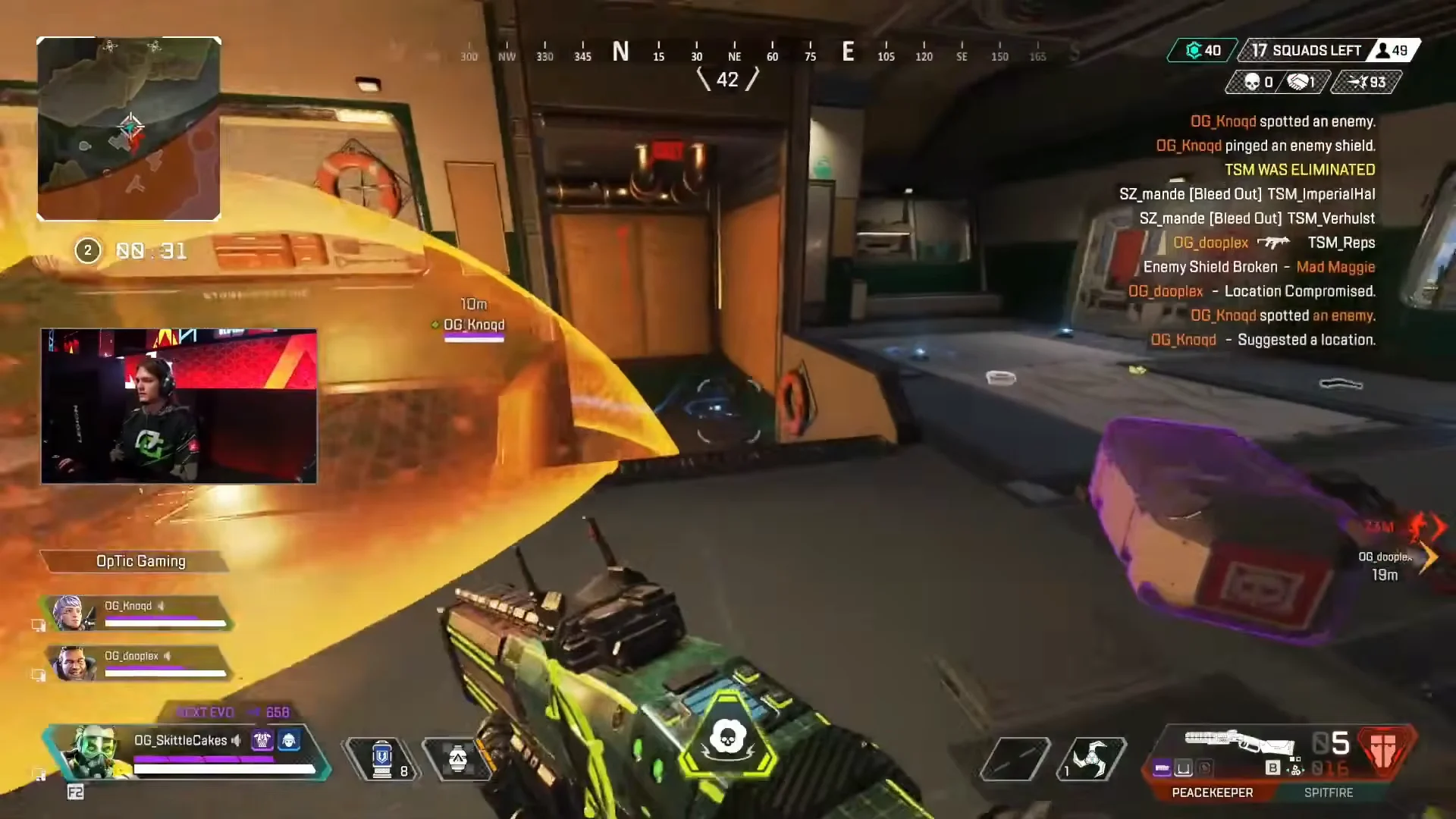
EA’s Terms of Service prohibit the practice, and the anti-cheat team framed the enforcement around leaderboard legitimacy rather than around cheat software. There was no new client build, detection driver, or anti-cheat module tied to this action. It was an account investigation, built on login records and device information.
The Predator leaderboard needs to represent players who legitimately secured their positions, because ranked integrity matters.
The 258 suspensions by platform and sharing type
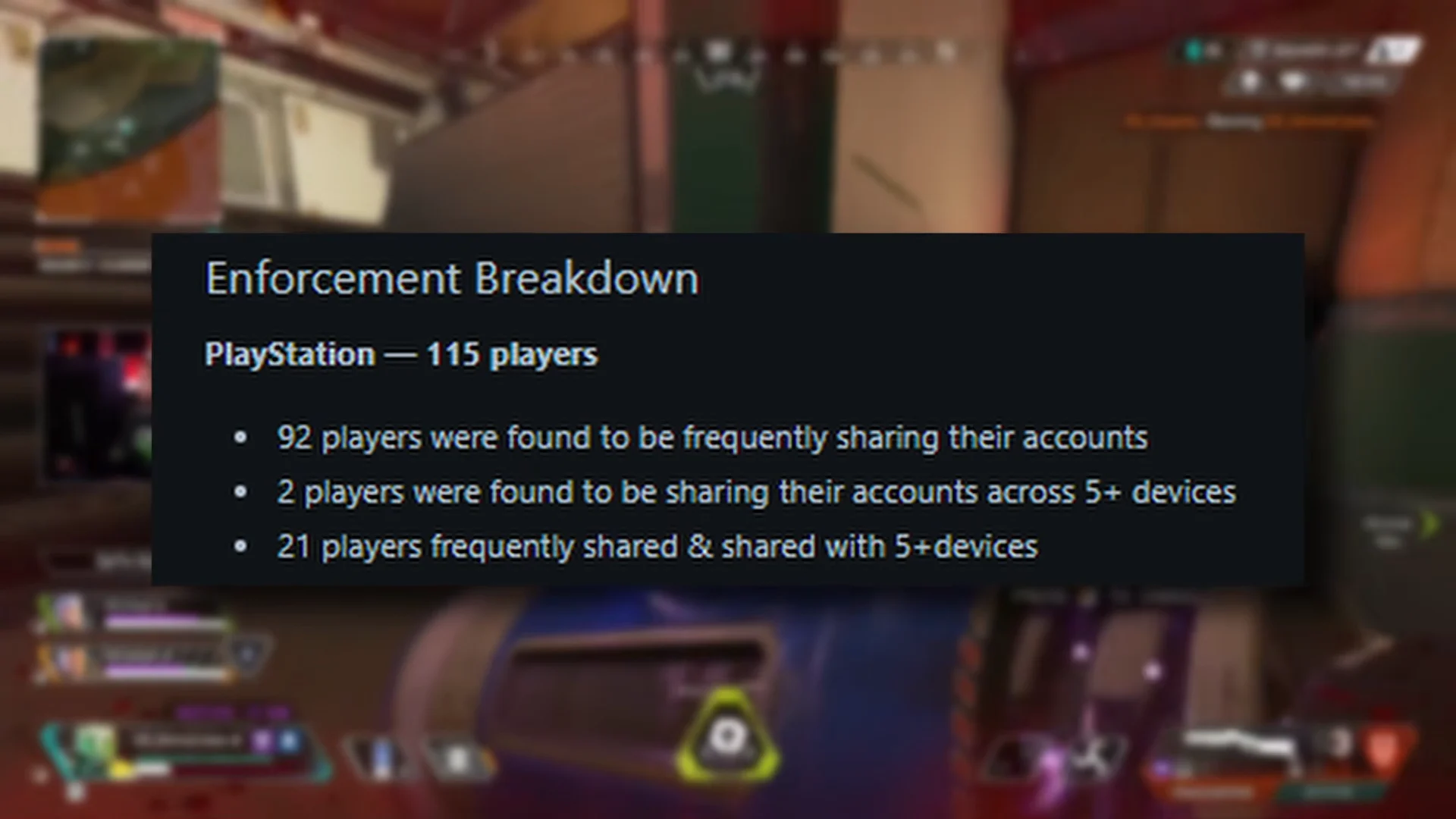
The action was split across two console platforms, and each platform’s total was broken down by the behavior found. Some accounts were shared often without ever appearing on many machines. A small number showed up on five or more distinct devices. A third set did both.
| Platform | Frequent sharing | 5+ devices | Total |
|---|---|---|---|
| PlayStation | 92 (plus 21 both) | 2 (plus 21 both) | 115 |
| Xbox | 124 (plus 17 both) | 2 (plus 17 both) | 143 |
PlayStation accounted for 115 suspensions and Xbox for 143. The “both” column covers accounts that were flagged for frequent sharing and for turning up on five or more devices, which is why those figures are listed alongside each category rather than added to them twice.
This wave covered console accounts only. PC was not part of the same enforcement action.
How the anti-cheat team identified shared accounts
The investigation started with the community. Players reported Predator accounts running Ranked sessions that were unusually long and continuous, longer than one person could plausibly sustain. That prompted the anti-cheat team to pull login activity and device data attached to high-ranked accounts.
Two signals did the work. The first was how many distinct devices touched an account. The second was how often those logins alternated. Together they produced patterns consistent with several people keeping one ladder position alive, rather than a single player occasionally moving between their own hardware.
Because the method is behavioral rather than client-side, nothing about this update changed how the game itself runs or scans a machine. No specific hardware fingerprinting technique was named.
The penalty: 60 days plus full Ranked point removal
Each affected account received a 60-day suspension. On top of the lockout, all associated Ranked points are removed. That second part is the sharper penalty for a Predator account, since the RP total is exactly what keeps a player on the leaderboard. Stripping it empties the slot immediately instead of holding it in place for two months.
The team also said it will keep monitoring Ranked play and act against accounts trying to gain an advantage through sharing or other abuse, so this was framed as ongoing enforcement rather than a single sweep.
Community reaction: 60 days versus permanent bans
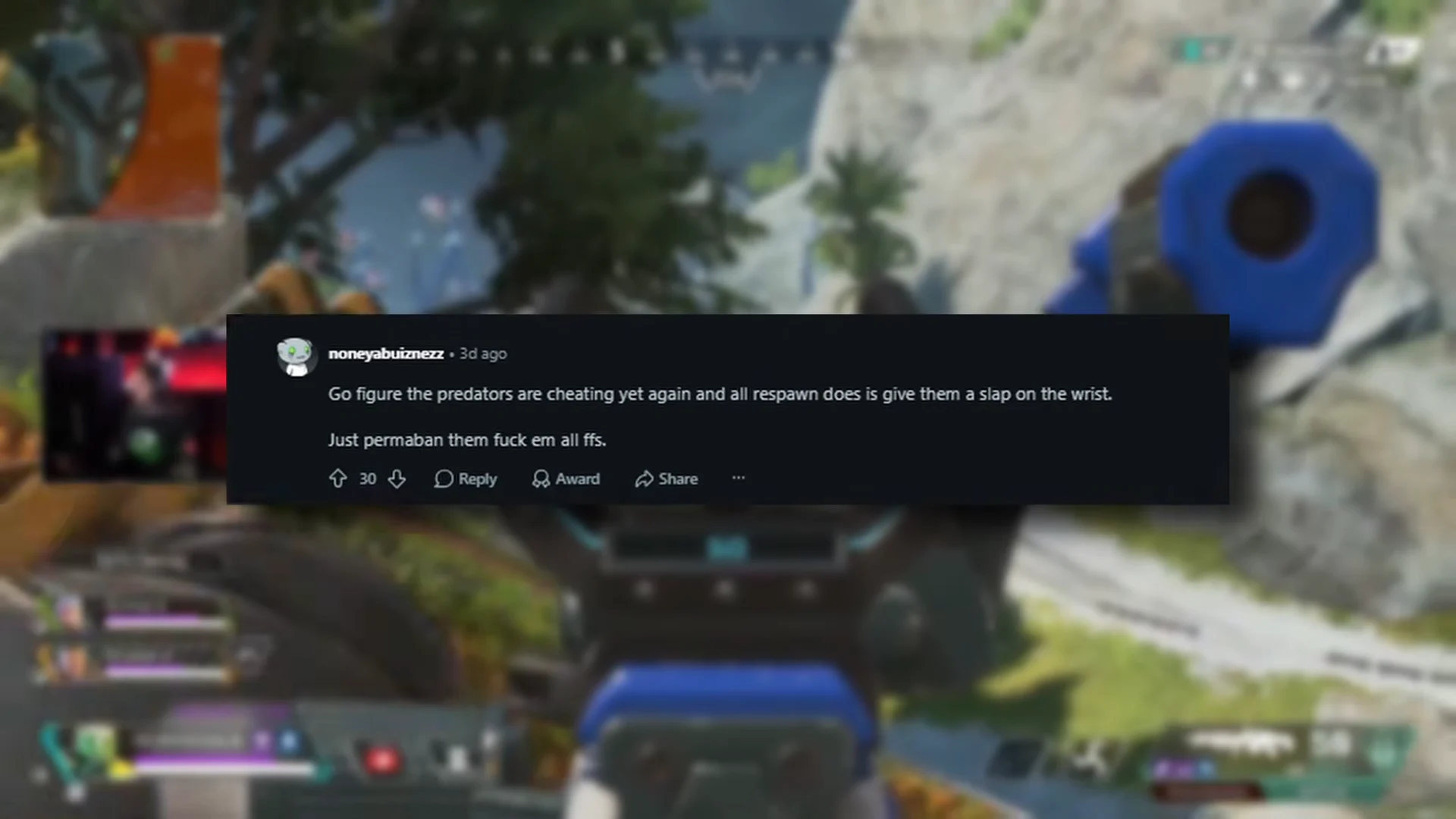
The length of the suspension became the main point of disagreement. One camp argues that a temporary ban is too light for players at the very top of the ladder, who understand the rules and the value of a Predator slot. From that view, knowingly gaming the leaderboard should end the account outright.
The other camp points to how EA’s disciplinary structure is written. Penalties escalate in tiers, starting with warnings and temporary suspensions before reaching permanent bans for repeated or severe violations. A 60-day suspension with full RP removal fits that ladder as a first, serious step rather than a final one.
A practical criticism sits underneath both positions. Nothing stops a suspended player from continuing on a smurf or alternate account during the 60 days, even though EA’s rules expect one account per person. That gap is why some players see the suspension as symbolic and the RP wipe as the part that actually bites.
The Bot Royale false ban claims were reviewed and upheld
The same update handled a separate complaint. Some players claimed recent bans had been issued incorrectly while they were in Bot Royale, suggesting the mode itself was triggering enforcement.
After examining the accounts provided by the community, the anti-cheat team independently checked the related penalties. It determined that every ban in question was legitimate and properly issued. Since no account-specific explanations were provided, the announcement confirms the review’s result without detailing the conduct behind any particular ban.
Bot Royale is not a safe zone. The review found no basis for treating the mode as the cause of those penalties.
Respawn added that it treats credible false-ban reports seriously and will keep examining cases brought to the team.
What this means if you play on more than one device
The behavior being punished is several people using one account, not one person owning several machines. The flags came from combining device counts with login frequency and session length on high-ranked accounts, which is a different pattern from someone moving between their own console and PC.
- Keep your login credentials to yourself, including with friends and teammates.
- Do not hand an account over so someone else can grind Ranked while you are away.
- Stick to one account per person, which is what EA’s rules require.
- Report Predator accounts showing round-the-clock continuous Ranked sessions.
This sits alongside a broader push on console fair play this season, including the earlier move against input-manipulating hardware such as Cronus, XIM and Strike Pack devices, where confirmed use results in a permanent ban. The account sharing wave uses a lighter penalty tier, but it targets the same ladder and the same set of players.
For anyone tracking the Predator board, the visible effect is already there. Positions held by shared accounts have been cleared, and the anti-cheat team has said the same login and device checks remain in place going forward.