

Shivam Malani
-
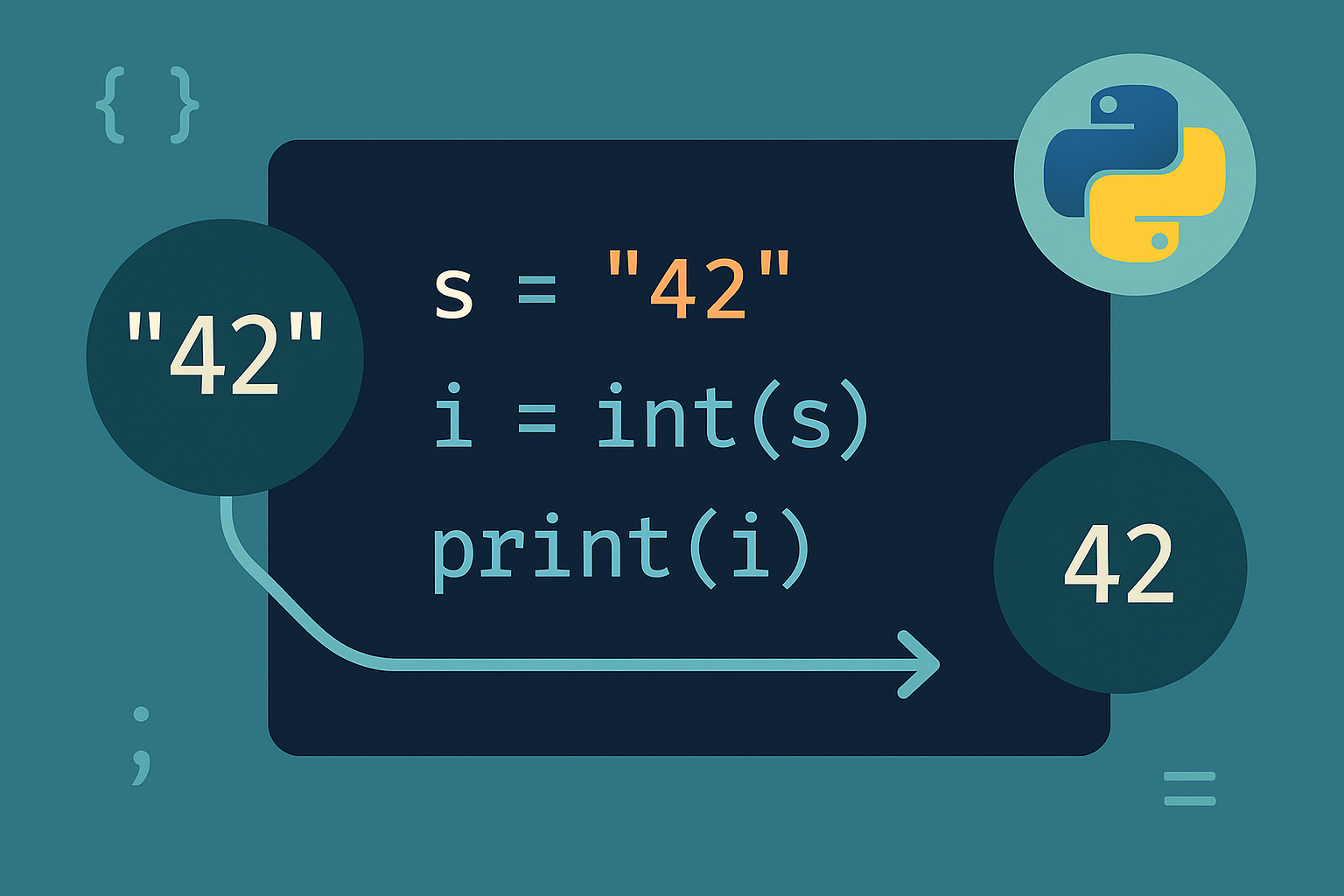
How to Convert String to Int in Python
Use the built-in int() to parse numbers from strings, specify a base when needed, and add validation to avoid crashes.
-
How to Delete a Conda Environment
Use built-in commands to remove named or prefix-based environments and reclaim disk space.
-
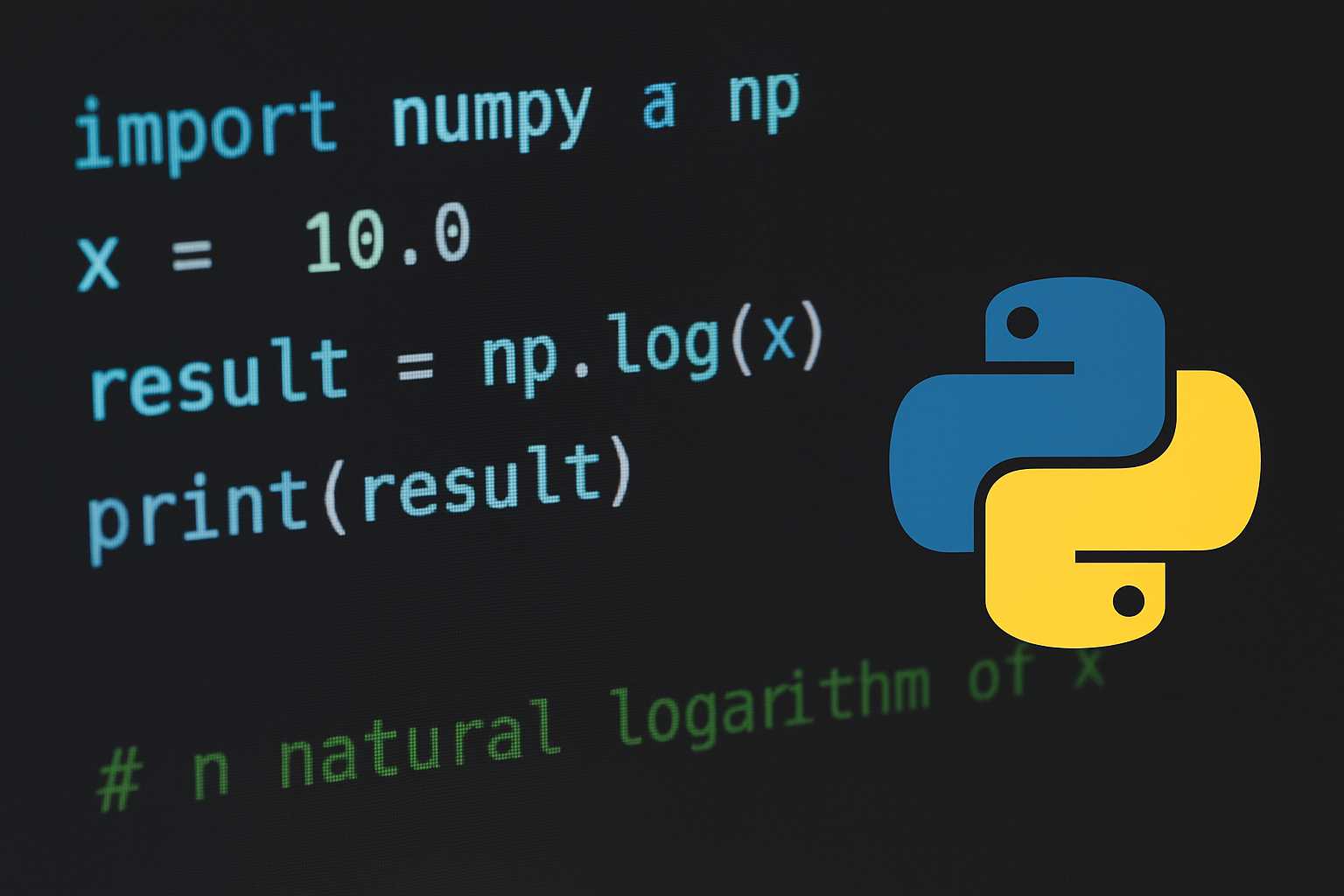
Calculate Natural Log in Python
Use built-in math.log for scalars and NumPy’s np.log for arrays, with safe handling for edge cases.
-
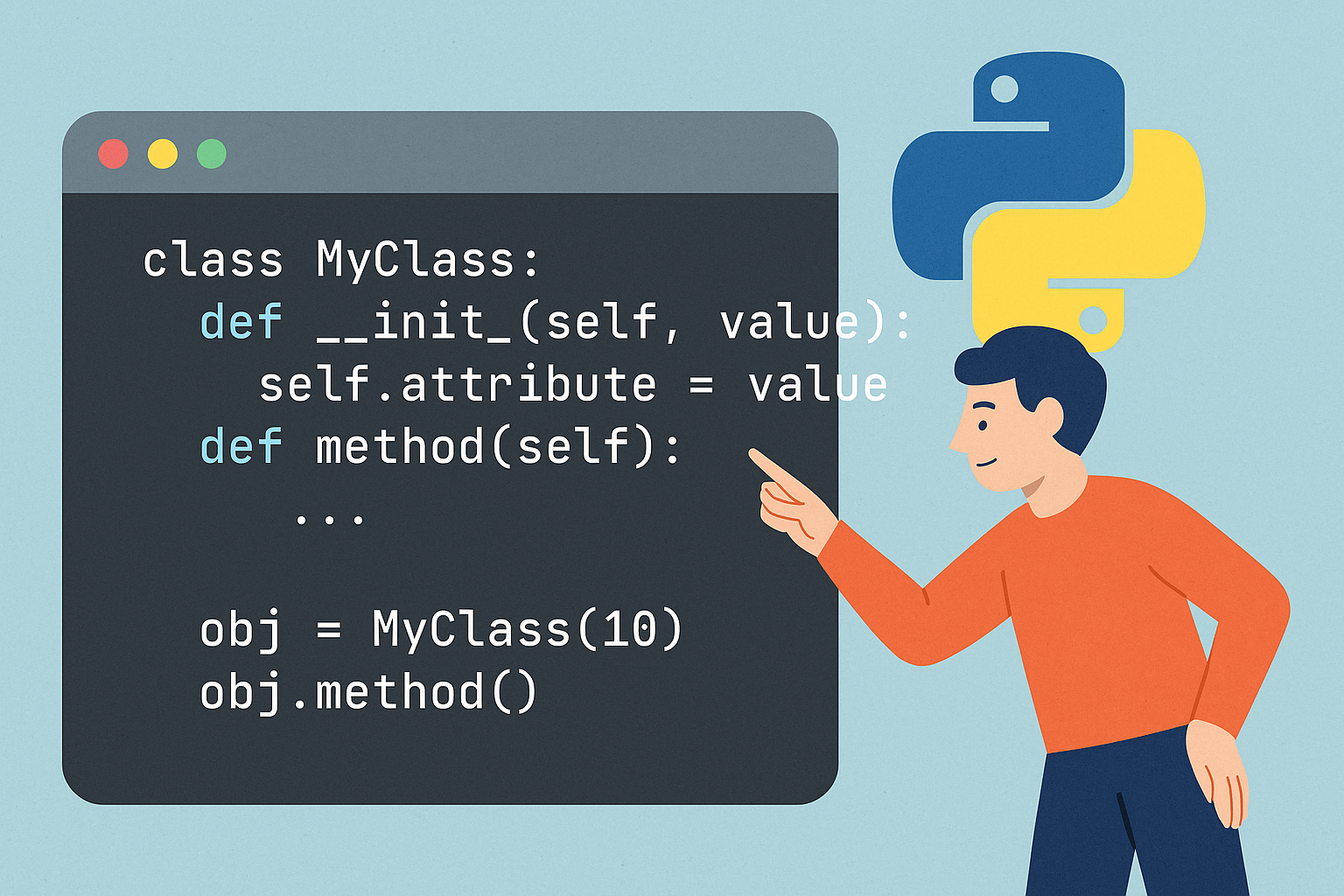
How to Create a Class in Python
Define attributes and behavior with the class keyword, then instantiate and use your objects effectively.
-
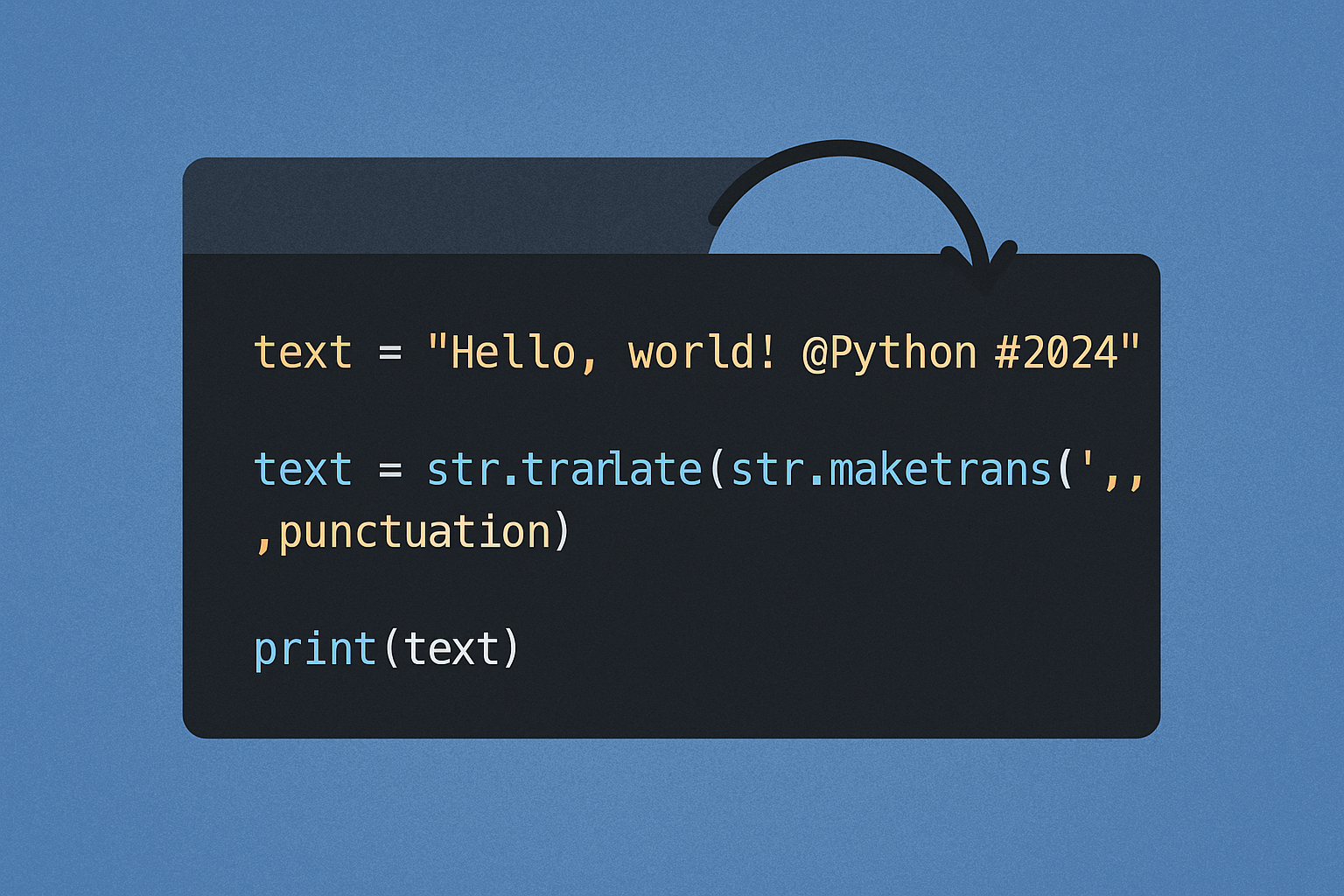
Remove Punctuation From a String in Python
Use built-in translate, regex, or Unicode-aware options to strip punctuation from text cleanly.
-
Import Libraries in Python
Use reliable import patterns, install missing packages, and avoid common pitfalls when working with modules and packages.
-
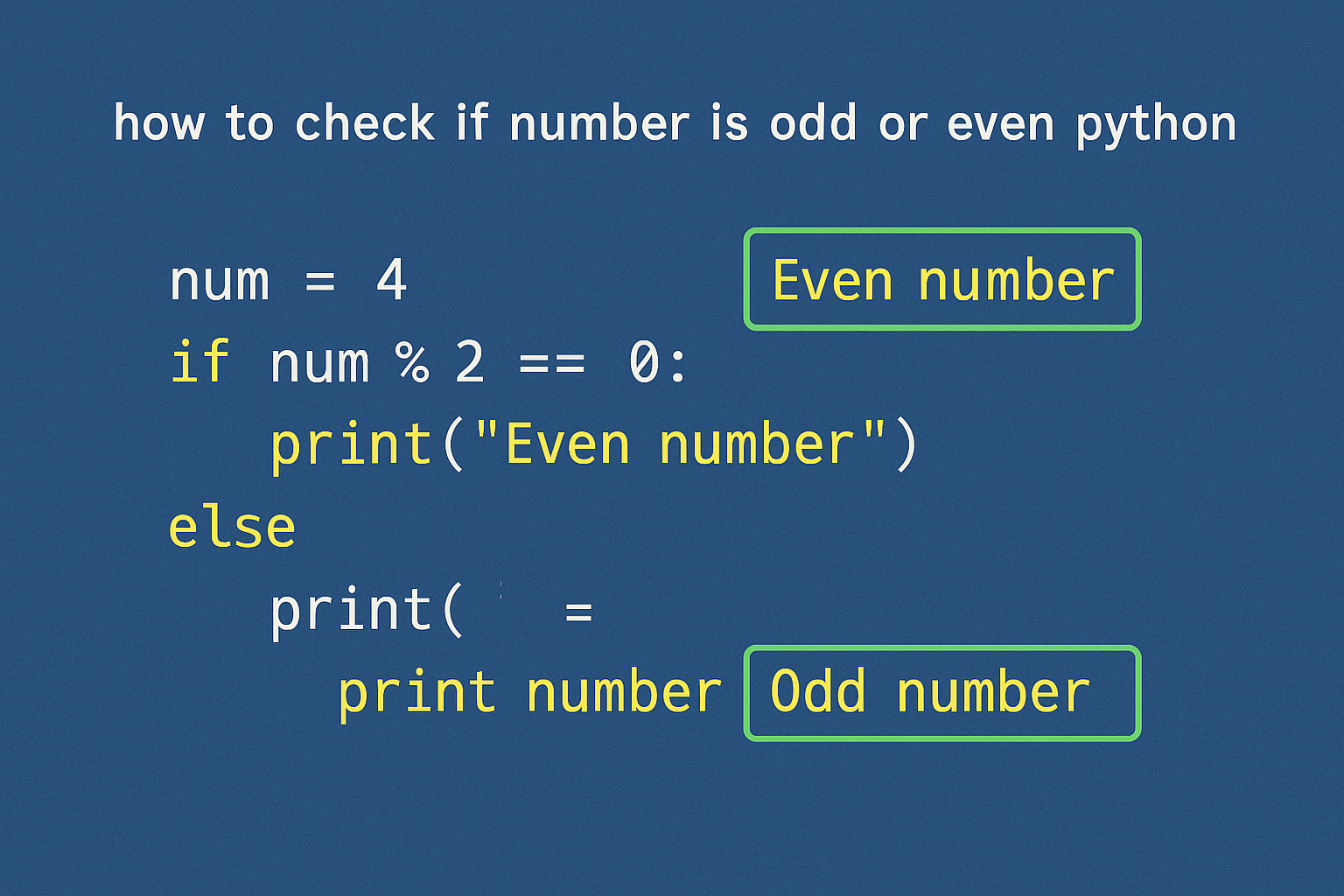
Check If a Number Is Odd or Even in Python
Use the modulo operator or a bitwise check to determine parity for single values and sequences.
-
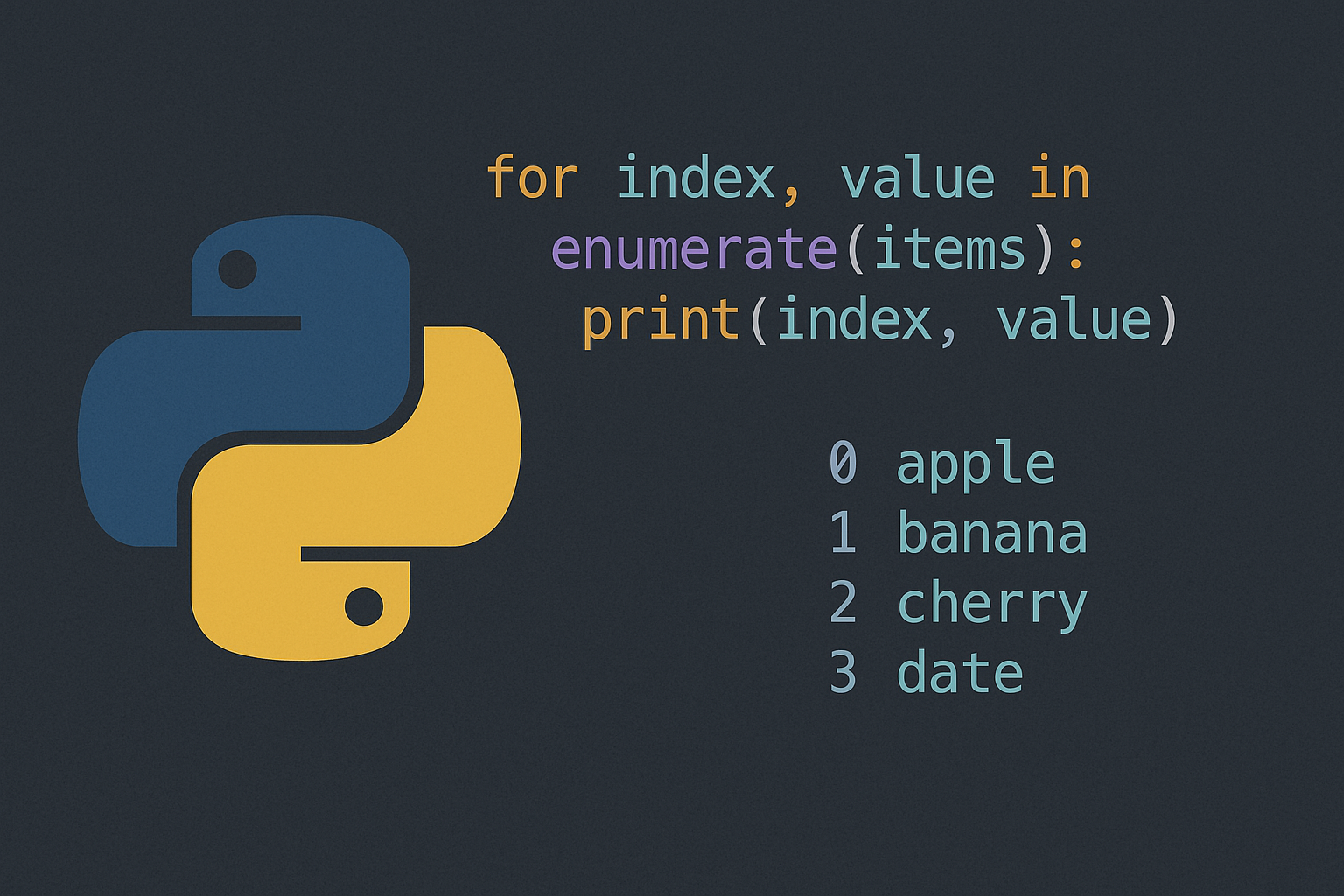
What Is Python’s enumerate() Function and How Do You Use It?
A quick guide to looping with a counter the Pythonic way, with practical examples and gotchas.
-
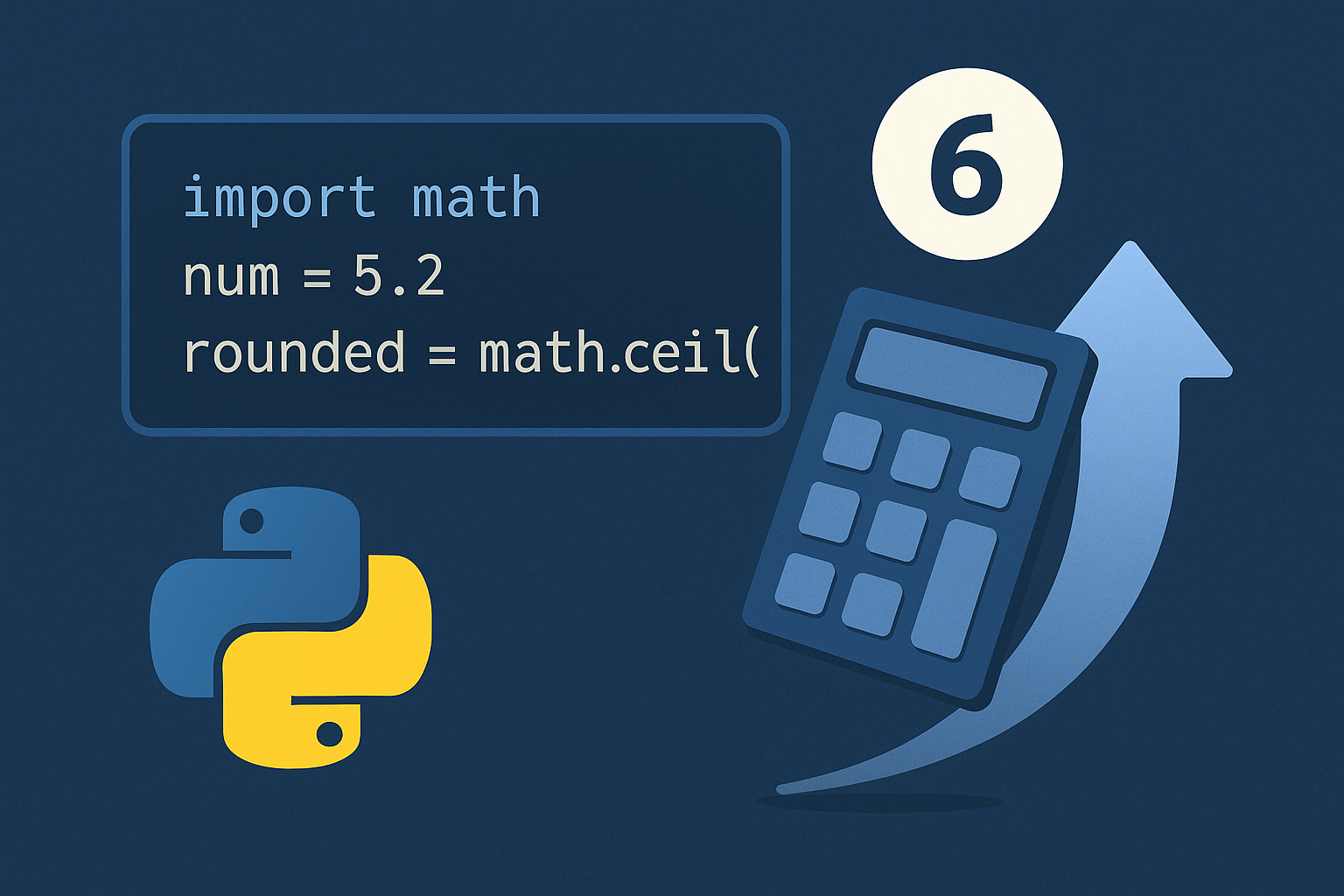
How to Round Up Numbers in Python
Use math.ceil() for single values, a scale-and-ceil pattern for decimal places, Decimal for exact finance-style rules, and NumPy for arrays.
-
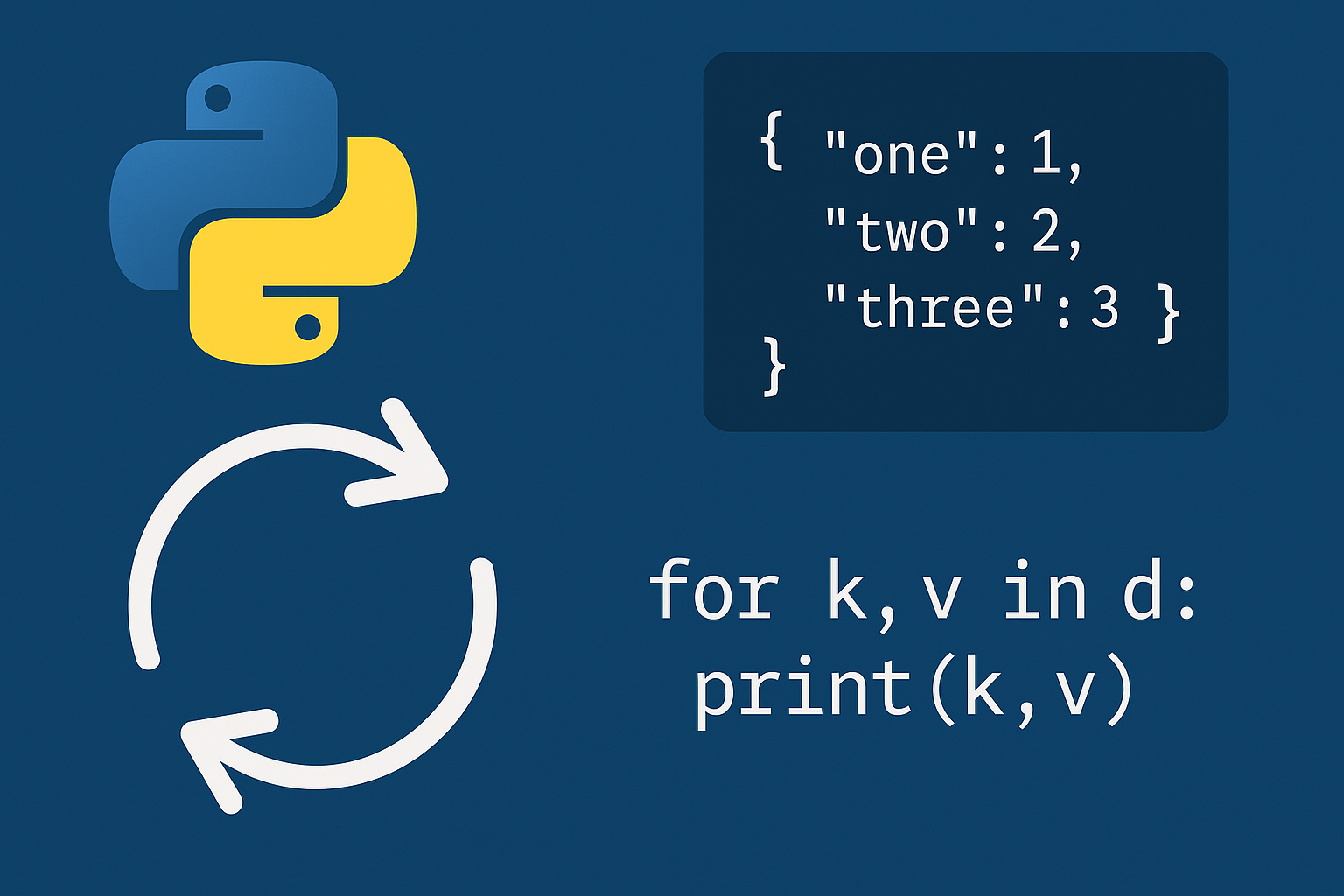
Loop Through a Dictionary in Python
Use direct, sorted, and safe mutation loops to process keys, values, and key–value pairs reliably.