

Shivam Malani
-
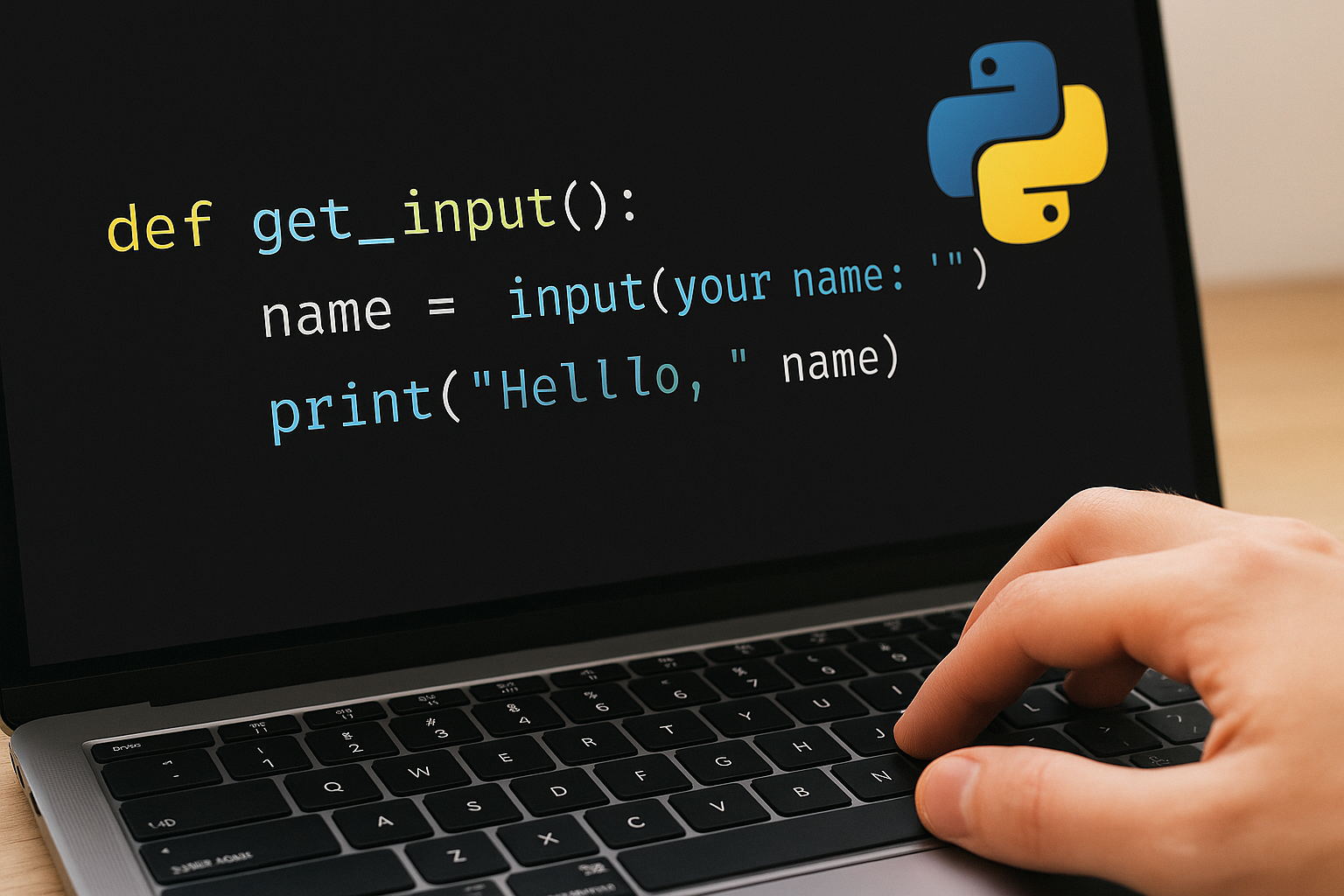
Get User Input in Python
Use input(), type conversion, and validation patterns to collect strings, numbers, and lists.
-

Pause Execution in Python With time.sleep()
Use time.sleep(), asyncio.sleep(), and event- or GUI-friendly timers to delay work without stalling the wrong parts of your program.
-
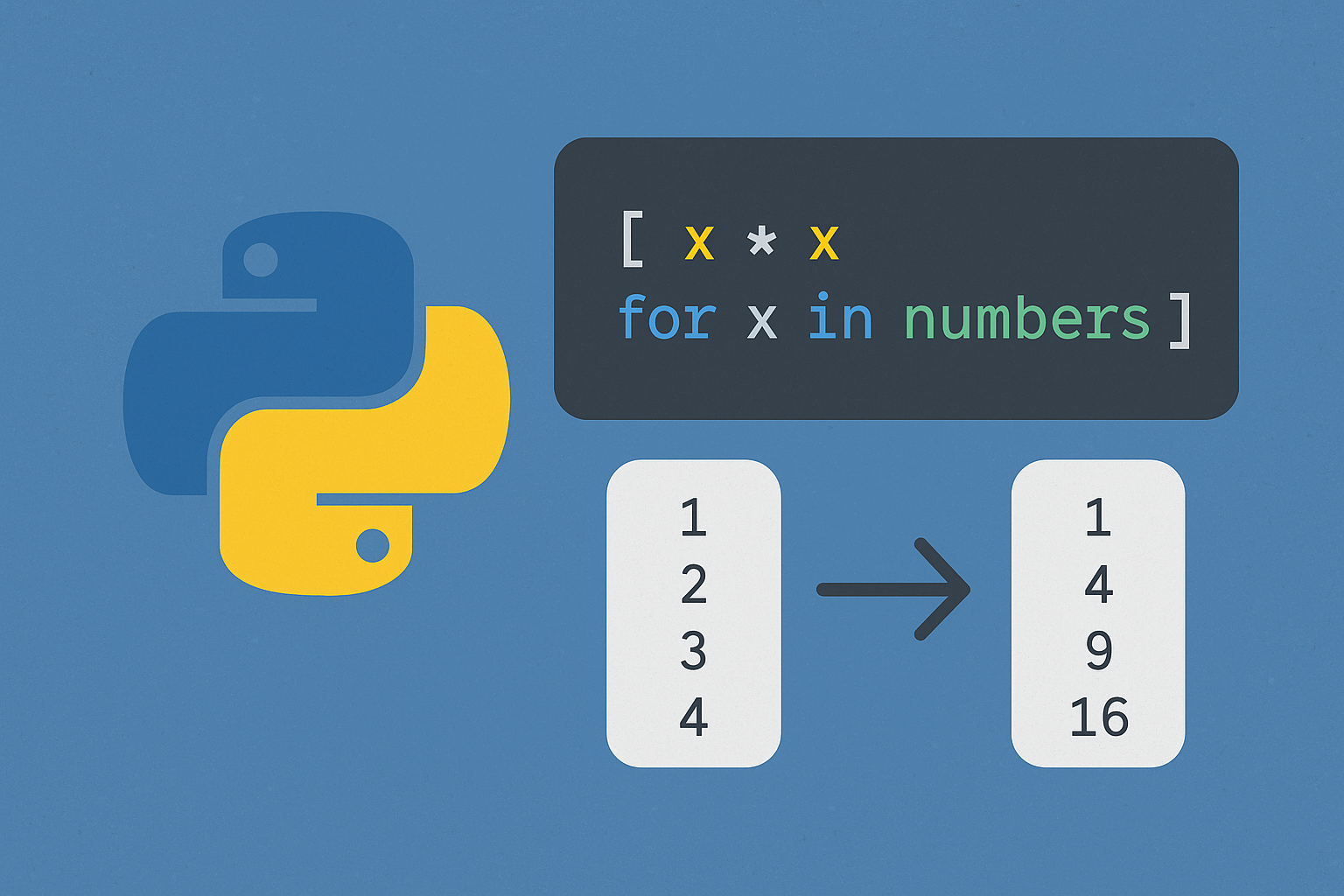
Write List Comprehensions in Python
Create, filter, and transform lists concisely with Python’s comprehension syntax.
-
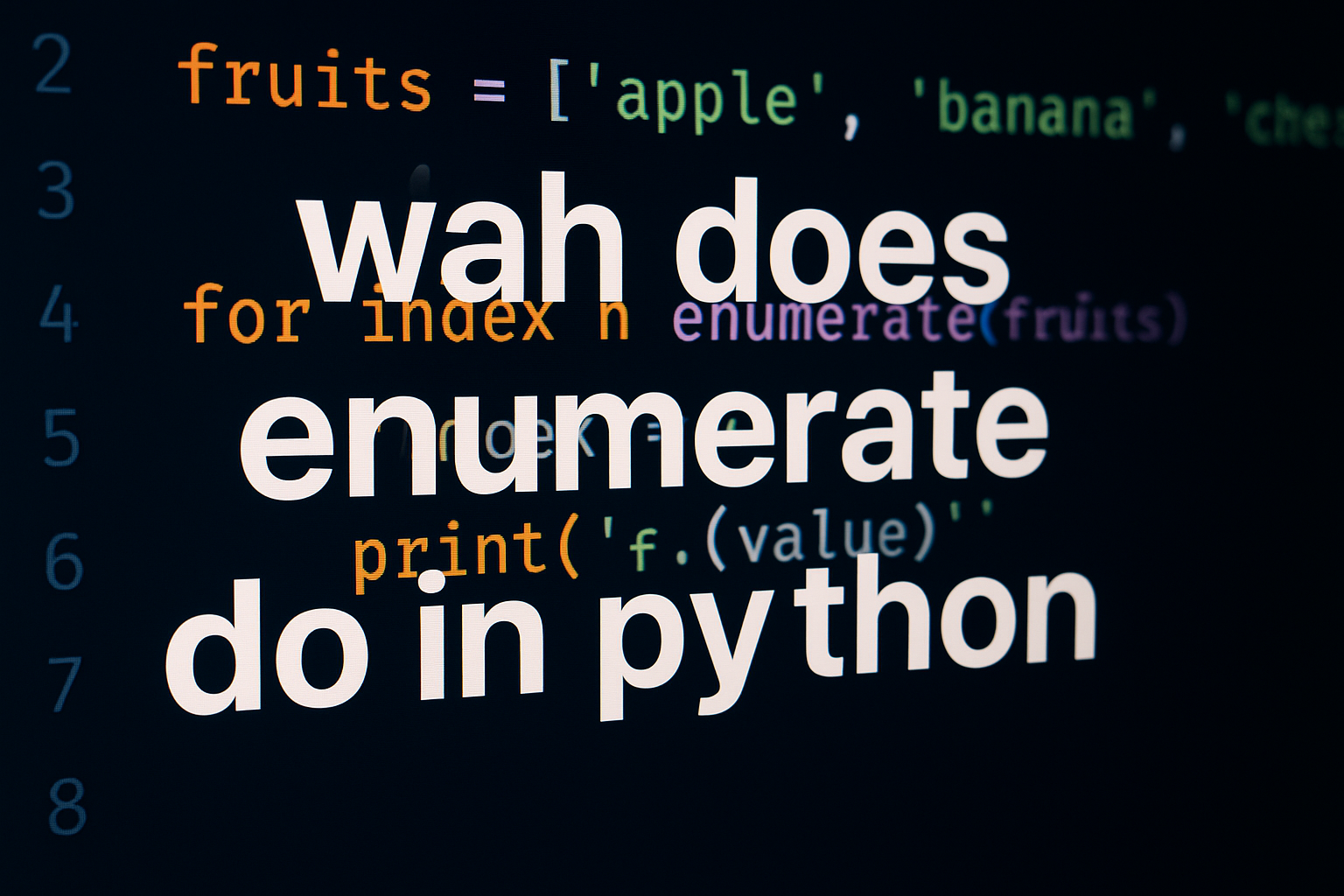
What Does enumerate() Do in Python?
A small built-in that pairs each item with its index, making loops cleaner and more readable.
-
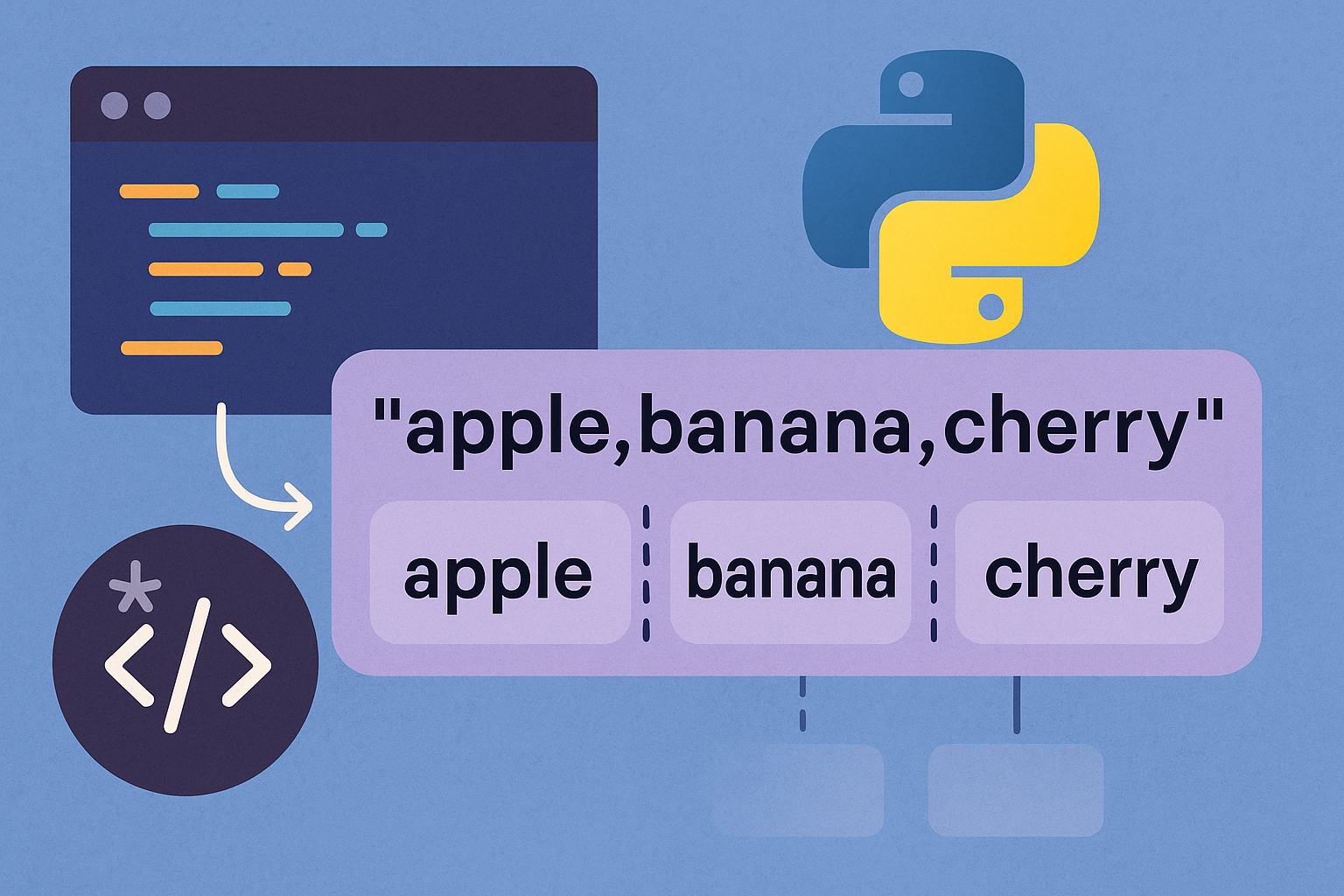
How to Split a String in Python
Use Python’s built-in string methods and regex to split by whitespace, custom delimiters, limits, line breaks, or into characters.
-
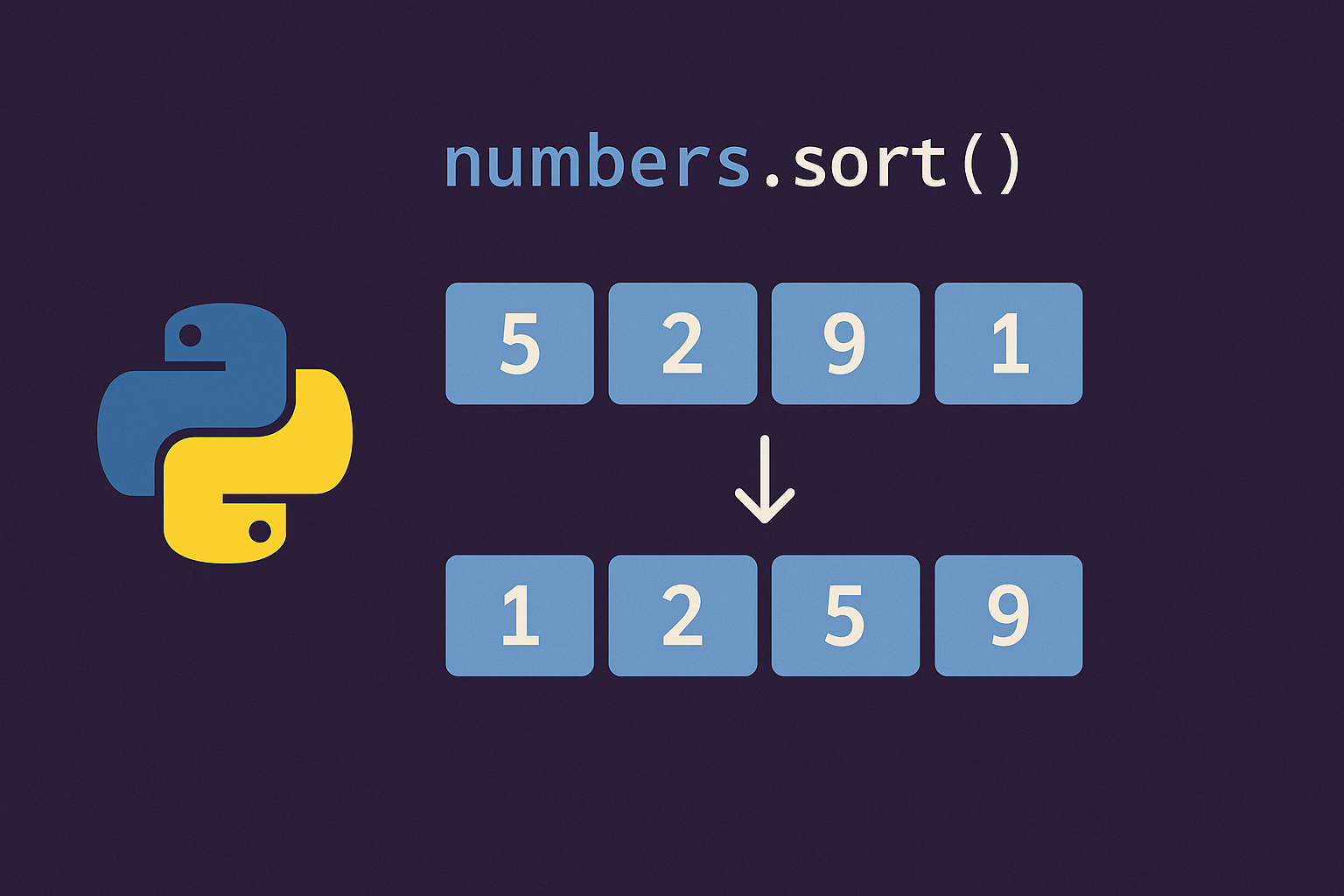
Sort a List in Python
Use sorted() to return a new sorted list or list.sort() to reorder in place; both support key= and reverse= for custom order.
-
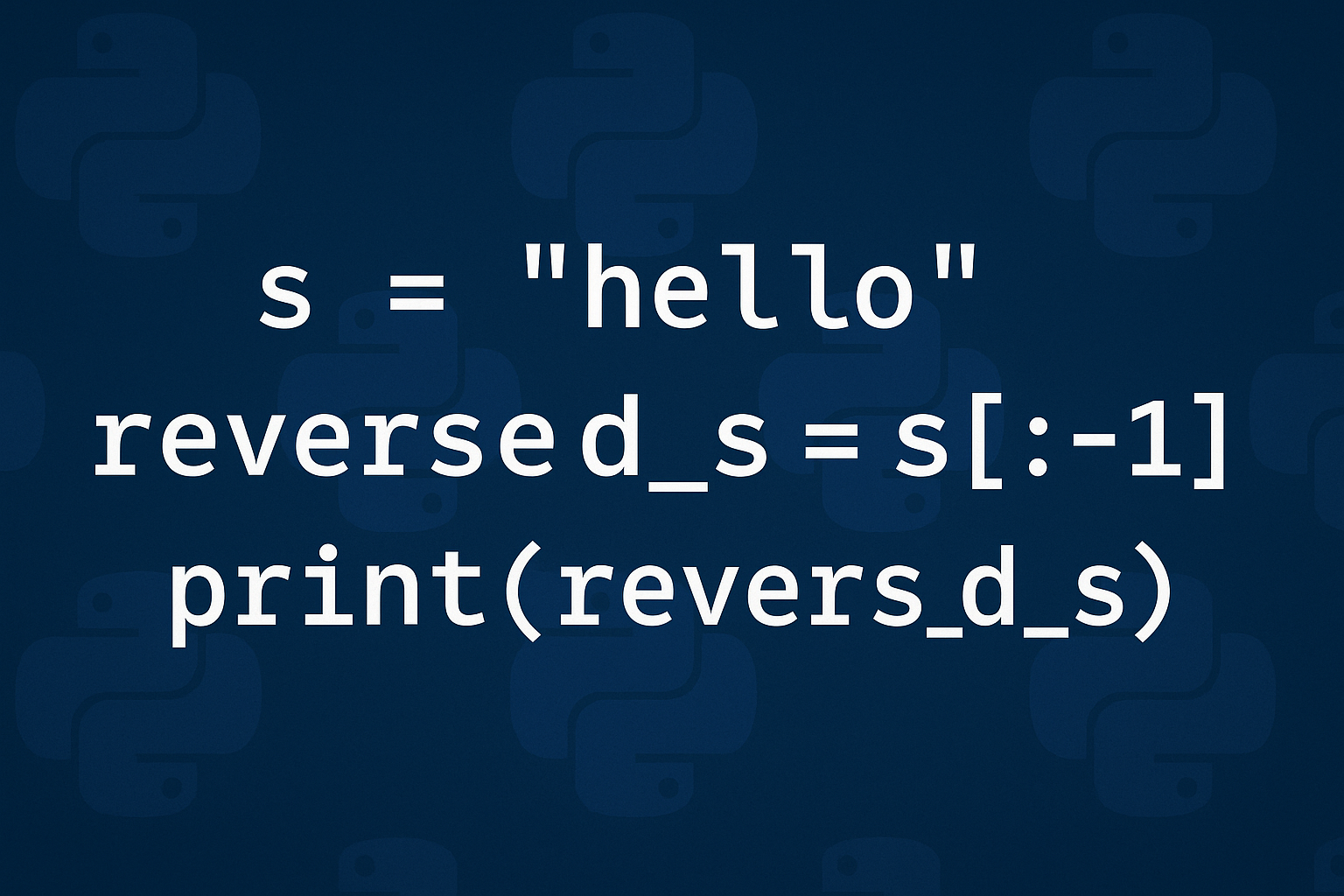
How to Reverse a String in Python
Use slicing for speed, reversed()+join for readability, and grapheme-aware logic for correct emoji and accent handling.
-
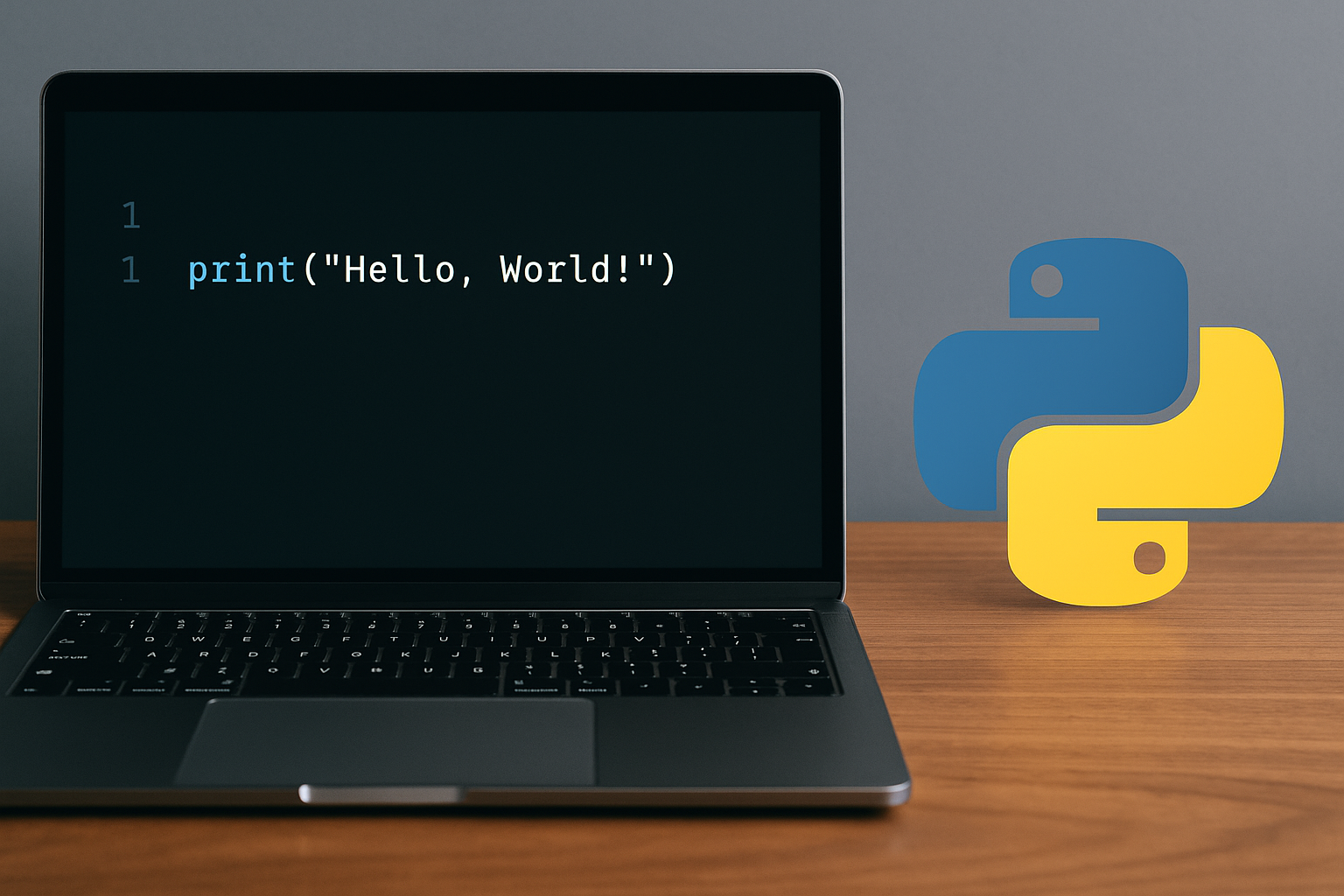
Print Hello World in Python
Use Python 3’s print() function to output text, with quick steps for scripts, the interactive shell, online IDEs, and Windows/macOS/Linux terminals.
-
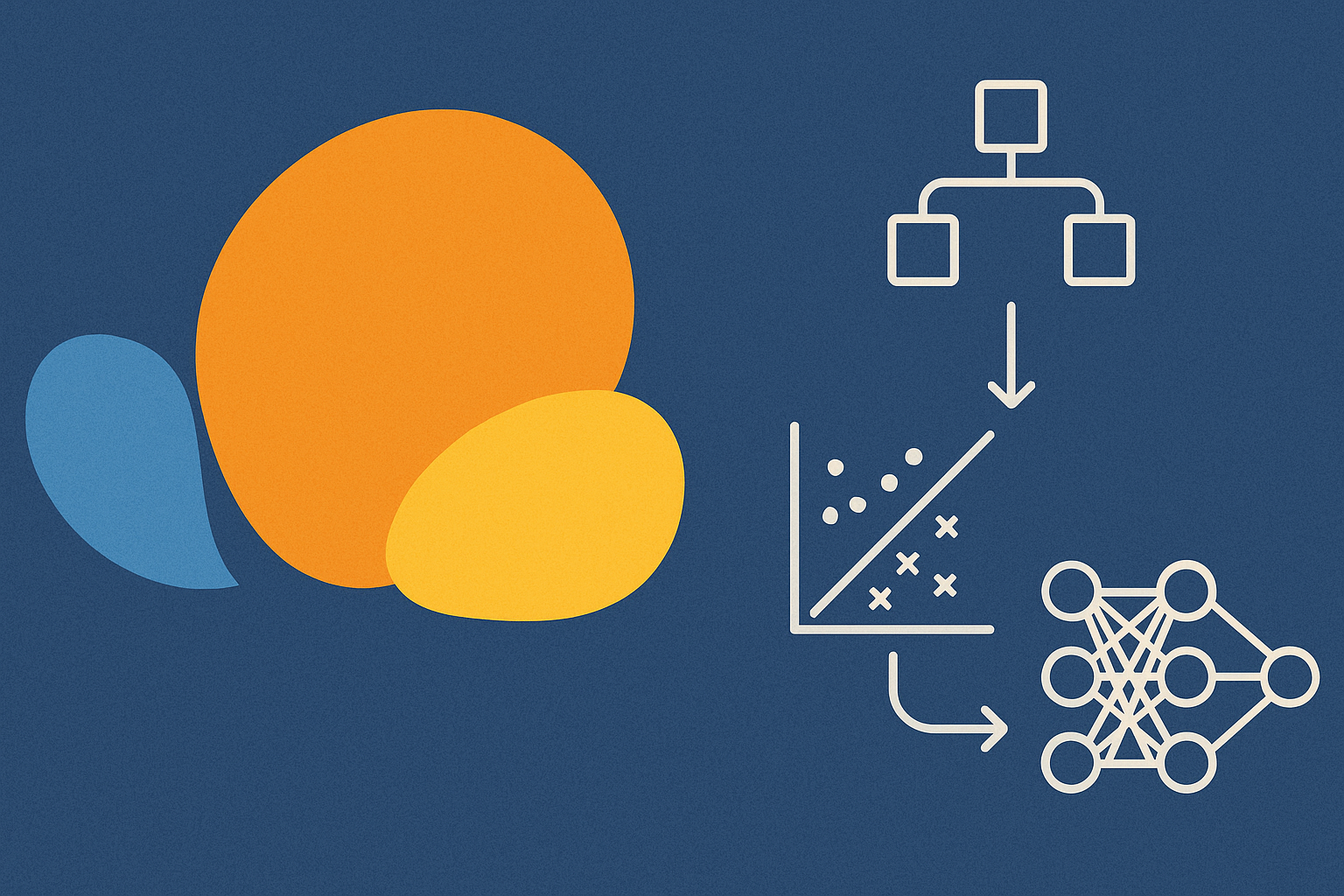
What Is Scikit‑Learn (sklearn) and How Does It Power Machine Learning in Python?
The open‑source library turns classification, regression, clustering, and more into a consistent, fast, and documented workflow across Python.
-
What Does GPT‑5’s “New Math” Claim Actually Mean?
An OpenAI researcher says GPT‑5 Pro produced a novel proof in convex optimization — here’s what that entails, why it’s controversial, and how to…