
Topic
AI
Artificial Intelligence explores how machines simulate learning, reasoning, perception, language understanding, creativity, and autonomous decision-making. In games, AI shapes smarter systems, more dynamic interactions, and new development workflows that expand how interactive worlds are built and played. | Release Date: 1956 | Developer: John McCarthy, Marvin Minsky, Nathaniel Rochester, and Claude Shannon | Platforms: Computer systems, software applications, robotics, and game development tool
-
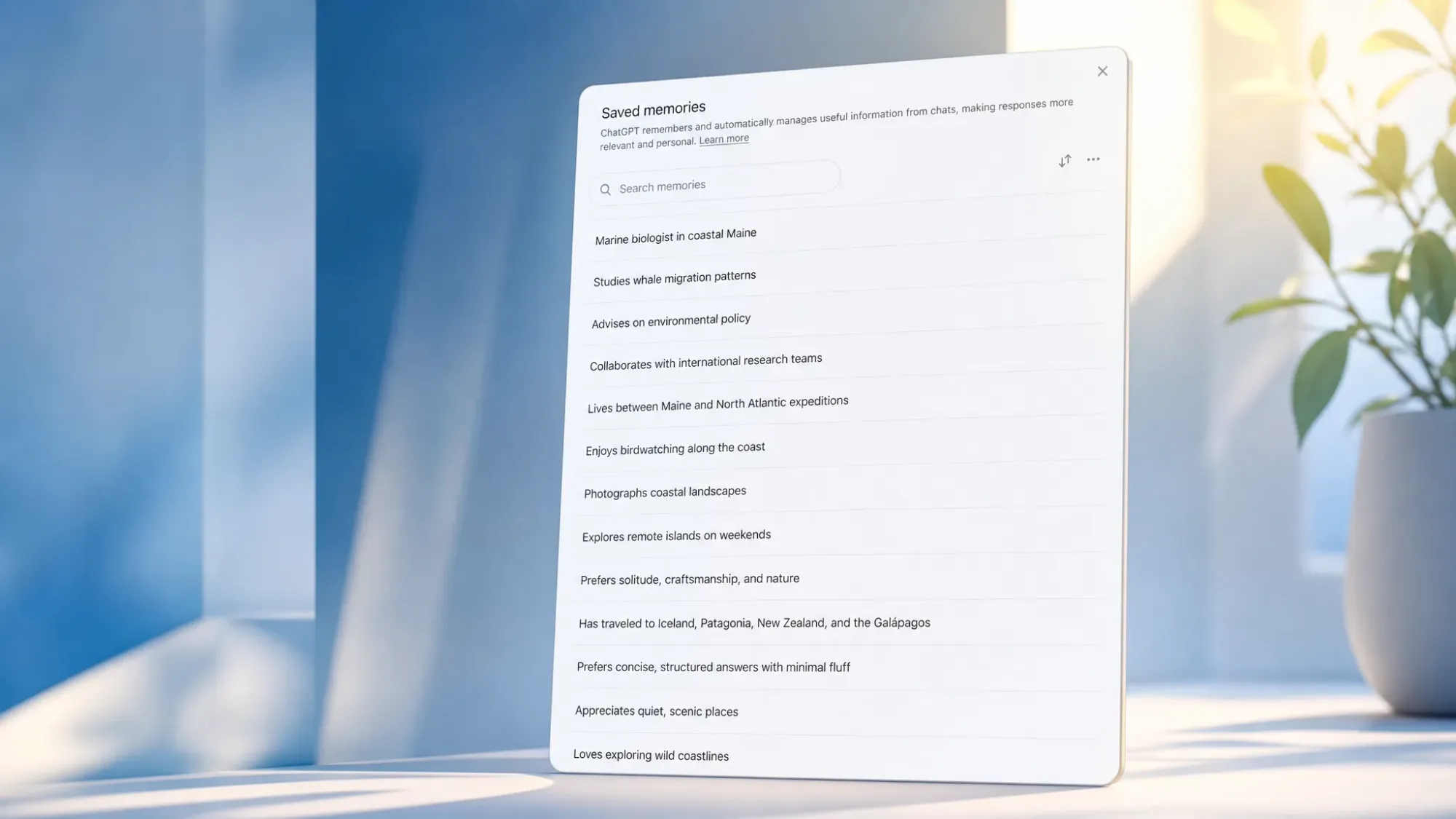
ChatGPT’s New ‘Dreaming’ Memory: What Changed and How to Control It
OpenAI’s rebuilt memory system writes a living profile about you, and you can view or edit it from Settings.
-

Claude Opus 4.8 Benchmarks: Scores, Rankings, and Pricing (May 2026)
Where Anthropic’s new flagship leads, where it trails GPT-5.5, and what stays the same on price and context.
-

Claude Opus 4.8 dynamic workflows in Claude Code, explained
How to launch parallel subagents, what the hard limits are, and when the feature is worth the token cost.
-
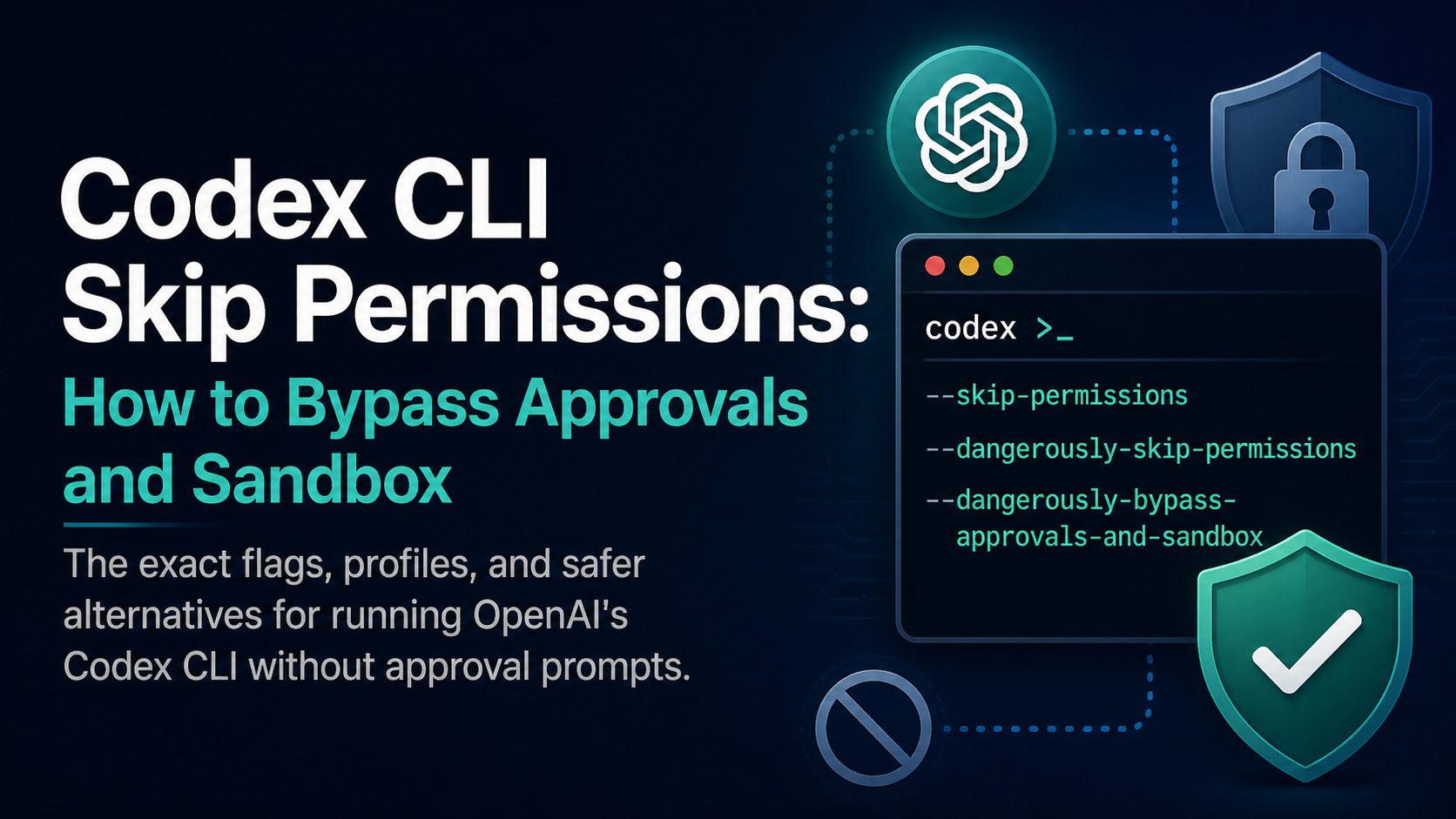
Codex CLI Skip Permissions: How to Bypass Approvals and Sandbox
The exact flags, profiles, and safer alternatives for running OpenAI’s Codex CLI without approval prompts.
-
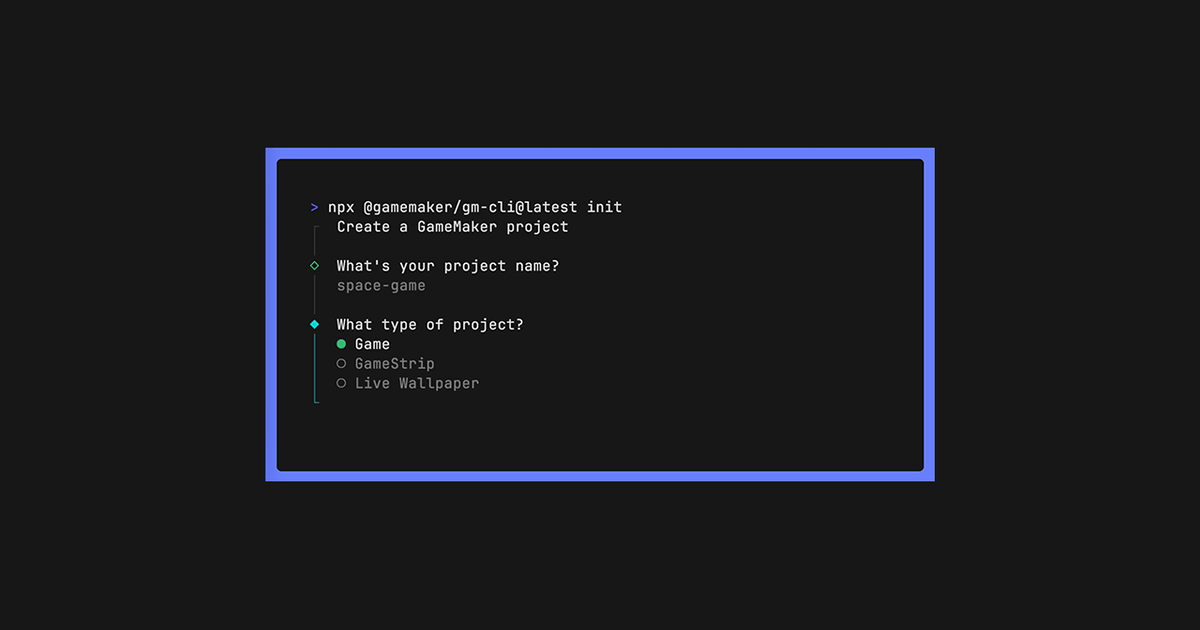
GameMaker Adds Claude Code to GM-CLI for AI-Assisted Game Development
Anthropic’s Claude Code now runs inside GameMaker’s new command line toolchain, handling project queries, debugging, and build management through natural language.
-

DGX Spark + Mac Studio: Disaggregated LLM Inference With EXO
How splitting prefill and decode across NVIDIA’s Blackwell box and an M3 Ultra delivers a 2.8x speedup on Llama-3.1 8B.
-
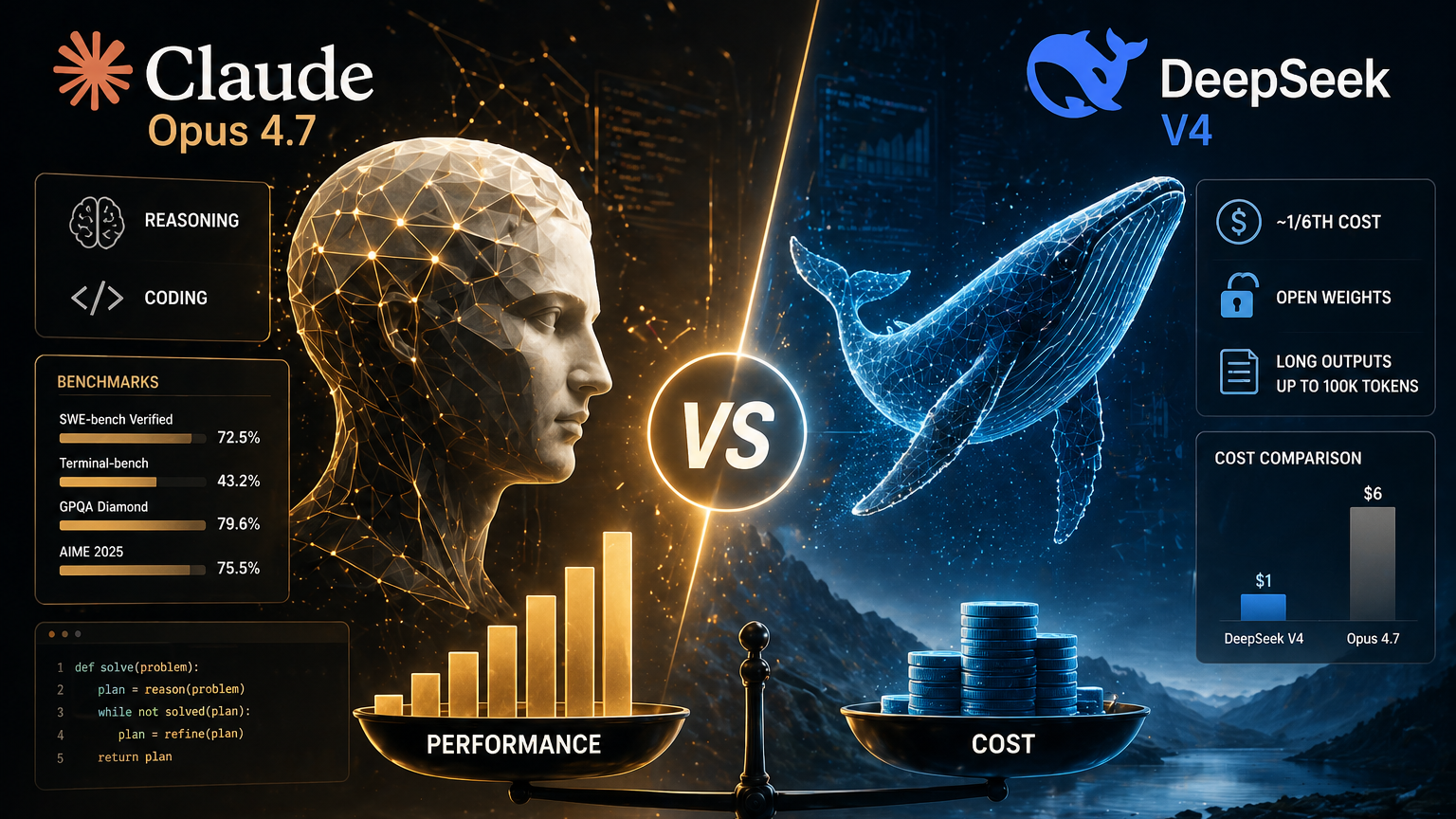
DeepSeek V4 vs Claude Opus 4.7: Pricing, Benchmarks, and Tradeoffs
How the open-weight 1.6T-parameter challenger stacks up against Anthropic’s flagship on cost, context, and coding performance.
-
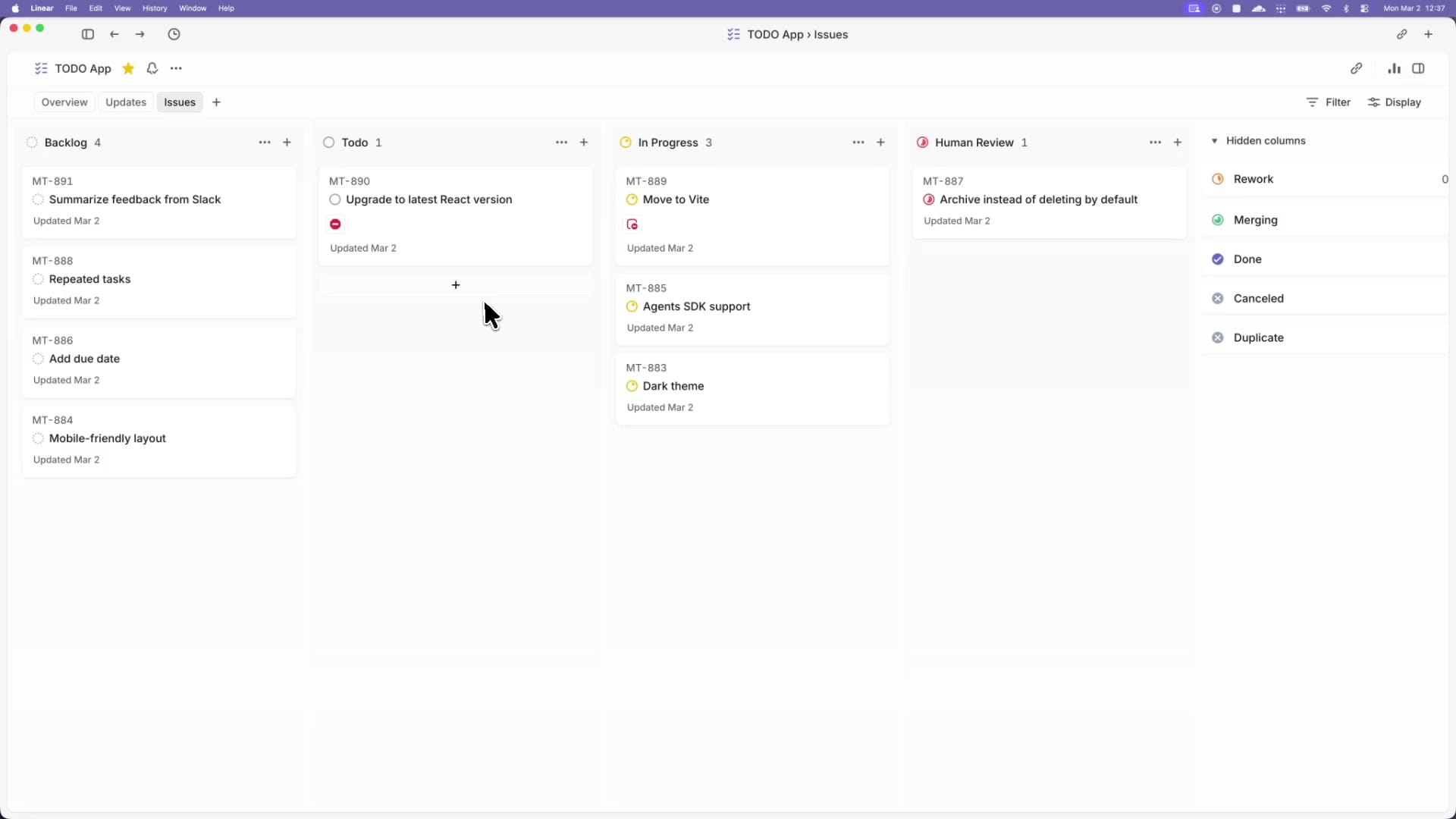
Symphony: OpenAI’s open-source orchestrator that turns Linear into a Codex command center
OpenAI’s new spec assigns a coding agent to every open ticket, polling the board and shepherding pull requests without human babysitting.
-
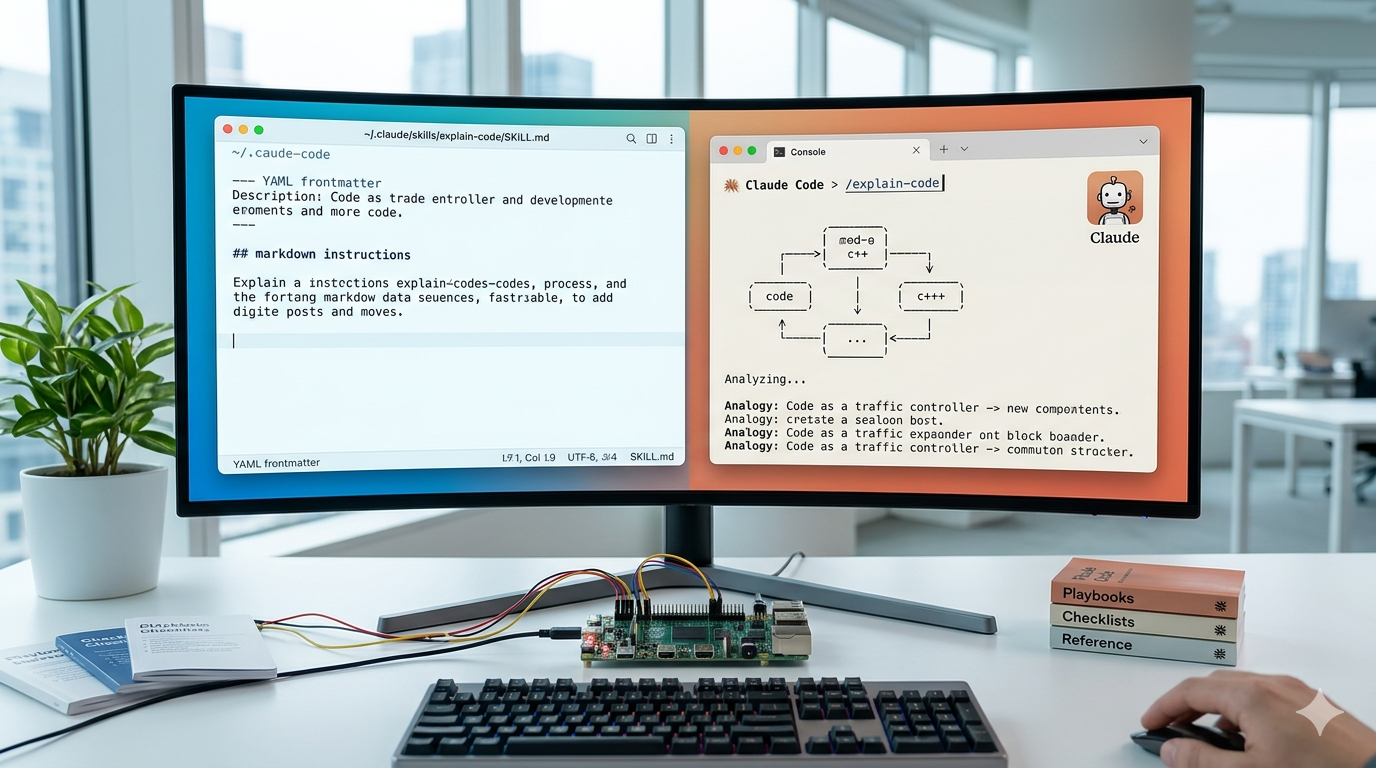
How to Add Skills to Claude Code
Create a SKILL.md file, drop it in the right folder, and Claude will load it automatically or on demand.
-
How to Uninstall Claude Code Cleanly on Mac, Windows, and Linux
Pick the right removal path for your install method, then wipe configuration files only if you want a fully fresh start.