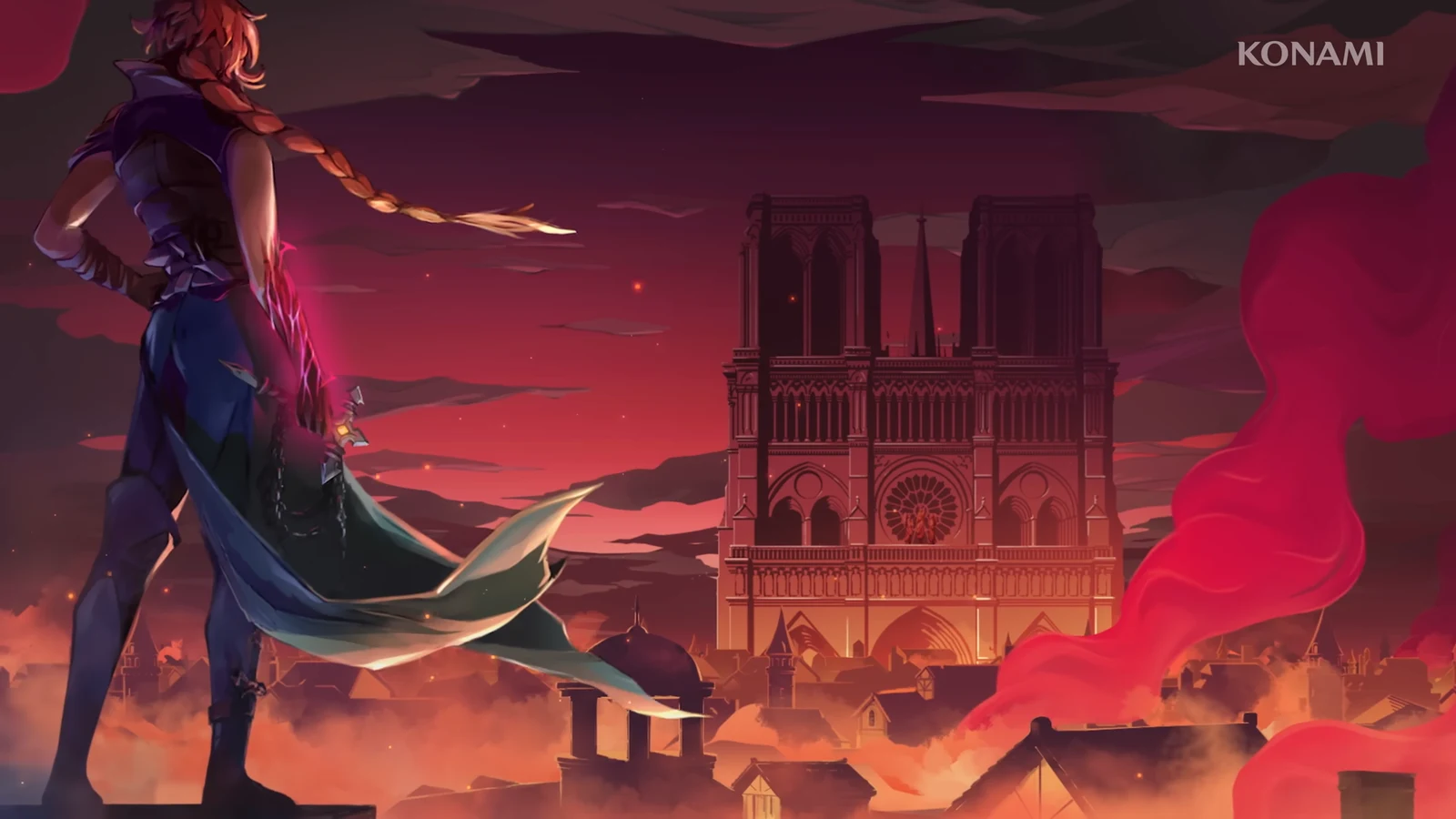
Castlevania has been out of the mainline picture for more than a decade, and Belmont’s Curse ends that silence with a confident 2D adventure. Built by Evil Empire and Motion Twin, the studios behind Dead Cells, it hands the Vampire Killer to Rose Belmont and drops her into a burning version of 1499 Paris. The result leans hard on Symphony of the Night while borrowing freely from the Metroidvanias that genre went on to inspire.
Quick answer: Castlevania: Belmont’s Curse launches October 15, 2026 on PS5, PC, Nintendo Switch, and Xbox Series X, carrying an 86 Metascore and broadly favorable reviews that praise its exploration and combat while flagging a weak soundtrack.
What Belmont’s Curse is and when it launches
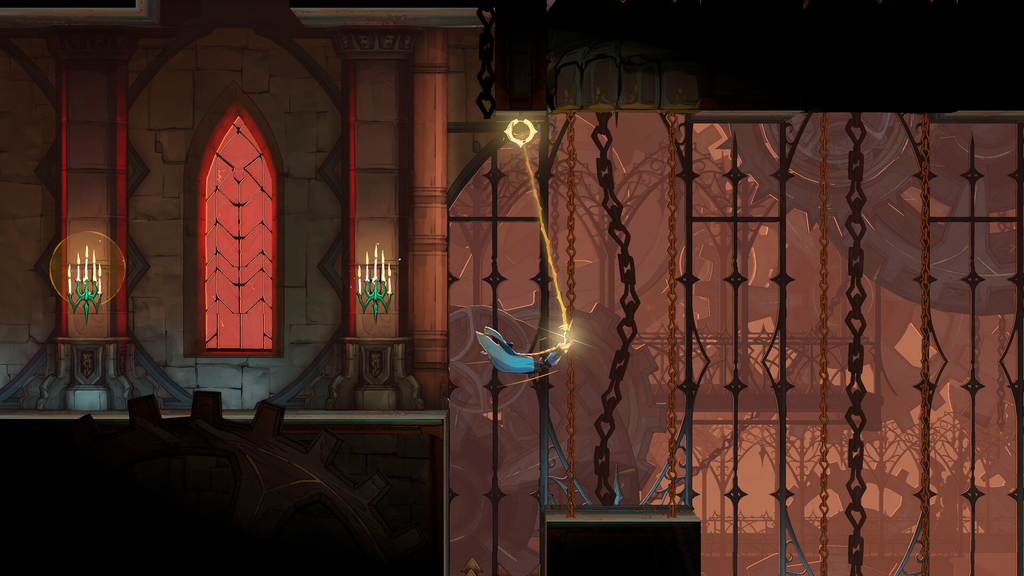
It is a 2D side-scrolling Metroidvania with a large, interconnected map that runs from the streets and sewers of Paris up into Dracula’s Castle. You explore freely, but the game keeps its story pacing intact by pointing you toward the next objective rather than letting the map sprawl without direction. It is rated T for Teen and arrives at $29.99 on Steam.
| Detail | Information |
|---|---|
| Release date | October 15, 2026 |
| Platforms | PS5, PC, Nintendo Switch, Xbox Series X |
| Developers | Evil Empire and Motion Twin |
| Publisher | Konami |
| Genre | Metroidvania |
A free demo is available ahead of launch, and the Switch version runs at 60fps on Switch 2. There is no separate native Switch 2 build.
Rose Belmont and a story that matters this time
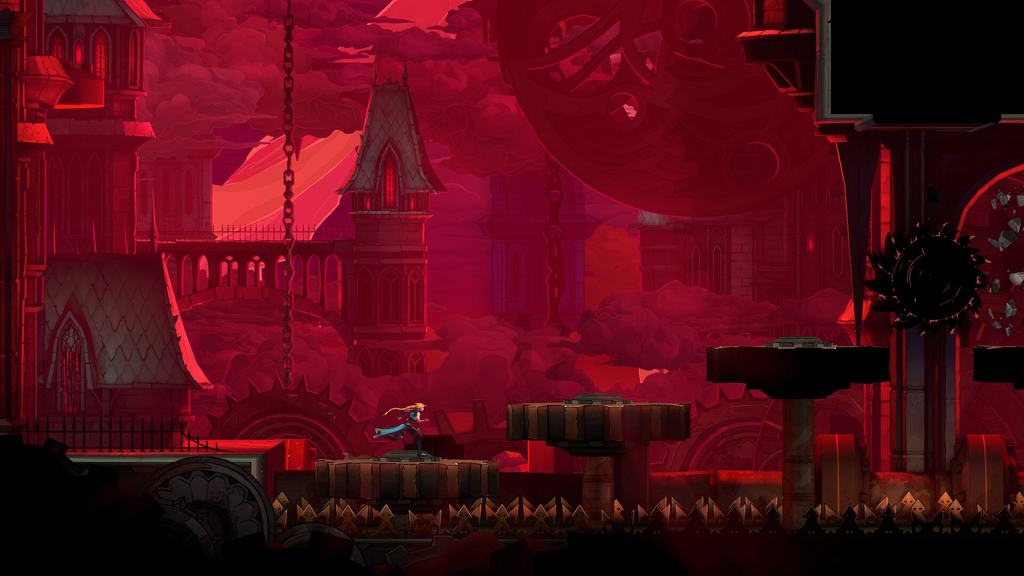
You play as Rose Belmont, daughter of Trevor and Sypha from Castlevania III: Dracula’s Curse. She arrives in Paris to stop a demonic invasion that, inevitably, leads to Dracula’s return. A curse forces Rose to keep her emotions in check at all times, which becomes harder as the hunt turns personal and ties into themes of family, friendship, and mental health.
Almost all of the dialogue is voiced, a first for a 2D entry, and the writing lands more cleanly than the series has managed in its games before. The monsters Rose fights carry real personality, and several of them end up joining her after defeat, folding into a Tarot deck she can consult throughout the quest. French history and mythology run through the whole thing, down to a boss fight against Joan of Arc.
Combat, whip traversal, and the Arcana system
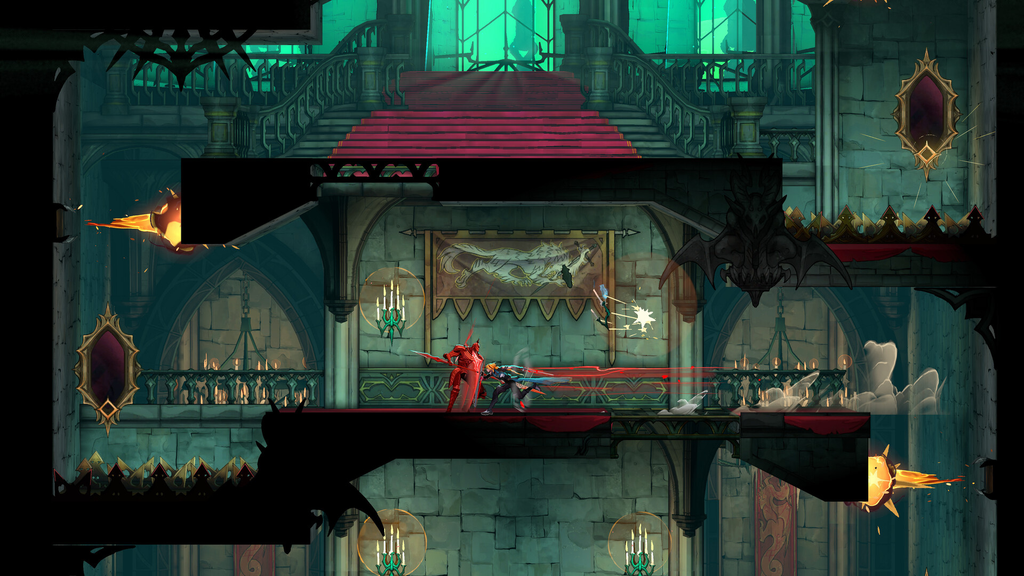
Rose handles like a nimbler Alucard, using the same attack-and-dodge rhythm that Symphony of the Night made its signature. The move set is deeper here, with a dodge roll, heavy attacks, a parry, and four weapons in each main class covering swords, whips, spears, and more. None of them stand out as an all-rounder, so each class keeps a purpose against specific enemies.
Sub-weapons are gone, replaced by an Arcana system that grants spells and buffs, with optional objectives that let you upgrade each one. Relics hidden across the map provide permanent passive bonuses. Armor and accessories were cut entirely, which removes the old routine of equipping whatever had the best stats.
The whip swing is what reshapes the whole game. You use it to grapple to anchor points and reach new areas, much like Super Castlevania IV, but also to lock onto enemies and pull yourself in for a fast closing attack. Platforming is now a genuine focus rather than a way to reach doors, with later tools like a holy light that dispels certain platforms. Some gauntlets get rhythmic and demanding in a way that recalls Prince of Persia: The Lost Crown.
Checkpoints and fast travel both run through fountains scattered across the map, functioning as the series’ version of bonfires. The map itself is easy to read and lets you drop your own markers, which keeps the heavy exploration from becoming a chore.
Difficulty and checkpoints
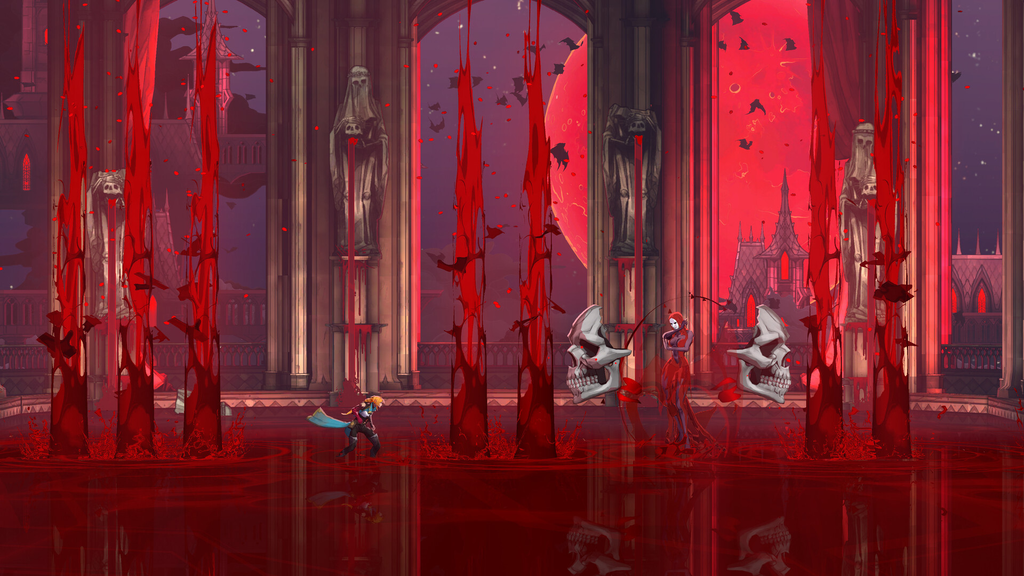
This is where the older, harder Castlevania bleeds through. Every enemy can kill you, so positioning, knockback, and actually dodging attacks all matter. Bosses are the clearest example. Most are well designed and read like a dance you have to learn, but they can turn into hard roadblocks that take several attempts.
Early areas have few save rooms, potions, or wall chickens, so a setback can cost progress and force you to retrace your route. Raising Rose’s level and unlocking shortcuts reduces that pressure, though the challenge can still shift from tense to frustrating. A D-pad is recommended for the especially precise platforming sections.
Art direction and soundtrack
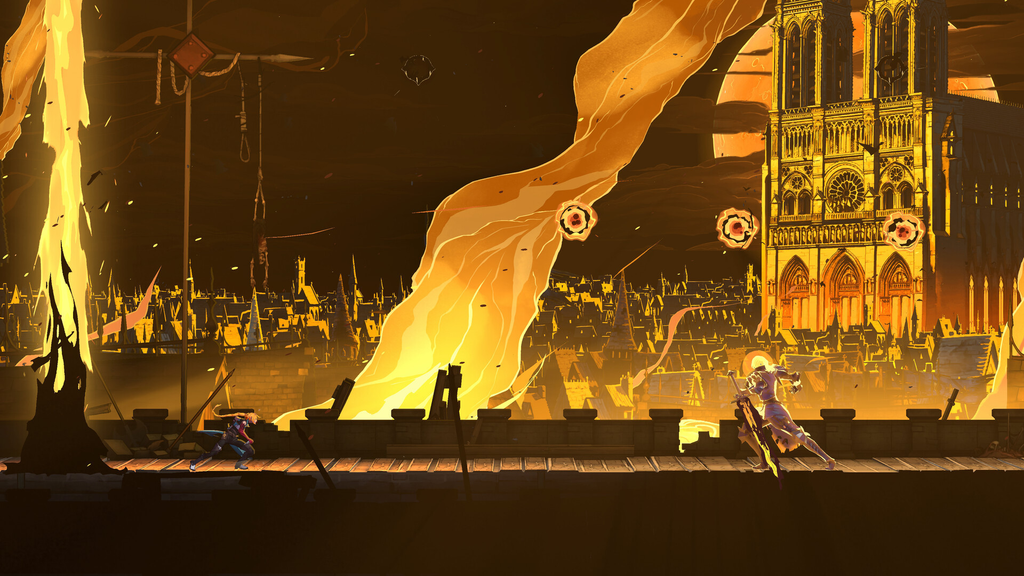
The look is a bright, painterly, hand-drawn 2D style layered over simpler 3D models, with clear influence from the Netflix series. The 1499 Paris setting carries an oppressive atmosphere and detailed backgrounds, and the Tarot cards, portraits, and cutscenes are the visual high point. The 3D character models are plainer, but the animation covers for them.
The soundtrack is the recurring complaint. Composed by the talent behind Rogue Prince of Persia, it rarely reaches the driving, classically inspired energy the series is known for, and even the returning classic themes get reworked with modern electronic touches that strip away some of their punch.
How the reviews are landing
Critical reception sits in the generally favorable range, with an overall Metascore of 86 across 43 reviews and 95 percent of them positive. Scores vary a little by platform, with Xbox Series X at 88, PS5 at 86, and PC at 84. Famitsu’s four critics scored it 8/8/8/8 for a total of 32/40.
| Outlet | Score |
|---|---|
| Region Free | 100 |
| Atomix | 95 |
| TrueGaming | 90 |
| Jeuxvideo.com | 85 |
| SpazioGames | 80 |
| Gfinity | 80 |
| Push Square | 70 |
The praise clusters around exploration, deliberate combat, and the whip traversal, while the lower scores point to a crowded genre, a slow start, uneven boss design, and the subdued music. Push Square’s 70 sums up the dissent, arguing it does little that longtime Metroidvania players haven’t already seen.
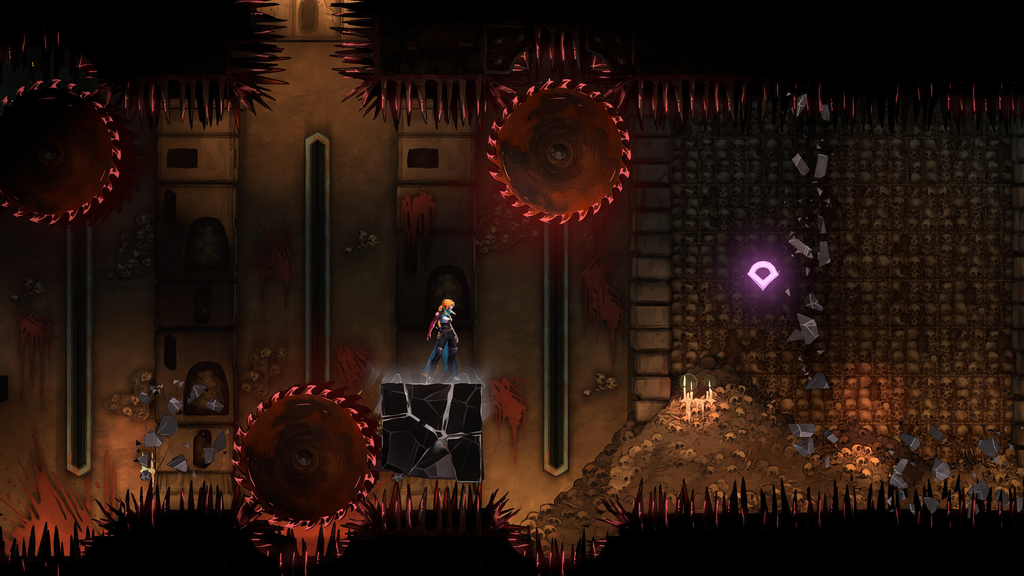
What holds it together is the blend. Belmont’s Curse keeps the attack-and-dodge core and the dense, secret-filled castle that made the series work, then adds whip-based movement, a readable map, and a story worth following. The music and the occasionally punishing checkpoint spacing keep it short of flawless, but for a franchise that has sat dormant for over a decade, this is a comeback that earns the wait.