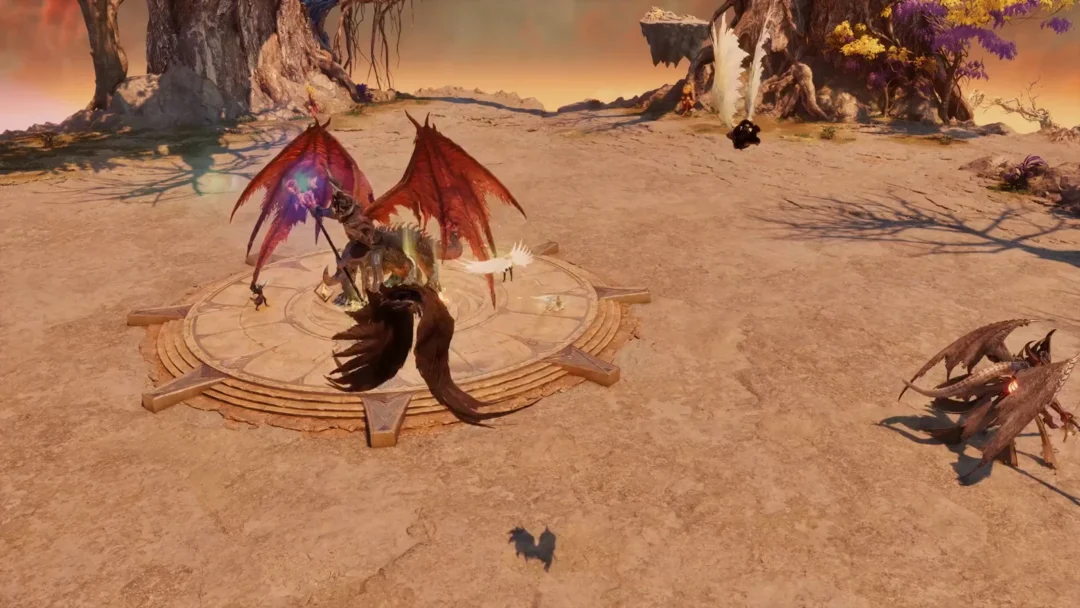
DragonSword: Awakening is an anime open-world action RPG from South Korean studio Hound13, sold as a one-time $29.99 purchase on Steam rather than a free-to-play gacha game. It draws constant comparisons to Genshin Impact thanks to its Orbis setting, party-switching combat and large cast, but with none of the character-pull banners those games rely on. Early reception has been strongly positive, and the reason players keep pointing to is simple: the whole game is in the box.
Quick answer: DragonSword: Awakening is a mostly single-player, buy-to-play RPG. Pay $29.99 once, get all 19 launch characters through normal play, and expect optional online co-op plus paid DLC limited mainly to costumes and mounts. You can buy it on its Steam store page.
What $29.99 gets you in DragonSword: Awakening
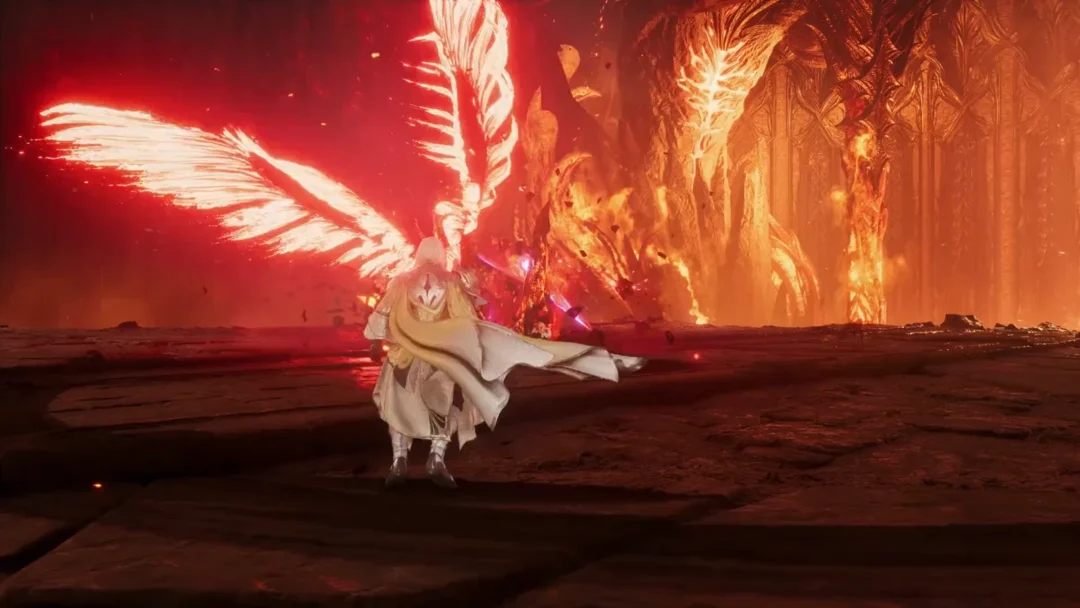
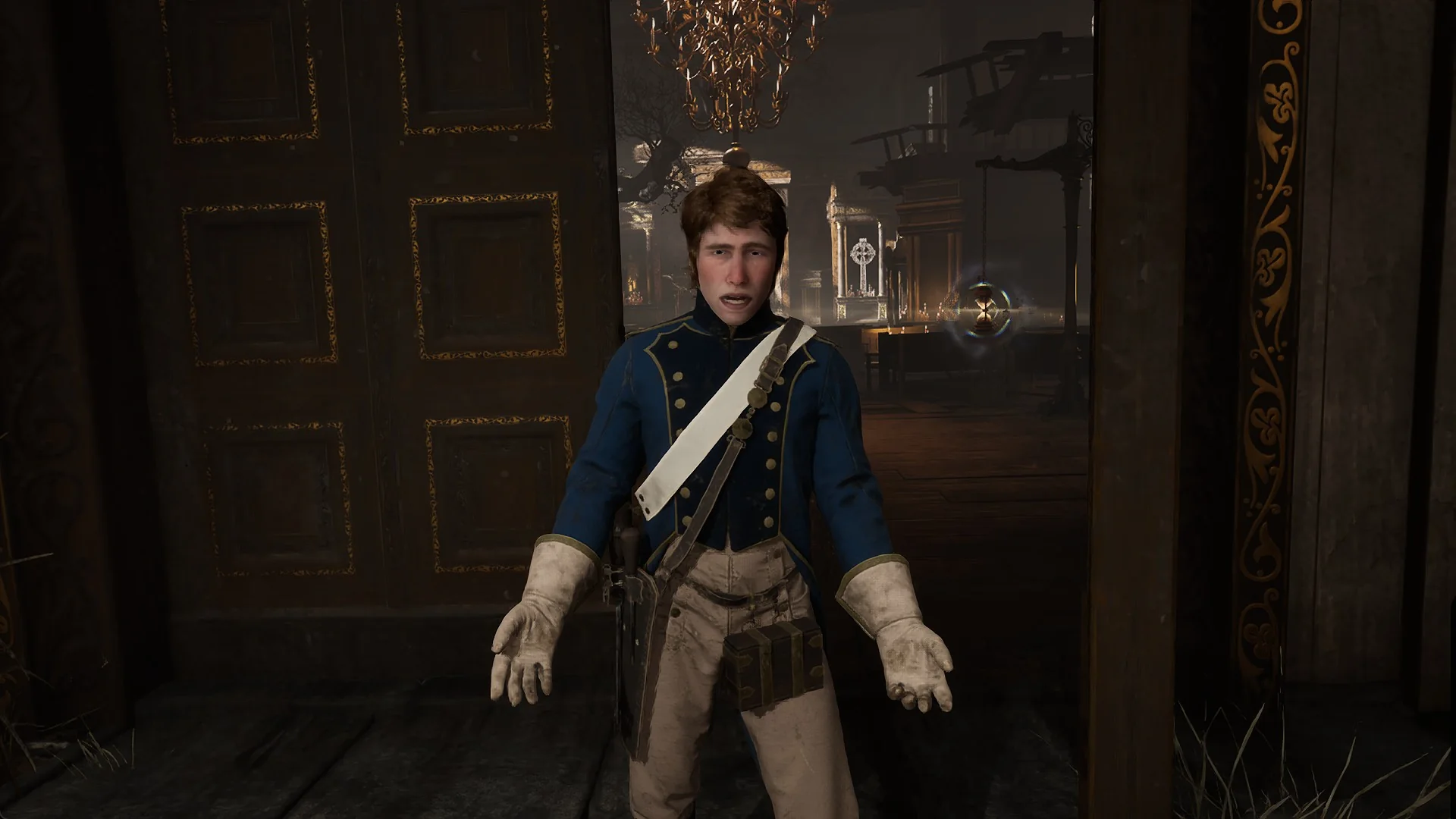
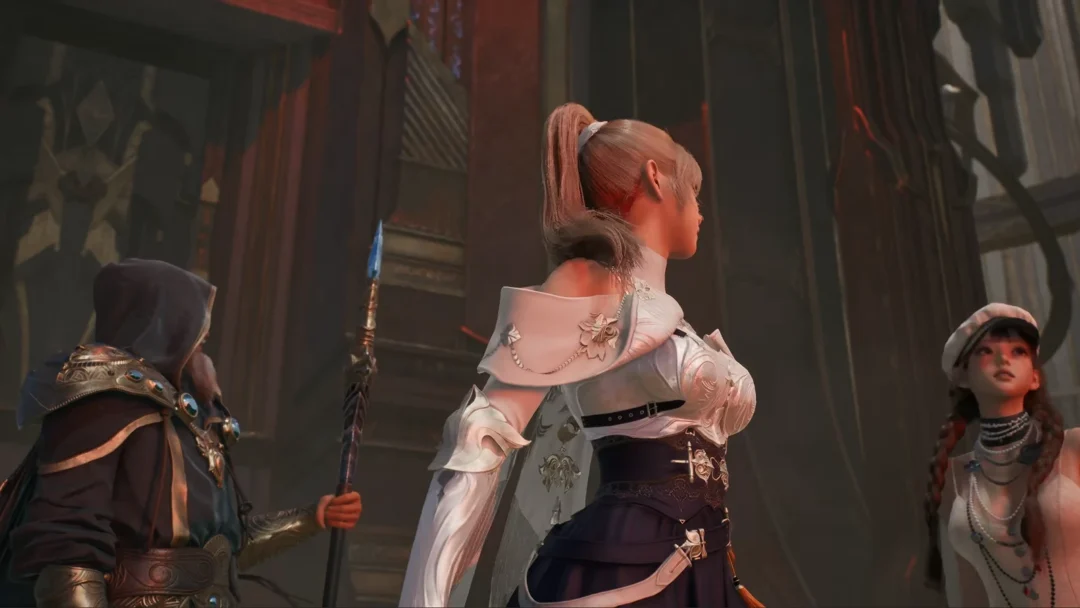
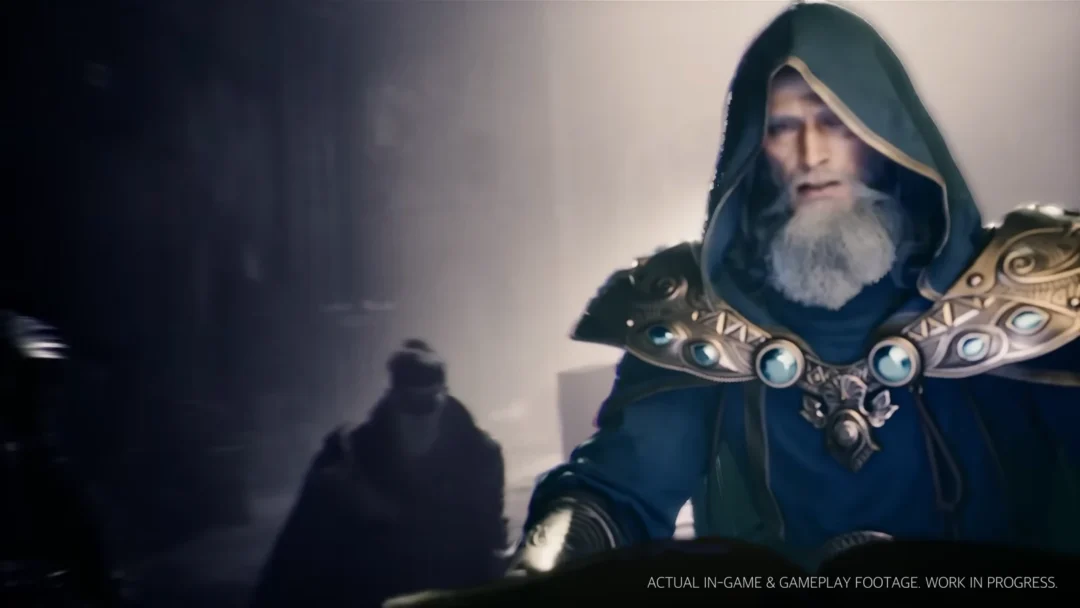
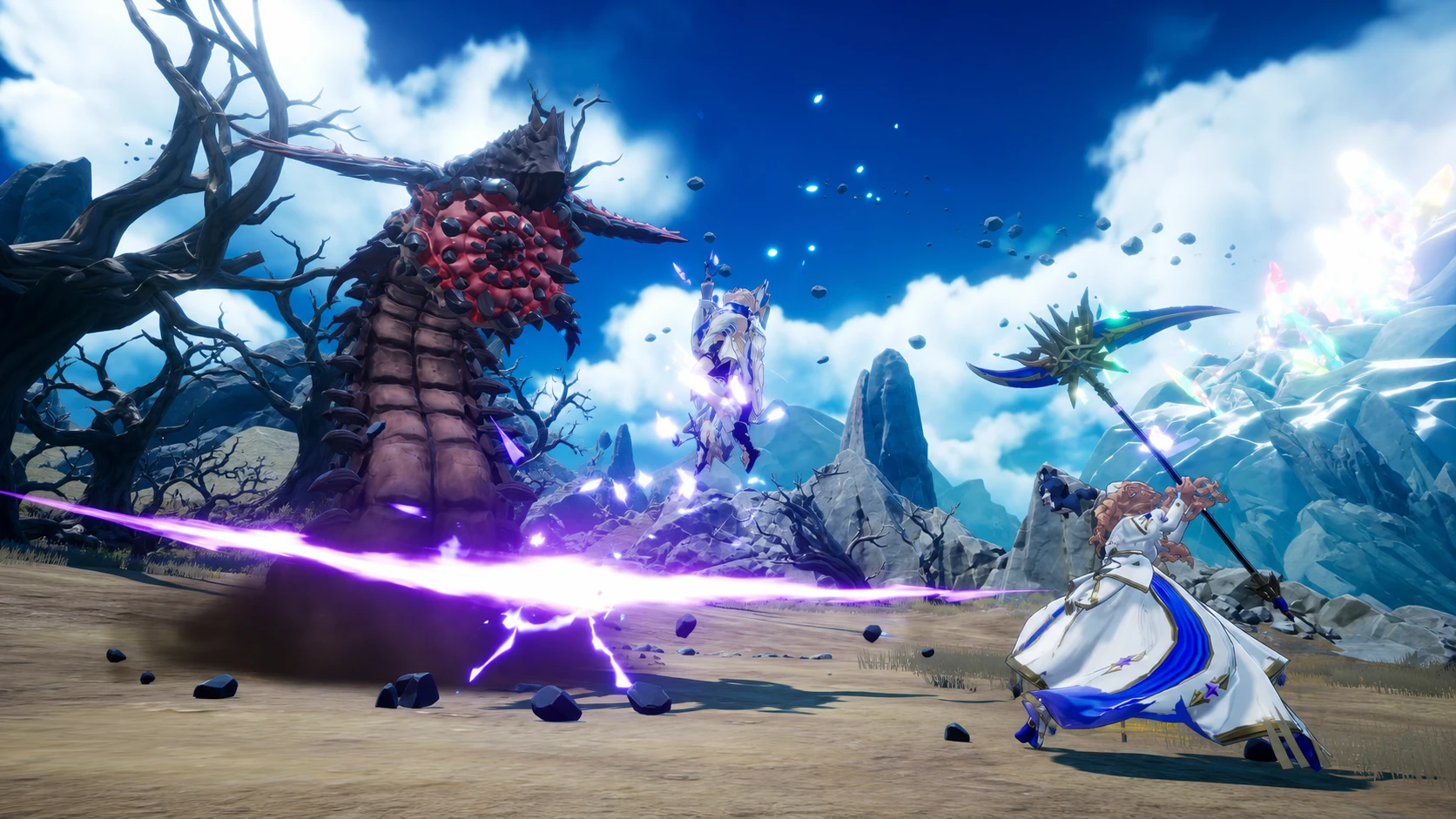
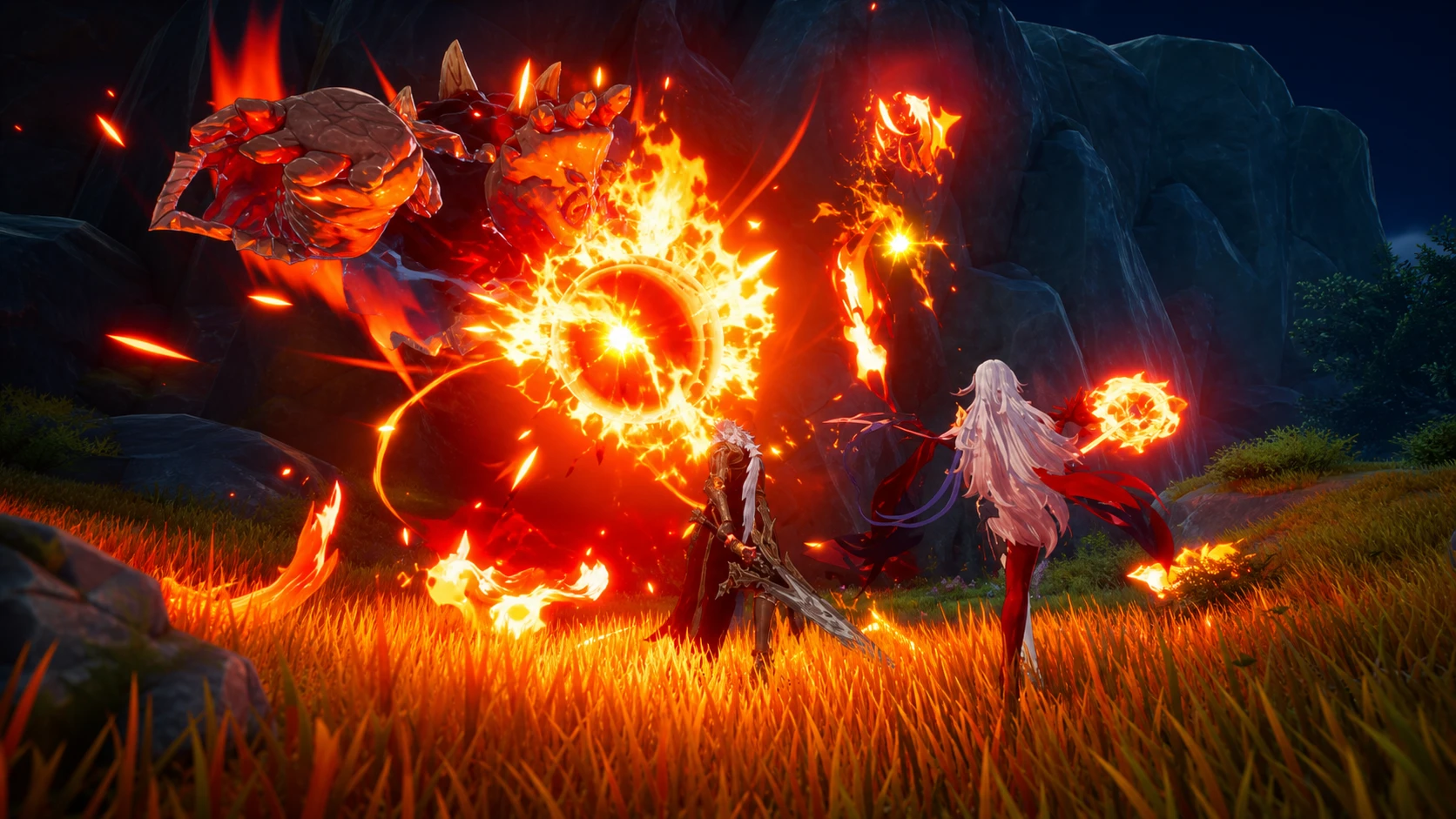
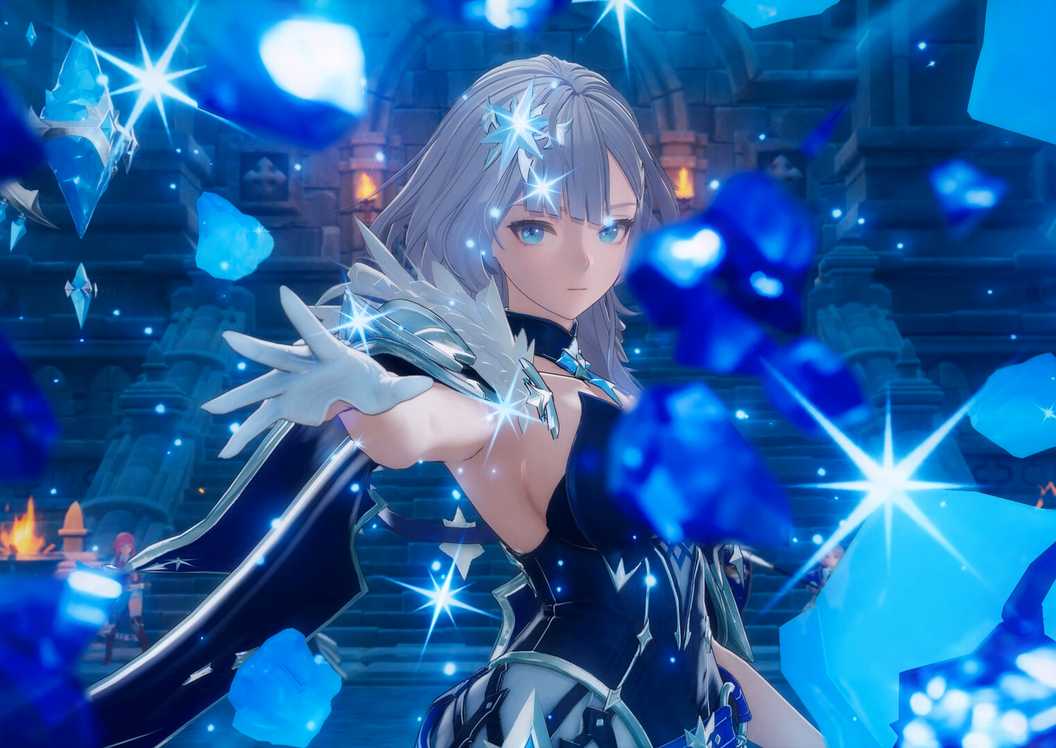
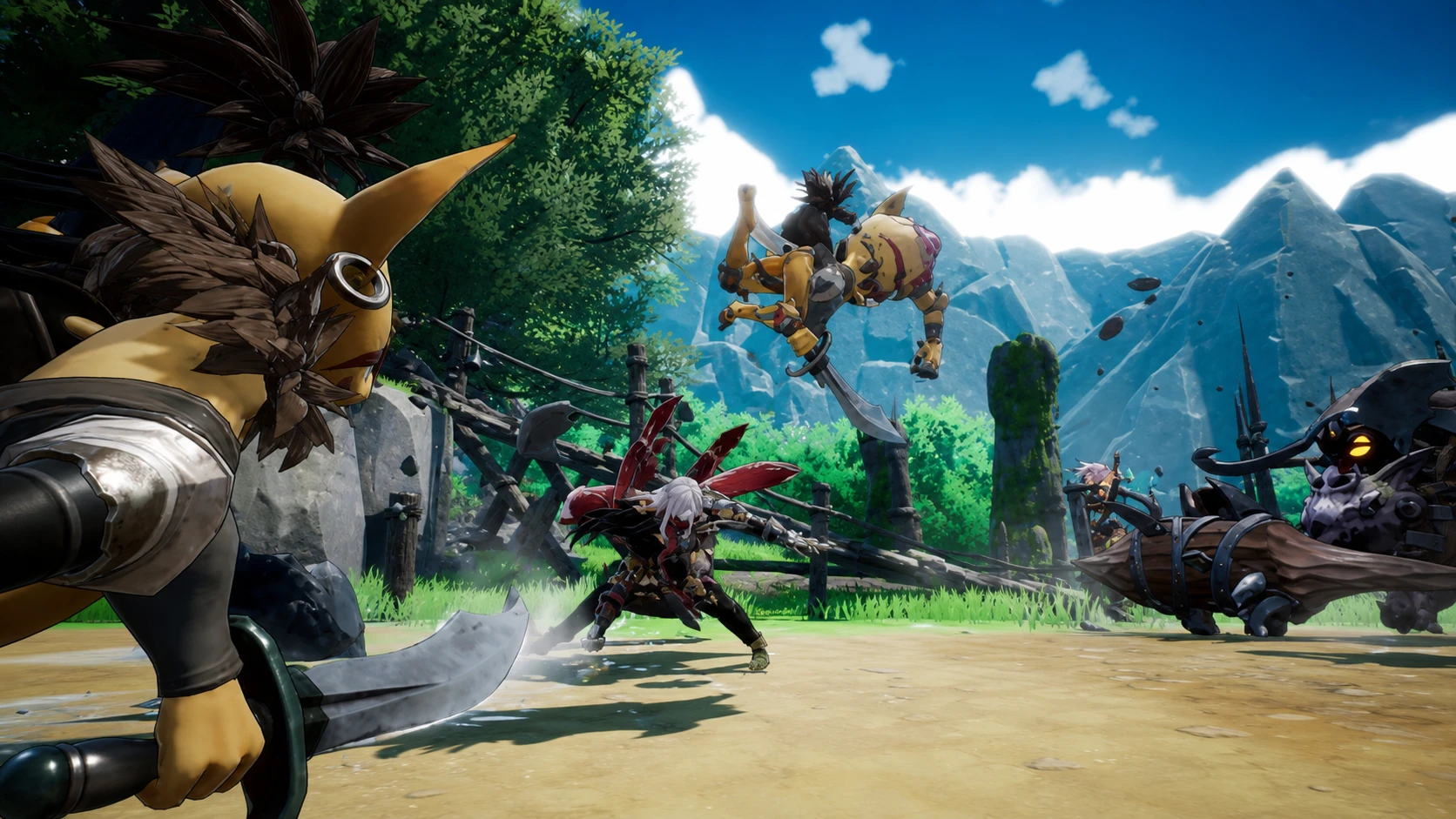
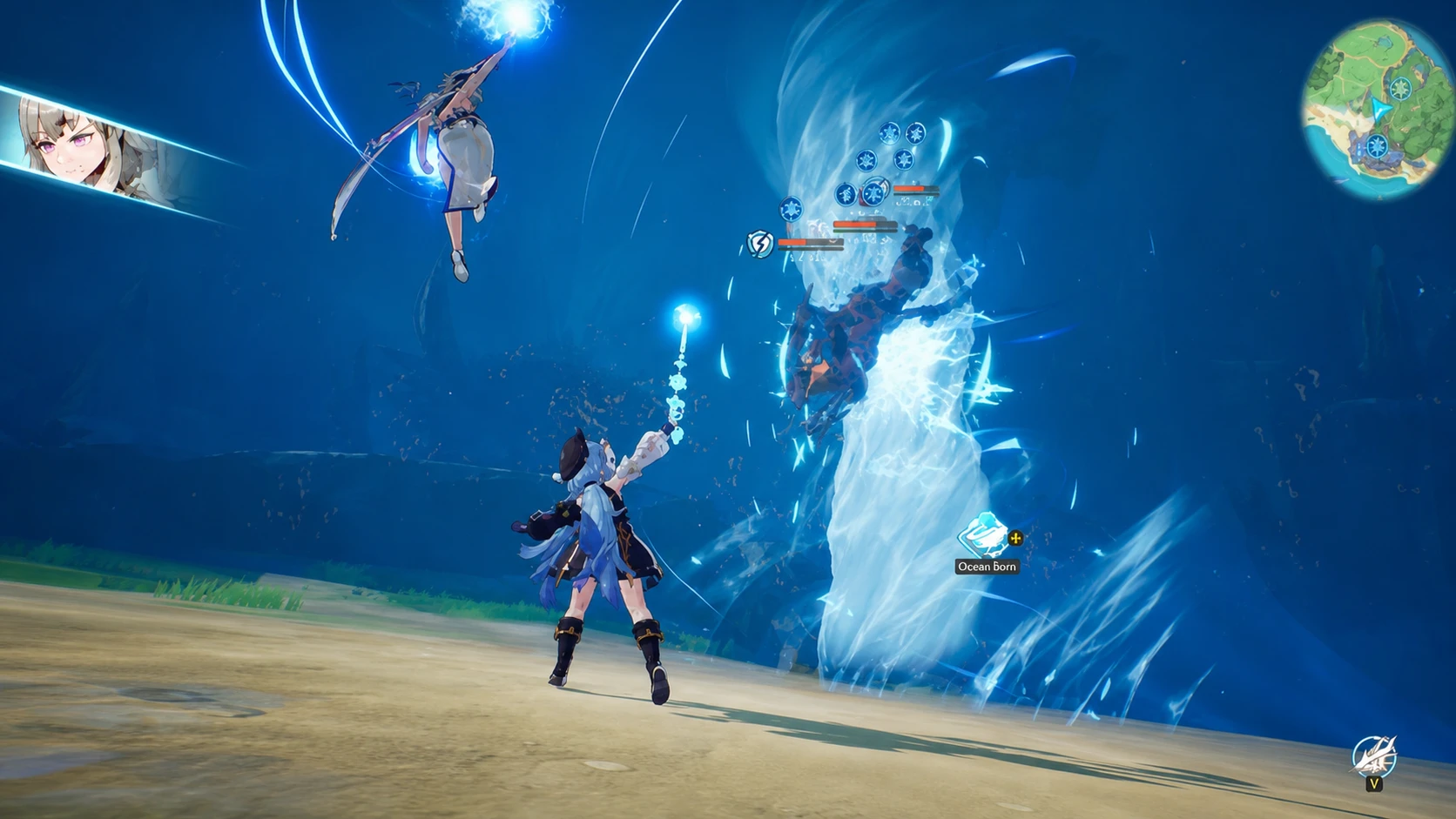
The game runs on Unreal Engine 5 and takes place in the colorful, anime-styled open world of Orbis. Combat is built around swapping between party members and chaining attacks. Applying status ailments can set off Signal Skills, which pull in another character to continue a combo. All 19 launch heroes are obtainable through regular gameplay, so progression comes from playing rather than spending.
Outside of fights, you explore, complete quests and dungeons, gather resources, cook, open chests and collect Familiars. Some activities support optional online co-op, but the experience is designed primarily for a single player. Monetization still exists, though it is kept to optional cosmetics like costumes and select Familiars sold as DLC.
| Detail | DragonSword: Awakening |
|---|---|
| Price | $29.99, buy-to-play |
| Platform | PC via Steam |
| Engine | Unreal Engine 5 |
| Playable characters | 19, all earnable in-game |
| Multiplayer | Optional peer-to-peer co-op |
| Paid DLC | Costumes, mounts, select Familiars |
| Developer/Publisher | Hound13 (both) |
The gacha systems that are still baked in
If parts of DragonSword: Awakening feel like a free-to-play title, that is because they started life as one. The large roster, character rarities, party switching, upgrade currencies and familiar-style companions were all designed around a gacha economy. Those systems did not disappear when the monetization did, which is why some players still notice mobile-style habits such as spongy enemies and frequent character swapping.
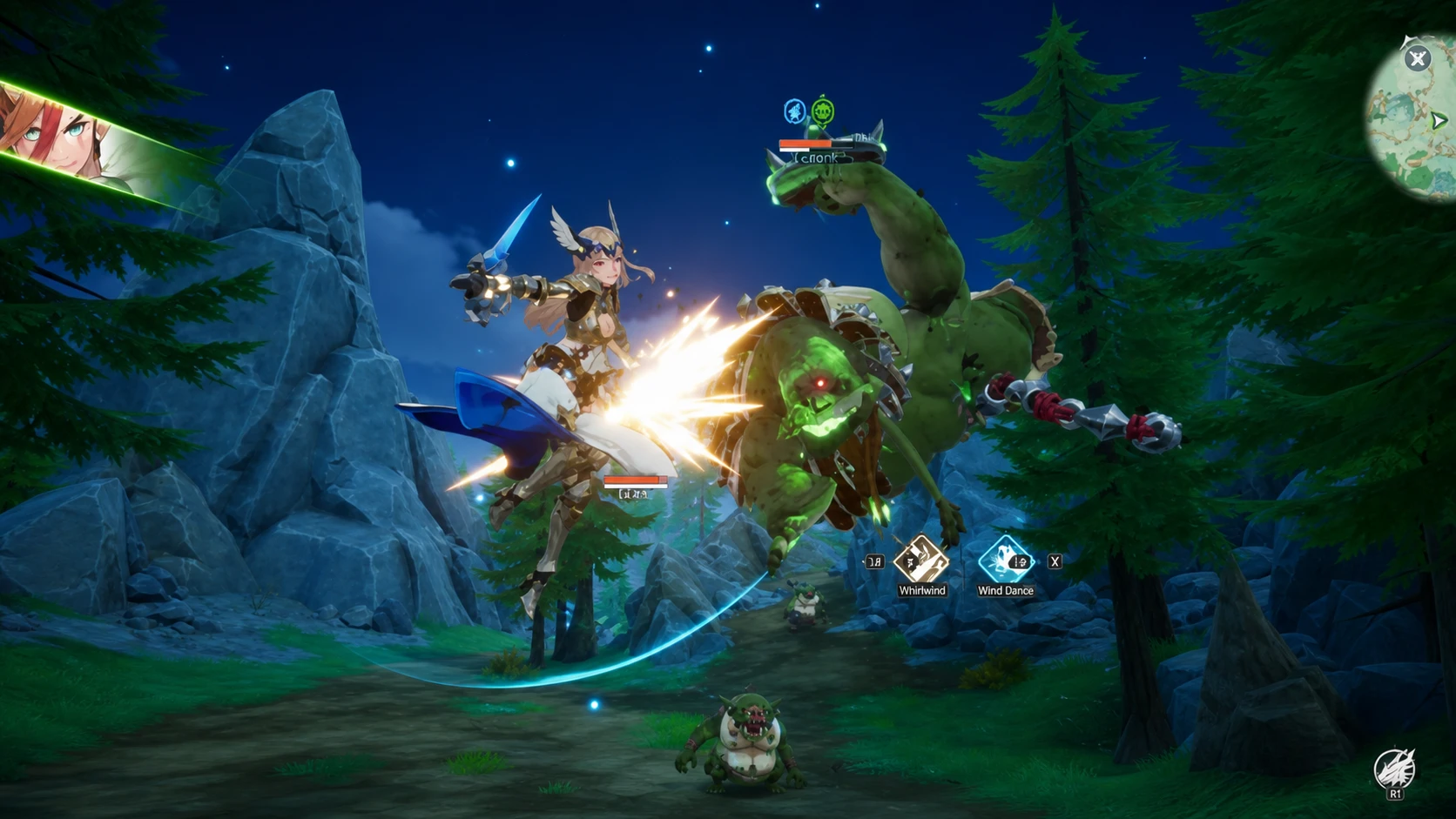
Development began under the working title Project D, expanding the character-switching combat from Hound13’s earlier game Hundred Soul into a larger semi-open world. It was formally revealed in December 2022 as a free-to-play game. Webzen later put roughly 30 billion won into Hound13, around $20 million at the time, and secured publishing rights. After a longer-than-planned development and a Korean closed beta, the free-to-play version launched on PC and mobile in South Korea on January 21, 2026.
Why the free-to-play version collapsed
Trouble started almost immediately after the Korean launch. Hound13 said Webzen failed to pay 60% of the remaining minimum guarantee it was contractually owed. A minimum guarantee is money a publisher promises the developer regardless of how well the game sells. Hound13 then moved to terminate the publishing agreement.
Webzen disputed the termination, argued that it was still the rightful publisher, switched off the game’s payment functions and offered full refunds for purchases made since launch. It eventually paid the outstanding 3 billion won on February 27, but Hound13 held that the late payment did not undo the earlier termination.
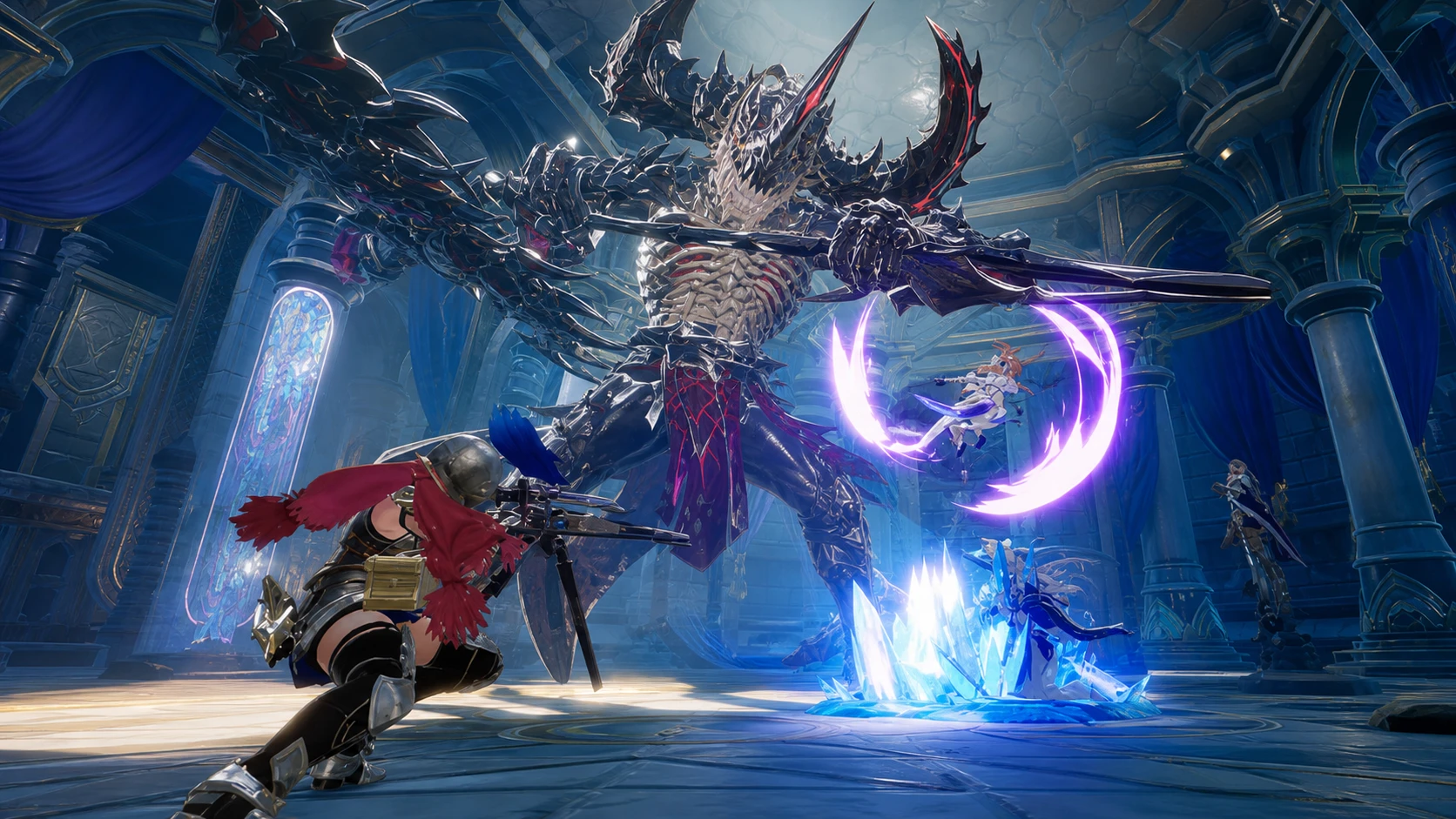
That left Hound13 with a finished game and no way to run it. There was no working monetization, no reliable publisher, no meaningful revenue, ongoing server and operating costs and an uncertain legal outcome. CEO Jung-Sik Park said keeping both the studio and the live-service game alive had become impossible while payments were blocked.
How the live-service game became a $30 package
Rather than shutting the project down, Hound13 chose to preserve the work by rebuilding it as a standalone package game. On April 10 it announced self-publishing plans and revealed the Steam version, renamed DragonSword: Awakening. The studio aimed for Steam Next Fest in June and a full global release in July, with no dedicated marketing budget.
The rework touched most of the game’s systems, moving it away from servers and monetization toward a complete, offline-first RPG.
| Original free-to-play version | Rebuilt DragonSword: Awakening |
|---|---|
| Server-dependent systems | Primarily offline single-player structure |
| Character banners and gacha pulls | All 19 World 1 characters earned through play |
| Rewards tuned around spending | Progression rebalanced around playing |
| Paid upgrade resources | Key upgrade resources earnable in-game |
| Online raids and multiplayer | Optional peer-to-peer co-op |
| Mobile-first interface | PC UI with full controller support |
| Live-service monetization | Post-purchase DLC limited to costumes and mounts |
Webzen filed suit and requested an injunction to stop the independent release, claiming the publishing deal was still valid and disputing Hound13’s right to self-publish material from the original game. In July, the Seoul Central District Court dismissed the injunction. By Hound13’s account, the court found that Webzen had not met its payment obligations and that Hound13’s termination was therefore lawful, while also rejecting Webzen’s separate claims over translated materials for lack of evidence. Hound13 then self-published DragonSword: Awakening on Steam in July 2026 at $29.99, listed as both developer and publisher.
Reception and player numbers
On Steam, DragonSword: Awakening has landed in “Very Positive” territory, and much of the praise is aimed directly at the decision to drop gacha in favor of a complete paid game. Reviewers highlight the combat, open world, character designs and the lack of aggressive monetization. Over its first weekend on Steam, the game reached a 24-hour player peak above 20,000, a solid figure for a debut release from a new self-publisher carrying an upfront price.
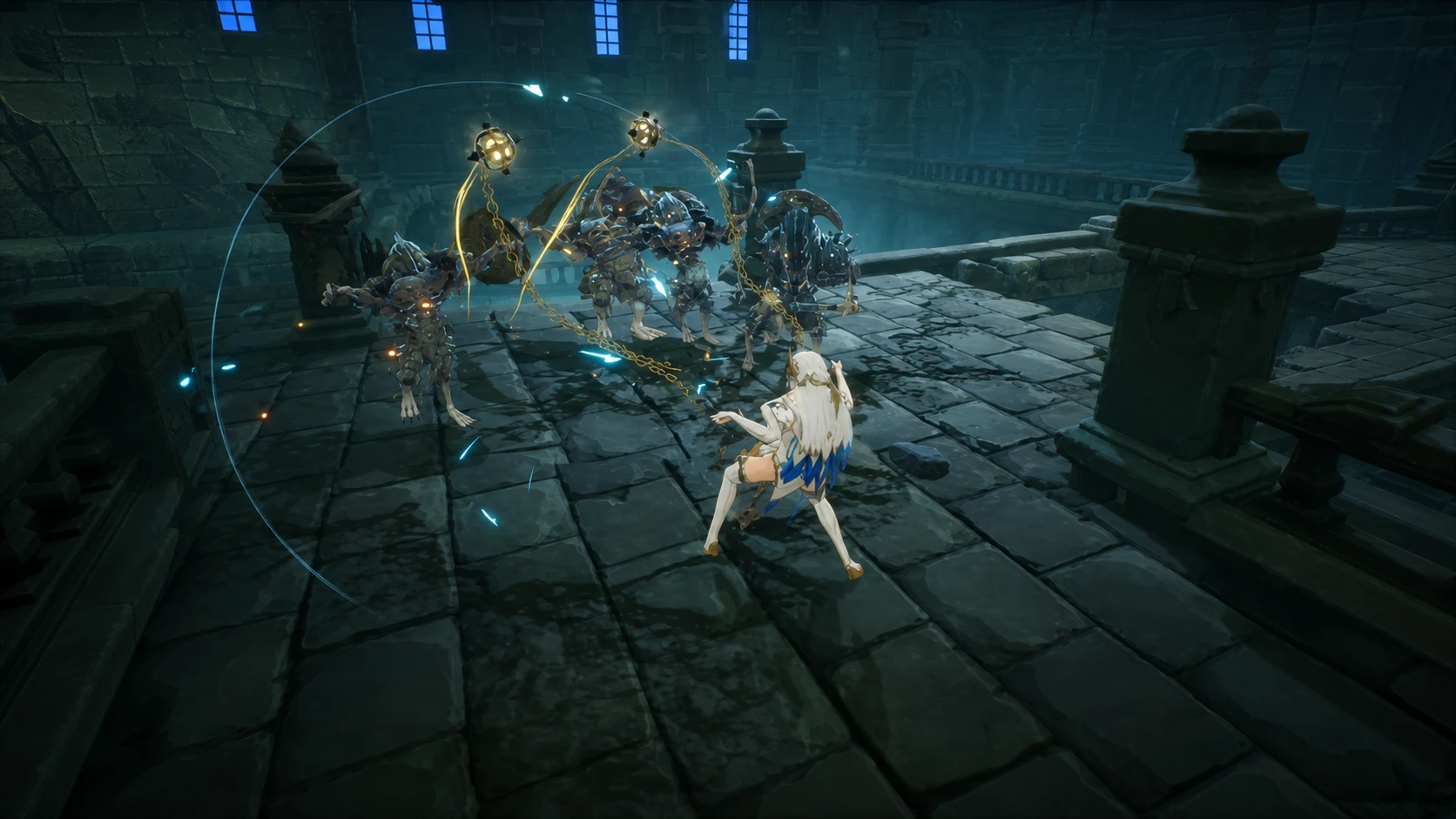
Not every reaction is glowing. Some players call out mobile-style holdovers such as bullet-spongy enemies and constant character switching, both carried over from the original design. Even so, the through-line in positive reviews is consistent: strip out the pulls and perpetual spending, keep the addictive combat loop, and the result is a game a lot of people wanted from the genre in the first place.
System requirements and Steam Deck
Despite running on Unreal Engine 5, the game is not especially demanding. Hound13 recommends installing it on an SSD and specifically warns against running it from a hard drive.
| Spec | Minimum | Recommended |
|---|---|---|
| CPU | Core i5-9400F | Core i7-9700F |
| RAM | 8 GB | 16 GB |
| GPU | GeForce GTX 1660 | GeForce RTX 3060 |
| Storage | 25 GB SSD | 25 GB SSD |
On Steam Deck, performance is reported as surprisingly stable for a UE5 open-world game. A locked 30 FPS is achievable with some setting tweaks, and less demanding areas can approach 60 FPS, though larger fights and bosses cause dips. A steady 30 FPS is the safest expectation for now.
It is still early to say whether DragonSword: Awakening can hold its momentum. What is clear is that Hound13 pulled off an unusual save, taking a short-lived Korean free-to-play game and turning it into a complete, mostly single-player RPG that sells its heroes, campaign and progression as one $30 package instead of through random pulls and endless live-service spending.