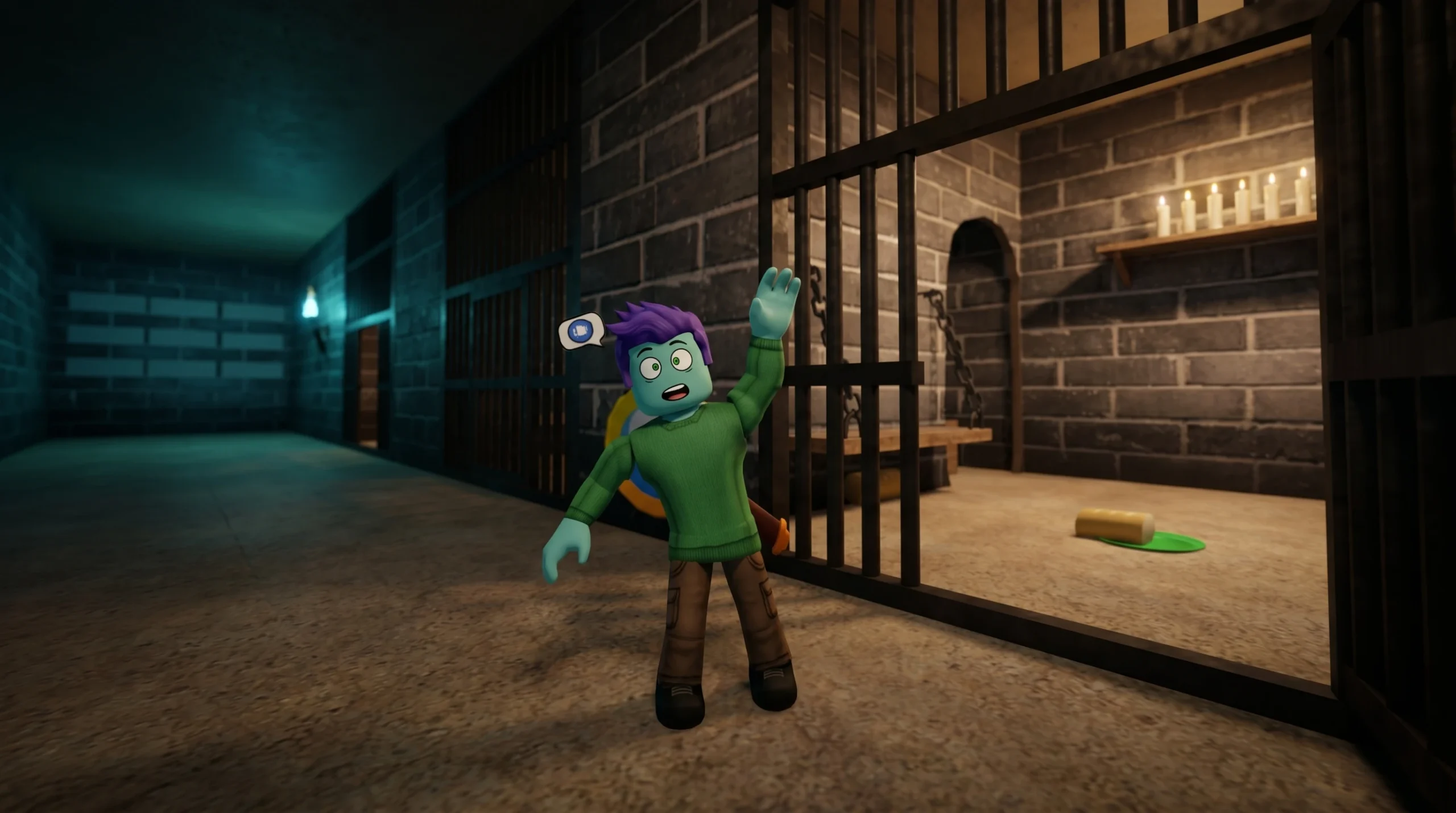
Escape Room: The Sealed Castle drops you inside a locked stone dungeon where every door is a puzzle and every room hides a clue. It is the second project from Escape Room Labs (ERL), and like most escape titles on Roblox, it leans on observation rather than combat. There are no enemies to fight in the castle. The only thing standing between you and the exit is a chain of locks, codes, and hidden triggers you have to read out of the environment itself.
Quick answer: Work each room in order. Search every surface for a number, lever, or colored cue, enter that value into the nearest keypad or pull the matching switch, and a door, shelf, or panel will open to reveal the path to the next room. The exit unlocks once the final code is entered.
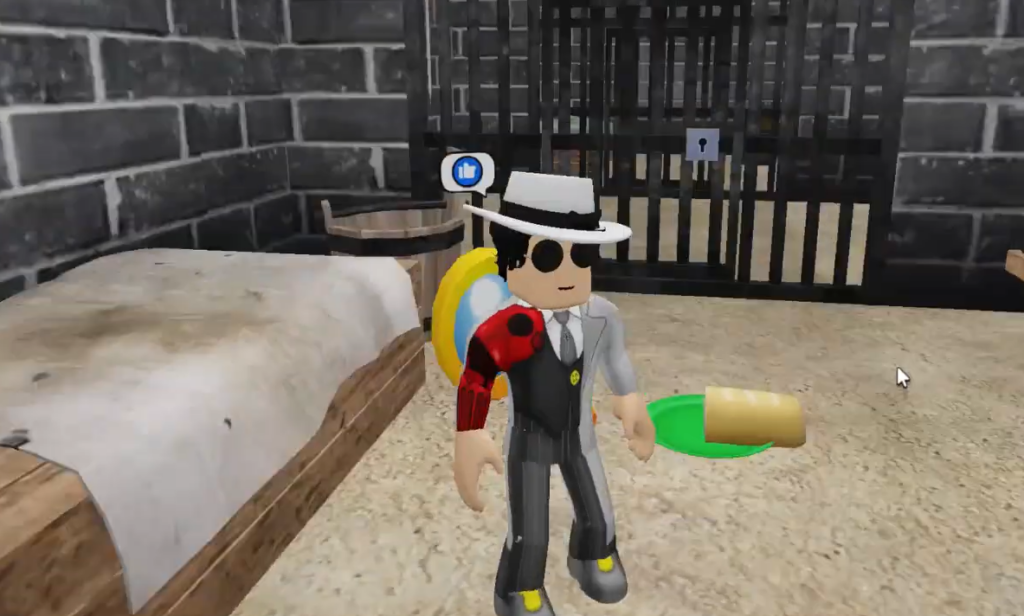
Play Escape Room: The Sealed Castle on Roblox
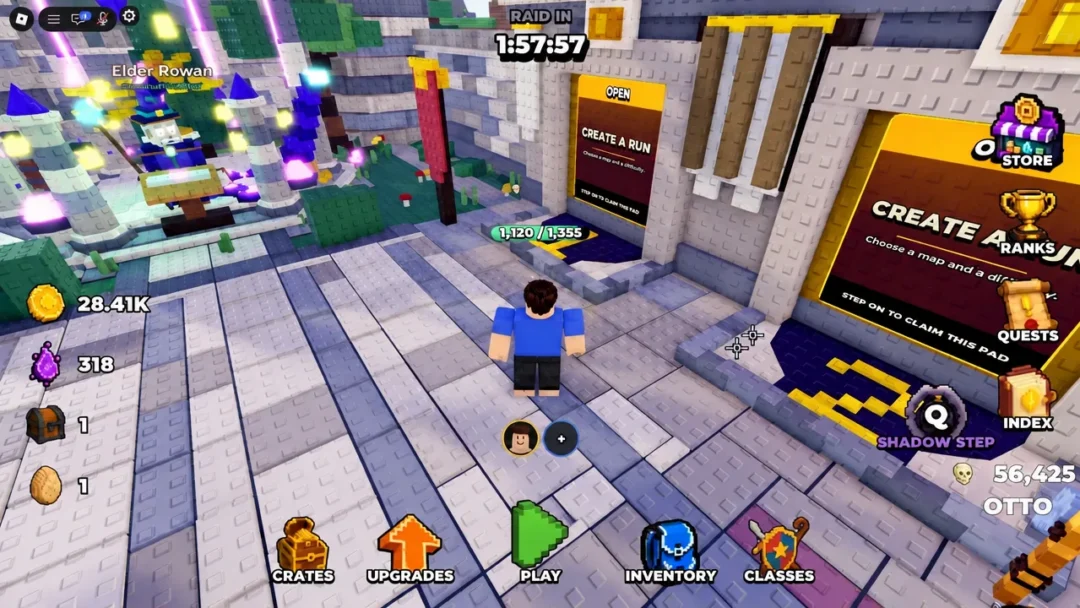
The game runs on Roblox, so you only need the Roblox app or a browser and an account to start. There is no separate download beyond Roblox itself. Launch the experience, wait for the dungeon to load, and you spawn directly inside the first sealed room.
How the dungeon puzzles work
The castle is built as a sequence of locked chambers. Each room contains one main lock and the clue needed to open it, and that lock leads to the next room. You cannot skip ahead, so treat the room you are in as the only puzzle that matters until it opens.
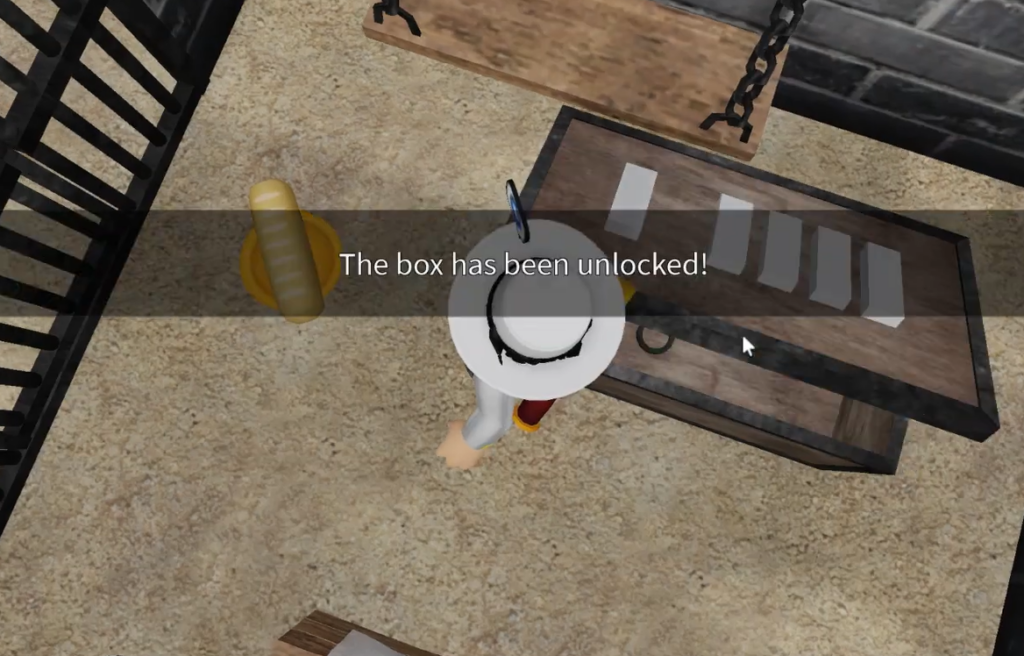
Almost every lock falls into one of a few familiar types. Recognizing the type quickly tells you what to look for.
| Lock type | What it needs |
|---|---|
| Keypad / number code | A digit code read from a clock, calendar, sign, or counted objects |
| Key lock | A physical key hidden in a box, drawer, or container |
| Lever / switch | A hidden lever that moves a wall, shelf, or painting |
| Sequence puzzle | Buttons or books pressed in a set color or number order |
Finding keypad codes in the room
When a door asks for a number, the answer is usually written somewhere in the same space. The trick is knowing which objects in an escape room are meant to be read as numbers.
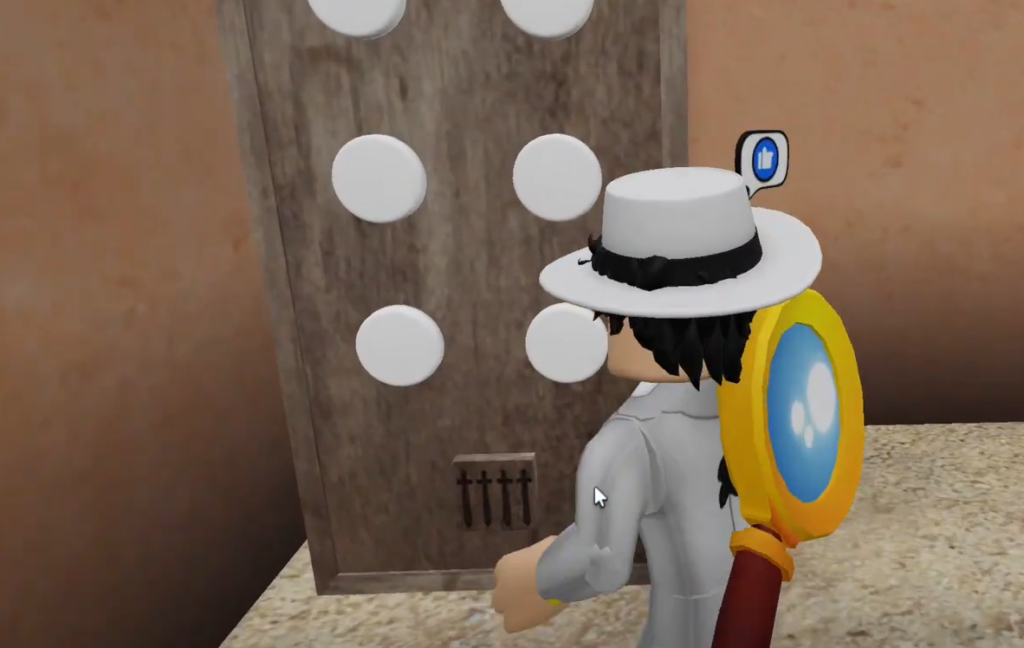
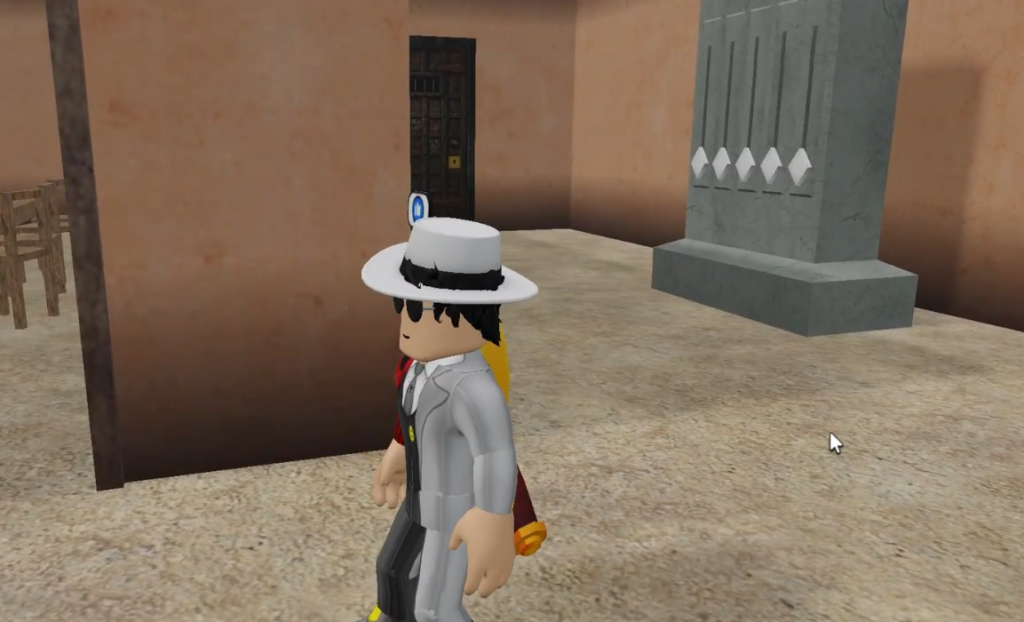
Hidden levers and secret passages
Not every barrier is a coded door. Some walls, paintings, or shelves only move when you flip a switch tucked out of sight. These are easy to miss because the lever is rarely next to the thing it controls.
- Check behind pillars, chairs, and furniture for a small lever you can click.
- Look at large paintings closely. A nearby switch can make one transparent so you can walk through into a hidden corridor.
- Watch for a wall that looks slightly different from the others. Clicking the right spot can open a passage.
- Listen for a click or rumble after you interact with an object. That sound usually means a shelf or panel just shifted somewhere in the room.
Keys hide the same way. A small box or container in a corner or under a table often holds the key you need, so open everything that can be opened before assuming a room is stuck.
Color and order sequence puzzles
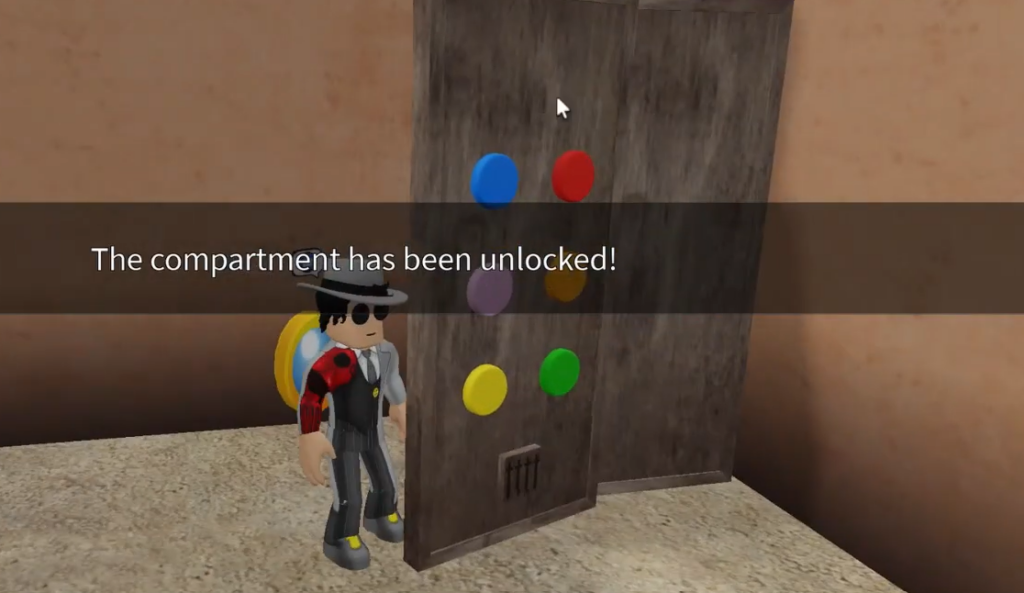
Some doors are guarded by a row of buttons or a set of books that must be pressed in a specific order. Pressing them randomly will not work, and a wrong press often resets the puzzle.
The order is always shown somewhere nearby. It might be the colors of objects arranged on a surface, a pattern on the floor, or a list you can read on a wall. Match the buttons to that pattern exactly. If you see colored items lined up as red, blue, then green, press the matching buttons in that same sequence.
What to do when a code is randomized
Many Roblox escape games scramble their codes each session so a fixed answer will not help. If a number does not match anything fixed in the room, the puzzle is generated for your run, and you have to find that run’s clue.
- Search for paper scraps in drawers, behind furniture, or on the back of doors. Randomized codes are almost always written down somewhere.
- Count objects that match the number of keypad slots. Four windows, four candles, or four chairs can each stand for a digit, and their state can represent a value.
- Listen for audio cues. Some locks beep or click, and the number of sounds gives you each digit.
You know a room is solved the moment its lock reacts. A door swings open, a shelf slides aside, a vent pops loose, or a new path appears. Keep moving room to room using the same loop, and the final code drops you at the castle exit and out of the dungeon for good.