Clay is one of those Graveyard Keeper 2 materials the game expects you to stumble onto by accident. Nothing points you toward it, no quest marker appears, and the recipes that need it show up in your menus long before you know where to dig. The good news is that there is a single, refillable clay node sitting a short walk from your own front door.
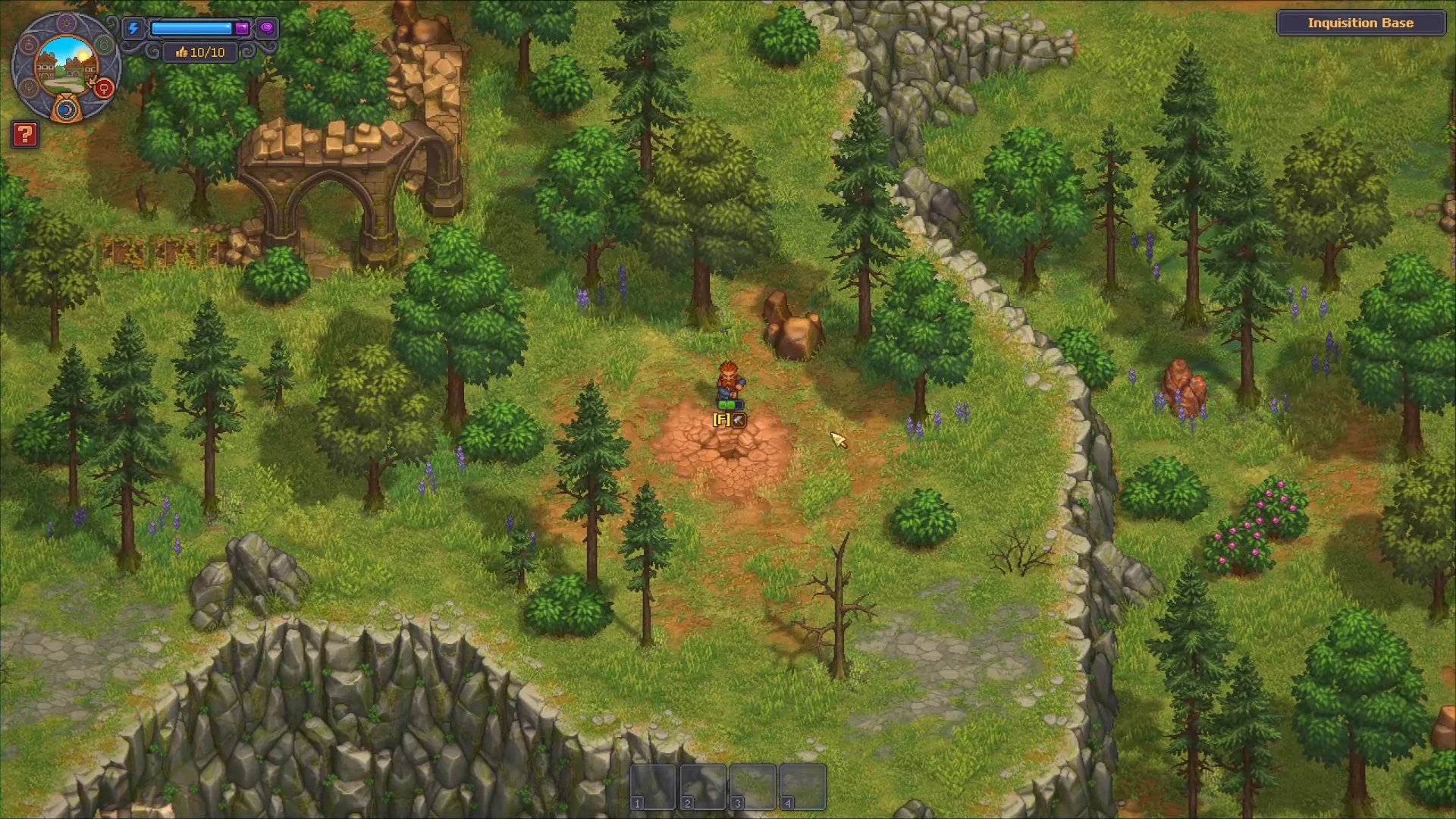
Quick answer: Equip your Rusty Shovel, walk southeast from the Yard through the Inquisition Base, and dig the large circular clay pit in the ground. Each dig costs 6 energy and gives 4 Clay.
What you need before digging clay
Clay is a mineral node, so your axe will not touch it. Check these three things before you leave the Yard, because walking back for a tool wastes energy you could have spent digging.
- The Rusty Shovel in your character inventory — this is the tool the pit responds to.
- Enough energy for several digs, since each swing drains your energy bar.
- Food in your bags if you plan a big haul, because long stretches of gathering build up fatigue.
Clay pit location: Southeast of the Yard, inside the Inquisition Base
The deposit is still on home turf. You never cross the river or leave the Inquisition Base to reach it, which is exactly why so many players miss it while hunting the wider map.
F to dig. Hold the interaction to repeat it and the clay stacks straight into your inventory.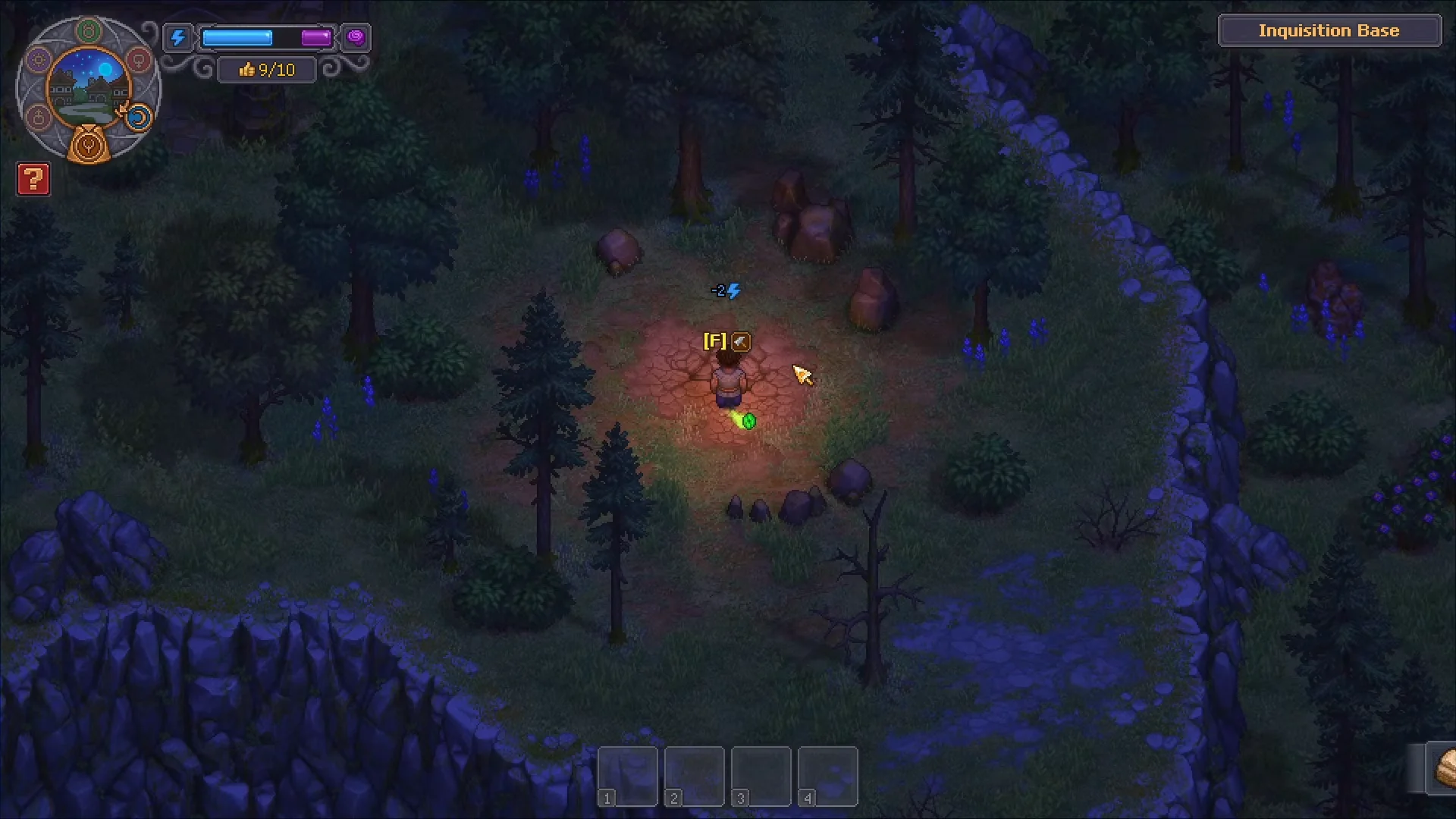
Clay yield, energy cost, and respawn
Your energy bar, not the node, is the real limit here. The pit does not deplete, so the only thing deciding how much clay you leave with is how many swings you can afford before fatigue sets in.
| Detail | Value |
|---|---|
| Tool required | Rusty Shovel |
| Energy per dig | 6 |
| Clay per dig | 4 |
| Node depletes | No — unlimited |
There is no reason to hoard clay early. Since the deposit is permanent and close to home, dig what a recipe actually needs and come back later rather than burning a full energy bar on stockpiling.
What clay is used for in Graveyard Keeper 2
Raw clay does nothing on its own. It only becomes useful once you open the Tech Trees menu and buy into the Building branch, where the clay-processing stations live.
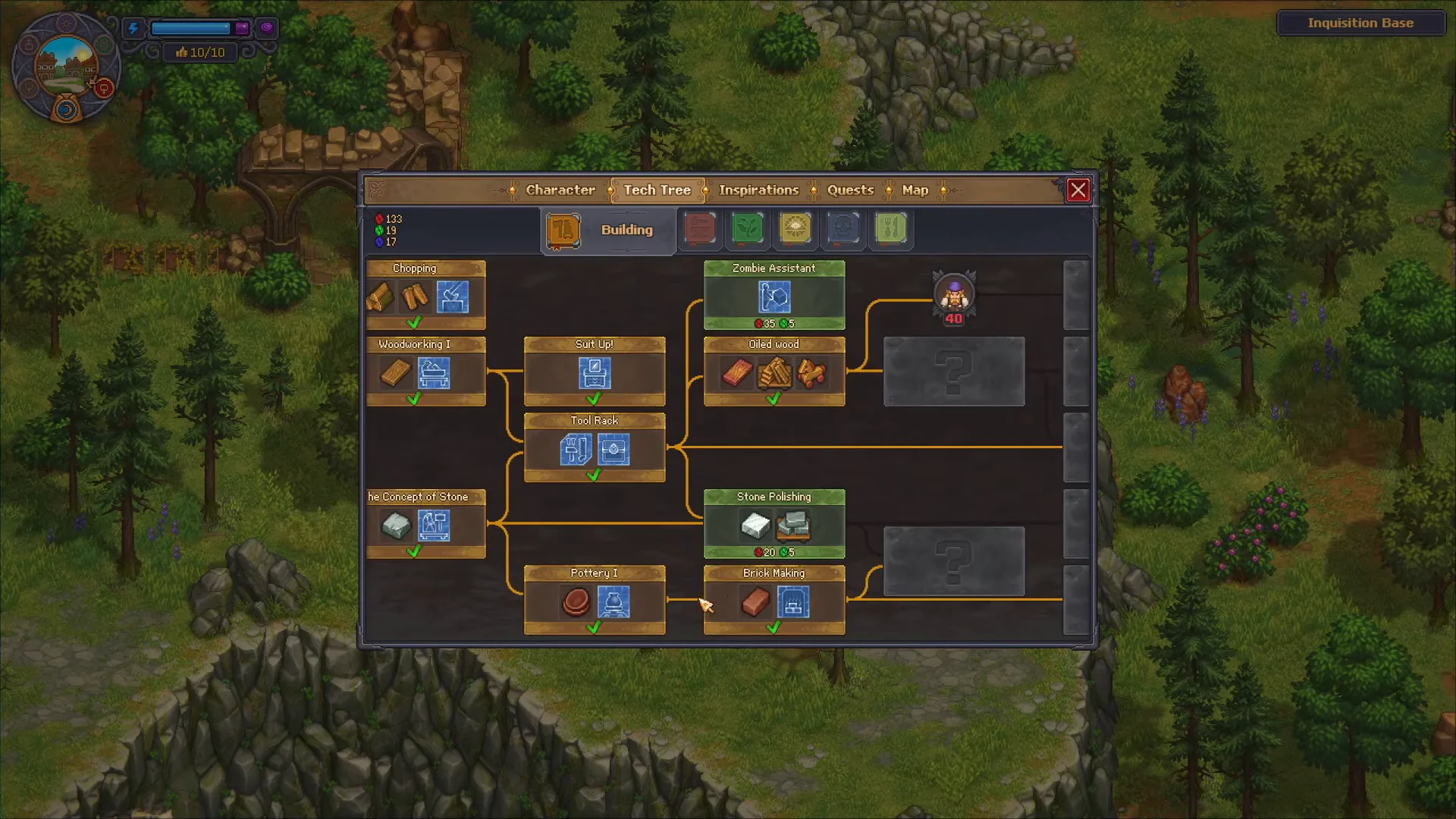
| Tech (Building branch) | What it unlocks |
|---|---|
| Pottery I | Clay Plates recipe and the Potter’s wheel blueprint |
| Brick making | The Kiln blueprint |
Pottery I and the Clay Plates for the Twins
Pottery I costs 10 Red and 5 Green Tech Points, and it is the gate on one of the earliest quests in the game. The Twins across the river want six Clay Plates in exchange for your first fishing rod. The Potter’s wheel itself is built at your Yard crafting bench from two Wooden Planks and one piece of Stone, and its recipe turns 2 Clay into 3 Clay Plates — so four clay covers the whole request in two crafting cycles.
Brick making and later clay demand
Brick making hands you the Kiln blueprint and pushes clay into your building chain properly. Clay demand also spikes once the plague doctor’s opening quests unlock the laboratory, where it is used to process the fat you have been pulling out of corpses as a mortician.
Workstations only pull materials from storage in their own area. Clay sitting in a chest by your garden is invisible to a bench outside your house, so keep a stock wherever you actually craft with it, or carry it on you.
How to confirm the clay dig worked
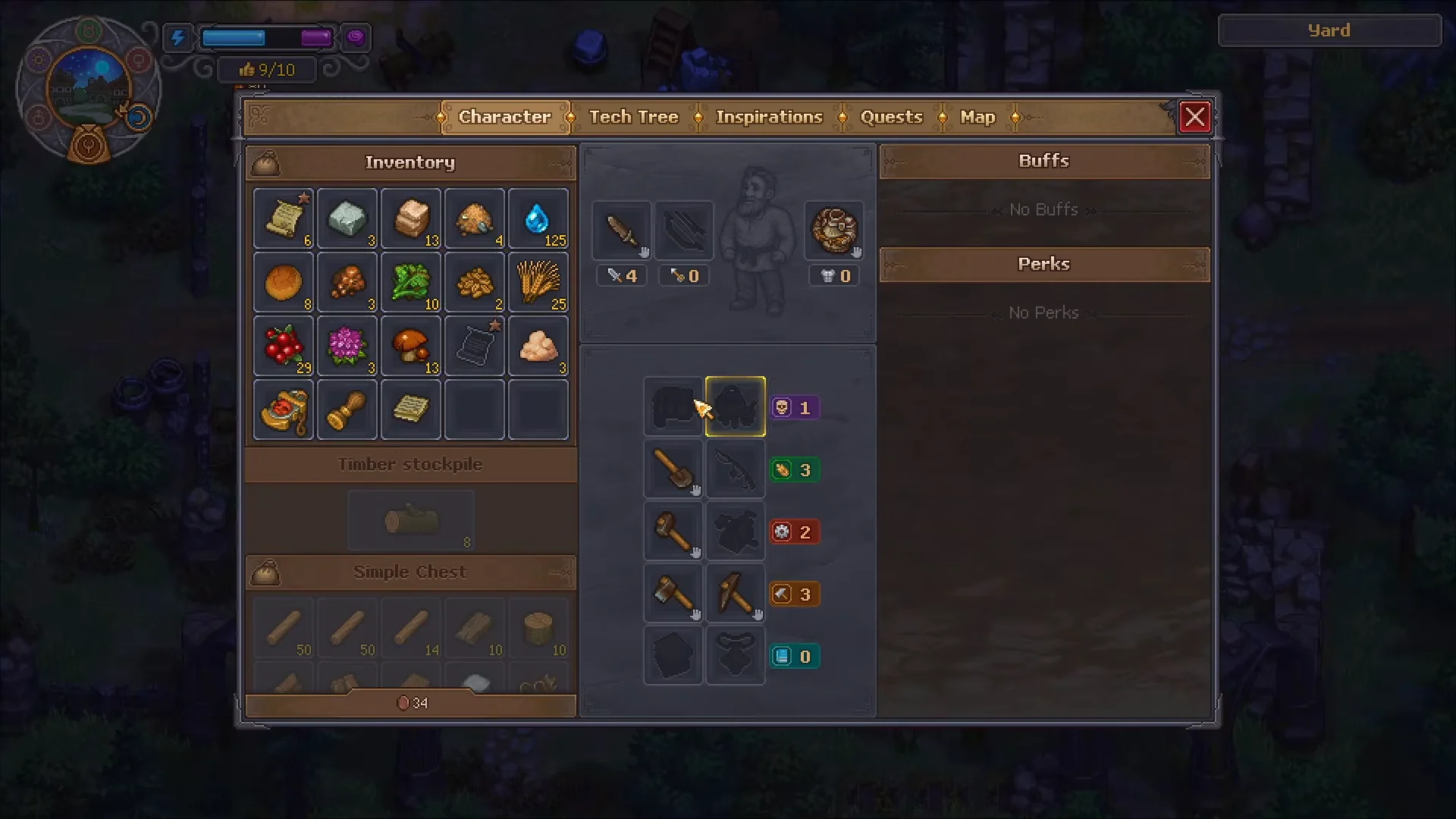
Every successful dig drops Clay straight into your inventory as an item, and your energy bar ticks down by six. Open the character screen and you should see the stack grow by four per swing.
The second check is at the Potter’s wheel. Walk up to it with clay in hand and the Clay Plates option should be selectable rather than greyed out. If the recipe or the wheel blueprint is missing entirely, the clay is not the problem — Pottery I has not been purchased yet, and no amount of talking to the Twins will unlock it for you. Buy the tech, build the wheel, and the four clay from that pit southeast of your Yard is all that stands between you and a fishing rod.