The Heavy Bowgun in Monster Hunter Wilds: Ascendance gains a new layer on top of its existing ammo economy through the Boost Bracer, the expansion-wide hunting action that touches all 14 weapon types. For the Heavy Bowgun specifically, that means a continuous energy beam, a way to load overcharged shells, and reload animations that double as evasive movement.
Quick answer: Build Boost Bracer energy by attacking aggressively, then fire a Boost Driver to activate Boost. While Boost is active, the Heavy Bowgun can chain two compressed rounds back to back, reload out of dodges, and fire with reduced recoil.
How Boost works on the Heavy Bowgun
The Boost Bracer is not a weapon-specific gimmick. Every weapon builds Boost energy by staying on the offensive, and every weapon has its own way of spending it. The on-screen rule is short and consistent across the breakdowns: “Boost Drivers are powerful attacks that activate Boost,” and “While boosted, certain actions are temporarily enhanced.”
Capcom’s three-line summary for this weapon is equally blunt. Boost unleashes the Boosted Compression Cannon, lets you load and fire overcharged rounds, and reduces recoil. Everything else in the Heavy Bowgun showcase is a variation on those three points.
Boost Driver: The Compression Cannon laser beam
The Heavy Bowgun’s Boost Driver is a sustained blue energy beam rather than a single shot. It behaves like a genuine cannon discharge, with enough recoil to physically shove the hunter backward while the beam is firing. That pushback is not just cosmetic. It changes your spacing mid-attack, so you finish the beam further from the monster than where you started.
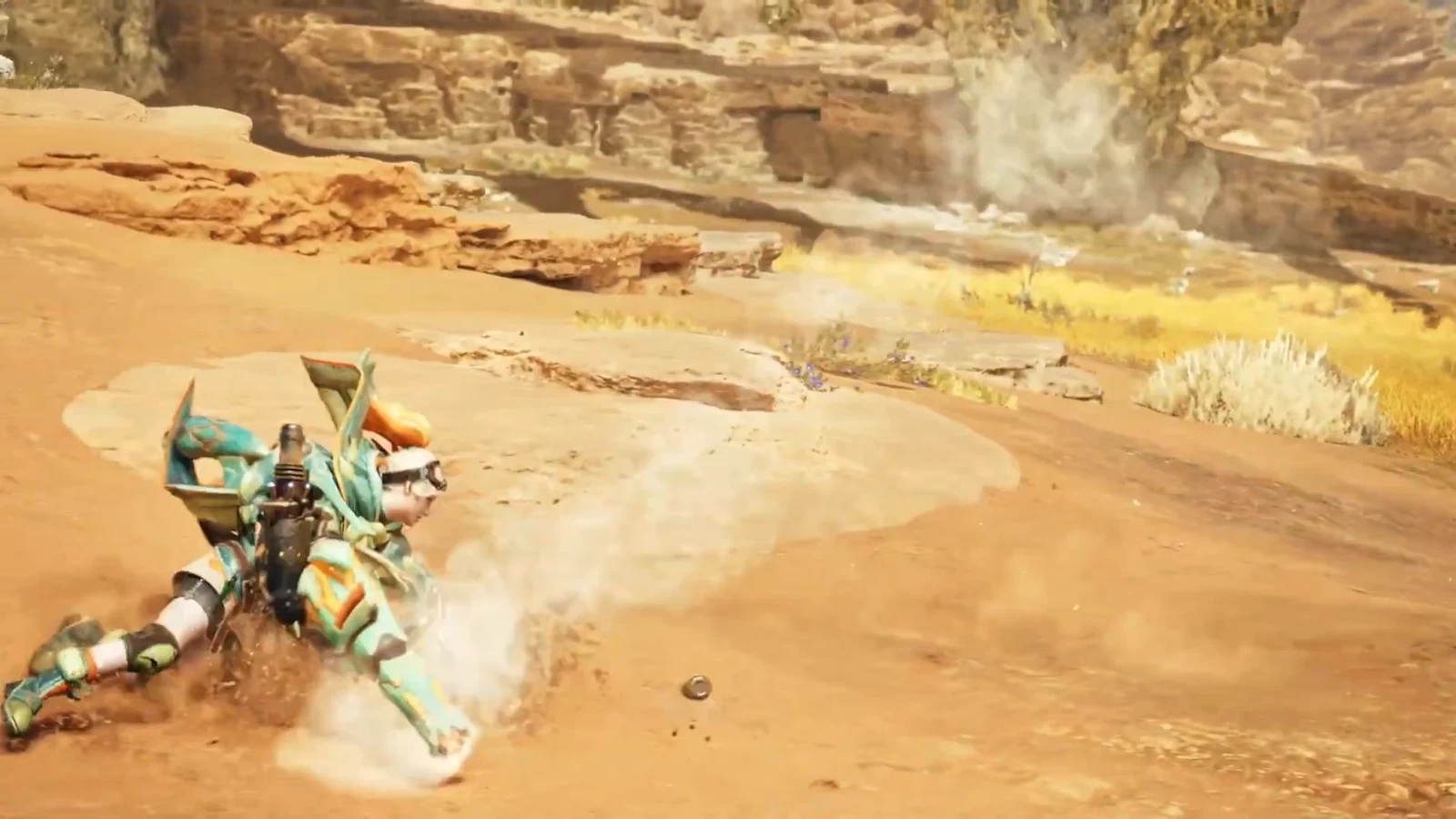
The beam is not a full commitment either. It transitions directly into a roll, so the recovery is a dodge instead of a long animation lock. Firing the Boost Driver is also the entry point into Boost, which makes it both an opener and a state change in one input.
Overcharge and compressed rounds
Overcharge is described in-game as loading enhanced compressed rounds. When they are chambered, the ammo readout swaps to blue shell icons marked with plus signs, which is the clearest way to confirm the load actually happened before you commit to a shot.
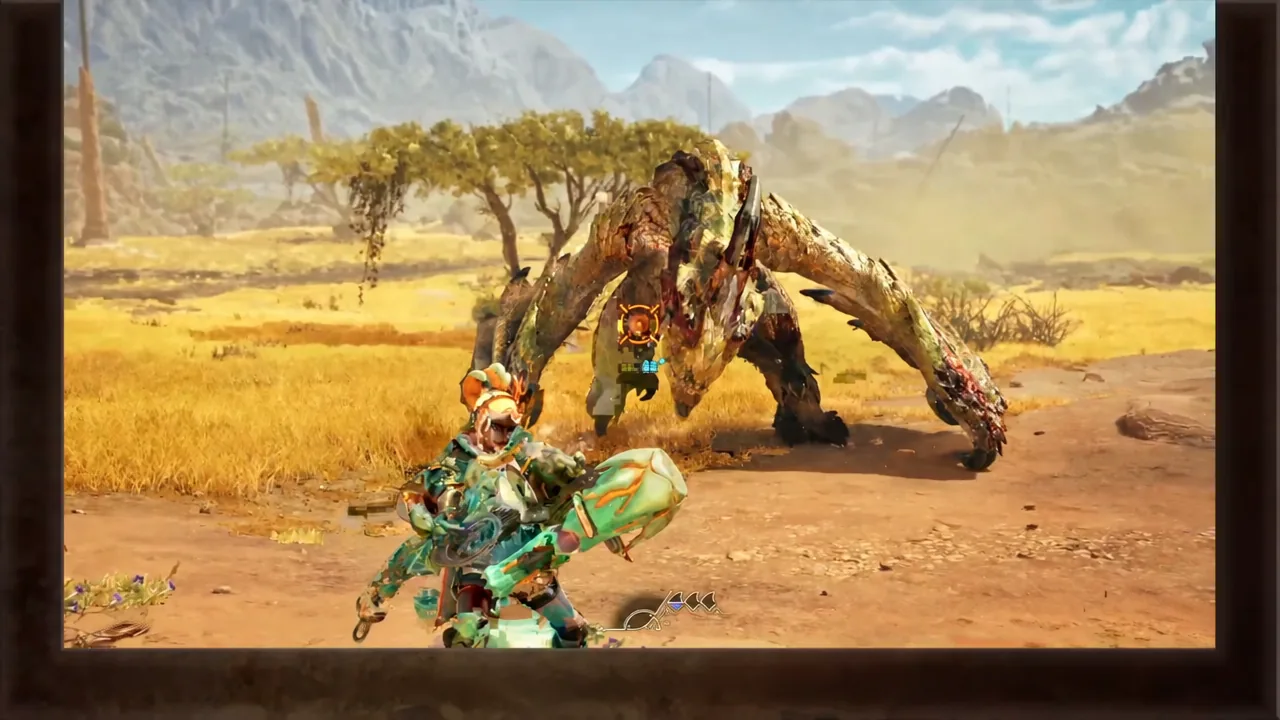
Firing a compressed round produces a large blast and heavy recoil. Importantly, Overcharge “can also be performed while not boosted,” so the loading step is available outside of Boost. Boost is what upgrades the payoff: while boosted, you can fire two compressed rounds back to back instead of one.
Boosted mobility: reload dodges and slides
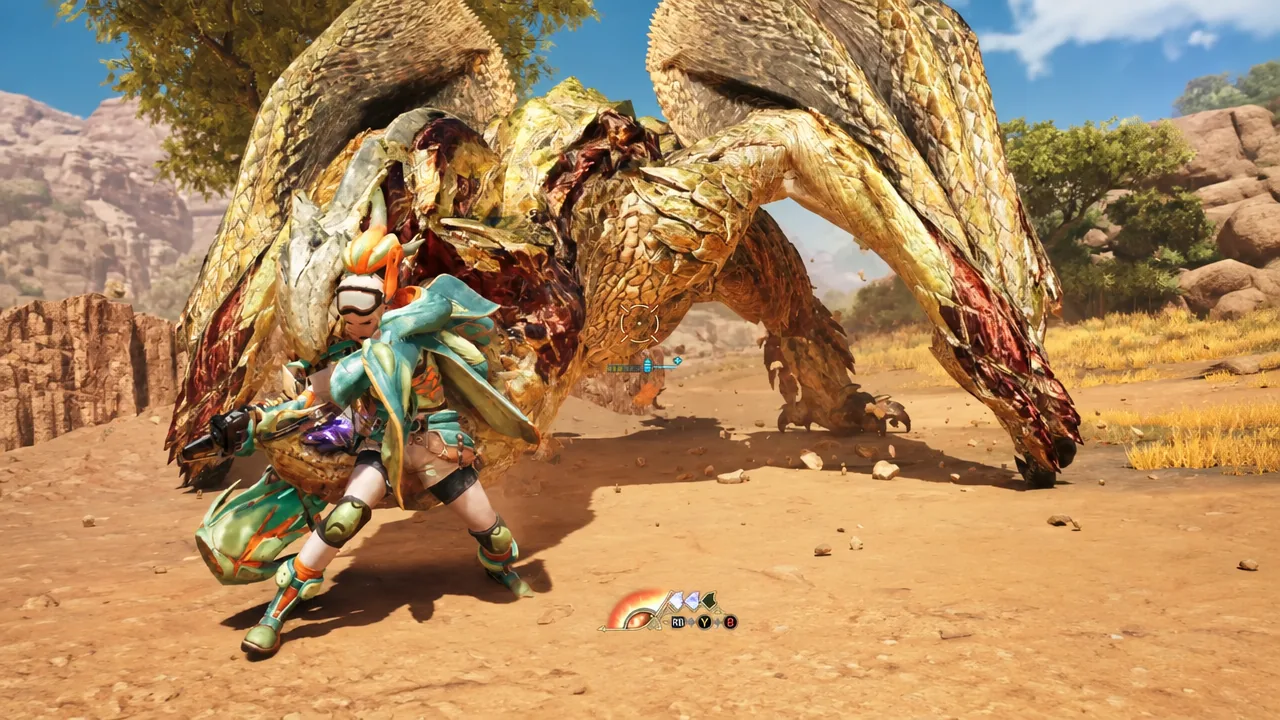
Reloading has historically been the Heavy Bowgun’s most punishing dead time. Boost folds it into movement. While boosted, the hunter can reload during a backward dodge, and there is a forward sliding reload that closes distance instead of surrendering it. One sequence runs beam, dodge, forward sliding reload, then a double compressed shot without stopping to stand still.
Reduced recoil sits alongside this. Less recoil means less repositioning after each shot, which matters when the weapon’s own beam already pushes you backward.
Guard counter and cluster sticky ammo
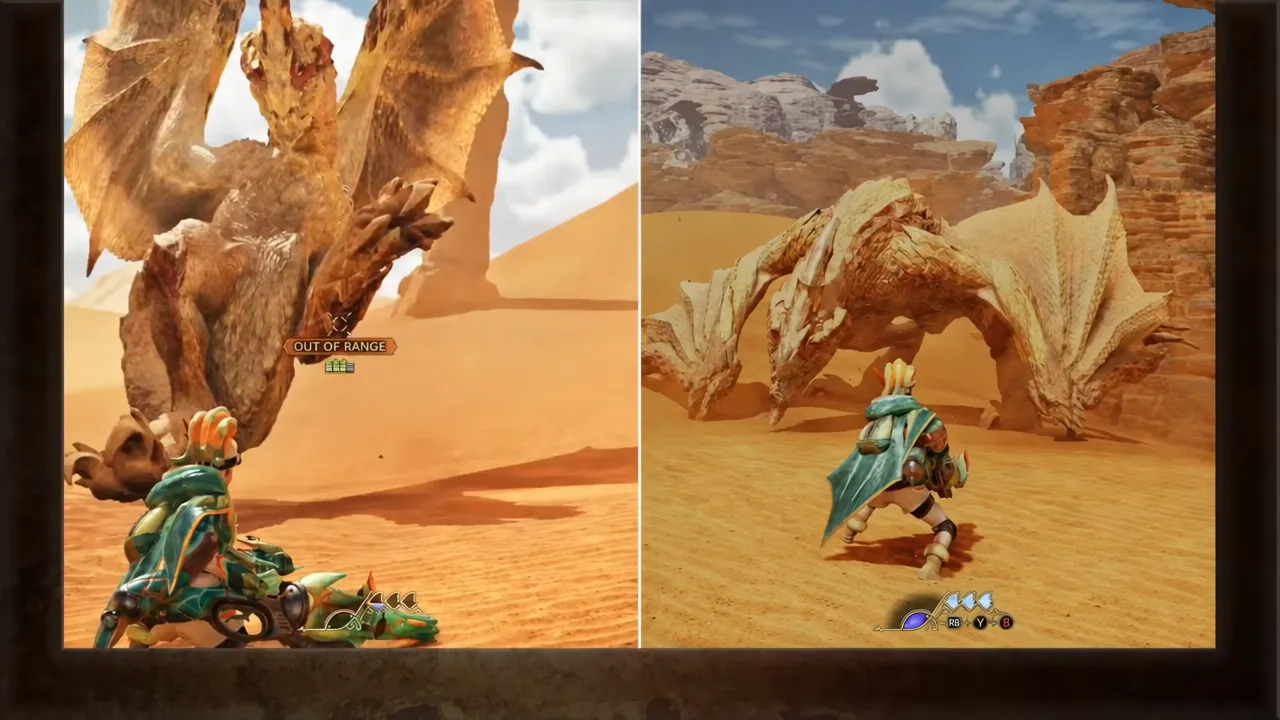
A blue energy charge appears when the hunter blocks a monster attack and immediately answers with a laser blast, which functions as a perfect guard counter. It gives the weapon a defensive option that ends in damage rather than just absorbing a hit.
There is also a special ammo type that scatters a cluster of sticky bombs in one shot. Firing it while boosted is what leads into the backward reloading dodge, so the ammo and the mobility change are usable in the same combo.
Heavy Bowgun Boost actions: Quick reference table
| Action | Effect | Needs Boost active? |
|---|---|---|
| Boost Driver (Compression Cannon) | Sustained laser beam, pushes hunter back, cancels into a roll | No — it activates Boost |
| Overcharge | Loads enhanced compressed rounds, shown as blue shell icons with plus signs | No |
| Compressed round shot | Single large-blast shot with heavy recoil | No |
| Double compressed round | Two compressed rounds fired back to back | Yes |
| Reload dodge / sliding reload | Reload while moving backward or sliding forward | Yes |
| Reduced recoil | Less pushback between shots | Yes |
The Araketa Heavy Bowgun and armor set
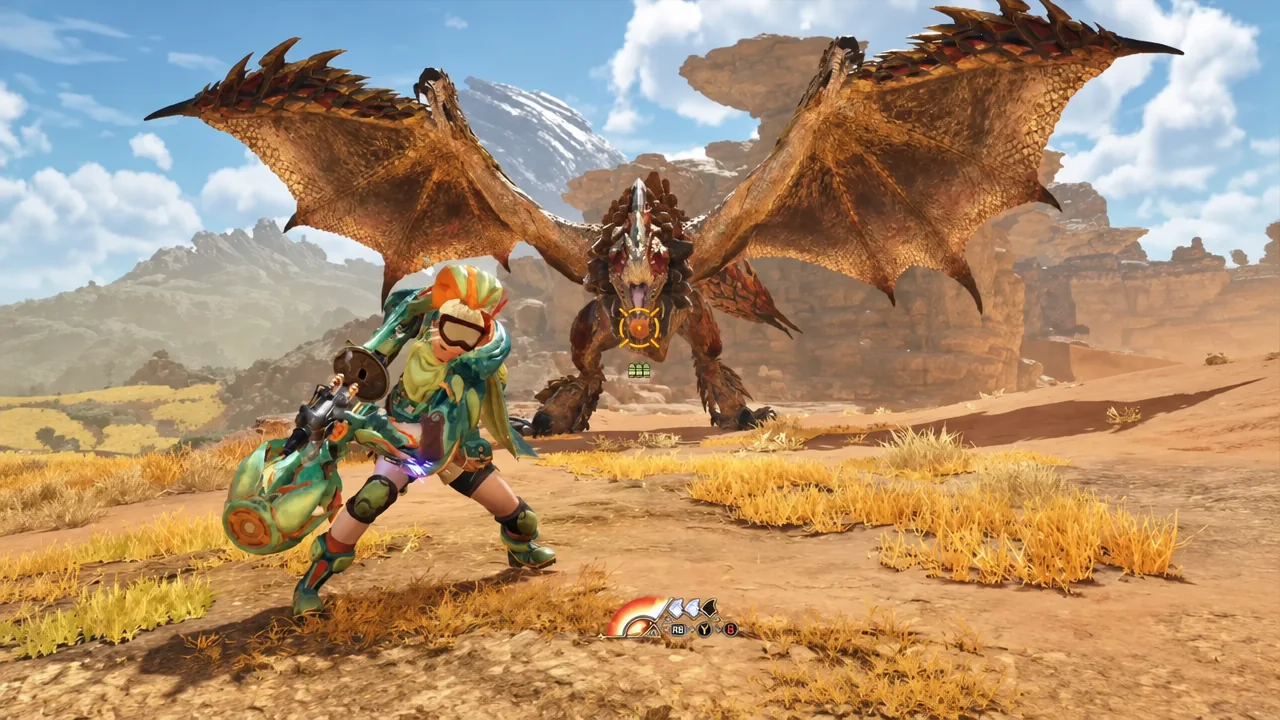
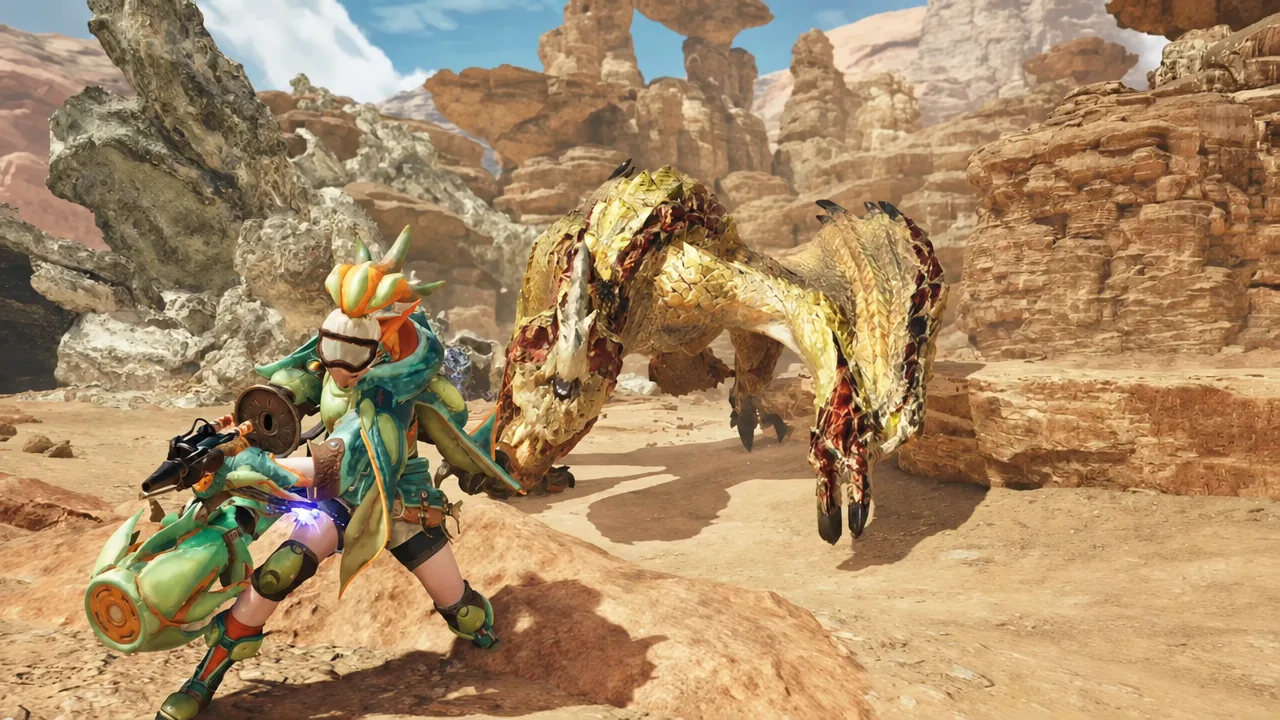
The showcase gear is the Araketa set, a green and orange armor with a jet-bird look and goggles, paired with a matching Heavy Bowgun built around a revolver-style cylinder. It is cosmetic context rather than a mechanic, but it is the loadout every Heavy Bowgun clip is shown with.
No offset attack shown for Heavy Bowgun
Several other weapons have new or restyled offset attacks called out directly in their Boosted Action breakdowns. The Heavy Bowgun’s breakdown does not show one. Its counterplay is presented through the guard counter instead.
Monster Hunter Wilds: Ascendance platforms, requirements, and release window
Ascendance is a paid expansion, not a free update. It adds Master Rank quests, new areas and monsters, and continues the story several years after the events of Wilds, with plot threads around Lao-Shan Lung in the Forbidden Lands, Madoi Stronghold, and the Skybound Eyrie above Wyveria.
| Detail | Value |
|---|---|
| Release window | 2027 |
| Platforms | PlayStation 5, Xbox Series X|S, Nintendo Switch 2, Steam |
| Cross-play | Supported |
| Players | 1 (online 1–4) |
| Base game | A copy of Monster Hunter Wilds is required |
| Progress requirement | Completion of the 7★ assignment “Awaking From a Dream” |
No specific day or time in 2027 has been confirmed.
Capcom is releasing one Boosted Action breakdown per day across all 14 weapon types, so the Heavy Bowgun’s set of changes should be read alongside the rest rather than in isolation. Nothing here changes the weapon’s core identity as a slow, high-damage gun platform, but Boost consistently attacks its biggest weakness, which is the time spent standing still between shots.