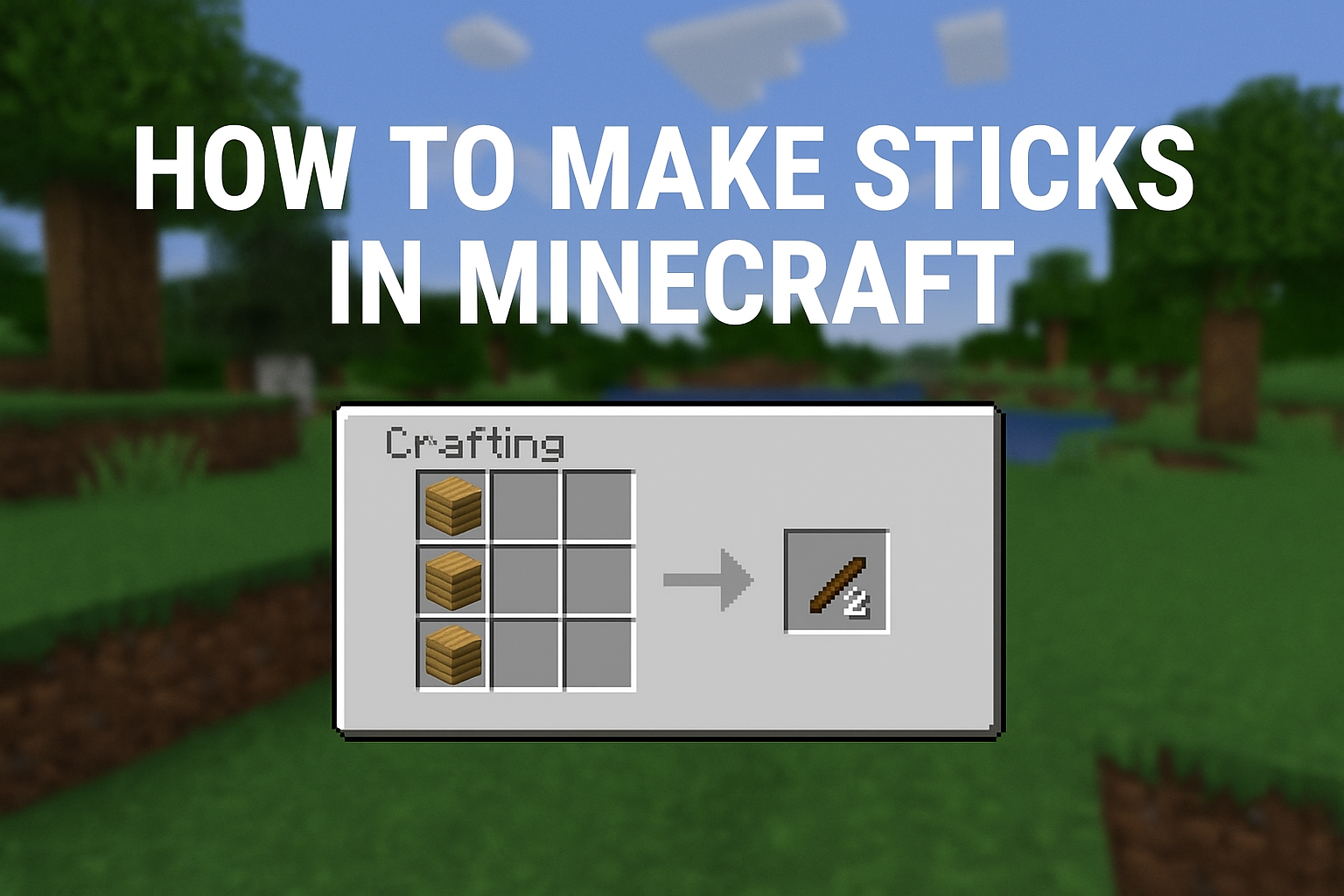
Sticks are a core ingredient for tools, torches, rails, signs, and more. They’re renewable, stack to 64, and you can craft them on any platform. For background on their role in-game, see the official feature post on sticks at Minecraft.net.
This guide shows the two crafting recipes first, then the quickest alternate ways to stock up and practical tips for early and late game.
Method 1: Craft sticks from wooden planks
Use your personal 2×2 crafting grid or a crafting table’s 3×3 grid. Both work identically for this recipe.
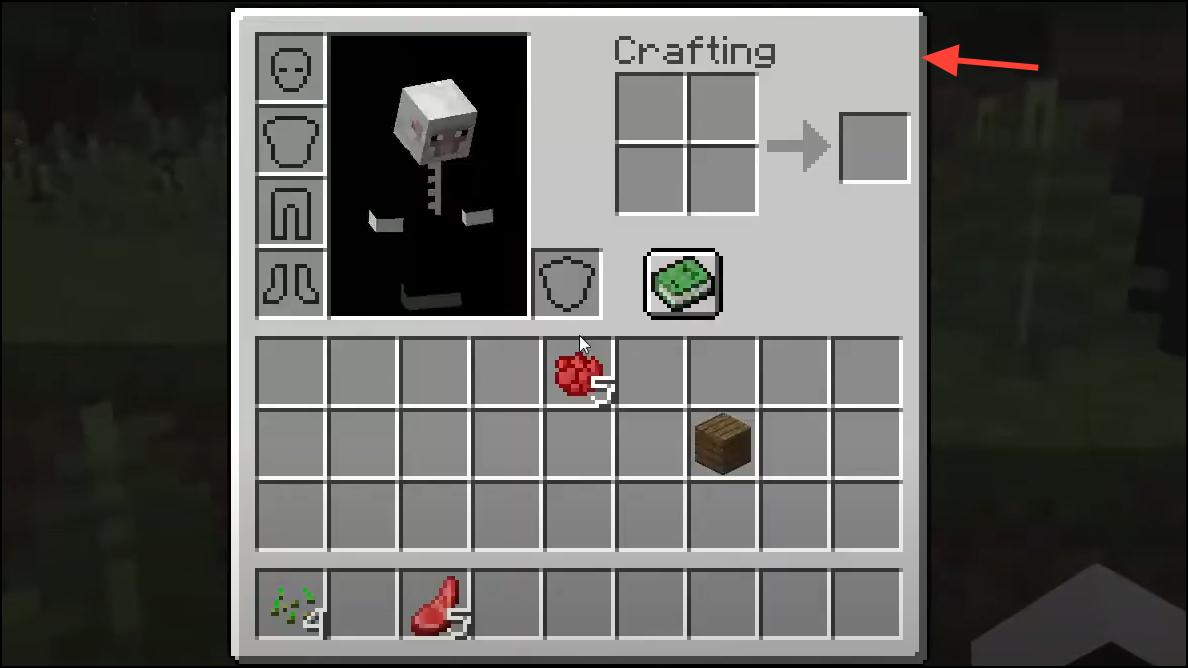
Put one plank in a slot and a second plank directly below or above it. Any plank type works (oak, spruce, birch, jungle, acacia, dark oak, mangrove, cherry, bamboo planks, crimson, warped, etc.). This crafts 4 sticks.
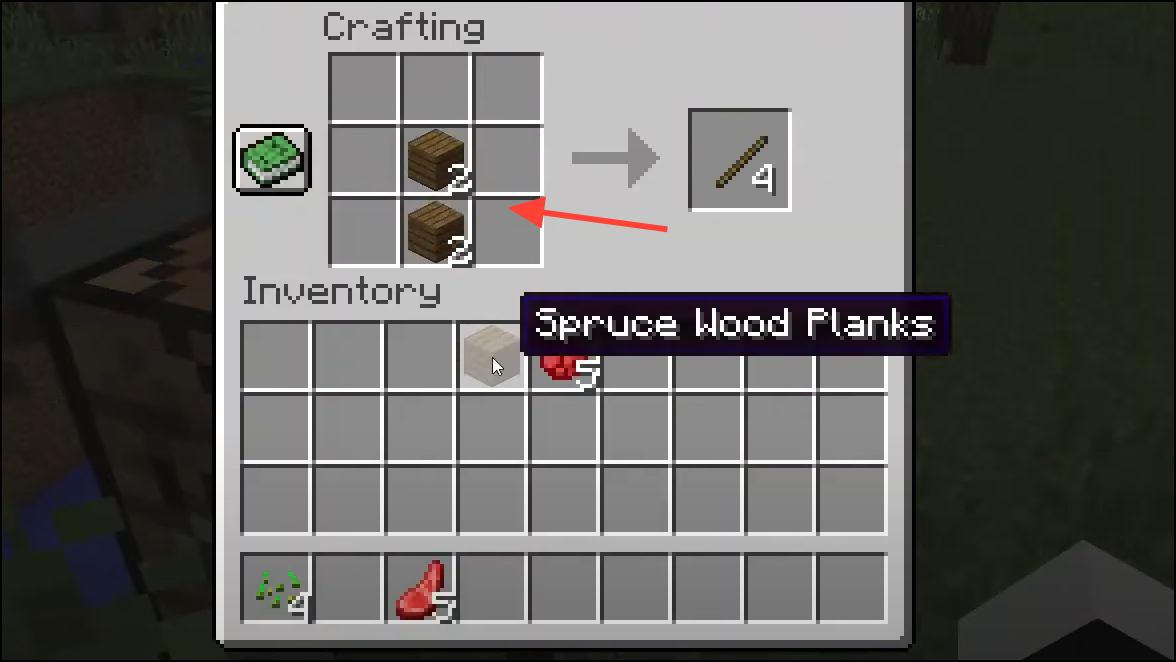
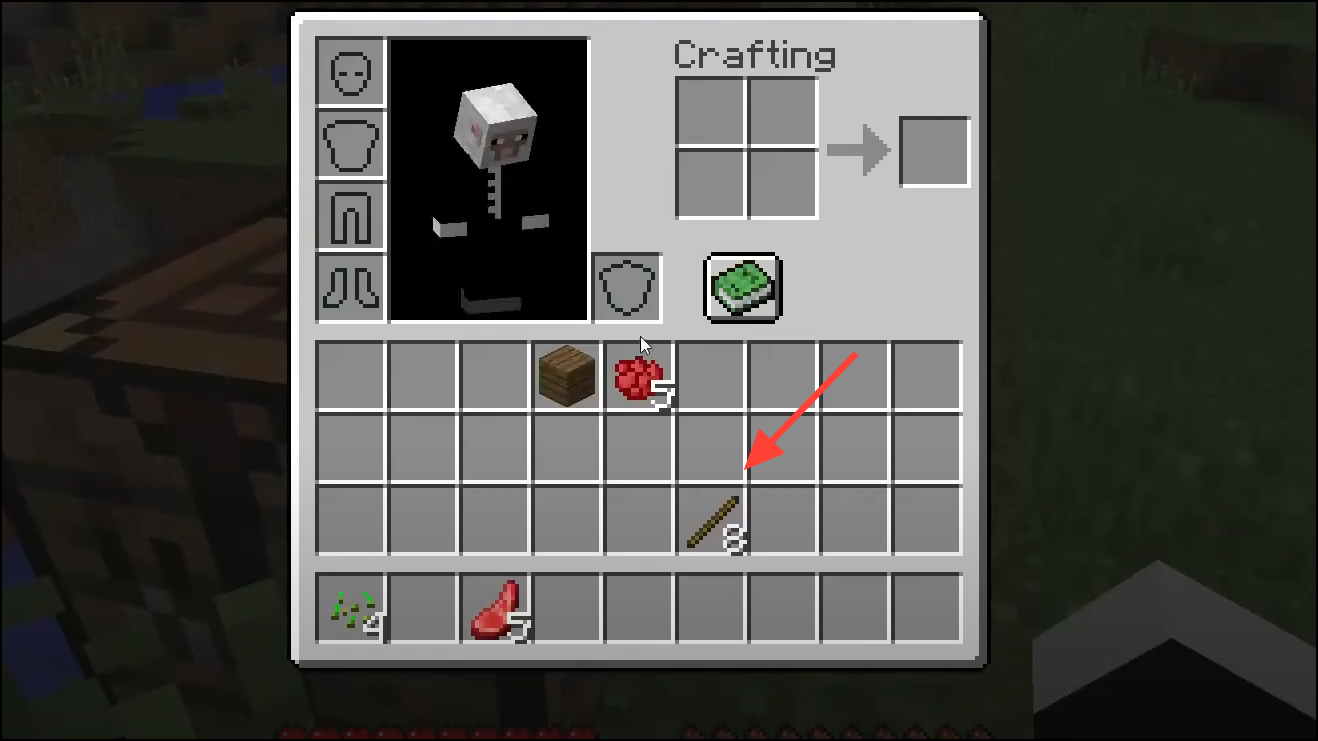
Repeat as needed. Rule of thumb: 1 log → 4 planks → 8 sticks.
Method 2: Craft sticks directly from bamboo
Bamboo grows naturally in jungles and bamboo jungles and is farmable with simple planting and bone meal.
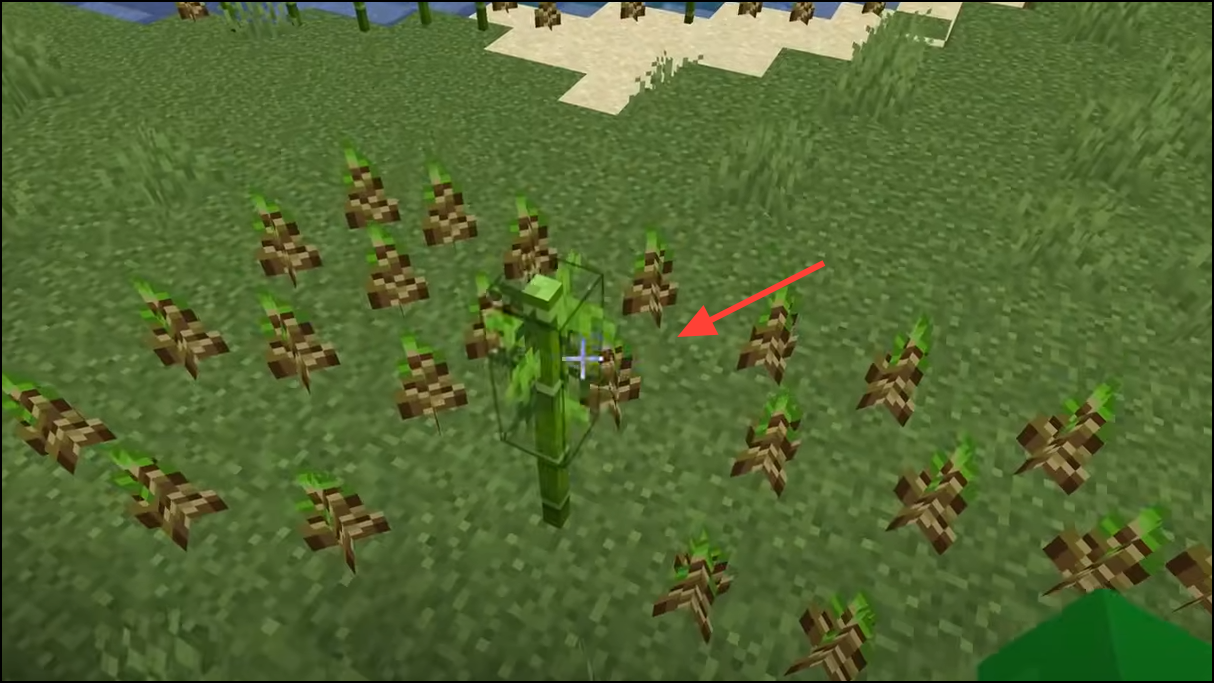
Two bamboo in a vertical column crafts 1 stick. This is the most bamboo‑efficient route; crafting bamboo into planks first is slower on resources.
Turning bamboo into planks (then into sticks) consumes roughly 2.25 bamboo per stick, which is less efficient than the direct 2 bamboo → 1 stick recipe.
Other reliable ways to obtain sticks
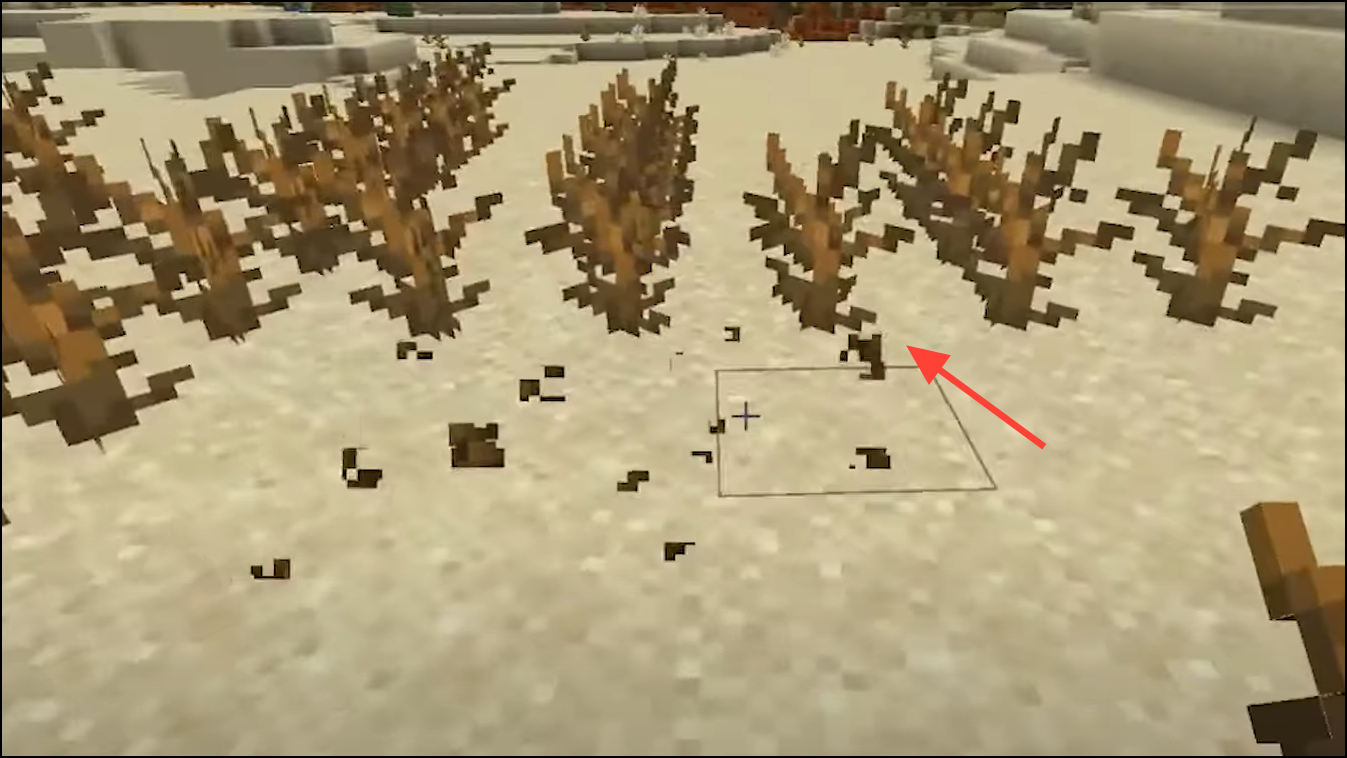
Dead bushes drop 0–2 sticks when destroyed, providing quick early‑game supplies in deserts and similar biomes.
Any leaf type has a small chance (about 2%) to drop 1–2 sticks when broken or decaying. Fortune on your tool slightly increases that chance (Fortune I/II/III ≈ 2.2%/2.5%/3.3%).
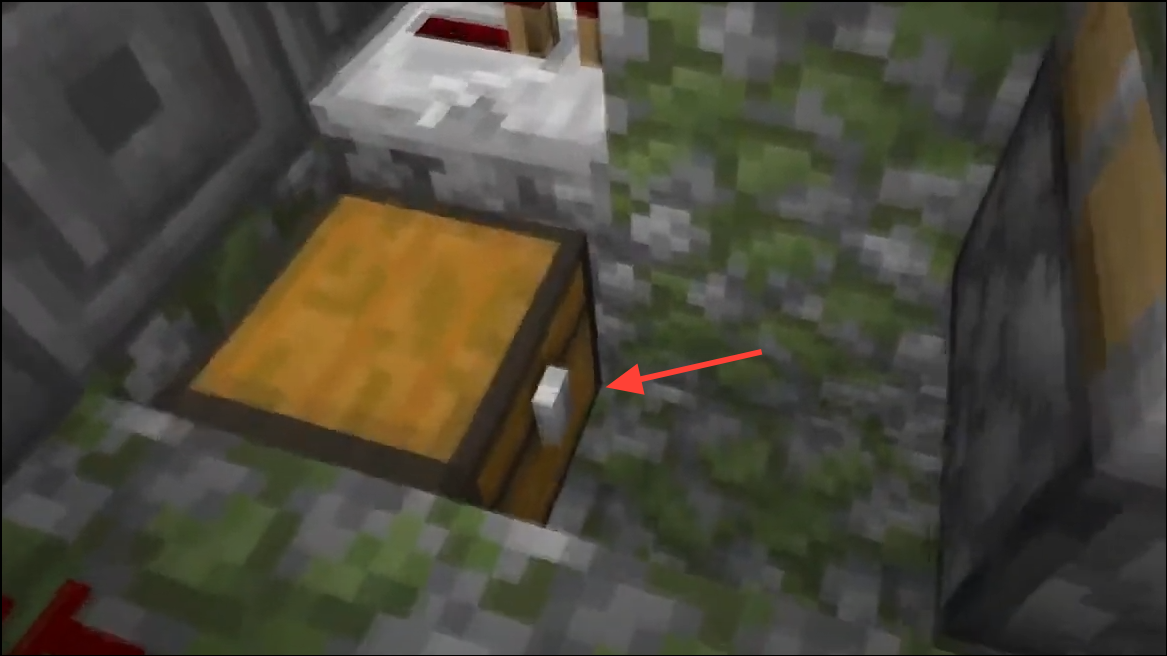
“Bonus Chest” at world creation often contains sticks (roughly two‑thirds of the time in Java; always in Bedrock). Sticks can also appear in village chests (cartographer, fletcher, toolsmith), trial chamber entrance chests, and in suspicious sand from desert wells.
While fishing, sticks can appear as junk items. It’s not the fastest route, but it produces free byproducts alongside fish and other finds.
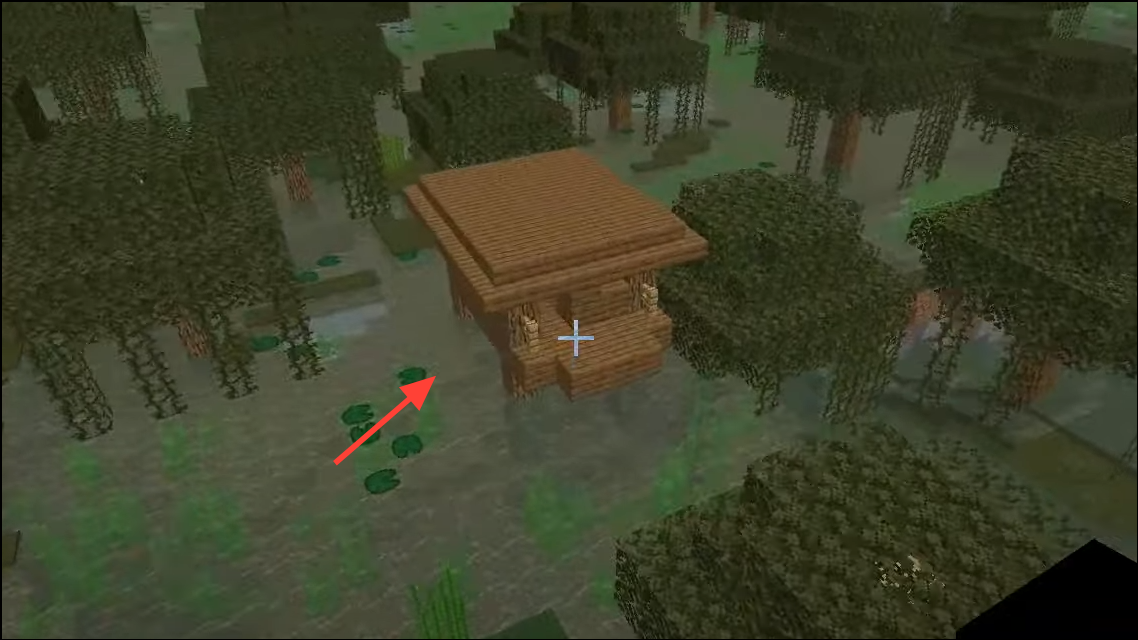
Witches can drop sticks on death, with Looting increasing the potential amount. A swamp‑hut farm is a scalable late‑game source if you’re already farming witch drops.
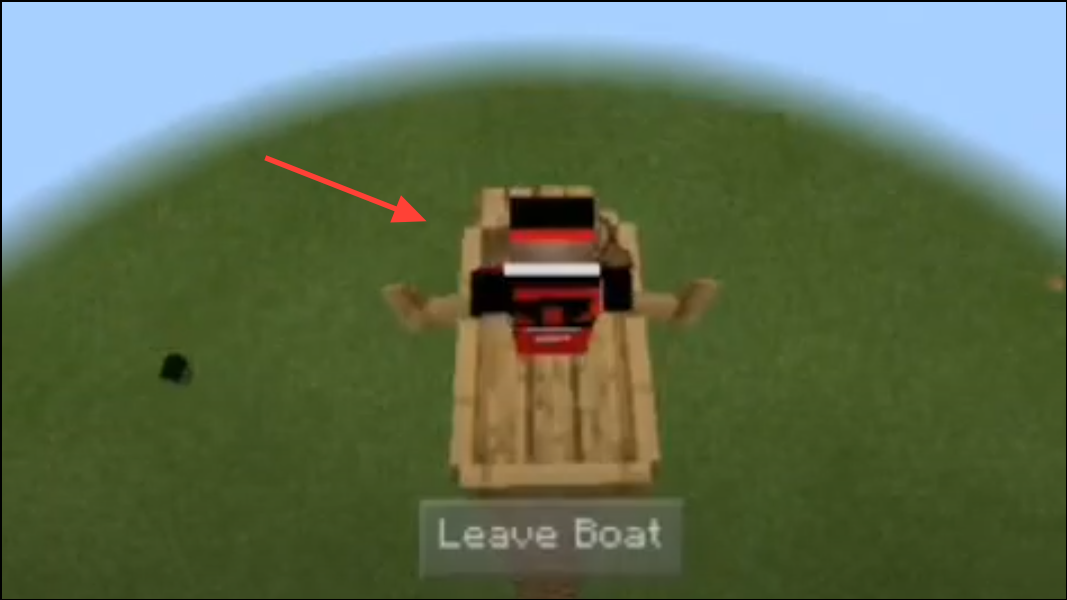
Boats (with or without chests) can drop 2 sticks if they’re broken by falling from specific heights. This is a curiosity rather than a practical farm method.
Turn sticks into value (trading and fuel)
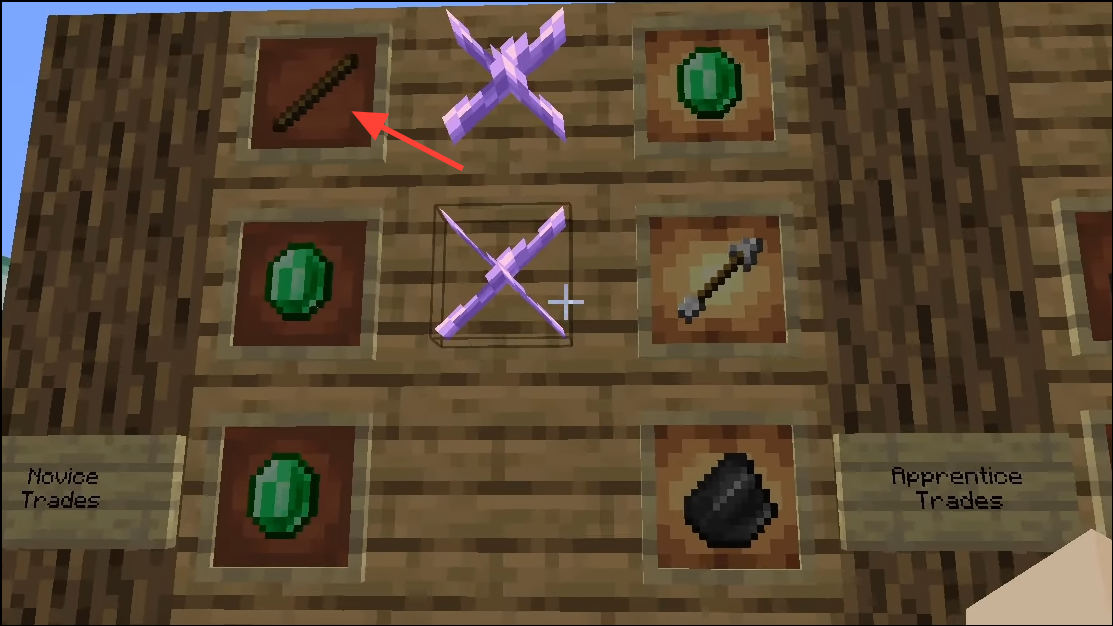
Novice‑level fletchers can buy 32 sticks for 1 emerald. In Java Edition this offer appears about two‑thirds of the time; in Bedrock Edition it always appears. It’s an efficient wood‑to‑emerald conversion once your villager is set up.
A single stick smelts 0.5 items. Use them to top off smelts when you’re short a fraction of a fuel item, or when you don’t want to commit coal/charcoal.
Tips to keep sticks stocked
- Carry a small stack of planks; they convert to sticks anywhere via your 2×2 grid.
- Bulk‑convert logs near storage: 1 log → 8 sticks makes math simple for planning crafts.
- Farm bamboo early; direct bamboo→stick crafting is fast and tidy for adventure runs.
- When clearing trees, let leaves decay while you work to collect incidental stick drops.
Optional: give command for testing or creative
Java Edition 1.13+ example:
/give @p stick 64Adjust the number for the stack size you want. For older versions or other editions, use their specific /give syntax.
Crafting sticks from planks is fastest on day one; bamboo and incidental drops keep you topped up later. With villager trading, surplus sticks also become a steady emerald source.