

Base space runs out fast in Palworld 1.0, and farms are some of the worst offenders. Berry plantations, wheat plots, and other crop farms each eat a wide patch of ground, leaving little room for the Breeding Farm, Expedition Station, and other large structures. Stacking them vertically fixes that by putting several farms into a single footprint.
Quick answer: Build a foundation and wall as a guide, place one farm against them, drop a Japanese Floor Cushion in the center of that farm, then place another farm on top of the cushion. Repeat once more for a maximum of three stacked farms.
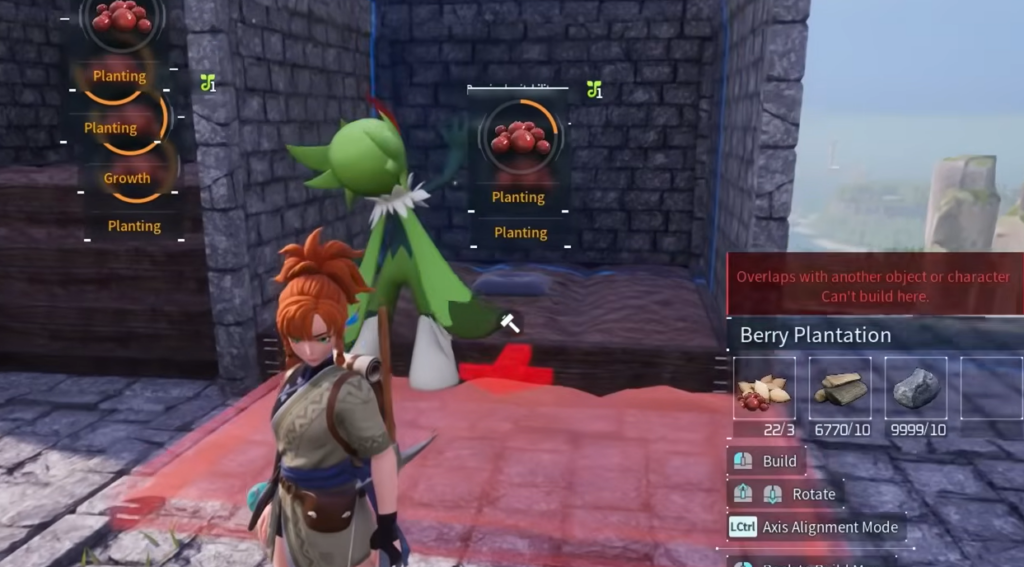
What you need before stacking
The whole method depends on one item. The Japanese Floor Cushion is the only flat object you can place on top of a farm, so there is no substitute for it. It unlocks at Tech Level 55 as part of the Japanese-Style Furniture Set.
| Requirement | Detail |
|---|---|
| Technology | Japanese Floor Cushion (Japanese-Style Furniture Set) |
| Tech Level | 55 |
| Materials | Cloth x3, Fiber x10 |
| Guide pieces | Any foundation and any wall |
The foundation and wall are only there to anchor and center the farms, so any type works. You can remove them once the stack is built.
How to stack farms
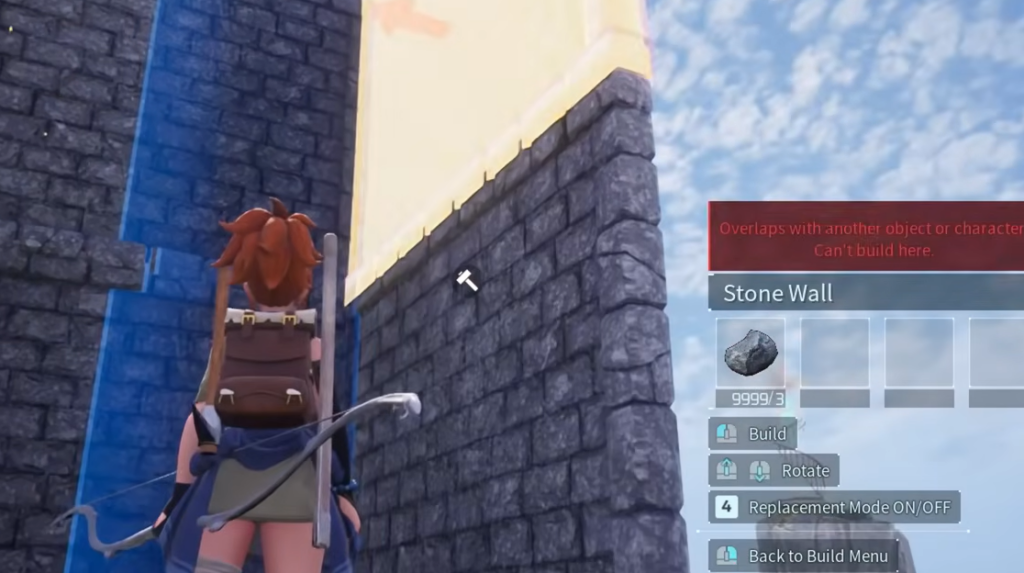
Placement can be finicky in 1.0. If a farm refuses to snap to the cushion, nudge your aim so the blueprint sits on top of the layer below before you confirm.
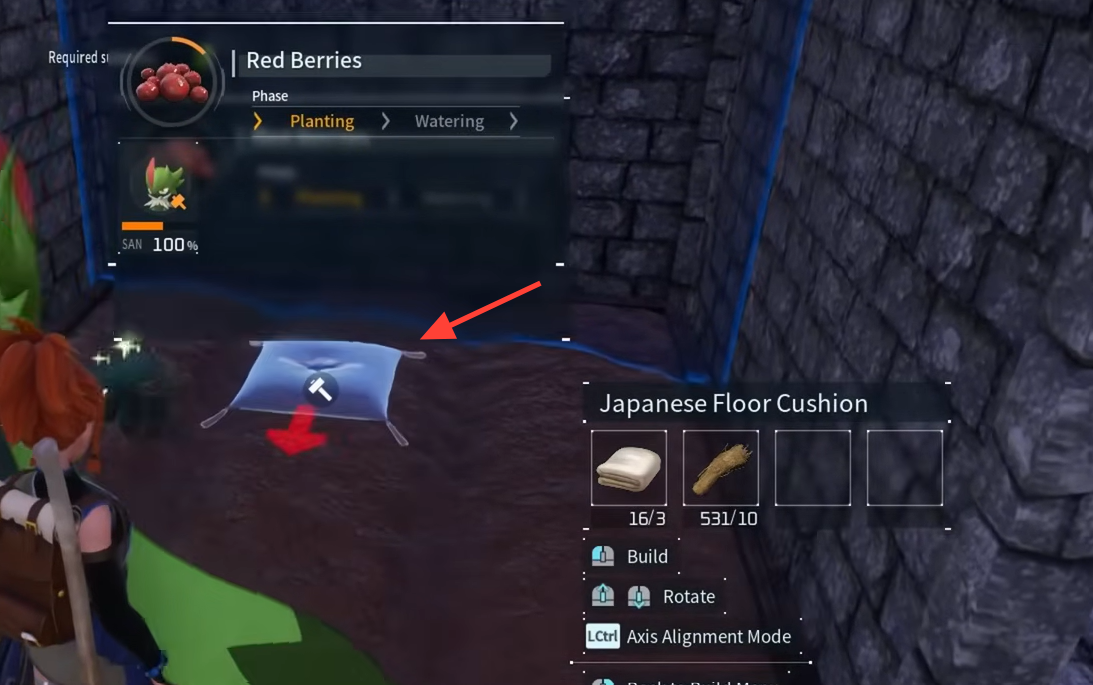
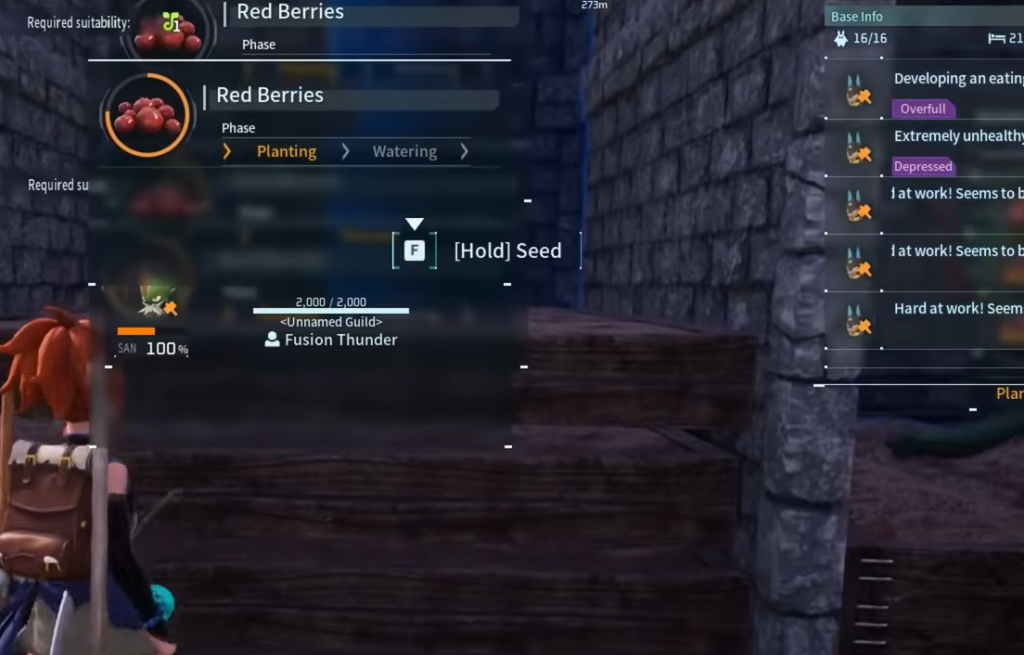
How to know it worked
Each layer of the tower still counts as its own separate farm. Assigned Pals will tend every farm in the stack, and because the footprint is small, they stay in one tight area instead of wandering across the base. You can harvest the farms yourself too, though you may need to shift your position to target the middle layer.
One change to expect in 1.0: the old benefit of a single Pal interaction covering the whole stack no longer applies, so productivity depends on your worker Pals reaching each layer rather than one action feeding all of them.
Editing a middle farm and common failures
Swapping out a farm buried in the middle of the stack takes an extra step. If you remove a middle farm and try to place a new one, the game latches the replacement to the top instead, which makes it impossible to slot anything back into the gap.
To fix this, disassemble every farm sitting above the one you want to change first, replace it, then rebuild the layers back up. A few other things trip people up too.
- Stacks stop working past three farms because the wall can no longer hold them in place.
- Orchards resist stacking. The tree keeps its own hitbox even before it grows, so the game blocks a farm placed above it.
- New saves can feel less forgiving than older ones. Farms that snapped easily before may need slower, more careful aiming now.
Alternative supports if the cushion fights you
Some builders reach the same result using temporary furniture as scaffolding. Benches work as a stand-in support: build a bench, place a farm on top of it, demolish the bench, and repeat to gain height. Aiming the blueprint so it stays on the upper support before you jump helps it land on the higher layer.
Worker Pals still interact with these elevated farms. Their pathing reads the floor space rather than the height of the stack, so raised farms remain functional as long as a Pal can reach the base footprint.
Why stack farms at all
The payoff is floor space. Collapsing three farms into one footprint frees room for the structures that genuinely need a large area, and it keeps your crop production concentrated in a corner instead of sprawling across the base. In a 1.0 world where the level 80 tech tree adds plenty of new machines competing for room, that reclaimed space is worth the extra setup.