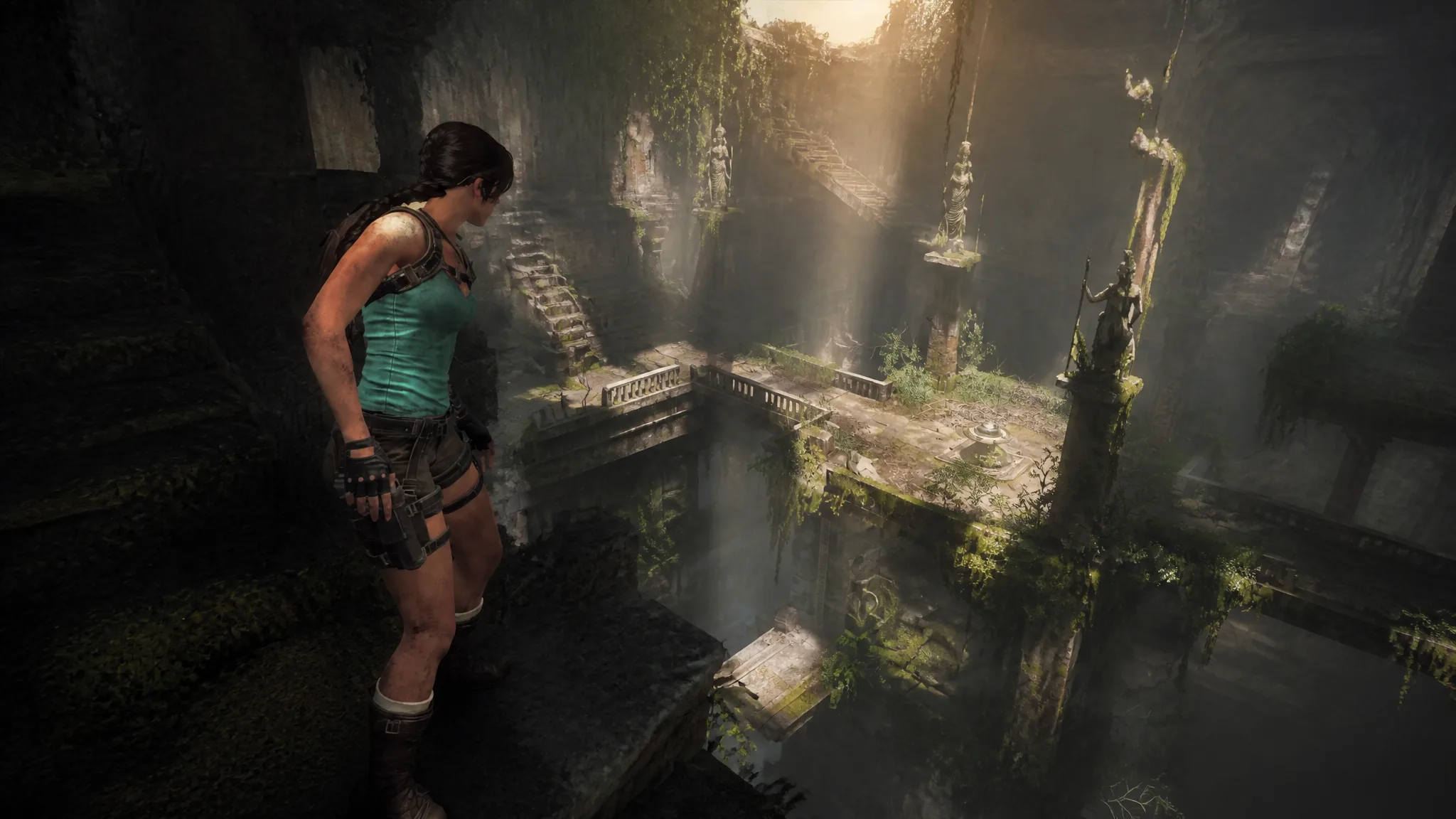
Tomb Raider: Legacy of Atlantis will let you set the difficulty of combat, puzzles, and traversal on their own, rather than locking all three behind a single preset. Crystal Dynamics has framed this flexibility as a core design goal, aimed at letting players shape the pace and challenge of the next Tomb Raider to fit how they want to play.
Quick answer: Combat, puzzles, and traversal each have their own difficulty setting, so you can, for example, keep fights easy while making environmental puzzles harder.
Three difficulty pillars you can adjust independently
The system splits the game’s challenge into three separate categories. You can raise or lower each one without touching the others, so the experience matches your own comfort level in each area.
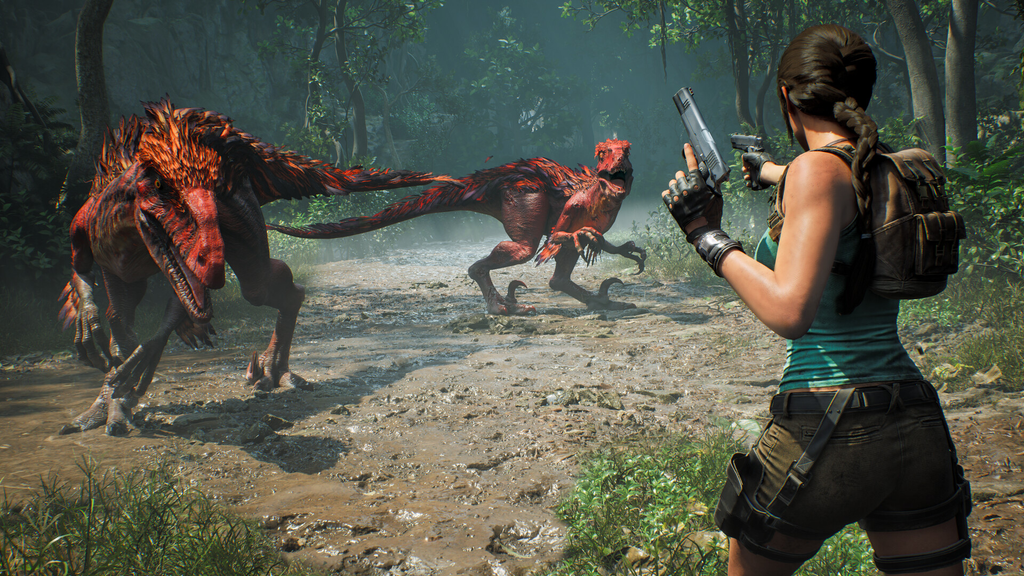
- Combat — how tough enemy encounters are to win.
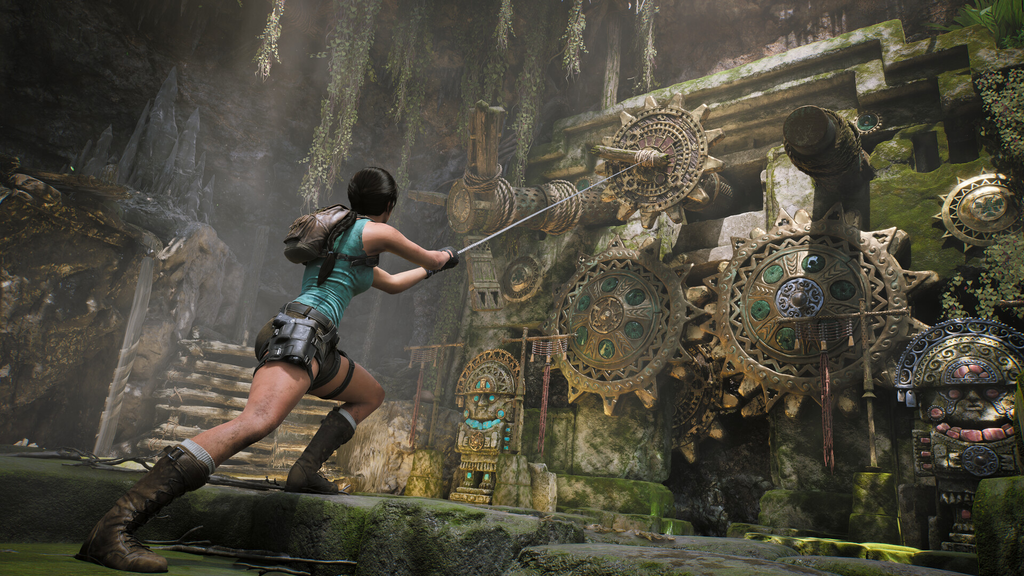
- Puzzles — how much thought environmental problem-solving demands.
- Traversal — how forgiving movement and climbing sections feel.
In practice, that means you can hand Lara heavier weaponry and keep traversal relaxed if you mainly want to explore, or dial puzzles up while leaving fights light if you prefer a slower, more cerebral run. Each combination is supported.
Who is behind the difficulty design
Creative director Noah Hughes, whose past work includes Gex and Tomb Raider: Underworld, has confirmed the independent difficulty approach and described the settings as prepared “in a way that I’m pretty sure everyone can set it to their own pleasure.” The intent is to give veterans room to push the challenge while lowering the barrier for newcomers who find the series’ precision demanding.
This is not entirely new ground for the franchise. Earlier entries let players separate difficulty across combat, exploration, and puzzles, so Legacy of Atlantis builds on an established habit rather than inventing it from scratch.
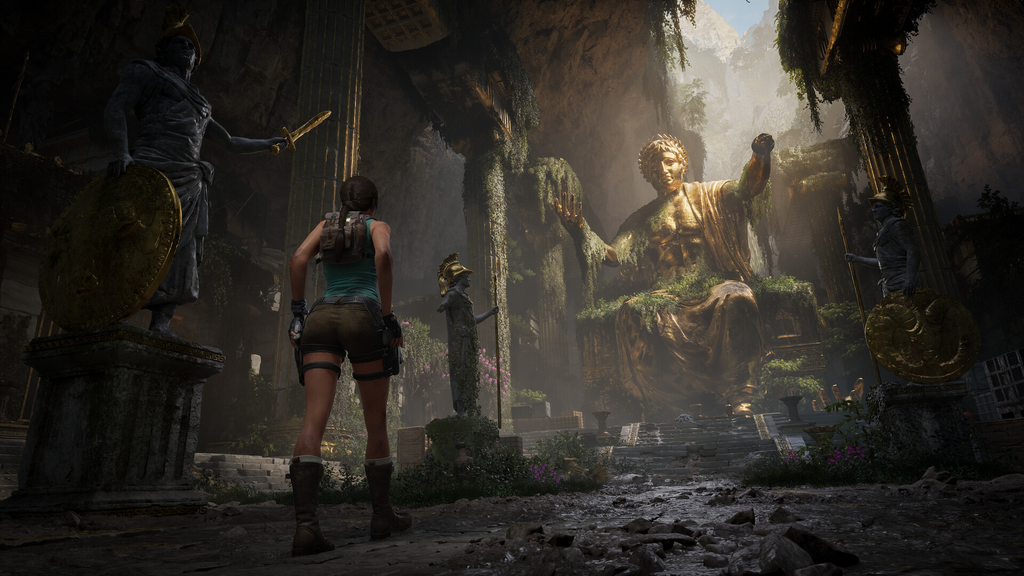
How the sliders compare to other games
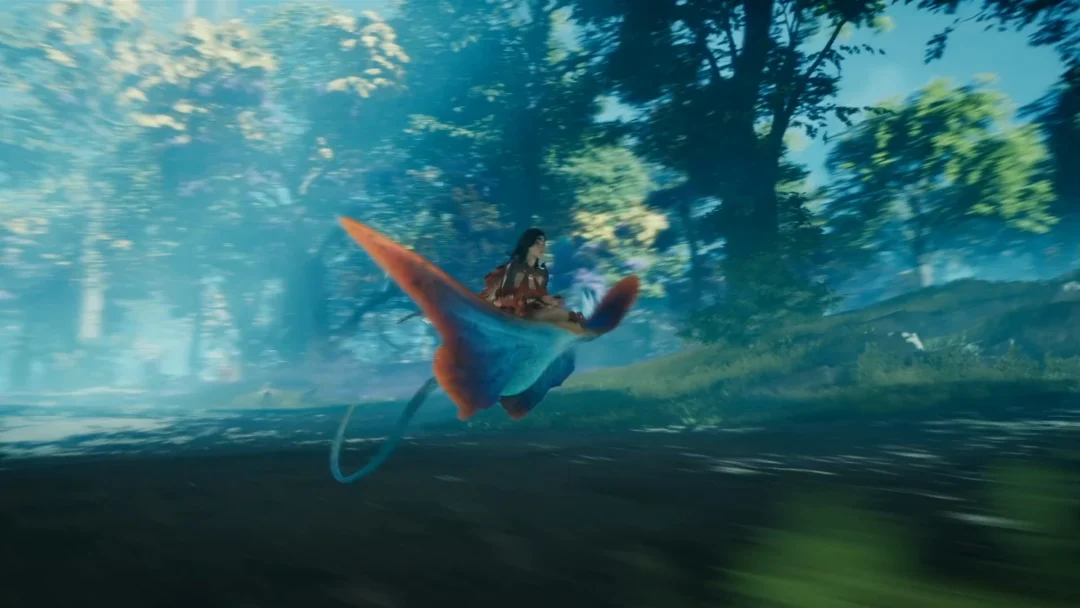
The setup resembles granular controls seen in other recent action-adventure titles. Avatar: Frontiers of Pandora paired difficulty sliders with traditional presets, and Silent Hill f similarly separates puzzle and combat difficulty. The shared idea is simple. Instead of one label deciding everything, you decide how tough or relaxed each part of the game should feel.
This kind of customization has become a baseline expectation across larger studios rather than an extra. For Tomb Raider specifically, which mixes cinematic combat with taxing environmental problem-solving, splitting the controls lets a wider range of players finish the game without removing challenge for those who want it.
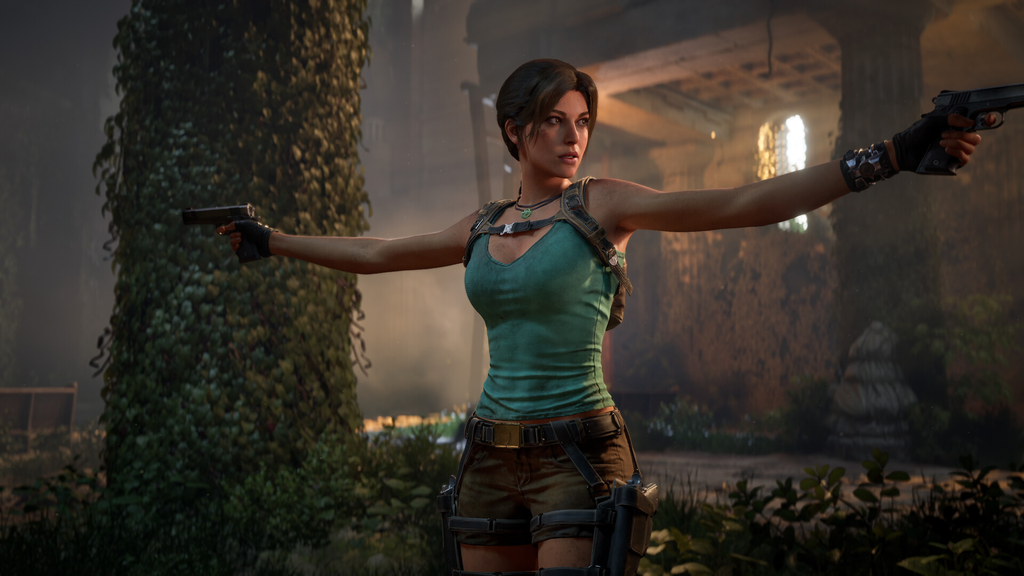
What has not been confirmed yet
Crystal Dynamics has confirmed the independent difficulty structure but has not detailed every individual slider or setting within each category. The exact options, their ranges, and any additional accessibility toggles remain to be shown.
Amazon is backing the project, following its earlier single-player character-action release with 007: First Light, which did not include this kind of split difficulty system. No official release date for Legacy of Atlantis has been confirmed at this time.
For now, the confirmed takeaway is straightforward. Combat, puzzles, and traversal will each have their own difficulty control, and you’ll be able to mix and match them to define how Lara’s next outing plays on your terms.