
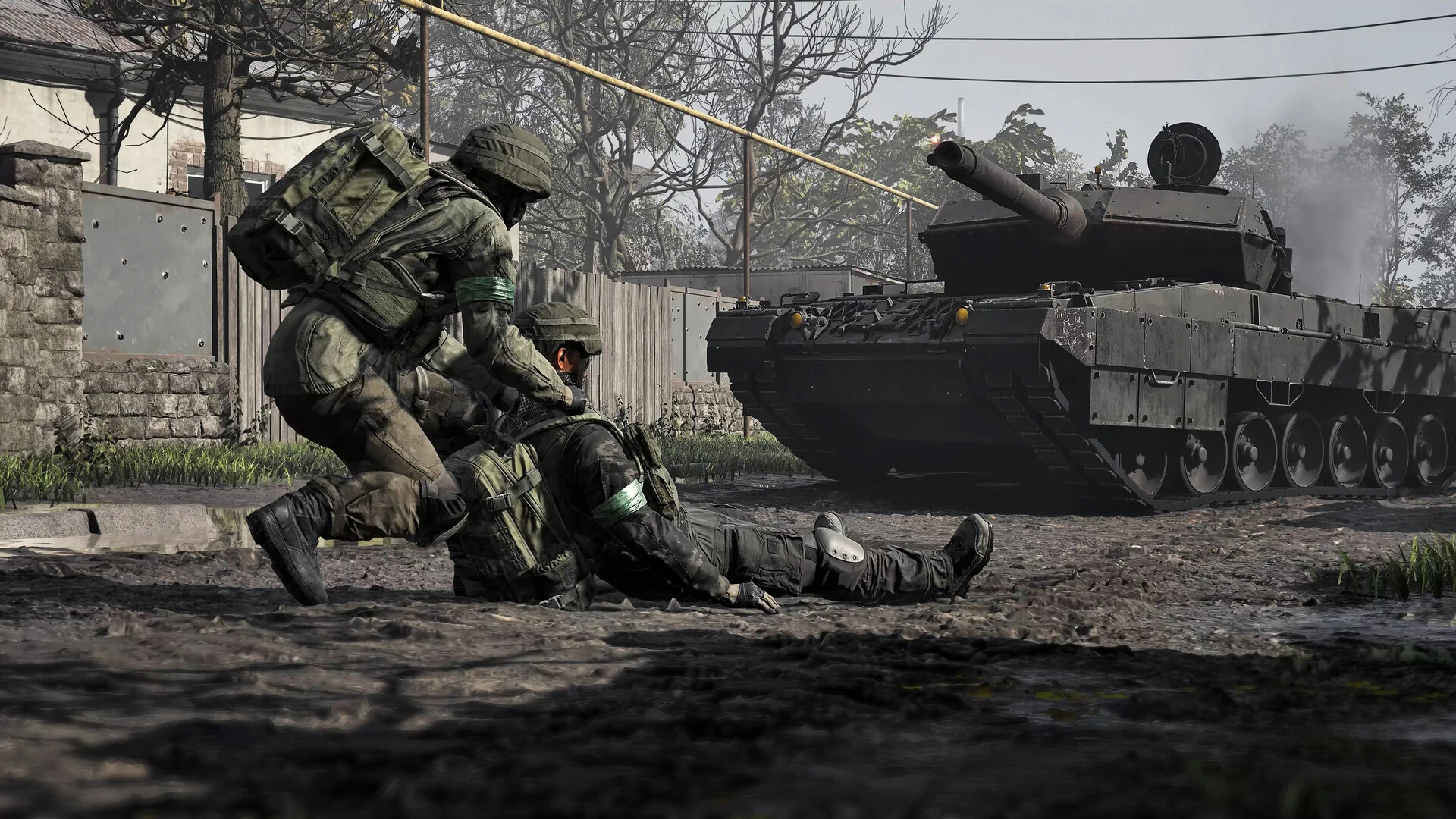
Ammunition in WARDOGS is bought loaded into magazines, one load type at a time, and the choice you make at the vendor decides whether your rifle chews through a plate carrier or bounces off it. There are three loads for every bullet calibre in the game, and the maths behind them is fixed and knowable.
Quick answer: Armor cuts bullet damage by 60% on covered body parts. Against that armor, AP adds 30% and HP loses 30%, so FMJ is the middle option and HP only pays off on unarmored hits.
The three loads, and what the game calls them
The vendor sorts ammunition into tabs rather than into a single list, and the tab names do not match the acronyms players use in voice chat. Here is the translation.
- Standard (FMJ) — full metal jacket, the middle ground between flesh damage and penetration.
- Flesh Damage (HP) — hollow point, built for damaging body parts that armor does not cover.
- Armor Piercing (AP) — the penetration load, and the one that also matters against vehicles.
- Every load also exists as a tracer variant, marked (T) at the vendor, at the same price as the non-tracer version apart from a handful of exceptions.
Only FMJ is available from the start on every weapon that fires the matching calibre. Hollow point unlocks sit between level 6 and level 95, and armor piercing unlocks run from level 63 up to level 140, so a new account is effectively an FMJ account for a long while.
How armor changes the damage numbers
Every vest and helmet in the game, from Level 1 to Level 4, reduces incoming bullet damage by 60% on the body parts it actually covers. That single figure is why a 28-damage rifle round lands for 11.2 on a plated chest. Against armor, armor piercing does 30% more than a standard round against armor, hollow point does 30% less.
Those modifiers do not change with tier. A Level 4 vest applies the same 60% cut as a Level 1 vest. What higher tiers buy you is durability, which is how long the protection lasts under fire, and coverage, which is how much of your body gets that protection at all.
| Gear | Tier | Durability | Covers |
|---|---|---|---|
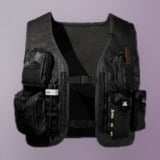 Level 1 Armor Level 1 Armor | 1 | 200 | Torso |
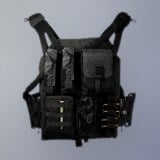 Level 2 Armor Level 2 Armor | 2 | 220 | Torso |
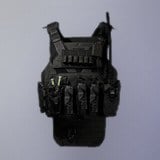 Level 3 Armor Level 3 Armor | 3 | 250 | Torso |
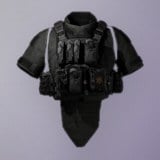 Level 4 Armor Level 4 Armor | 4 | 300 | Torso, pelvis, upper arms |
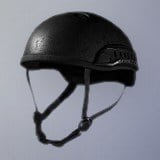 Level 1 Helmet Level 1 Helmet | 1 | 80 | Head |
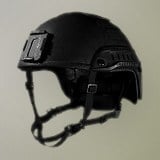 Level 2 Helmet Level 2 Helmet | 2 | 100 | Head |
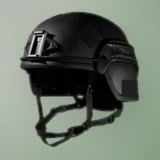 Level 3 Helmet Level 3 Helmet | 3 | 180 | Head, neck |
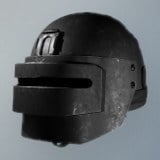 Level 4 Helmet Level 4 Helmet | 4 | 200 | Head, neck |
Coverage is the reason hollow point is not a trap. Nothing below Level 4 protects limbs, and nothing below a Level 3 helmet protects the neck, so an unarmored leg or arm takes the full uncut hit regardless of how expensive the enemy’s vest was.
Damage through armor by calibre
Base damage belongs to the calibre, not the gun, so two rifles chambered the same way hit for the same number per shot. The figures below show the base value and what a standard round lands for on an armored body part.
| Calibre | Base damage | Through armor |
|---|---|---|
| 9x19mm | 22 | 8.8 |
| 5.45x39mm | 26 | 10.4 |
| 5.56x45mm | 28 | 11.2 |
| .45 ACP | 30 | 12 |
| .45 Colt | 45 | 18 |
| 7.62x54mm | 55 | 22 |
| .308 Win | 60 | 24 |
| .50AE | 63 | 25.2 |
| .50 Cal | 107 | 42.8 |
Which guns share a calibre matters when you are shopping, because magazines are bought by the box they feed, not by the rifle you carry.
- 9x19mm — AMP-9, MP5, PP-19 Vityaz, GGX 17, GGX 18
- 5.45x39mm — AK74
- 5.56x45mm — M4, T-21, Galil, M249 SAW, A-91, KH-2002, Bushmaster M17S, Scout Rifle TD
- .45 ACP — Super-45, M1911; .45 Colt — Judge
- 7.62x54mm — PKM, SV98, SVD, Mosin Nagant
- .308 Win — FAL, BMR-308, MK22; .50AE — Deagle; .50 Cal — AMR 50
What the loads do on real weapons
The per-shot numbers below are the standard load. Against armor, armor piercing does 30% more than a standard round and hollow point does 30% less, and the headshot column only changes when the target is wearing a helmet.
| Weapon | Calibre | Damage / headshot | Through armor |
|---|---|---|---|
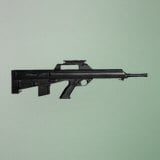 Bushmaster M17S Bushmaster M17S | 5.56x45mm | 28 / 65.8 | 11.2 |
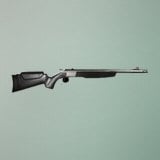 Scout Rifle TD Scout Rifle TD | 5.56x45mm | 28 / 89.6 | 11.2 |
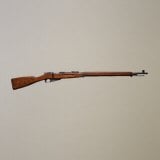 Mosin Nagant Mosin Nagant | 7.62x54mm | 55 / 176 | 22 |
| PP-19 Vityaz | 9x19mm | 22 / 46.2 | 8.8 |
Bushmaster M17S
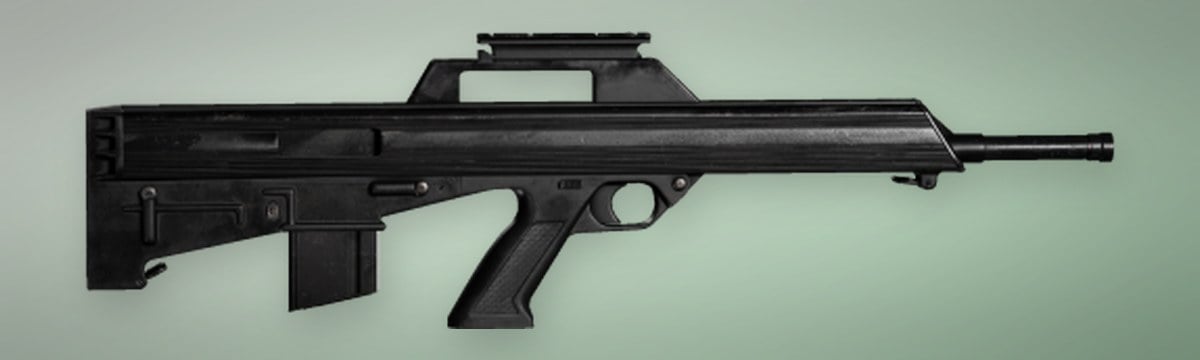
The Bushmaster M17S costs nothing at the vendor and fires semi and burst only, at 700 rounds per minute and 715 m/s muzzle velocity. It cannot take attachments, and its 3.17kg body eats 5.56 from any of the standard 30-round magazines. Because the base rounds are cheap, it is the natural rifle for testing whether the armor-piercing premium is worth paying in your lobby.
Scout Rifle TD
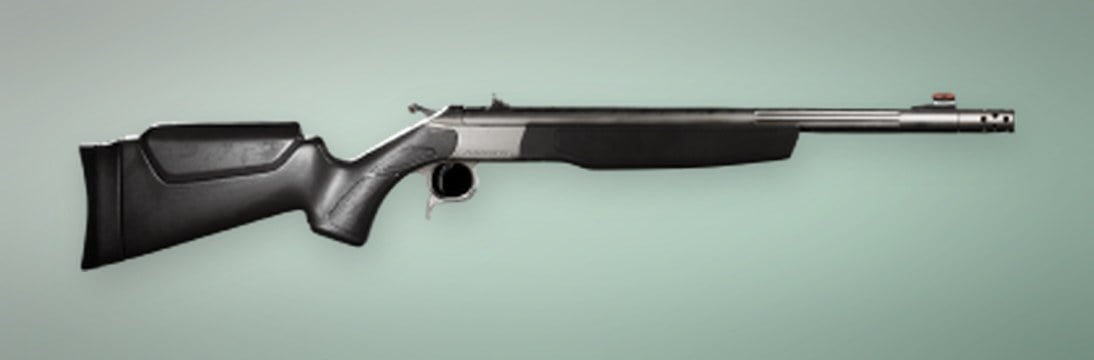
At $1,100 the Scout Rifle TD is a break-action sniper firing the same 5.56 round, but a 975 m/s muzzle velocity and a 89.6 headshot value change the calculation. Its per-shot body damage is identical to an assault rifle’s, so hollow point in this gun is a bet on hitting an uncovered part with a slow, deliberate shot rather than a bet on volume.
Mosin Nagant
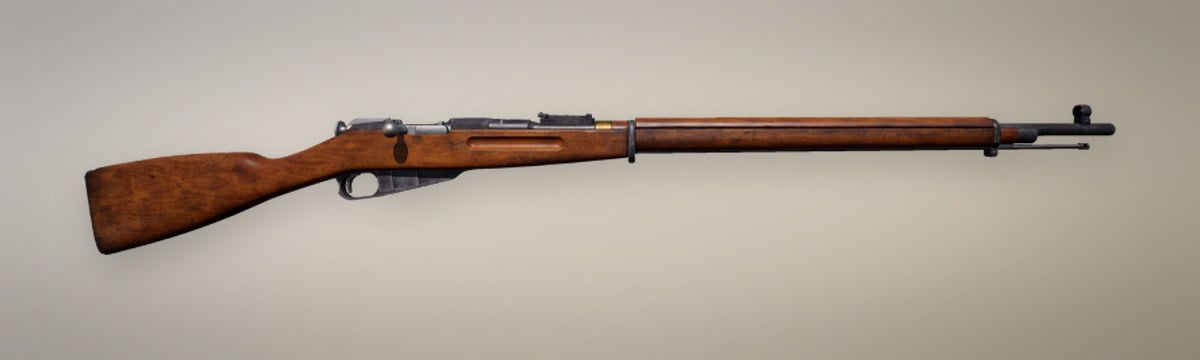
The Mosin Nagant is a $4,500 bolt-action in 7.62x54mm, unlocked at Recon level 10 for a one-time fee of $50,000, with 800m zeroing and a 176 headshot figure. Its 176 headshot number beats every helmet’s durability outright, which is why load choice on this rifle mostly matters for body shots rather than for heads.
PP-19 Vityaz
The PP-19 Vityaz is the clearest case for reading the armor math before buying. It costs $1,200, unlocks at Medic level 4 for $25,000, and pushes 800 rounds per minute for 293.3 damage per second on paper — but 9x19mm lands for 8.8 on a plated chest, and hollow point does 30% less against armor than that standard round. Against vests, the fix is aiming at limbs, not spending more on the magazine.
Loaded magazine prices by ammo type
Prices are per loaded magazine at the vendor, in dollars. The gap between standard and armor piercing widens sharply on rifle and machine gun calibres, which is where ammunition starts to compete with the gun itself for your cash.
| Magazine | FMJ | HP | AP |
|---|---|---|---|
| GGX 17 RND Magazine | 47 | 55.5 | 64 |
| GGX 33 RND Magazine | 103 | 119 | 136 |
| GGX 50 RND Drum Magazine | 160 | 185 | 210 |
 M1911 7 RND Magazine M1911 7 RND Magazine | 27 | 30 | 34 |
| M1911 10 RND Magazine | 45 | 50 | 55 |
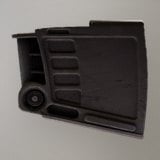 Deagle 7 RND Magazine Deagle 7 RND Magazine | 78 | 99 | 176 |
| AMP-9 15 RND Magazine | 45 | 52 | 60 |
| AMP-9 20 RND Magazine | 90 | 100 | 110 |
| AMP-9 30 RND Magazine | 130 | 145 | 160 |
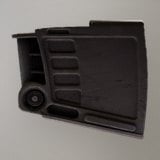 AMP-9 50 RND Drum Magazine AMP-9 50 RND Drum Magazine | 230 | 255 | 280 |
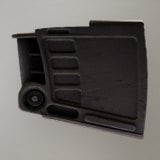 MP5 20 RND Magazine MP5 20 RND Magazine | 90 | 100 | 110 |
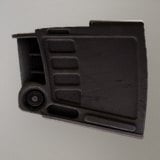 MP5 30 RND Magazine MP5 30 RND Magazine | 130 | 145 | 160 |
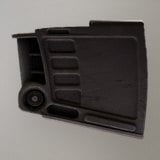 MP5 50 RND Drum Magazine MP5 50 RND Drum Magazine | 280 | 305 | 330 |
| PP-19 Vityaz 10 RND Magazine | 35 | 40 | 45 |
| PP-19 Vityaz 30 RND Magazine | 130 | 145 | 160 |
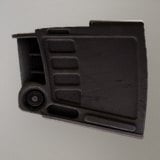 PP-19 50 RND Vityaz Drum Magazine PP-19 50 RND Vityaz Drum Magazine | 250 | 275 | 300 |
| Super-45 13 RND Magazine | 43 | 49 | 56 |
| Super-45 30 RND Magazine | 110 | 125 | 140 |
| Super-45 40 RND Drum Magazine | 340 | 370 | 400 |
| AK74 30 RND Magazine | 80 | 110 | 155 |
| AK74 60 RND Magazine | 240 | 300 | 390 |
| AK74 75 RND Drum Magazine | 312 | 387.5 | 500 |
| M4 Standard Mag (30 rounds) | 55 | 85 | 130 |
| TAR21 Standard Mag (30 rounds) | 55 | 85 | 130 |
| STANAG 20 RND Magazine | 40 | 60 | 90 |
| STANAG 30 RND Magazine | 100 | 130 | 175 |
| STANAG 60 RND Magazine | 270 | 330 | 420 |
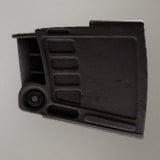 Galil 35 RND Magazine Galil 35 RND Magazine | 113 | 148 | 200 |
| Galil 50 RND Magazine | 185 | 235 | 310 |
| M249 100 RND Fabric Magazine | 350 | 450 | 600 |
| M249 200 RND Box | 550 | 750 | 1,050 |
| PKM 100 RND Box | 700 | 1,200 | 1,900 |
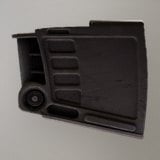 SVD 5 RND Magazine SVD 5 RND Magazine | 50 | 75 | 110 |
| SVD 10 RND Magazine | 100 | 150 | 220 |
| SV98 10 RND Magazine | 100 | 150 | 220 |
| FAL 10 RND Magazine | 100 | 130 | 240 |
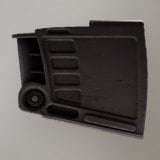 FAL 20 RND Magazine FAL 20 RND Magazine | 230 | 290 | 510 |
| FAL 30 RND Magazine | 370 | 460 | 790 |
| MK22 5 RND Magazine | 50 | 65 | 120 |
| MK22 10 RND Magazine | 100 | 130 | 240 |
| AMR 50 5 RND Magazine | 265 | 390 | 515 |
| AMR 50 10 RND Magazine | 530 | 390 | 515 |
| .50 Cal ammo box | not sold | 375 | 500 |
A few entries break the usual pattern and are worth knowing before you commit cash. The FAL 10 RND magazine also fits the BMR-308. The STANAG 20-round and 60-round magazines exist in tracer versions only. The SVD 5-round magazine costs 160 in its armor-piercing tracer form rather than 110, and the AMR 50 hollow point and armor-piercing magazines have no tracer version at all.
Shotgun shells, arrows and other ammunition
Not every weapon splits three ways. Shotguns choose between buckshot and slug, and the bow has its own ammunition entirely.
- 12 Gauge 7mm Buckshot — $60 for 6 shells
- 12 Gauge Rifled Slug — $200 for 6 shells
- Arrow — $75 for 5, a metal broadhead effective against unarmored targets
- Combat Arrow — $150 each, explosive
Slugs behave like the armor-piercing option of the shotgun world. They hold up at range and offer more penetration than buckshot, which stays a close-quarters pattern.
Picking a load, and confirming it worked
Pick one load per life and commit. Standard rounds remain the sane default for mixed lobbies where you cannot predict what the next player is wearing, and they are the only load with no unlock requirement. Hollow point earns its premium when the enemy is running light or when you are deliberately shooting limbs. Armor piercing is the plate answer, and it is also the load that contributes against light vehicles — though it is a bias, not a substitute for a launcher.
Sometimes the better move is not a different magazine at all. Shooting an exposed limb bypasses the 60% reduction entirely, which is frequently faster than trying to grind through a Level 4 vest with a pistol calibre.
To confirm which load actually landed, read the kill feed. It names the weapon, the load and the calibre for each shot, prints the damage to two decimal places, and flags ricochets — so you can match what you fired against the numbers above. It also means the player you shot can see exactly what you loaded, which is worth remembering before you assume an armor-piercing loadout is a secret.