WARDOGS is out of closed beta and into Early Access, arriving off a test weekend that peaked just under 250,000 concurrent players on Steam. Developer BULKHEAD shipped a substantial Season 1 changelog alongside the launch build, and it clears out a real pile of crashes, voice chat failures and server browser problems. What it does not touch is most of the day-to-day friction that made the beta exhausting between firefights — the vendor menus, the seat cycling, the logistics loops.
Quick answer: Season 1 fixed stability, voice chat, startup reliability and server browsing, but the vendor, inventory, vehicle and squad-coordination friction from the beta is still in the live build — and slower leveling plus higher FOB and Hammer prices make several of those rough edges cost more than they used to.
Vendor and loadout friction in WARDOGS
There is no saved loadout preset system. Every death means walking back through the vendor and rebuying a weapon, magazines, loose ammo, a backpack and the rest of your kit in sequence, and the shop flow does not group those purchases in the order you actually need them. A “rebuy last loadout” button exists, but it is not a substitute for named, persistent presets you can switch between when your squad’s role changes mid-match.
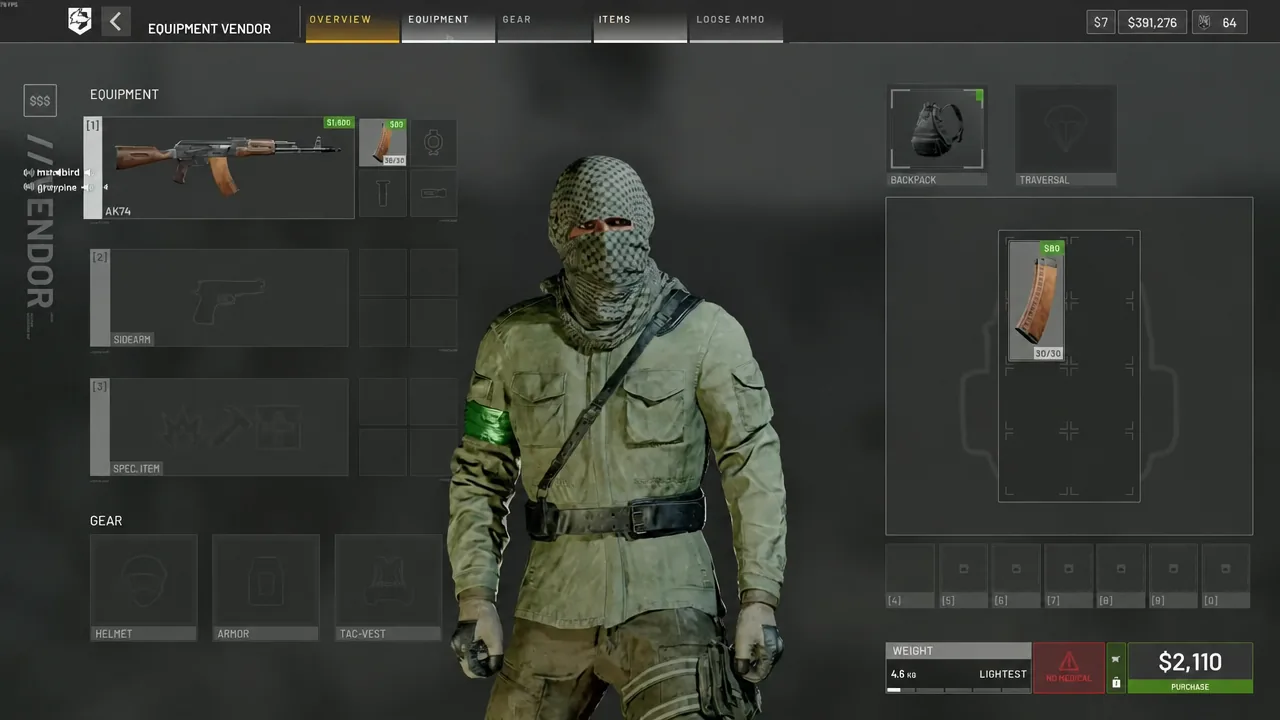
Two smaller vendor problems compound that. Loose ammunition is not filtered or highlighted against the weapon you are carrying, so you are matching calibre names by eye. And the vendor interface will not let you drop anything from your inventory, meaning a full backpack forces you to exit the menu entirely, dump gear on the ground, and go back in.
The inventory itself lacks a hands slot. A 155mm HE shell occupies a 3×1 block, so carrying artillery ammunition is impossible without buying an expensive large backpack first. Season 1 pushed this further in the wrong direction for artillery crews: 155mm, 122mm and flare deployables now take up more loadout room than they did in beta.
Vehicle controls, locking, and despawn timers
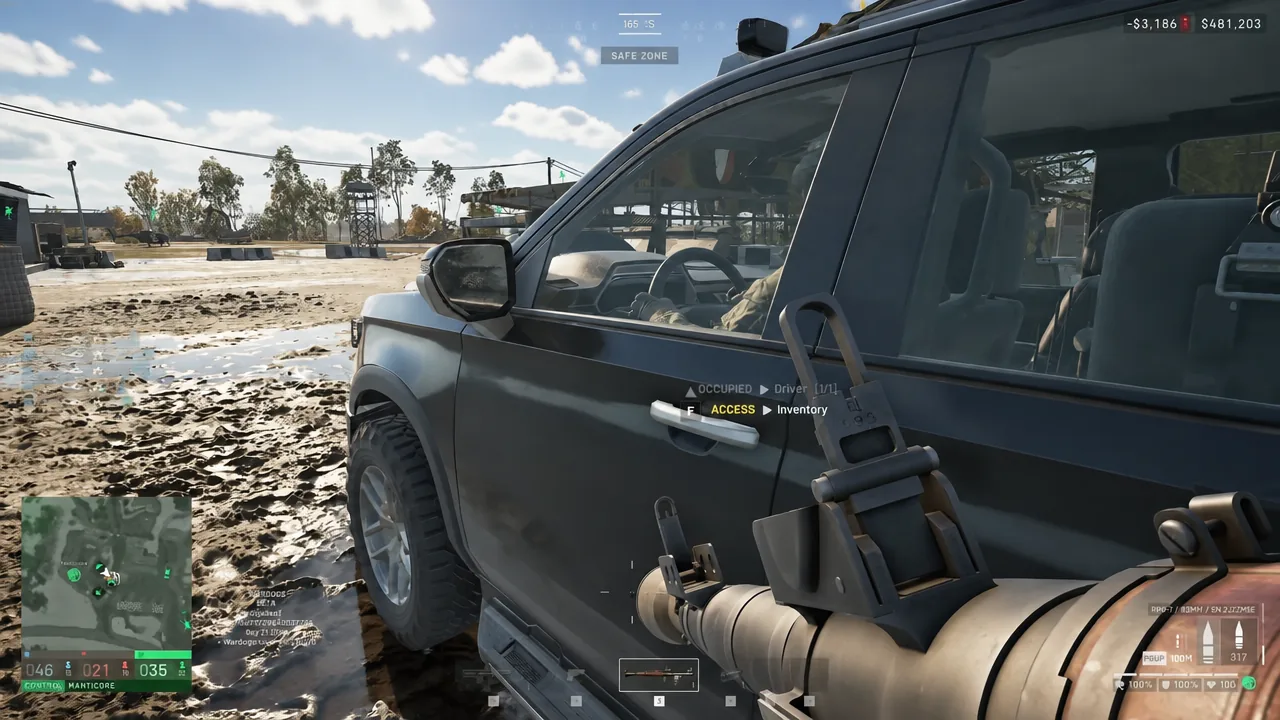
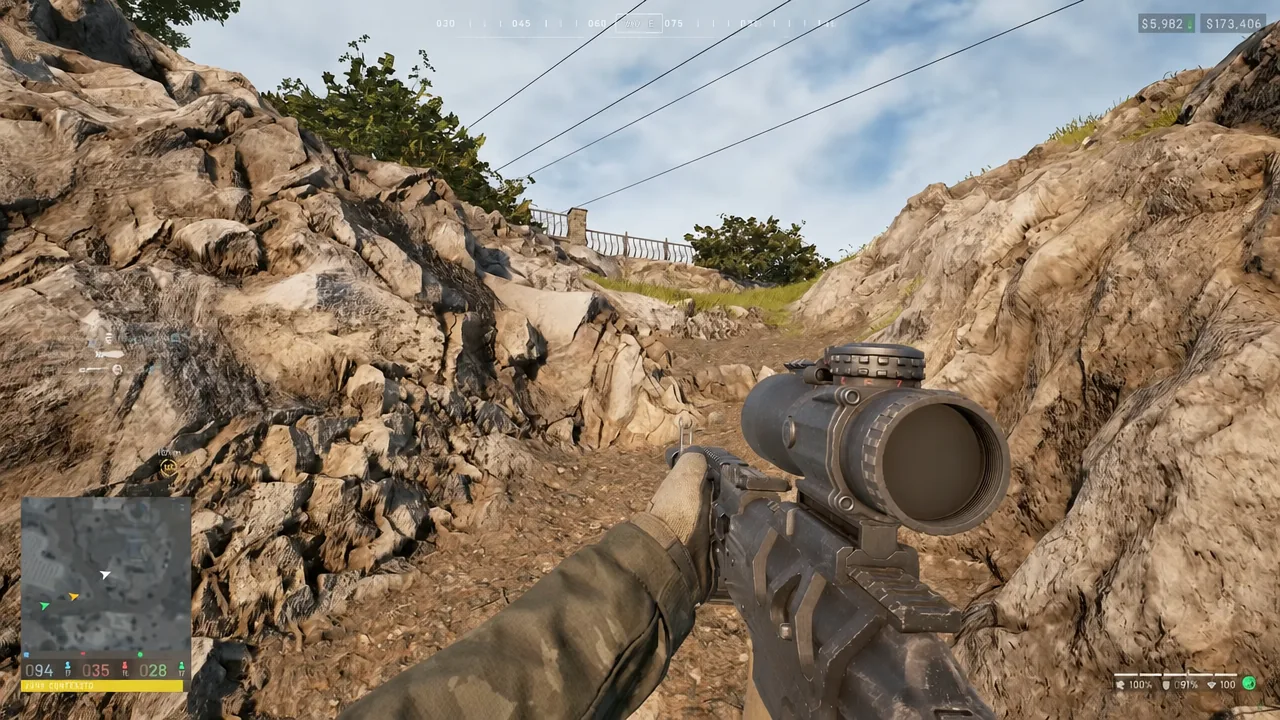
Seat changes are sequential. You hold the 0 key and cycle through positions one at a time instead of selecting a seat directly, which is slow when a Kodiak is taking fire and someone needs to be on the gun now. The vehicle interaction menu scrolls rather than offering direct picks, which adds the same delay to every other vehicle action.
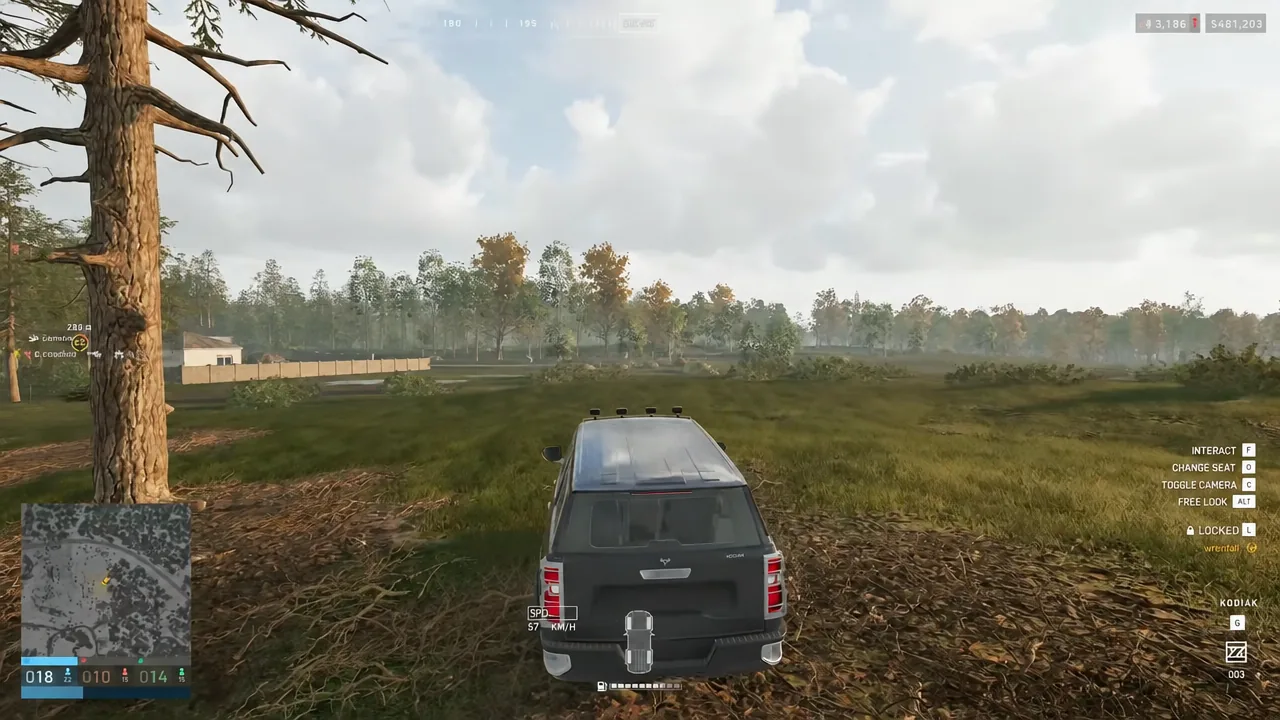
Vehicle locking is equally rigid. The owner has to be sitting in the driver’s seat to unlock a vehicle for squadmates, so a pilot who parks a helicopter and pushes forward on foot has effectively removed that asset from the team. There is also no way to sell a vehicle back or hand it over at a base, so a mistaken purchase is simply money gone.
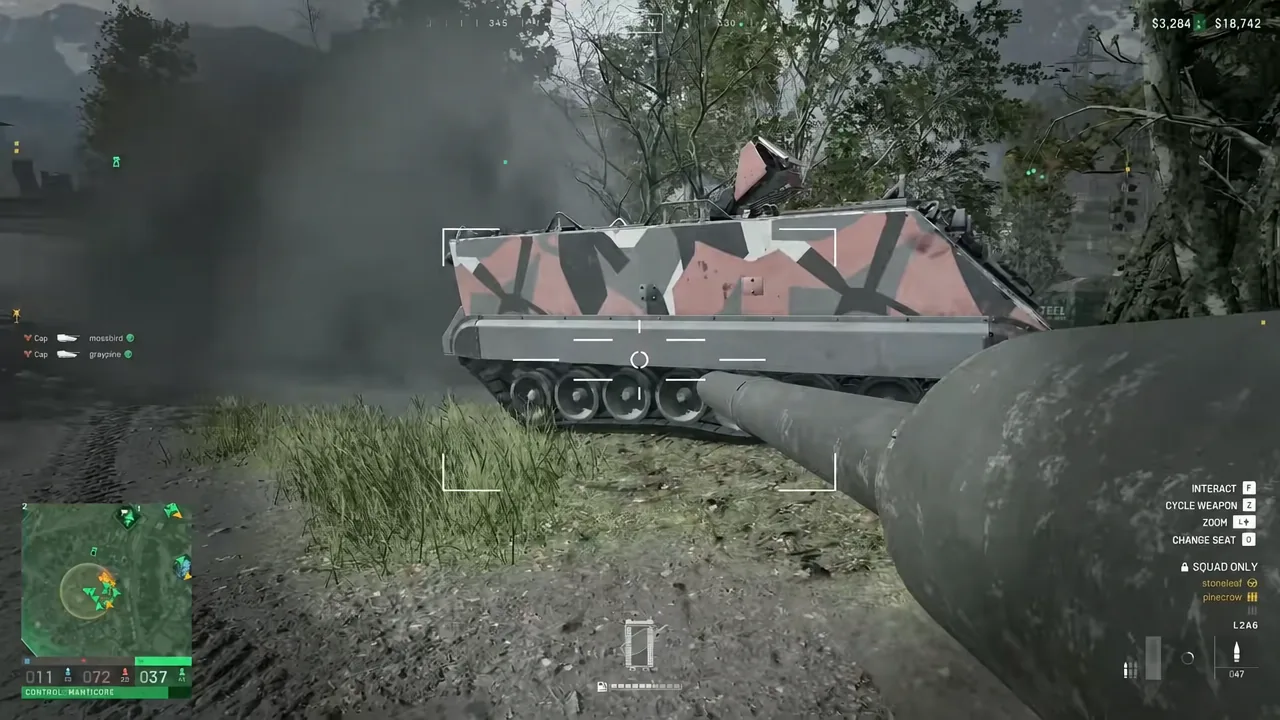
Then there is asset cleanup. Vehicles parked inside a FOB area can explode on their own even with players standing nearby, which punishes exactly the logistics play the mode is built around.
Supply runs are slower than they need to be
Buying multiple supply pallets for a URAL kicks you back to the main menu after each purchase, so stocking a truck is the same three or four clicks repeated over and over. Helicopter cargo has its own UI awkwardness on top of that.
The bigger inconsistency is at the FOB itself. Pallets unload instantly with the G key, while small logistics crates have to be unpacked item by item into your backpack and carried across. Two supply formats, two completely different amounts of player time, with no in-game way for a builder to request what they actually need from whoever is driving.
Note: FOB crates also do not display which starting supplies and tools they include before purchase, and the build alignment crosshair vanishes when you try to place a structure on top of a bunker.
Season 1 price and XP changes that sharpen the grind
BULKHEAD’s stated goal is for a median player at 20 to 25 hours to land around level 20, with big-ticket items reserved for the top few percent. Progression below level 6 is untouched, slows sharply from 10 to 20, and flattens again from 35 upward. Artillery Tank moved from Career 55 to Career 90, and Heavy Tank moved from Career 35 to Driver 35.
| Level | Beta XP | Season 1 XP |
|---|---|---|
| 10 | 25,000 | 35,000 (40% slower) |
| 15 | 54,750 | 110,000 (100.9% slower) |
| 20 | 111,500 | 250,000 (124.2% slower) |
| 35 | 416,500 | 500,000 (20% slower) |
| 50 | 838,000 | 1,000,000 (19.3% slower) |
The economy moved in both directions. Construction and base-building got noticeably more expensive, while several Driver vehicles got cheaper to unlock.
| Item | Beta | Season 1 |
|---|---|---|
| Forward Operating Base (vendor) | $2,500 | $7,500 |
| Large Hammer (vendor) | $1,600 | $2,400 |
| Medium Hammer (Support unlock) | $10,000 | $25,000 |
| Large Hammer (Support unlock) | $25,000 | $75,000 |
| Artillery Tank (Career unlock) | $400,000 | $500,000 |
| URAL (Driver unlock) | $50,000 | $35,000 |
| Kodiak Flatbed (Driver unlock) | $15,000 | $35,000 |
One XP event worth knowing about: selling a supply crate item worth under $75 now pays 1 XP instead of 25, and the supply crate purchase curve was rescaled from 25–250 down to 1–200 to stop low-value items being farmed.
Class unlock gaps: Anti-Tank, Recon, and Support
Anti-Tank has the sharpest hole. The role starts with no explosive launcher at all, and the RPG-7 arrives at level 5, so the early experience is grinding logistics work in a class defined by a weapon you do not have yet. Nothing in the Season 1 unlock tables shortens that.
Recon’s starting sniper rifle cannot kill an unarmored enemy with a single headshot, which undercuts the whole point of the role at range. Its long-range scopes also got more expensive, with the 6-10x MRAD moving to $40,000 and the 6-10x MOA to $45,000.
Support’s climb toward better construction tools got longer, not shorter. The Large Hammer moved from Support level 7 to 8, and its unlock payment tripled to $75,000 on top of a higher vendor price.
Squad comms, spotting, and team balance
Voice chat is in far better shape after launch. Season 1 fixed voice cutting out permanently after a failed join, repaired stale channel rejoins, push-to-talk targeting and re-login recovery, improved reliability under load, and added a visible communication status. Server browser filtering was reworked at the same time, which helps with getting into the right game in the first place.
Coordination inside a match is still thin. Map pings expire too quickly to serve as durable squad markers, there is no infantry free look, and there is no optional radio channel for squad leaders to talk to each other. The tutorial covers shooter basics but not the systems that decide matches — FOBs, towers, hot zones and the deployment economy.
The hot zone itself is undervalued. Its passive income and capture incentives are low enough that teams often ignore it, which removes one of the few pressure points that could drag a one-sided match back toward the middle. That matters because team imbalance is persistent, and there is currently no financial incentive to join the losing side.
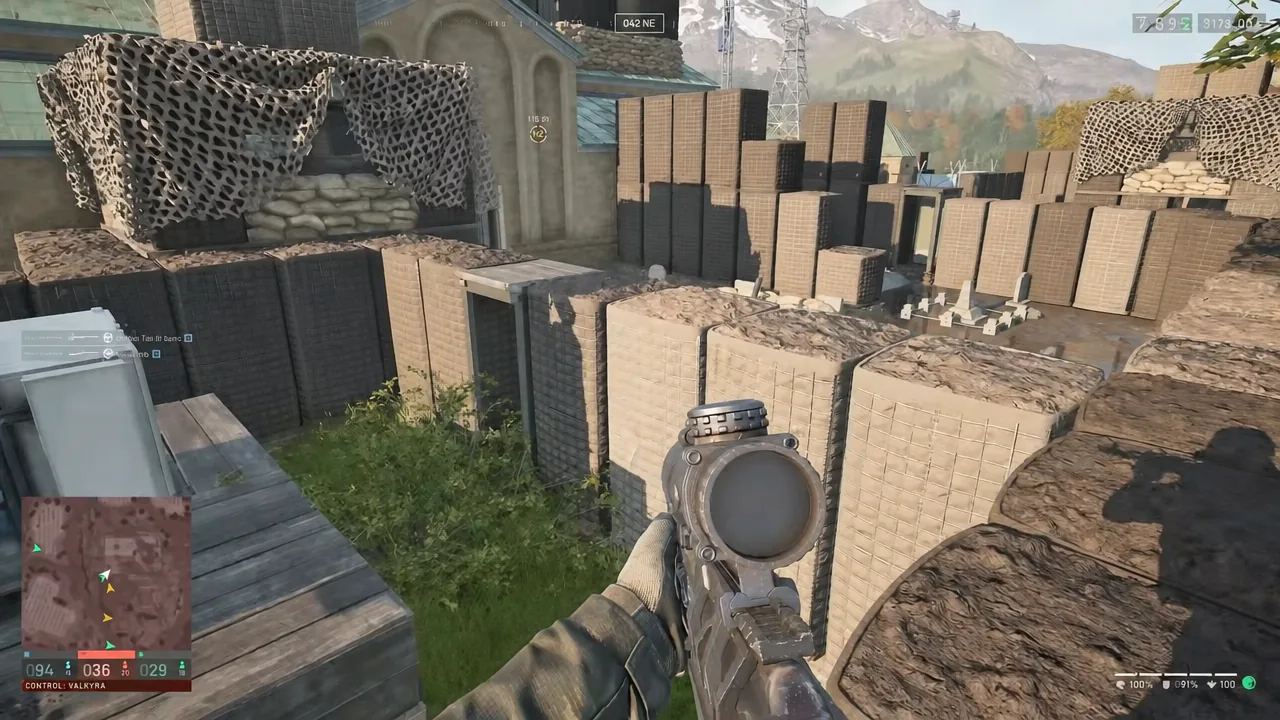
Two more items on the coordination list. Teammates can loot your corpse before a medic reaches you, with no temporary reservation on your gear, and grenade throws use a persistent overhand/underhand toggle rather than a context-sensitive input, which produces accidental short throws at the worst moments.
Bugs and stability at the Early Access launch
The crash work is the most concrete part of Season 1. Fixes landed for two crash paths in the frame generation pipeline, network calls scheduled off the game thread, chatbox entry tooltips, buildables, and firing a weapon whose owner had left the server. DLSS Frame Generation can now be toggled without a restart, shadow cache refreshes were reduced to cut hitching, and startup failures now produce clearer messages and a recovery route. An exploit that let players reach an unintended spot on the church roof was also closed.
Two beta bugs are not in the fix list. Recon players still cannot spot enemies through intact glass — the window has to be broken first — and the tactical map has no topographic contour overlay, which makes indirect fire positioning guesswork.
If Steam blocks you at launch with a “Game Not Released” error, that is a storefront-side timing problem rather than a game bug. Restarting the Steam client resolves it for some players; fully logging out of your Steam account and back in clears the release date and restores the blue Play button more reliably. The download may then show as “Unpacking” for a while before the WARDOGS store listing lets you launch, especially while servers are saturated.
No next-patch date and no recurring patch day have been announced, so there is no fixed schedule to plan around yet. The Season 1 build clears the technical blockers that stopped people playing; the remaining list is almost entirely about how much of a match you spend in menus, in transit, or waiting on an unlock — and that is the part Early Access has the time to fix.