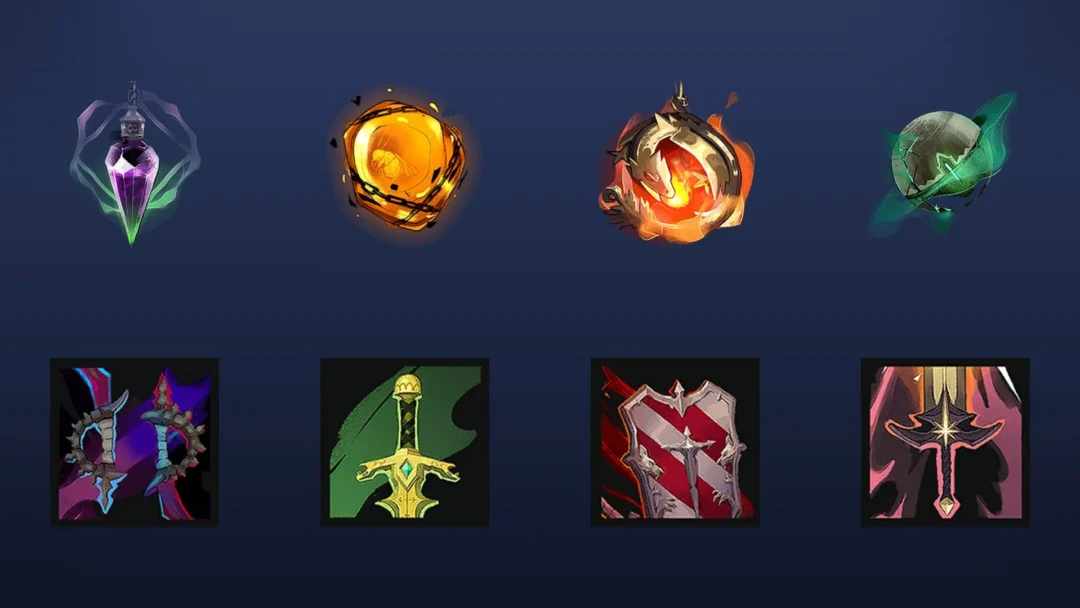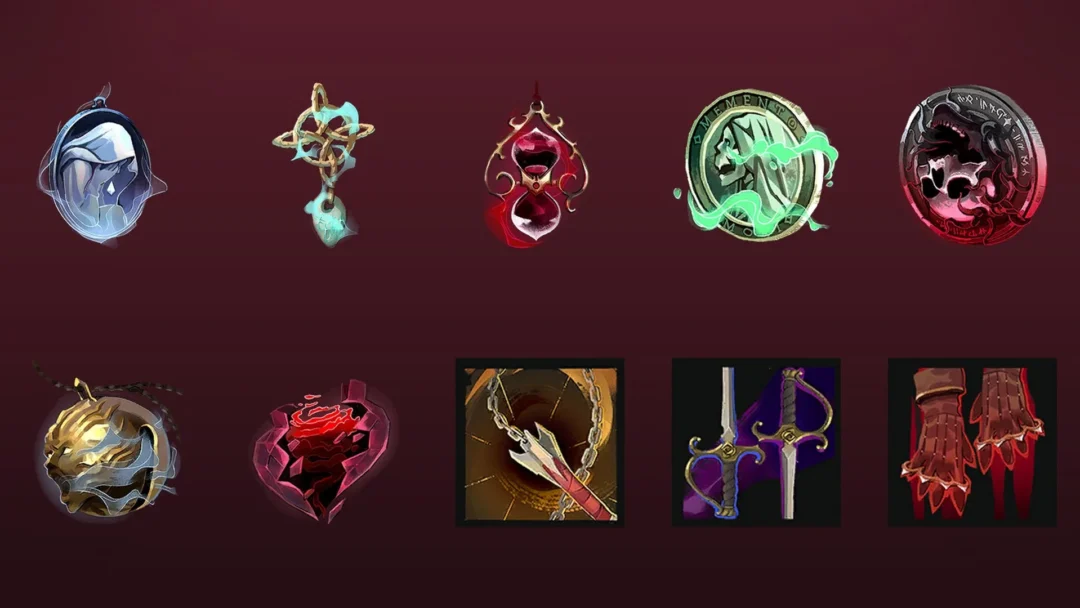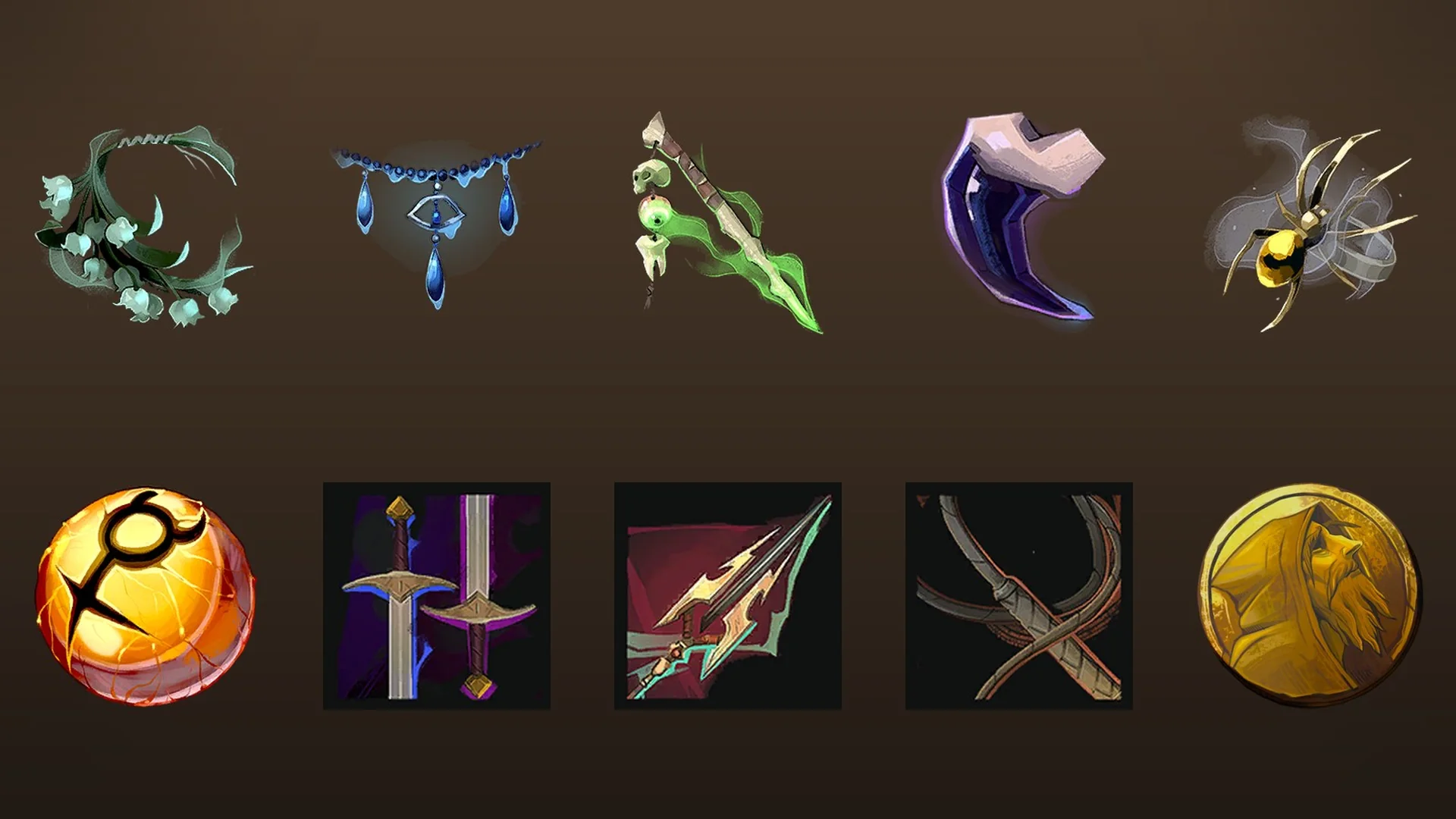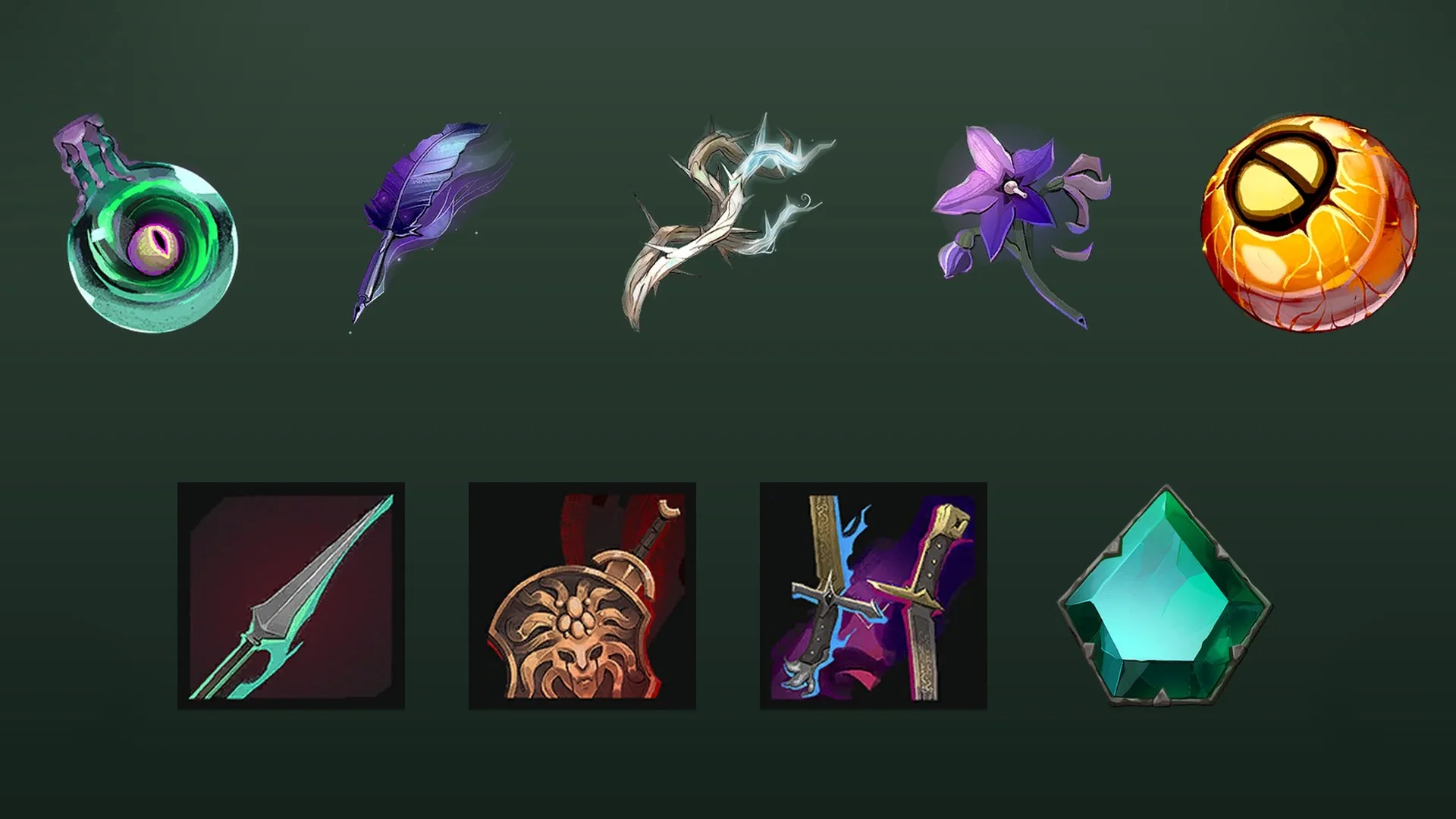
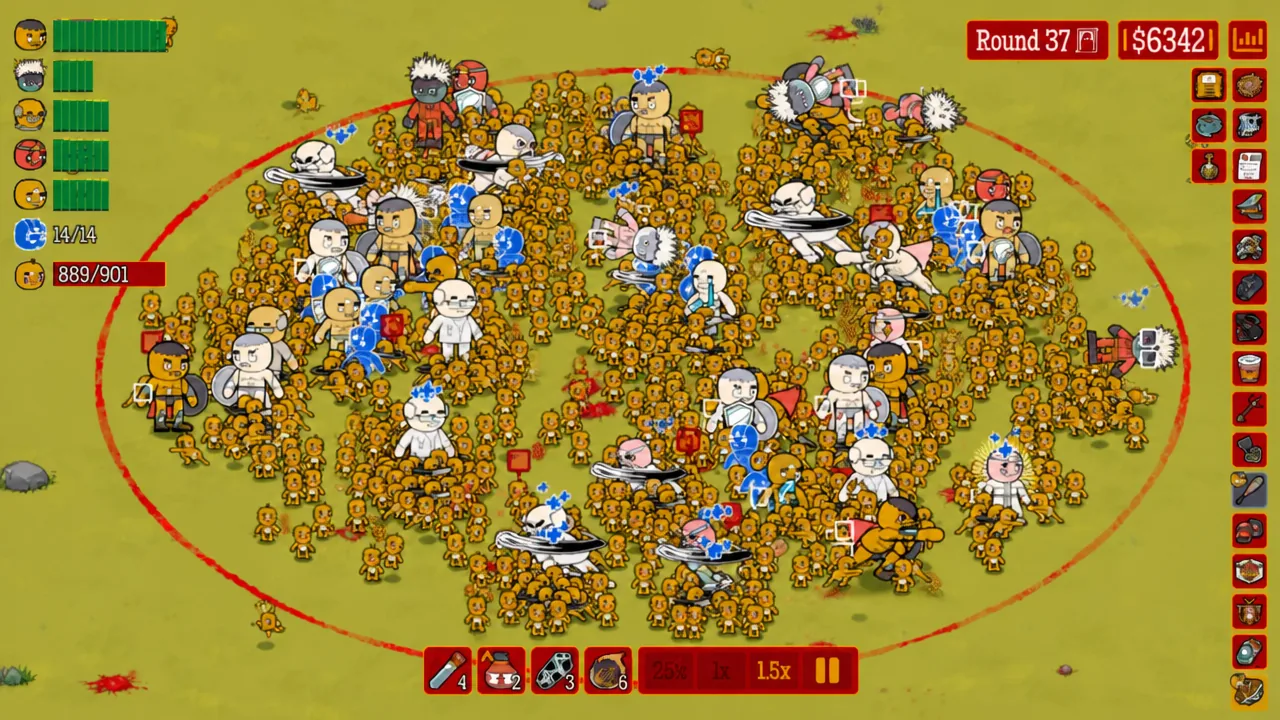
A team in How Many Dudes? is five Dudes, and your build is simply which five you recruit. With 42 Unique Dudes across six Families, there is no single lineup that wins every run. The reliable approach is a role shell you fill from the strongest available picks, then adjust as your Relics and enemies change.
Quick answer: Build one damage carry, one control or damage-transfer Dude, one sustain source, and use the last two slots to deepen that core or patch the run’s current weakness. On tougher runs, favor a genuine support role over a second attacker.
The five-role team shell
Every strong composition covers the same four jobs and then flexes. Treat this as the frame you slot Dudes into, not a locked lineup.
| Role | Job in the fight |
|---|---|
| Tank | Holds enemy attention and soaks damage so the rest of the team survives. |
| Support / Control | Buffs allies, weakens enemies, or transfers damage away from your carry. |
| Healer | Restores health so the team outlasts long fights. Two healers help on hard runs. |
| DPS | Clears enemies and burns through high-HP targets before they overwhelm you. |
| Flex | A second copy of the core, another protector, or economy income like Finance. |
For a top-tier run, a common layout is one tank, one support, two healers, and one damage dealer. On the easier tiers you can swap the support for a second DPS, but keeping a dedicated support usually pays off more than doubling up on damage.
Best Dudes for each role
These picks fill each slot cleanly because their abilities do exactly what the role needs. Where you cannot recruit the top option, the alternatives cover the same job.
| Role | Top pick | Why it works |
|---|---|---|
| Tank | Knight (or Spartan, Warlock) | Knight taunts five nearby enemies every three seconds. Spartan blocks Direct Damage aimed at nearby Dudes. Warlock can expel 20% of stored damage and taunt an enemy for three seconds. |
| Support / Control | Assassin (or Paladin) | Assassin’s hits inject toxins that stack up to three times, cutting enemy attack power by 5% for five seconds. Paladin transfers part of the damage taken by two Blessed allies. |
| Healer | Chef and Cleric | Chef keeps up to four healing burgers ready for the team. Cleric pulses healing around the most-injured Dude every two seconds. Medic and Quantum are solid backups. |
| DPS | Hacker (or Cyborg, Samurai, Viking) | Hacker gains an Exploit every four seconds and applies its DPS to a teammate for a 100% boost, becoming a nuker once its base damage is high. Cyborg stacks attack power; Samurai chases the lowest-HP target. |
Other consistently strong Dudes to look for include Cowboy, Dentist, Necrodude, Vampire, and Viking. Any of them can anchor a slot when the ideal pick does not appear in your Flyers.
How to pick your flex slots
The last one or two slots should answer what actually ended your previous fight. Do not spend them on unrelated mechanics just because a Dude looks fun on its own.
| What went wrong | Flex fix |
|---|---|
| A carry got focused and died | Add protection: Knight, Paladin, Spartan, Pirate, Psionic, or Agent. |
| The whole team slowly collapsed | Add a broad healer: Cleric, Medic, Chef, Quantum, Explorer, or Ghost. |
| Enemies survived at low HP | Add Samurai or another focused finisher to clean up stragglers. |
| Team survived but damage stalled | Deepen the core trigger instead of adding a fifth unrelated engine. |
| Shell is already stable | Add Finance for a $3 Dividend after each battle to fund shops. |
Adjust the whole team per fight, too. Against powerful but low-HP waves, you can drop a healer and push maximum damage, since a fight that ends fast never punishes you for the missing sustain.
Relics and Trinkets decide the final build
Recruiting a Dude Type adds its seven Relics and its Family’s eight Relics to the available pool. Spreading across many Families gives more options but lowers the chance of drawing any one specific piece. Each Roster Dude Type can also bind one Trinket during a run, which can redefine a build entirely.
Because of this, build around what appears rather than forcing a screenshot lineup whose key Relic never enters your pool. A well-matched Relic can make an average Dude carry a run, and a mismatched Trinket wastes a slot. Note: some Trinkets do nothing for certain Dudes, so avoid handing a movement Trinket to a stationary taunter like Knight.
Demo builds versus the launch version
You will still see the old pre-release demo answer of Viking, Necro, and Spartan paired with a Cleric, a composition that once carried runs deep into the demo’s Wave 123. That lineup follows the same logic used here: Vikings shred high-HP enemies, Necro skeletons soak aggro, Spartans block, and a Cleric sustains. The roles are right even if the exact names are demo-era.
Treat demo numbers and rankings as guidance only. How Many Dudes? released July 30, 2026 for Windows and Steam Deck, iPhone and iPad, and Android, and its balance shifted from the beta into launch. You can check the current game on the official Steam page, with saves syncing across devices through Rumpus.
Lock in your four core jobs first, fill them with the best Dudes your Flyers offer, and let your Relics and the current wave decide the last two slots. That flexible shell clears more runs than chasing any one “perfect” five.